

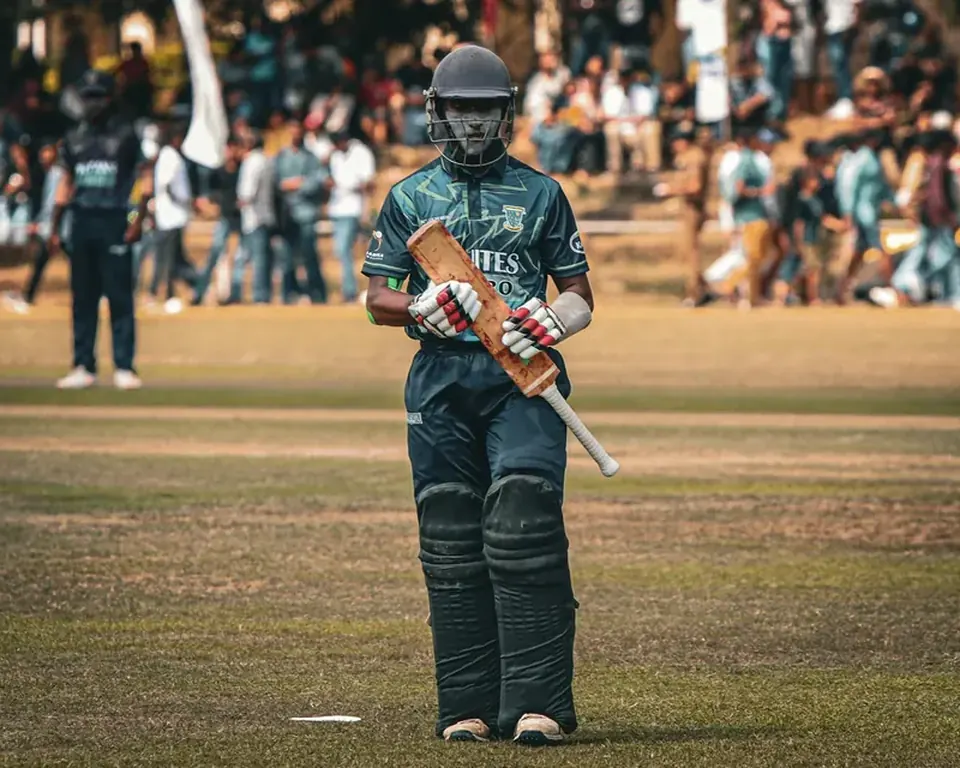
So you're ready to dive into Australian cricket—good onya. Whether you're a seasoned footy fan looking to expand your sporting horizons, a new Aussie wanting to understand the summer obsession, or an international visitor planning a cricket pilgrimage, this guide is for you.
Australian cricket isn't just a sport; it's a cultural institution. From the roar of a packed Melbourne Cricket Ground during an Ashes Test to the electric atmosphere of a Big Bash League night game under lights, cricket weaves itself into the fabric of summer. But let's be honest—planning a cricket trip can feel overwhelming. Which ground should you visit? When's the best time to go? How do you even get tickets?
I've put this checklist together to help you navigate everything from choosing your match to packing your bag. By the time you finish reading, you'll have a practical, step-by-step plan for an unforgettable Australian cricket experience. Let's get into it.
What You'll Need Before You Start
Before we dive into the steps, here's what you should have handy:
- A flexible calendar – Cricket schedules change, so keep some wriggle room
- Budget for tickets – Prices vary wildly between a Sheffield Shield day and a sold-out Ashes Test
- Transport options – Know how you'll get to each ground (parking, train, or rideshare)
- Weather awareness – Summer in Australia means sun, but also sudden storms
- Patience – Cricket is a long game; embrace the slow burn
Step 1: Choose Your Cricket Experience
Not all cricket is created equal. Your first decision is what kind of match you want to attend.
Test cricket is the purest form—think five days of chess-like strategy, patience, and drama. If you're chasing the Ashes or a Border-Gavaskar Trophy clash, this is your jam. Tests at the Melbourne Cricket Ground or Sydney Cricket Ground are bucket-list material, but they require commitment. A full day at the SCG can stretch from 10:30 AM to 6 PM, with breaks for lunch and tea. Bring a book, sunscreen, and a willingness to chat with strangers about Steve Smith's cover drive.
Big Bash League matches are the opposite—fast, loud, and over in about three hours. The KFC Big Bash League is designed for families, casual fans, and anyone who wants fireworks, music, and six-hitting mayhem. These night games at grounds like the WACA Ground or Marvel Stadium are perfect if you're short on time or introducing kids to the sport.
Women's Big Bash League matches offer the same electric atmosphere with a more relaxed vibe. The WBBL has grown enormously, and attending a game is a brilliant way to support the next generation of stars.
Sheffield Shield matches are for the purists. These four-day games between states are where future Test players earn their stripes. They're cheap (often free), uncrowded, and you can get surprisingly close to the action. Perfect if you want to watch the next generation of players in their element without the circus.
Pro tip: If you're visiting from overseas, try to catch at least one Test and one BBL game. They're completely different experiences, and both are essential to understanding Australian cricket.
Step 2: Pick Your Stadium Wisely
Australia's cricket grounds are as varied as the country itself. Here's the rundown on the big ones.
Melbourne Cricket Ground (MCG) – The grand old lady of Australian sport. With a capacity of 100,000, it's the largest stadium in the Southern Hemisphere. The MCG during an Ashes Test is a religious experience—the sound of the crowd when a wicket falls is something you'll never forget. Get there early to walk around the outside, check out the statue of Shane Warne, and soak in the history.
Sydney Cricket Ground (SCG) – Intimate, historic, and dripping with character. The SCG has the famous Members' Stand, the old scoreboard, and a hill where you can sprawl on the grass. It's smaller than the MCG but arguably has more soul. The Steve Smith chant here is legendary.
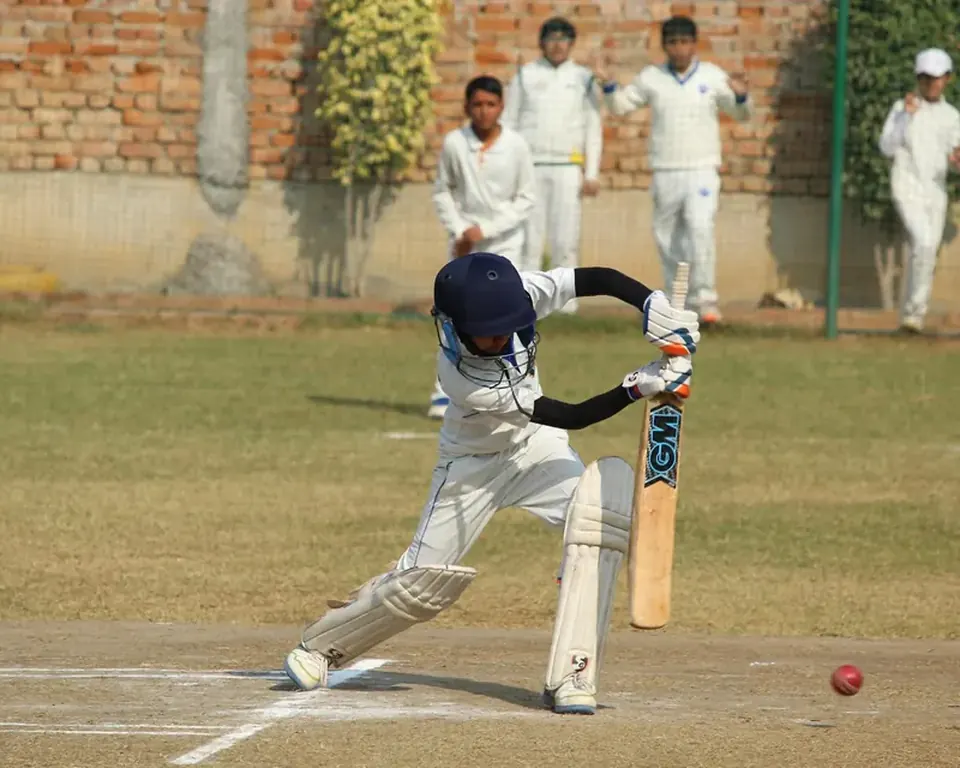
WACA Ground (Perth) – The WACA has a reputation for pace and bounce, but the ground itself is being renovated. The new Perth Stadium (Optus Stadium) now hosts most major matches, but the WACA still holds Sheffield Shield games and some BBL fixtures. If you want to see where legends like Dennis Lillee bowled, the WACA is worth a visit.
Adelaide Oval – Often called the most beautiful cricket ground in the world. The combination of the historic scoreboard, the cathedral backdrop, and the hill makes it special. Day-night Tests here are magical.
Gabba (Brisbane) – Known for its "Gabbatoir" reputation where visiting teams come to die. It's compact, loud, and intimidating. The pitch traditionally offers pace and bounce.
Blundstone Arena (Hobart) – Small, scenic, and friendly. Tasmania's home ground is perfect for a relaxed day of Sheffield Shield or a BBL game.
Pro tip: If you're short on time, the MCG and SCG are non-negotiable. They're the cathedrals of Australian cricket.
Step 3: Get Your Tickets Right
Ticket buying in Australian cricket is a game in itself. Here's how to play it.
For The Ashes or Border-Gavaskar Trophy Tests, tickets sell out fast—sometimes within hours of release. Sign up for Cricket Australia's mailing list and follow their social media for on-sale dates. Members of the Melbourne Cricket Ground or Sydney Cricket Ground get priority access, so if you have a friend who's a member, now's the time to call in a favour.
For Big Bash League matches, tickets are much easier to come by. You can usually buy them online up to game day, though finals and derby matches can sell out. The atmosphere is more relaxed—think music, food trucks, and crowd interaction.
Sheffield Shield matches are often free entry or cost a gold coin donation. Check the state cricket association websites for details.
Pro tip: For Test matches, consider buying a "ground pass" rather than a reserved seat. You'll have access to the general admission areas, which often have the best atmosphere anyway.
Step 4: Plan Your Transport and Accommodation
Getting to and from Australian cricket grounds requires some planning.
Melbourne Cricket Ground is a 15-minute walk from Flinders Street Station or a short tram ride. Parking is limited and expensive—take public transport. If you're staying in the city, consider walking. Hotels near Richmond or Jolimont are ideal.
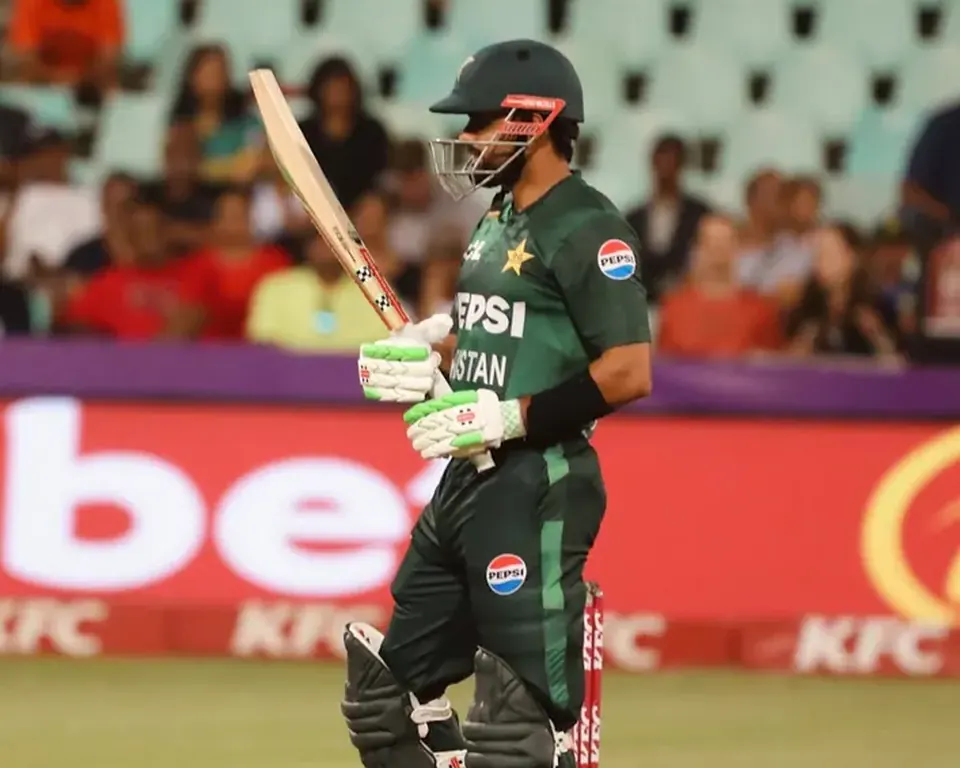
Sydney Cricket Ground is accessible via train to Central Station (then a 10-minute walk) or bus from the city. Parking is a nightmare—don't even try. Stay in Surry Hills or Paddington for a short walk.
WACA Ground and Perth Stadium are both accessible via train. The WACA is close to East Perth station. For Perth Stadium, take the train to Stadium Station.
Adelaide Oval is a 10-minute walk from the city centre. Hotels on North Terrace or in the CBD are perfect.
Gabba is a short train ride from Brisbane's city centre. Stay in South Bank or the CBD.
Pro tip: Book accommodation early for Ashes and BBL finals—prices spike and availability drops. For Sheffield Shield games, you can usually rock up on the day.
Step 5: Pack Like a Pro
Cricket days are long, and Australian weather is unpredictable. Here's your packing checklist.
- Sunscreen – SPF 50+, and reapply every two hours. The Australian sun is brutal.
- Hat – Broad-brimmed is best. You'll see plenty of bucket hats at the ground.
- Sunglasses – Polarised ones help with the glare off the pitch.
- Water bottle – Stay hydrated. Most grounds have free water refill stations.
- Snacks – While food is available, it's expensive. Bring your own sandwiches, fruit, and muesli bars.
- Rain jacket – Summer storms can appear out of nowhere.
- Comfortable shoes – You'll be walking, standing, and possibly climbing stairs.
- Book or e-reader – For the slower passages of play in Test cricket.
- Power bank – Your phone will die. Trust me.
- Aussie flag or team scarf – Get into the spirit.
Step 6: Master the Match Day Etiquette
Australian cricket crowds are generally friendly, but there are unwritten rules.
- Clap for milestones – 50s, 100s, five-wicket hauls, and centuries from the opposition deserve respect.
- Don't heckle the players – Banter is fine, but abuse is not. Security will remove you.
- Stand for the national anthem – It's the done thing.
- Know the "wave" – The Mexican wave is a crowd favourite, but don't start it during a tense moment.
- Respect the quiet areas – Some grounds have "silent" sections for purists. Check before you sit.
- Learn the chants – "C'mon Aussie, c'mon" and "Howzat!" are classics.
Step 7: Embrace the Full Experience
Cricket in Australia is about more than just the match. Here's how to make the most of it.
- Arrive early – Watch warm-ups, explore the ground, and soak in the atmosphere.
- Visit the museum – The MCG has the Australian Sports Museum, which offers a deep dive into the history of Australian sport.
- Try the food – Meat pies, sausage rolls, and hot chips are staples. Some grounds have gourmet options now.
- Talk to strangers – Cricket crowds are famously chatty. Ask about the pitch, the weather, or how someone thinks Steve Smith is going.
- Stay for the end – Even if the game seems dead, the final session can produce drama.
Common Mistakes to Avoid
- Underestimating the sun – Sunburn will ruin your day. Reapply sunscreen every two hours.
- Forgetting earplugs – The MCG and SCG can be deafening during big moments. Bring earplugs if you're sensitive.
- Buying the cheapest tickets – For Test matches, a seat in the shade is worth the extra money.
- Arriving late – You'll miss the toss, the first few overs, and the best atmosphere.
- Not checking the weather – Rain can delay or cancel play. Have a backup plan.
- Ignoring the schedule – The Ashes, Border-Gavaskar Trophy, and ICC Men's T20 World Cup all have different schedules. Check Cricket Australia's website.
Your Australian Cricket Fan Checklist
Here's your quick-reference list. Tick off each item as you go.
- Decide which cricket experience you want (Test, BBL, WBBL, Sheffield Shield, or T20 World Cup)
- Choose your stadium (MCG, SCG, WACA, Adelaide Oval, Gabba, or Blundstone Arena)
- Buy tickets early for Ashes and Border-Gavaskar Trophy matches
- Book accommodation and transport in advance for major matches
- Pack sunscreen, hat, sunglasses, water, snacks, rain jacket, and a book
- Check bag restrictions and venue rules
- Learn basic cricket etiquette (clap milestones, respect quiet areas)
- Arrive early to explore the ground and watch warm-ups
- Try the local food (meat pie, sausage roll, hot chips)
- Stay for the full day or session—cricket can turn in an instant
- Talk to fellow fans and soak in the atmosphere
- For day-night matches, enjoy the transformation after sunset
- Check the schedule for additional matches or tournaments
- Follow Cricket Australia on social media for updates
- Consider visiting the Australian Sports Museum at the MCG
Now get out there and enjoy the summer. Whether you're watching the fast bowlers steam in at the MCG or big hitters launching sixes at the SCG, you're in for a treat. Australian cricket is waiting for you.
Looking for more? Check out our guides to state leagues and competitions, the full Ashes 2023 recap, or our state leagues guide for deeper dives into Sheffield Shield and WBBL action.
Reader Comments (0)