

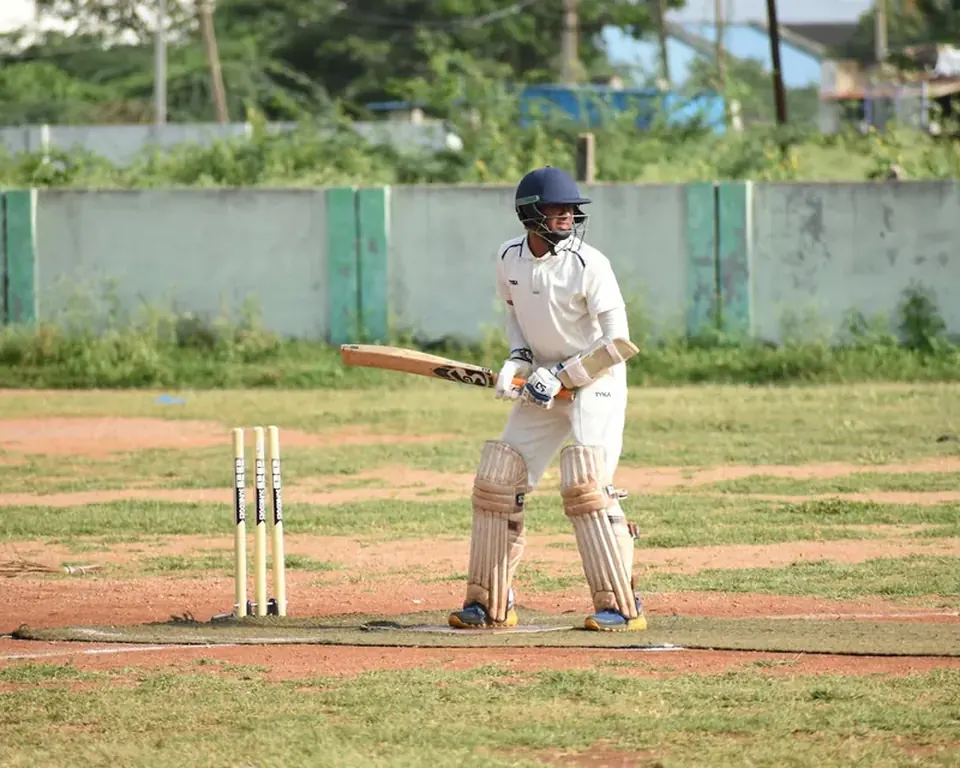
Look, if there's one thing that stops Australian cricket fans dead in their tracks, it's the dreaded injury report. You're settling in for a summer of Test cricket, the BBL is heating up, and suddenly your favourite player is sidelined with a side strain or a dodgy hamstring. It's frustrating, confusing, and sometimes you just want to know: when are they coming back?
I've been there. Scrolling through social media, trying to piece together recovery timelines from cryptic club statements and whispered rumours. So let's cut through the noise. Here's your practical guide to understanding Australian cricket injuries, what they mean, and how to make sense of it all.
The Problem with Cricket Injury Updates
The biggest headache for fans? Inconsistency. One day a player is "week-to-week," the next they're ruled out for the entire Ashes series. Cricket Australia (CA) and the clubs have gotten better at transparency, but there's still plenty of confusion. Let's break down the most common problems you'll face.
Problem 1: "Week-to-Week" Means Nothing
Symptoms: You see "week-to-week" in an injury update and think, "Great, they'll be back in a fortnight." Then three months pass.
Causes: Clubs use this phrase to avoid committing to a timeline. It's deliberately vague. They're managing expectations, media pressure, and the player's mental state. Sometimes, they genuinely don't know.
Solution: Treat "week-to-week" as code for "we'll update you when we have something concrete." Check official CA and club channels every 7-10 days. Don't trust third-party aggregators. Look for specific language like "return to play protocol" or "rehab phase" – those give you more to work with.
Problem 2: Not Knowing What "Side Strain" Actually Means
Symptoms: Your star quick is out with a "side strain." You have no idea if that's a week or a season.
Causes: Cricket injury terminology is technical. Side strains involve the intercostal muscles between the ribs. For fast bowlers, it's serious because every delivery loads those muscles.
Solution: Learn the five most common cricket injuries and their typical timelines:
- Side strain (intercostal): 4-8 weeks for fast bowlers, 2-4 weeks for batters
- Hamstring strain (grades 1-3): Grade 1: 1-3 weeks. Grade 2: 4-8 weeks. Grade 3: 3-6 months
- Calf strain: 2-6 weeks depending on severity
- Concussion: Minimum 12 days under CA protocols, often longer
- Stress fracture (back or foot): 3-6 months minimum
Problem 3: The "Rehab Phase" Black Hole
Symptoms: A player enters "rehab" and disappears from updates for weeks. You're left wondering if they've been secretly traded or retired.
Causes: Rehab is deliberately kept low-key. Clubs want players focusing on recovery, not media speculation. Also, setbacks happen, and no one wants to announce "Player X had a minor relapse."
Solution: Follow the player's social media – cautiously. They'll often post gym or running videos. If they're sprinting at 80% in a straight line, they're probably 2-3 weeks out. If they're doing change-of-direction drills, they're closer. But remember: social media is curated. A smiling photo doesn't mean they're match-fit.
Problem 4: Confusing "Available for Selection" with "Playing"
Symptoms: CA announces a player is "available for selection" for the next Test. You assume they're in the XI. They're not.
Causes: "Available" means they've passed fitness tests. It doesn't mean they're in form, or that the selectors will pick them. It's a medical clearance, not a selection guarantee.
Solution: Separate medical news from selection news. Check the squad announcement, not just the injury update. For example, Pat Cummins might be "available" for a Sheffield Shield return, but CA might rest him ahead of a major series. Availability is the green light; selection is the car actually driving.
Problem 5: Ashes Series Injury Panic
Symptoms: A key player gets injured during the Ashes, and the entire fanbase loses its collective mind. "Season over!" "We're doomed!"
Causes: The Ashes is the pinnacle. Every injury feels catastrophic. Plus, the five-Test schedule means even minor niggles can force players to miss matches.
Solution: Take a breath. Look at the squad depth. Australia has built serious bench strength. When Steve Smith missed a Test in 2023, the team still won. Check the actual timeline: if the injury happens early in the series, a 2-3 week recovery might mean they miss one Test, not the whole thing. Also, remember that CA often manages players through the Ashes with "load management" rather than genuine injury. That's not a crisis; it's strategy.
Problem 6: BBL Injuries and the "Big Bash Bubble"
Symptoms: A BBL star goes down, and you have no idea if they'll be back for the finals. The tournament moves so fast.
Causes: BBL squads are smaller, and replacements are often temporary. The tournament schedule is compressed, so a 4-week injury can effectively end a player's season.
Solution: Understand the BBL replacement rules. Teams can sign replacement players for injured stars, but the original player can return later if fit. The key date is the finals cut-off. If a player's recovery timeline extends past the semi-finals, they're probably done for the season. Check the BBL injury list on the official website – it's updated weekly during the tournament.
Problem 7: Women's Big Bash League (WBBL) Injury Confusion
Symptoms: You follow the men's game closely but get lost with WBBL injury updates. Different timelines? Different rules?
Causes: The WBBL has a shorter season and different player availability windows. International players come and go. Injuries are managed differently because the tournament overlaps with international tours.
Solution: Treat WBBL injuries the same way, but add two factors: international duty and tournament length. A 3-week injury in a 6-week tournament is season-ending. Also, players contracted to CA for international tours might be withdrawn from the WBBL entirely for rehab. Check the WBBL injury list and the CA international schedule side by side.
Problem 8: The "Cricket Australia Says..." Trap
Symptoms: You read a headline: "Cricket Australia confirms Smith injury." You click. It's a vague statement from a CA spokesperson.
Causes: CA releases official injury updates through specific channels. Unofficial sources (social media, fan sites, even some news outlets) often misinterpret or exaggerate.
Solution: Only trust:
- Official CA website injury updates
- Club/state association announcements
- Press conferences with the team doctor or coach
- The player's own verified social media (rare but reliable)
Prevention Tips for the Informed Fan
You can't stop injuries, but you can stop the confusion. Here's how:
- Bookmark the official CA injury list. It's updated weekly during the domestic season and daily during major tours.
- Learn the medical terminology. Google "cricket injury glossary" and spend 10 minutes learning the basics. It'll save you hours of confusion.
- Understand the season calendar. Injuries in November (pre-Ashes) are managed differently than injuries in January (mid-BBL). Context matters.
- Follow the right people. Team doctors, physios, and official CA media staff are gold. Fan accounts are not.
- Use the Sheffield Shield as a recovery indicator. If a player returns to Shield cricket before a Test series, they're being tested. Watch their performance, not just their availability.
- Don't panic about "load management." It's not an injury. It's CA protecting their assets. Accept it.
- Check the Border-Gavaskar Trophy and ICC Men's T20 World Cup schedules. Major tournaments change recovery priorities. A player might be rushed back for a World Cup but rested for a bilateral series.
When to Seek Official, Club, Coach, or Professional Guidance
There are times when you need to step away from the internet and go straight to the source.
When to check official CA channels:
- Before a major series (Ashes, Border-Gavaskar Trophy, ICC Men's T20 World Cup)
- When a squad announcement is imminent
- If you see conflicting reports from multiple sources
- If a player is injured for more than two weeks without an update
- If you're a junior or community coach and need return-to-play guidance
- For clarification on injury protocols at your level
- If you're managing a junior team and a player has a suspected concussion
- For guidance on safe return-to-play after any injury
- If you're unsure about load management for young fast bowlers
- If you're a player with a persistent injury that isn't improving
- Before returning to bowling or batting after a significant layoff
- For any concussion symptoms – never guess with head injuries
- CA's medical team includes experienced sports physicians. If they say a player is 6-8 weeks, trust it.
- Club physios know the player's history. Their timelines are more accurate than media speculation.
- Player agents sometimes leak optimistic timelines. Take those with a grain of salt.
Cricket injuries are part of the game. They're frustrating, but they don't have to be confusing. The key is knowing where to look, what the language means, and when to be patient.
Next time you see "Pat Cummins is week-to-week with a side strain," you'll know: check back in 10 days, look for a return-to-play announcement, and don't panic. The Ashes will still be there. The BBL will still be exciting. And your favourite player will be back when they're ready – not when Twitter says they should be.
Now go enjoy the cricket. The injury list can wait.
Want more cricket insights? Check out our guides on clubs and competitions, the BBL draft explained, and the history of the Ashes series.
Reader Comments (0)