

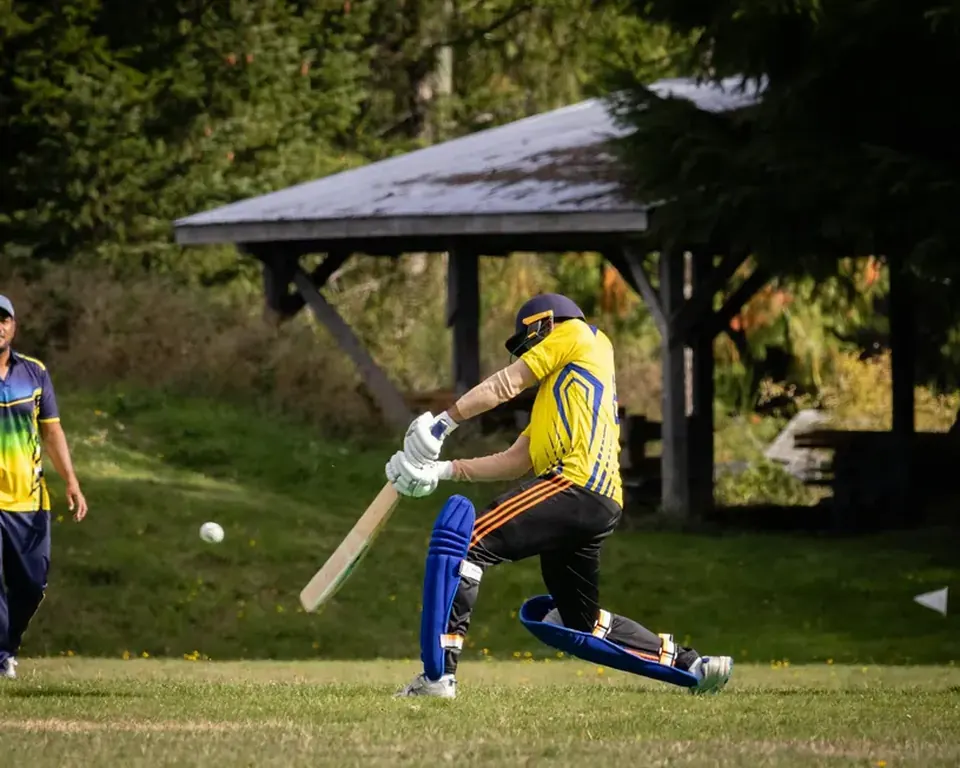
Australian Domestic Cricket Salary System Explained: How It Works
If you’ve ever wondered how Cricket Australia keeps the Big Bash League (BBL) and Women’s Big Bash League (WBBL) competitive while ensuring players are fairly paid, you’re not alone. The salary cap is a financial tool in Australian domestic cricket, setting limits on how much each club can spend on player wages. It’s a system designed to balance the books, prevent a few wealthy clubs from dominating, and keep the talent pool spread evenly—so every team has a shot at glory. Let’s break it down in plain Aussie terms.
How the Salary Cap Works
Cricket Australia (CA) sets a total salary cap for each BBL and WBBL club each season. This cap covers all contracted players on a team’s list, including marquee stars if they’re playing domestically. Clubs must fit their entire wage bill—base salaries, match fees, and bonuses—under this cap. If a club goes over, they face penalties like fines or draft pick losses. The cap is reviewed annually based on broadcast revenue, sponsorship deals, and player union agreements. For Sheffield Shield players, the cap applies differently because those are state-based contracts, but the principle is the same: keep spending sustainable.

Key Terms in the Salary Cap System
Total Player Payments (TPP)
The TPP is the maximum amount a club can spend on player wages in a season. It includes base salaries, match payments, and any bonuses for performance (like making the finals). Think of it as a club’s budget cap—they can’t go over it unless they have special exemptions.Marquee Player Allowance
This is a rule that lets clubs spend extra on high-profile stars like international recruits or former Test captains. For example, if a major stadium hosts a BBL game, the marquee player’s salary might be partially excluded from the cap to attract big names. It’s like a “star tax break” to keep the league exciting.Rookie Contract
A rookie contract is for young or developing players, often those fresh from state leagues. These deals have a lower minimum salary and are capped at a set amount. It’s a way for clubs to invest in future stars without blowing their budget.Retention Allowance
This is a bonus payment clubs can offer to keep key players from leaving for other leagues or overseas deals. For instance, if a player is considering an offer from another country, the retention allowance helps the club match that value within the cap.Draft Pick Penalty
If a club exceeds the salary cap, they can lose draft picks in the next BBL or WBBL draft. This is a serious deterrent—no club wants to miss out on the next rising star because they overspent on a few big names.State League Contract
For Sheffield Shield and domestic Test series players, contracts are managed by state associations, not BBL clubs. These deals have a separate cap structure, but they feed into the overall CA financial system. Think of it as the “minor league” salary tier.Match Fee
A set payment per game, usually for domestic matches like Shield or BBL fixtures. These fees are counted towards the cap and vary based on the competition.Performance Bonus
Extra cash for achieving milestones, like taking a five-wicket haul in a Test series or scoring a century. These are included in the cap but can be structured to spread the cost over a season.Injury Replacement
If a player gets injured, clubs can sign a replacement without the new player’s salary counting fully against the cap. This keeps teams competitive even when stars are sidelined.Salary Cap Floor
The minimum amount clubs must spend on player wages. This prevents teams from hoarding cash and ensures players are paid fairly. It’s like a “spend it or lose it” rule.Third-Party Agreement (TPA)
A TPA is a sponsorship or endorsement deal between a player and a third party (like a car company) that isn’t paid by the club. These are monitored by CA to ensure they don’t circumvent the cap.Cap Exemption
Special circumstances where CA allows a club to exceed the cap, such as for long-term injured players or those on national duty. It’s a safety valve for extraordinary situations.Veteran Player Allowance
A small cap relief for clubs that retain experienced players who’ve played a certain number of games. This encourages teams to keep legends in the domestic system.Contract List Size
The number of players a club can sign under the cap—this limits how many players you can stockpile.Salary Cap Audit
An annual review by CA to ensure clubs are compliant. They check all contracts, TPAs, and payments. If there’s a breach, penalties apply—like fines or draft pick losses.Collective Bargaining Agreement (CBA)
The CBA is the overarching deal between CA and the Australian Cricketers’ Association (ACA). It sets the salary cap rules, minimum wages, and conditions for all players.Transfer Fee
A payment between clubs when a player moves mid-contract. This fee isn’t counted in the cap but is regulated to prevent “player trading” that could unbalance the competition.Minimum Wage
The lowest salary a club can pay a contracted player. This ensures even fringe players earn a living.Revenue Sharing
A system where CA pools broadcast and sponsorship money and distributes it to clubs. This helps smaller teams compete financially with powerhouses.Draft Pick Value
The assigned worth of a draft pick in the salary cap system. Higher picks are considered more valuable and can be traded, but their salary impact is fixed.Long-Term Contract
A multi-year deal that spreads a player’s salary over several seasons. This helps clubs manage the cap by smoothing out big payments.Summary
Understanding the Cricket Australia salary cap is key to seeing how the BBL, WBBL, and domestic cricket stay competitive and fair. It’s a financial game within the game—balancing star power, young talent, and club budgets. Whether you’re watching a match at a major ground or a T20 World Cup game, remember that behind every big hit or wicket is a salary cap keeping the system in check. For more on how clubs build their rosters, check out our BBL Player Rankings or learn about the T20 World Cup Australia impact on contracts. And if you want the full picture of domestic cricket, our Clubs & Competitions hub has you covered.

Reader Comments (0)