

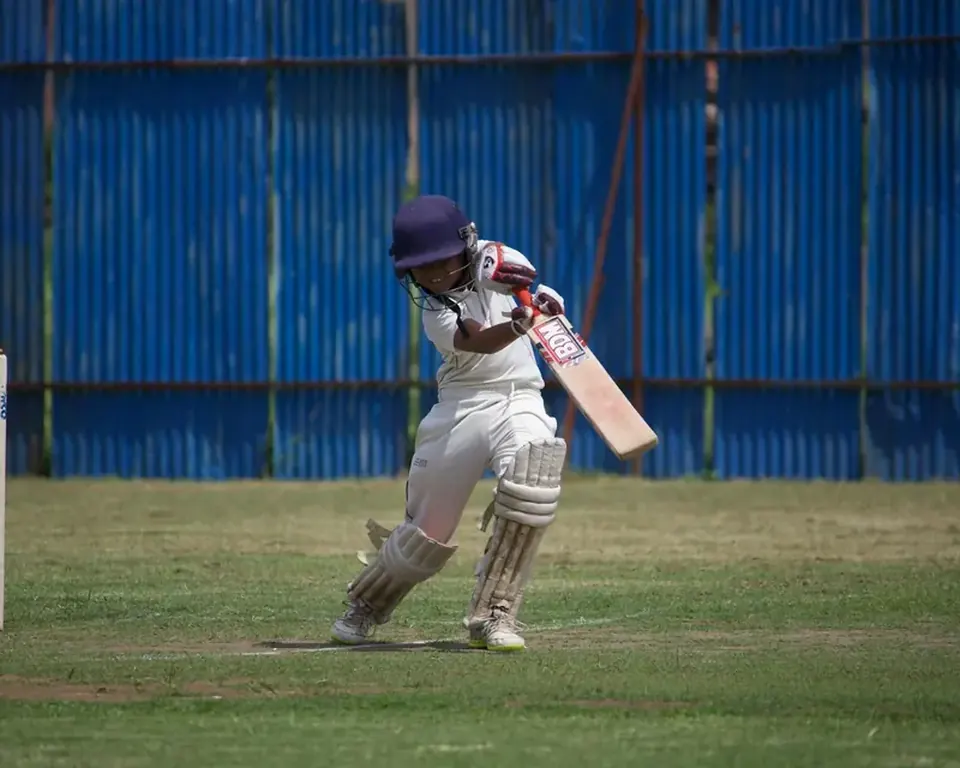
So your kid has been chucking a ball at the back fence, watching the Big Bash League on TV, and now they're dead keen to get into junior cricket. Or maybe you're a coach or volunteer looking to help the next generation of Aussie cricketers find their feet. Either way, you've landed in the right spot.
Getting involved in junior cricket competitions in Australia can feel a bit like facing a fast bowler on a lively pitch—daunting if you don't know what's coming. But once you've got the basics sorted, it's one of the most rewarding experiences for kids, parents, and clubs alike.
This checklist will walk you through everything you need to know about junior cricket competitions across the country. From finding the right program to making sure your young gun has the gear and attitude to thrive, we've got you covered.
By the time you finish reading, you'll have a clear, step-by-step plan to get your junior cricketer onto the field and enjoying the game—whether they dream of playing at a major ground or just want to have a crack with mates on a Saturday morning.
What You'll Need Before You Start
Before we dive into the steps, let's get the basics sorted. Here's what you'll typically need:
- A child aged 5–17 who's interested in cricket (no, that's not a joke—some competitions start as young as 5)
- Access to a local club or association (most suburbs and towns have one)
- Basic cricket gear (we'll cover specifics later)
- Registration fees (usually $50–$200 per season, depending on the competition)
- Time commitment (usually one training session and one game per week)
- A positive attitude (for both the kid and the parent—trust me on this one)
Step 1: Understand the Junior Cricket Landscape
Junior cricket in Australia isn't a one-size-fits-all deal. Cricket Australia runs a structured pathway that starts with entry-level programs and builds up to representative cricket. Here's the general flow:
Entry-Level Programs (Ages 5–10)
- Kanga Cricket – The classic starter program. Modified rules, soft balls, and heaps of fun. Think of it as the junior footy equivalent of Auskick.
- Junior Blast – The modern entry point. Run by clubs and associations, it's all about getting kids active and enjoying the game without the pressure of full competition.
- In2Cricket – Another program that focuses on skill development in a fun, non-competitive environment.
Club Cricket (Ages 8–17)
- Junior Club Competitions – These are the bread and butter. Kids play for local clubs in age-group divisions, usually on Saturday mornings.
- Modified Formats – Younger age groups use plastic bats, softer balls, and smaller grounds. As kids get older, they transition to proper equipment and full rules.
Representative Cricket (Ages 12+)
- District or Association Teams – Talented players can be selected for representative sides that play against other regions.
- State Age Championships – The next step up, where the best juniors from each state compete.
- Underage National Championships – The cream of the crop. This is where future stars first made their mark.
Step 2: Find the Right Competition for Your Child
Not all junior cricket competitions are created equal. What works for a 7-year-old in Sydney might not suit a 14-year-old in Perth. Here's how to find the right fit:
Check Your Local Club or Association
Most clubs have junior programs, and they're usually the best starting point. Visit their website or give them a call. Ask about:- Age groups available
- Training days and times
- Season length (usually October to March)
- Fees and what's included
- Modified rules for younger age groups
Look at the Competition Structure
Some associations run:- Weekend competitions – The standard format. One game per week, usually Saturday mornings.
- Midweek competitions – Less common, but some areas have after-school programs.
- Carnivals and Blast days – One-off events where kids play multiple short games in a day. Great for building confidence.
Consider Your Child's Experience Level
- Beginners – Look for programs that use modified equipment and focus on participation over results.
- Intermediate – Standard club competition is perfect. Kids get regular games and develop their skills.
- Advanced – If your child is showing real talent, talk to the club about representative pathways.
Step 3: Get the Right Gear
You don't need to spend a fortune, but you do need the basics. Here's what your junior cricketer will need, depending on their age and competition level:
Essential Gear for All Ages
- Cricket bat – Get the right size. The bat should come up to the top of their hip when standing upright. Don't buy a bat they'll "grow into"—it'll be too heavy and affect their technique.
- Pads – Again, size matters. They should fit snugly from ankle to just above the knee.
- Gloves – Should fit comfortably without being too loose. Check the fingers aren't too long.
- Helmet – Non-negotiable for batters and close-in fielders. Make sure it meets Australian safety standards.
- Box (protective cup) – Yes, it's awkward. Yes, it's essential. Get them used to wearing it from day one.
- Cricket shoes – Spiked or rubber-soled, depending on the surface. For juniors, rubber soles are usually fine.
- Club uniform – Most clubs provide a playing shirt. You'll need white trousers or shorts.
Nice-to-Have Gear
- Thigh pad – Not essential for juniors, but useful for older kids who bat higher up the order.
- Arm guard – For the brave (or foolish) kids who like to take on fast bowling.
- Batting inners – Thin gloves worn under batting gloves. Helps with grip and comfort.
- Cricket bag – To carry all the above. A basic kit bag will do.
Step 4: Register and Pay Fees
Once you've found the right competition, it's time to get official. Here's what the registration process usually looks like:
Online Registration
Most junior cricket competitions use an online registration platform. You'll need to:- Create an account (or log in if you already have one)
- Find your local club or association
- Select the right age group and program
- Enter your child's details (name, DOB, medical info)
- Pay the registration fee
Fees Explained
- Club fees – Usually $50–$150 for entry-level programs, $100–$200 for club competitions
- Association fees – Some associations charge an additional fee (usually included in the club fee)
- Insurance – All registered players are covered by Cricket Australia's insurance policy
What You Get
Registration typically includes:- Weekly training sessions
- Regular games
- Access to club facilities
- Insurance coverage
- A club shirt (sometimes)
Step 5: Prepare for the Season
Your kid is registered, they've got gear, and the season is about to start. Now what?
Attend Pre-Season Training
Most clubs run pre-season sessions in September and October. These are usually:- Skill-based – Throwing, catching, batting drills
- Fitness-focused – Running, agility work (but age-appropriate, not boot camp)
- Social – A chance for kids to meet their teammates and coaches
Set Expectations
Talk to your child about what to expect:- They won't be a star overnight. It takes time.
- They'll make mistakes. That's normal.
- The goal is to have fun and improve, not to win every game.
Organise Transport and Schedules
Junior cricket is a commitment. Make sure you know:- Training days and times
- Game days (usually Saturday mornings)
- Ground locations
- Who's driving and when
Get the Right Nutrition and Hydration
- Water – Essential, especially in the Australian summer
- Snacks – Fruit, muesli bars, sandwiches. Avoid heavy, greasy food before games.
- Sun protection – Hat, sunscreen, and a long-sleeve shirt if possible
Step 6: Understand the Rules and Format
Junior cricket rules are modified to suit different age groups. Here's what you need to know:
Modified Rules for Younger Ages (5–10)
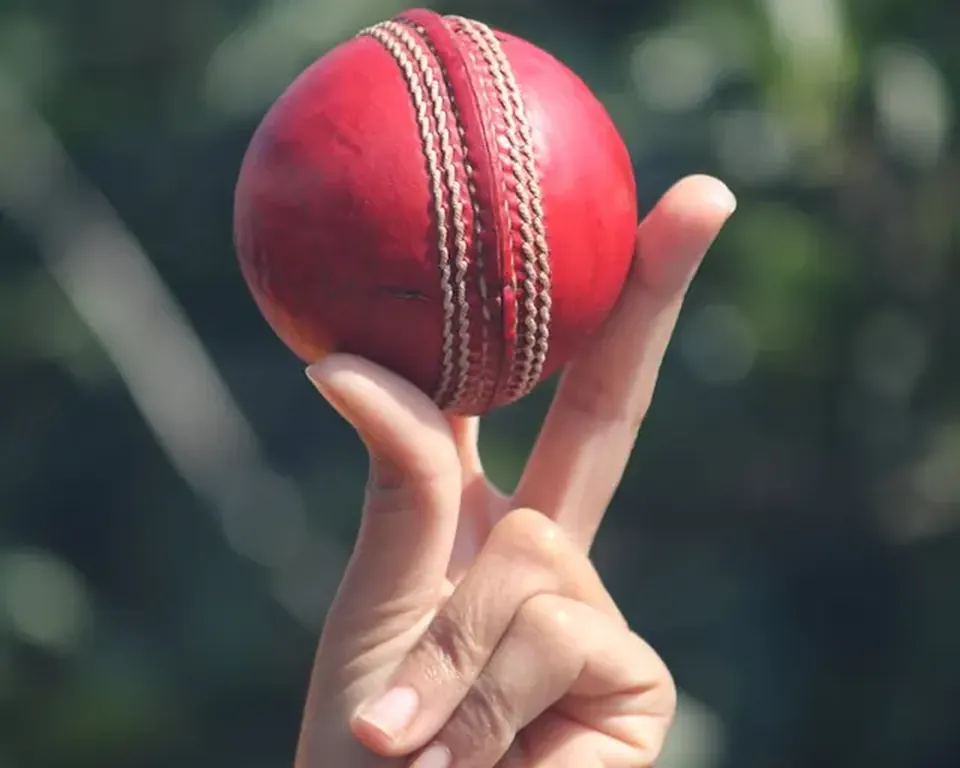
- Soft balls – Red or pink soft balls are used to reduce injury risk
- Smaller grounds – Pitches are shorter, boundaries are closer
- Plastic bats – For the youngest age groups
- No LBW – LBW is usually not given until under-12s or under-14s
- Limited overs – Games are shorter, often 10–20 overs per side
- Everyone bats and bowls – Participation is the priority
Standard Rules for Older Juniors (11–17)
- Hard balls – From under-12s or under-14s, depending on the association
- Full-sized pitches – Or slightly shorter for younger age groups
- LBW applies – From under-12s or under-14s
- Full overs – Usually 30–50 overs per side, depending on age group
- Fielding restrictions – Powerplays and fielding circles apply in some competitions
Scoring and Results
- Wins and losses – Counted in most competitions from under-10s onwards
- Ladders and finals – Most competitions have finals series for older age groups
- Sportsmanship points – Some competitions award points for good behaviour
Step 7: Support Your Junior Cricketer (Without Being That Parent)
This is the most important step. How you support your child will shape their experience of junior cricket.
Do This:
- Praise effort, not results – "Great try!" is better than "Why didn't you catch that?"
- Be positive on the sidelines – Cheer for both teams. Yes, both teams.
- Let the coach coach – Unless you're the coach, keep your advice to yourself during games.
- Encourage resilience – Cricket involves failure. A duck is a learning opportunity.
- Celebrate the small wins – A good throw, a well-timed single, a caught behind.
Don't Do This:
- Yell at umpires – They're volunteers. They're doing their best.
- Criticise your child's performance – They know when they've made a mistake. They don't need you to point it out.
- Compare them to other kids – Every child develops at their own pace.
- Force them to play – If they're not enjoying it, talk to them about why. Maybe a different format or club would suit them better.
Step 8: Look Beyond the Season
Junior cricket doesn't end when the season does. Here's how to keep the momentum going:
Off-Season Development
- Skills training – Many clubs run off-season programs. Look for local training options in your area.
- Conditioning work – Age-appropriate fitness can help prevent injuries and improve performance.
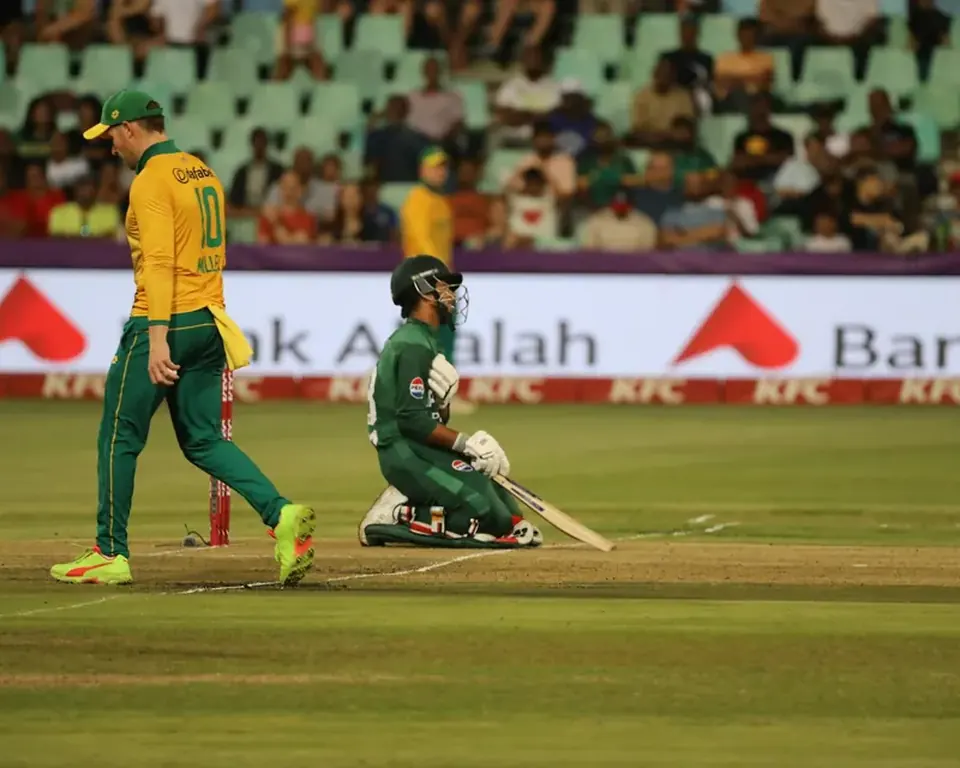
- Watching cricket – Take them to a local match or a professional game. Let them see the game at a higher level.
- Playing other sports – Cross-training is great for development. Footy, soccer, basketball—all help with hand-eye coordination and athleticism.
Pathway Opportunities
- Representative trials – If your child is showing talent, ask about trials for district or state teams.
- Cricket camps – Many state associations run holiday camps.
- School cricket – Encourage them to play for their school team as well.
Staying Connected
- Join the club's social media – Stay up to date with events and announcements.
- Volunteer – Clubs always need help. Scorekeeping, umpiring, canteen duty—every bit counts.
- Attend club functions – Junior cricket is as much about community as it is about cricket.
Pro Tips for Parents and Coaches
For Parents:
- Start early – Get your child into a program at age 5 or 6. The earlier they start, the more time they have to develop.
- Be patient – Some kids take to cricket immediately. Others need a few seasons to find their groove.
- Don't overschedule – One sport per season is plenty for most kids.
- Talk to the coach – If you have concerns, raise them respectfully. Don't gossip with other parents.
For Coaches:
- Focus on fundamentals – Catching, throwing, batting stance, bowling action. Get the basics right.
- Make it fun – Drills should be engaging. Use games and challenges.
- Rotate positions – Don't pigeonhole kids. Let everyone have a go at batting, bowling, and fielding.
- Communicate with parents – Let them know what you're working on and how they can help.
Common Mistakes to Avoid:
- Buying gear that's too big – It affects technique and safety.
- Pushing too hard too early – Burnout is real in junior sport.
- Ignoring the fun factor – If it's not fun, kids will quit.
- Forgetting about other sports – Specialising too early can lead to overuse injuries.
Checklist Summary: Getting Your Junior Cricketer Started
Use this checklist to make sure you've covered everything:
- Understand the junior cricket pathway (Entry-Level Programs → Club Cricket → Representative Cricket)
- Find a local club or association that suits your child's age and experience level
- Get the right-sized gear (bat, pads, gloves, helmet, box, shoes)
- Register online and pay fees early
- Attend pre-season training and meet the team
- Set realistic expectations with your child about the season
- Organise transport, schedules, and nutrition
- Learn the modified rules for your child's age group
- Support your child positively on and off the field
- Look beyond the season for off-season development opportunities
- Consider volunteering at the club
- Keep it fun above all else
Junior cricket in Australia is more than just a sport—it's a community. From the local club on a Saturday morning to the big grounds, the game has a way of bringing people together.
Whether your child ends up playing representative cricket, or just enjoying a game with mates on the weekend, the foundation is the same: a positive, supportive introduction to the sport.
So get out there, find a club, and give it a crack. You might just be watching a future star in the making. Or better yet, you might just be watching a kid having the time of their life.
And really, that's what it's all about.
Looking for more on junior cricket? Check out local club resources and state association websites for guides on pathways, training, and development opportunities to keep your young gun developing all year round.
Reader Comments (0)