

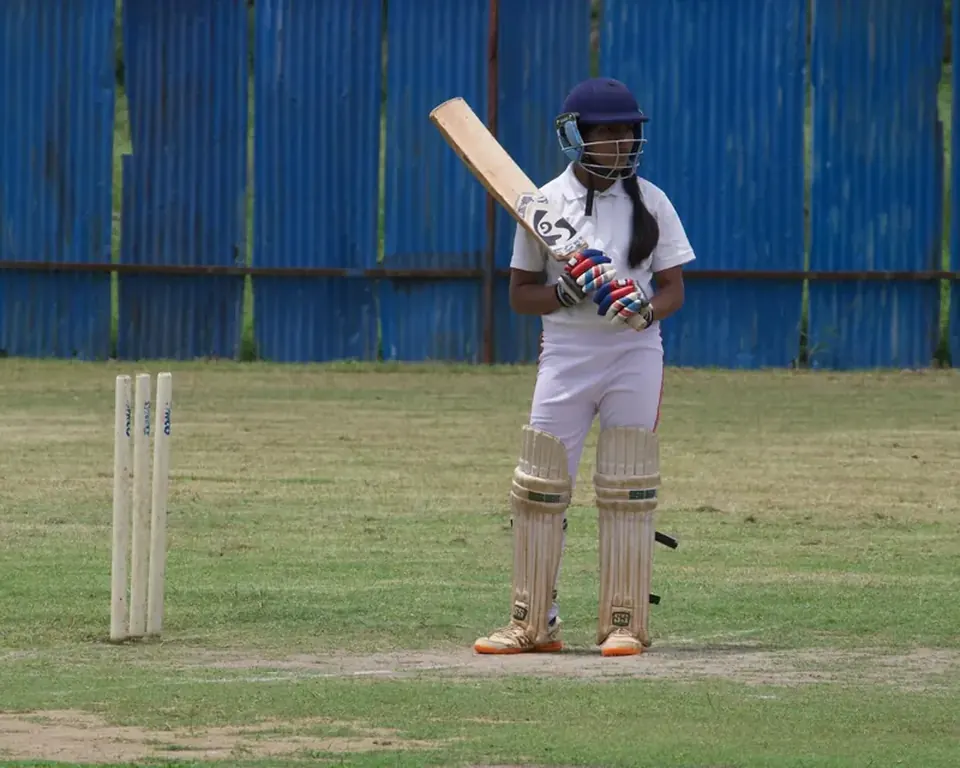
So you want to get properly across Australia's T20 international scene? Smart move. The shortest format has become a genuine powerhouse in Australian cricket, and whether you're a die-hard footy fan looking to branch out, a grassroots player wanting to understand the pathway, or a parent trying to keep up with your kid's new obsession, this checklist will have you covered.
Let's cut through the noise. T20 Internationals (or T20Is, as the cool kids call them) are Australia's fast-and-furious matches against other nations. They're not the Big Bash League (BBL) – that's domestic club stuff – and they're not the ODI World Cup. These are the international blockbusters where players pull on the coloured kit and represent Australia on the world stage.
By the end of this guide, you'll know exactly how to follow, understand, and even plan your viewing or attending of Australia's T20I matches and series. Let's get into it.
What You'll Need Before We Start
Before we dive into the step-by-step, here's what you should have handy:
- A device with internet access – phone, tablet, or laptop. You'll be checking schedules, scores, and news.
- A basic understanding of cricket rules – if you know what a six, wicket, and over are, you're golden. If not, a quick YouTube search will sort you out in five minutes.
- A preferred streaming service or TV channel – in Australia, that's usually Kayo Sports, Foxtel, or Channel 7 for free-to-air matches. Check what's available in your region.
- Notebook or notes app – optional, but handy for jotting down series dates, player updates, and key match details.
- A mate who's also keen – trust me, watching T20Is is better with someone to high-five when a fast bowler cleans up the opposition's top order.
Step 1: Know the T20I Calendar – When Are Australia Playing?
The first step to being a proper T20I follower is knowing when matches are happening. Australia's T20I schedule isn't as fixed as Test series or the Ashes, but there are patterns.
What to look for:
- Summer season (October to February): This is prime time. Australia typically hosts T20I series against touring nations. You'll see matches at the Melbourne Cricket Ground (MCG), Sydney Cricket Ground (SCG), and the WACA Ground (WACA) in Perth. These are often part of a multi-format tour that includes Test series and ODIs.
- Post-BBL window (February-March): After the Big Bash League wraps up, Australia might squeeze in a quick T20I series before other international commitments.
- ICC Men's T20 World Cup years: Every two years, the T20 World Cup takes centre stage. Australia's matches in that tournament are the biggest T20Is of all. Keep an eye on qualification and group stage draws.
- Away tours: Australia plays T20Is overseas too – in India, England, South Africa, and elsewhere. These are often part of bilateral series.
- Bookmark Cricket Australia's official website (cricket.com.au) – they publish the full international schedule.
- Follow CA's social media channels for announcements.
- Set calendar reminders for series announcements – they usually drop a few months in advance.
Step 2: Understand the Series Format – It's Not Just One Match
T20I series aren't always a one-off hit. Here's how they typically work:
- Multi-match series: Most bilateral T20I series between Australia and another nation are three matches. Sometimes it's two, occasionally five. The team that wins the most matches takes the series.
- Part of a tour: A touring team might play a T20I series, then an ODI series, then Test matches. For example, India's tour of Australia often includes T20Is, ODIs, and the Border-Gavaskar Trophy Test series. The T20Is are the appetiser – fast, loud, and over in three hours.
- World Cup group stage: In the ICC Men's T20 World Cup, teams play a round-robin group stage, then knockout finals. Australia's matches in the group stage are all T20Is.
- If you're planning to attend, check whether it's a standalone T20I series or part of a larger tour. Tickets for standalone series are usually easier to get.
- For TV viewing, know that T20Is are short – about three hours. You can watch a whole match in the time it takes to watch one footy quarter (well, almost).
Step 3: Meet the Squad – Who's Playing for Australia?
This is where it gets exciting. Australia's T20I squad is a mix of seasoned stars and rising talent. Here's who you'll likely see:
- Pat Cummins: Australia's Test and ODI captain, but he's a gun in T20Is too. Expect express pace and clever changes of pace. He's not always in every T20I series due to workload management, but when he plays, he's a game-changer.
- Steve Smith: The master technician. He's adapted his game brilliantly to T20s – he's not just a Test batter. Watch for his unorthodox shots and calm presence under pressure.
- David Warner: The explosive opener. When Warner fires, Australia wins. He's a T20I legend with a strike rate that'll make your eyes water. He's also a key leader in the squad.
- Other regulars: Mitchell Starc (left-arm express), Josh Hazlewood (metronomic accuracy), Glenn Maxwell (the Big Show – he can win a match in 20 balls), and Alex Carey (wicketkeeper-batter). Plus, young guns like Cameron Green, Josh Inglis, and Spencer Johnson are breaking through.
- Cricket Australia announces squads for each series about two weeks before the first match.
- Check for "Squad announcement" articles on cricket.com.au.
- Follow CA's official social media – they post squad graphics.
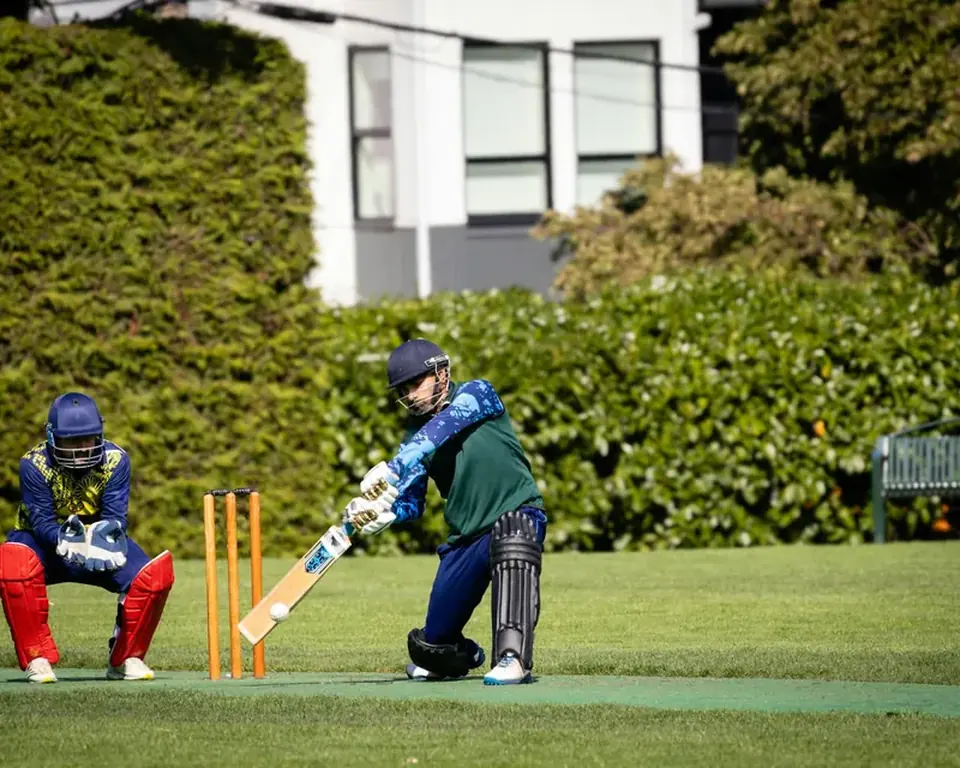
Common mistake: Thinking the Ashes squad is the same as the T20I squad. It's not. The Ashes is Test cricket (red ball, five days, whites). T20Is are completely different – different players, different strategies, different vibe.
Step 4: Watch the Match – What to Look For
You've got the schedule, you know the squad, now it's time to watch. Here's how to get the most out of a T20I:
Before the match:
- Check the venue. The MCG is massive – boundaries are long, so big sixes are harder. The SCG is smaller, favouring batters. The WACA has pace and bounce. Each ground changes the game.
- Look at the weather. Rain can shorten matches (DLS method – don't stress, it's complicated, just know that rain changes target scores).
- See who won the toss. In T20Is, the toss is huge. Teams usually chase (bat second) because dew can make bowling harder later.
- Powerplay (first 6 overs): Only two fielders allowed outside the inner circle. Expect boundaries galore. If Australia loses early wickets here, it's trouble.
- Middle overs (7-15): Batters consolidate or accelerate. Spin bowlers often come on. Watch for Steve Smith's clever singles or Glenn Maxwell's reverse sweeps.
- Death overs (16-20): All-out attack. Pat Cummins or Mitchell Starc bowling yorkers. David Warner trying to clear the rope. This is where matches are won or lost.
- Fielding: T20I fielding is athletic and sharp. A dropped catch can cost 20 runs. Watch for run-outs – they're game-changers.
- Check player-of-the-match awards. They often highlight who performed best.
- Read match reports on cricket.com.au for analysis.
- Look at the series standings – who's leading?
Common mistake: Comparing T20Is to the Big Bash League (BBL). BBL is domestic – players are from different clubs, and the intensity is slightly lower. T20Is are international – the pressure is immense, and the quality is elite.
Step 5: Get Involved – Attend a Match or Join the Conversation
Watching on TV is great, but nothing beats being at the ground. Here's how to make it happen:
Attending a T20I at a major venue:
- Melbourne Cricket Ground (MCG): The 'G is iconic. T20I nights here are electric – 50,000+ fans, music, fireworks. Get tickets early – they sell fast.
- Sydney Cricket Ground (SCG): More intimate than the MCG but with serious history. The SCG Trust runs ticket sales.
- WACA Ground (WACA): The old Perth ground is a fast-bowler's paradise. It's smaller now after renovations, but the atmosphere is still top-notch.
- Go to Ticketek or Ticketmaster (depending on the venue).
- Set alerts for when tickets go on sale – usually 4-6 weeks before the match.
- Consider membership with Cricket Australia or your state association for priority access.
- Follow Cricket Australia on social media.
- Join fan groups on Reddit (r/Cricket) or Facebook.
- Use hashtags like #AUSvIND or #T20WorldCup during matches.
- Talk to mates at your local footy club or cricket club – T20Is are a great conversation starter.
Common mistake: Assuming you can just rock up on the day. Big matches sell out. Always buy in advance.
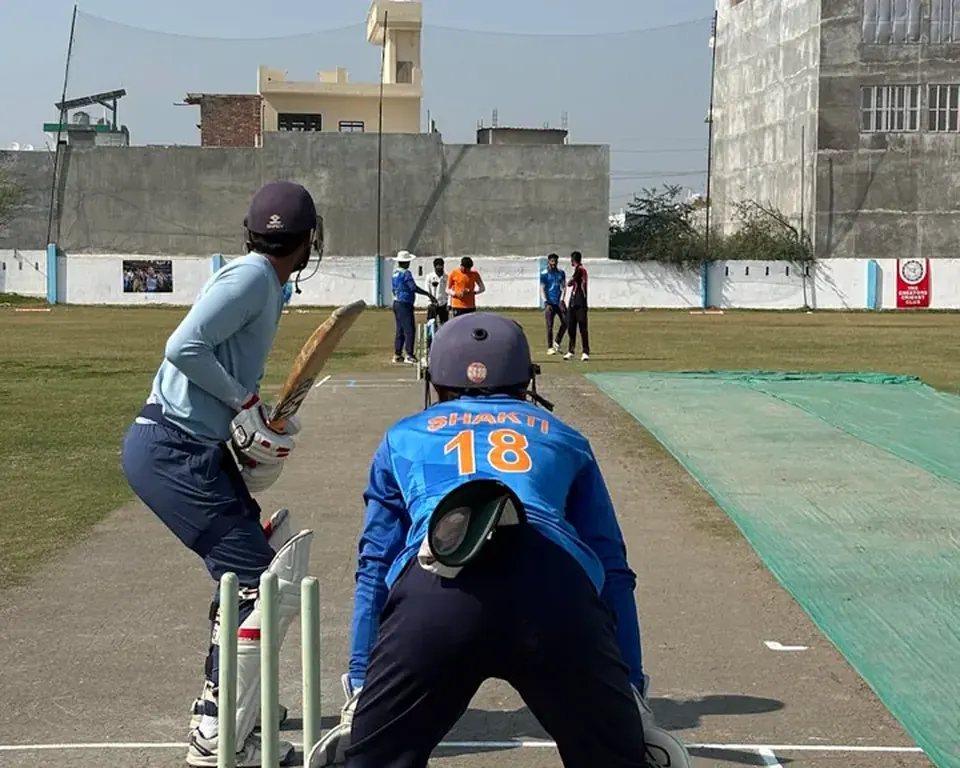
Step 6: Follow the Bigger Picture – T20Is and the Pathway
T20Is aren't just standalone entertainment. They're part of a bigger system. Here's how they connect:
- Pathway to the ICC Men's T20 World Cup: Australia's T20I series are often seen as preparation for the World Cup. Performances in bilateral series build squad depth and form.
- Player contracts: Cricket Australia's central contracts include T20I payments. Players earn part of their income from T20Is. Check out our article on cricket-australia-contracts for more.
- Domestic feeder system: The Big Bash League (BBL) and Women's Big Bash League (WBBL) are generally considered pathways where future T20I stars are developed. If you're a grassroots player, BBL is your pathway.
- Sheffield Shield connection: Wait, Sheffield Shield is red-ball cricket. But many T20I players also play Shield cricket to maintain their technique. It's all connected.
- If you're a young player, focus on your local club cricket. Dominate there, and you might get noticed for BBL or state teams.
- If you're a fan, understanding the pathway makes watching T20Is more meaningful. You're not just seeing a match – you're seeing the result of years of development.
Pro Tips & Common Mistakes to Avoid
Pro tips:
- Watch the toss live. It sets the tone for the whole match.
- Learn the DLS method basics. It's not as scary as it sounds – just know that rain-affected matches have adjusted targets.
- Follow players on social media. Many players post behind-the-scenes content that adds context.
- Keep a scorecard app handy. ESPNcricinfo or the official CA app give real-time updates.
- Plan for day-night matches. T20Is are often evening games – bring a jacket, even in summer.
- Confusing T20Is with ODI World Cup matches. They're different formats. ODIs are 50 overs per side; T20Is are 20 overs. Check our article on /odi-world-cup-australia for the ODI side of things.
- Assuming Australia's best Test XI is their best T20I XI. It's not. Players like Marnus Labuschagne are Test stars but don't always make the T20I squad.
- Forgetting about the Women's team. Australia's women's T20I side has a strong record – they've won multiple T20 World Cups. Don't sleep on the WBBL or women's internationals.
- Betting on matches. Don't do it. It's risky, and it takes the fun out of the game. Enjoy the cricket for what it is.
Your T20I Australia Checklist
Here's a quick bullet-point summary of everything you need to do to become a T20I expert:
- Check the T20I calendar – find Australia's upcoming series on cricket.com.au
- Understand the series format – is it a bilateral series or a World Cup group stage?
- Know the squad – follow Cricket Australia for squad announcements
- Learn the key players – Pat Cummins, Steve Smith, David Warner, and the rising stars
- Pick your viewing method – TV, streaming, or live at the MCG, SCG, or WACA
- Watch with purpose – focus on powerplay, middle overs, and death overs
- Attend a match – buy tickets early and soak up the atmosphere
- Join the conversation – follow CA on social media and talk to fellow fans
- Understand the pathway – see how T20Is connect to BBL, WBBL, and the T20 World Cup
- Avoid common mistakes – don't confuse formats, and don't bet on matches
- Explore related content – check out our articles on /clubs-competitions, /odi-world-cup-australia, and /cricket-australia-contracts for deeper dives
And there you have it – your complete checklist for following Australia's T20 international matches and series. Whether you're a footy fan looking for a summer fix, a grassroots player dreaming of the big stage, or a parent trying to keep up with your kid's cricket obsession, this guide has you covered.
Remember, T20Is are about speed, excitement, and moments of brilliance. They're the cricket equivalent of a footy grand final – every ball matters, and anything can happen. So grab your mates, fire up the stream, or head to the 'G, and enjoy the ride.
See you at the cricket.
Reader Comments (0)