


So you want to know who's actually playing well in Australian cricket right now—not just who has the biggest name or the flashiest highlight reel. Whether you're a grassroots player trying to model your game on the best, a coach looking for intel on opposition players, or just a fan who wants to sound informed at the pub, tracking player form is the secret weapon.
Here's the thing: form is fickle. A player can smash a century one week and nick off for a duck the next. But if you know what to look for, you can spot the trends before they become headlines. This checklist will turn you into your own selector, giving you a practical system to track recent performances across the Ashes, Test series, Big Bash League, and beyond.
By the end of this, you'll have a repeatable process to monitor any player in Australian cricket—from Pat Cummins to the next Sheffield Shield bolter—and make informed calls on who's hot, who's not, and who's due.
Prerequisites / What You Need
Before we dive in, here's what you'll need to get the most out of this tracker:
- A notebook or digital document – You'll be recording observations, not just scores. A spreadsheet works a treat if you're organised.
- Access to match replays or highlights – Stats don't tell the whole story. You need to see how a player got out, how they scored their runs, and how they moved in the field.
- A cricket stats website or app – ESPNcricinfo, Cricket Australia's website, or the official BBL/WBBL app will give you the raw numbers.
- Patience – Form tracking works over weeks and months, not one innings. Don't jump to conclusions after a single failure.
- A basic understanding of formats – A player's form in the Big Bash League doesn't always translate to Test cricket, and vice versa. Know the difference.
Step 1: Set Your Scope – Which Players and Which Formats?
You can't track everyone. Australian cricket has dozens of players across the Ashes, Test series, Sheffield Shield, Big Bash League, Women's Big Bash League, and the ICC Men's T20 World Cup. Trying to follow them all will drive you mad.
Start by defining your focus:
- If you're a grassroots player, track players in your position or with a similar style. A fast bowler like Pat Cummins might be your benchmark; a batter like Steve Smith might be someone you study for technique.
- If you're a coach, track players your team will face in upcoming fixtures, or players in the same age group or competition level.
- If you're a fan, pick a handful of players you're curious about—maybe a veteran like David Warner whose form is being debated, or a young gun coming through the Sheffield Shield.
Pro tip: Don't just track superstars. Track the fringe players, the ones pushing for selection. That's where the real insight lives—and where you'll spot the next big thing before the media does.
Step 2: Collect the Raw Numbers – But Don't Stop There
Every form tracker starts with the basics. For each player on your list, record these stats from their last 5-10 innings (or matches, for bowlers):
- For batters: Runs scored, balls faced, strike rate, how they got out (caught, bowled, LBW, run out), and the quality of the bowling they faced.
- For bowlers: Wickets taken, overs bowled, economy rate, average, and the conditions (pitch type, weather, opposition strength).
- For all-rounders: Do both.
That's why you need to move to the next step.

Pro tip: Use a simple colour-coding system in your notes. Green = good performance, yellow = average, red = poor. After a few matches, the pattern becomes obvious at a glance.
Step 3: Watch the Footage – Technique, Tempo, and Temperament
This is where the real form tracking happens. Set aside 15-20 minutes per player to watch their recent innings or bowling spells. You're looking for three things:
Technique
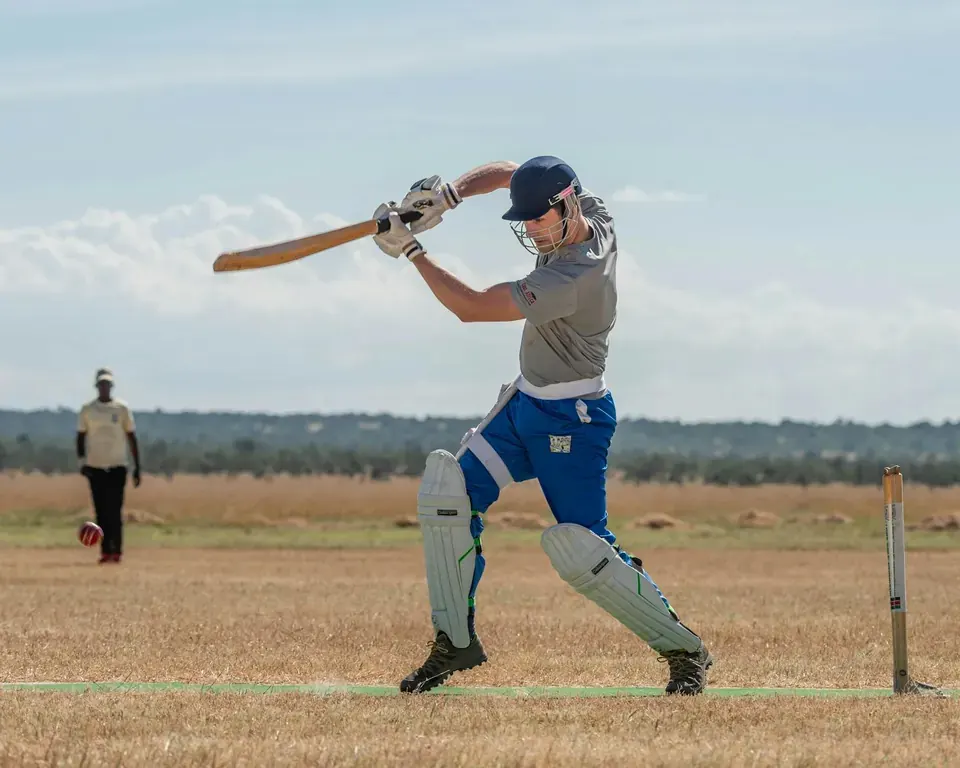
- For batters: Is their head still? Are they getting into good positions? Are they playing late or reaching? Watch their feet—are they moving to the pitch of the ball, or are they stuck in the crease?
- For bowlers: Is their run-up smooth? Are they hitting the crease consistently? Is the ball coming out of the hand nicely, or are they spraying it?
Tempo
- For batters: Are they scoring freely or struggling to rotate strike? Are they taking singles early to get off the mark, or are they defending everything?
- For bowlers: Are they building pressure with dot balls, or leaking boundaries? Are they bowling in partnerships with the other end?
Temperament
- For batters: How are they handling pressure? Are they getting frustrated and playing a bad shot, or are they grinding through a tough period?
- For bowlers: Are they sticking to their plans, or changing tactics every ball? Are they celebrating wickets or looking flat?
Pro tip: Watch the first 10 balls of a batter's innings. That's usually where form (or lack of it) shows up most clearly. A confident player will be decisive; a struggling one will be tentative.
Step 4: Contextualise – Conditions, Opposition, and Role
This is the step most people skip, and it's the one that separates a good form tracker from a great one.
A player's recent performances mean nothing without context. Ask yourself:
- What were the conditions? Was the pitch a green seamer at the WACA Ground, a flat deck at the Sydney Cricket Ground, or a turner at the Melbourne Cricket Ground? A fast bowler taking 5 wickets on a greentop is impressive, but taking 5 on a road is exceptional.
- Who was the opposition? Was the player facing a weak attack or a world-class bowling unit? A century against a depleted Sheffield Shield side is different from a century against Pat Cummins and the Australian attack.
- What was their role? Was the player batting at No. 3 or opening? Were they the main strike bowler or a support act? A player's form looks different depending on their role in the team.
Pro tip: Keep a "conditions" column in your tracker. Note the ground, the pitch type, the weather, and the opposition. After a few matches, you'll see patterns—like a player who always scores at the SCG but struggles at the WACA.
Step 5: Track the Trends – Look for Patterns Over Time
Now that you've got a few weeks of data, step back and look for patterns. This is where form tracking becomes predictive.
Questions to ask:
- Are they improving or declining? Look at the last 5 innings compared to the 5 before that. Is the trend line going up, down, or flat?
- Are they getting the same dismissals? If a batter keeps getting caught in the slips fishing outside off, that's a weakness that's being exploited. If a bowler keeps going for runs in the same area, they need to adjust.
- Are they carrying form between formats? A player who dominates the Big Bash League might struggle in Test cricket because the demands are different. But a player who's scoring runs in the Sheffield Shield is usually a good bet for the Test side.
Pro tip: After every 10 matches or so, write a one-paragraph summary of each player's form. What's working? What's not? What's the outlook? This forces you to synthesise all the data into a clear picture.
Step 6: Make a Call – Hot, Cold, or Due?
This is the fun part. Based on your tracking, decide where each player stands:
- Hot: They're scoring runs or taking wickets consistently, their technique looks solid, and they're handling pressure well. Back them to continue.
- Cold: They're struggling for runs or wickets, their technique has obvious flaws, and they look frustrated. Expect them to be dropped or to need a break.
- Due: They're getting starts but not converting, or they're bowling well without luck. The law of averages suggests a big score or a bag of wickets is coming.
Pro tip: Share your calls with a mate or a fellow coach. Explaining your reasoning out loud helps you refine your thinking—and it's more fun than keeping it to yourself.
Pro Tips / Common Mistakes
Pro Tips
- Use the "three-in-a-row" rule: If a player has three good performances in a row, they're in form. Three bad ones? They're out of form. Simple as that.
- Watch the warm-ups: A player's body language in the warm-up often predicts their performance. If Pat Cummins is bouncing in and looking sharp, he'll probably bowl well. If he's sluggish, watch out.
- Track the support staff: A player who's working with a new coach or changing their training routine might take a few matches to settle. Give them time.
- Don't forget the Women's Big Bash League: The WBBL is a goldmine of form data, especially for the next generation of Australian talent. Keep an eye on it.
Common Mistakes
- Overreacting to one innings: A single failure doesn't mean a player is out of form. A single century doesn't mean they've turned a corner. Look at the trend, not the outlier.
- Ignoring the format: A player who's smashing it in the Big Bash League might not be the right pick for a Test series. Know the difference.
- Relying only on stats: Stats are a starting point, not the whole story. You need to watch the footage to understand the context.
- Confirmation bias: If you already think a player is good, you'll overlook their bad performances. Be honest with yourself. The numbers don't lie.
Checklist Summary
Here's your quick-reference checklist for tracking Australian player form:
- Set your scope: Choose 5-10 players and the formats you'll track (Ashes, Test series, Big Bash League, Sheffield Shield, WBBL, etc.)
- Collect raw numbers: Record runs, wickets, strike rates, and dismissals for the last 5-10 innings or matches
- Watch the footage: Analyse technique, tempo, and temperament for each player
- Contextualise: Note conditions, opposition strength, and the player's role in the team
- Track trends: Look for patterns over time—improving, declining, or repeating the same mistakes
- Make a call: Decide if each player is hot, cold, or due for a turnaround
- Update regularly: Revisit your tracker every week or after each match, and adjust your calls based on new evidence
- Share your insights: Discuss your findings with other fans, coaches, or players to sharpen your analysis
Form tracking isn't just for selectors and journalists. It's for anyone who loves the game and wants to understand it better. Whether you're a grassroots player studying Steve Smith's technique, a coach planning for the next Sheffield Shield match, or a fan arguing about selection at the pub, this process gives you the tools to make informed calls.
And here's the best part: the more you do it, the better you get. After a few months, you'll start spotting form trends before anyone else. You'll know when a player is about to turn it around, when they're carrying an injury, or when they're simply out of luck.
So grab your notebook, fire up the highlights, and start tracking. The next Ashes series, the next Big Bash League season, the next ICC Men's T20 World Cup—they're all waiting for you to be the expert in the room.
Now get to it. There's form to track.
Reader Comments (0)