

For Australian rules football fans, the roar of a packed MCG on grand final day is the soundtrack of a nation. But behind every premiership moment, every soaring mark, and every perfectly weighted handball, there lies a foundation built long before the first centre bounce of the season. That foundation is grassroots development—the local clubs, junior competitions, and community programs that nurture talent from the first kick to the final siren.
Just as the AFL invests heavily in its grassroots structures, Cricket Australia (CA) has committed substantial resources to ensure the next generation of cricketers can follow in the footsteps of legends like Pat Cummins, Steve Smith, and David Warner. Understanding how CA allocates its funding—from suburban ovals to the hallowed turf of the Melbourne Cricket Ground—offers valuable insights for anyone passionate about the health of Australian sport.
This pillar guide explores the mechanics of Cricket Australia funding, the priorities driving development programs, and how these investments shape the future of the sport from the Sheffield Shield to the Big Bash League.
The Funding Landscape: Where Does the Money Come From?
Cricket Australia operates within a complex financial ecosystem. Unlike the AFL, which derives significant revenue from broadcast rights and match-day attendances for its primary competition, CA must balance international commitments, domestic leagues, and grassroots obligations across a fragmented calendar.
Revenue Streams
CA's funding model relies on several key pillars:
- Broadcast rights: The largest single revenue source, with deals covering international Test series, the Big Bash League, and the Women's Big Bash League
- International cricket revenue: Touring teams bring substantial income through bilateral series, particularly marquee events like The Ashes and the Border-Gavaskar Trophy
- Sponsorship and partnerships: Corporate agreements with major Australian and global brands
- Government grants: Federal and state funding for infrastructure and participation programs
- ICC distributions: Revenue sharing from ICC events, including the ICC Men's T20 World Cup
- Member contributions: Funding from state cricket associations
The Distribution Model
CA distributes funding through a federated model, working with state and territory associations to ensure resources reach local communities. This mirrors the AFL's approach, where the league provides funding to state bodies that then allocate resources to regional and junior competitions.
The key difference lies in scale and structure. While the AFL operates a single dominant professional competition, CA must support multiple formats—Test cricket, one-day internationals, T20 cricket through the BBL and WBBL, and the domestic Sheffield Shield competition—each with distinct revenue profiles and development pathways.
Grassroots Investment: Building from the Boundary
For the average footy fan who also follows cricket, grassroots funding is where the rubber meets the road. Just as your local AFL club relies on Auskick programs and volunteer coaches, cricket's future depends on participation at the community level.
Junior Cricket Programs
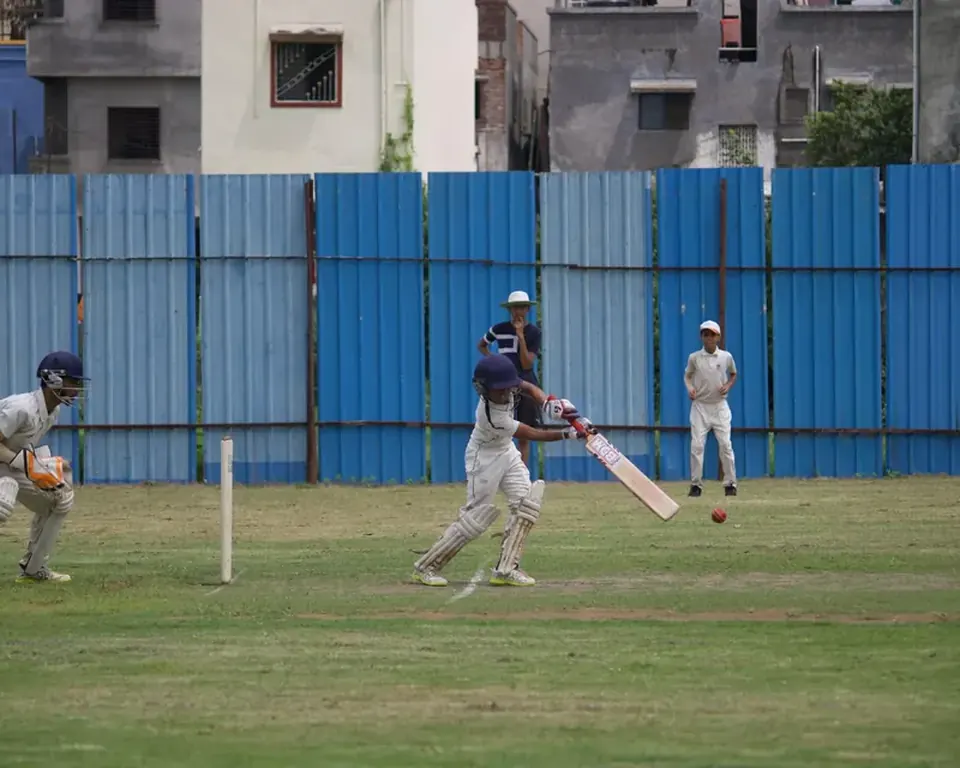
Cricket Australia's well-known grassroots initiative is the Cricket Blast program, designed for children aged 5-12. This program mirrors the AFL's NAB AFL Auskick in its philosophy—fun, inclusive, and skill-focused.
Key components of Cricket Blast funding include:
- Equipment grants: Providing bats, balls, and protective gear to schools and clubs
- Coach education: Training volunteers to deliver quality sessions
- Modified formats: Shortened games with softer balls to encourage participation
- Inclusion initiatives: Programs targeting girls, Indigenous communities, and culturally diverse populations
School Partnerships
CA invests heavily in school-based programs, recognising that many children first encounter cricket through physical education classes. The Cricket in Schools initiative provides:
- Curriculum-aligned resources for teachers
- Specialist coaching visits
- Equipment packs for school programs
- Pathways from school cricket to club cricket
Regional and Remote Programs
One of the most significant funding priorities is reaching communities outside major metropolitan centres. CA's Regional Cricket Development program targets:
- Rural and remote areas with limited access to facilities
- Indigenous communities through the Indigenous Cricket Program
- Multicultural communities through targeted engagement initiatives
Development Pathways: From Local Oval to International Stage
Just as the AFL has a clear pathway from junior footy through the draft to the AFLW and men's competition, Cricket Australia has structured development programs that guide talented players from grassroots to elite levels.

The Pathway Structure
The development pathway operates in distinct stages:
- Junior club cricket: Local competitions for ages 5-16
- School representative cricket: State and national school championships
- Underage state teams: Under-17 and Under-19 state squads
- State second XI: Development teams within state associations
- Sheffield Shield and WNCL: State-level professional cricket
- BBL and WBBL: Domestic T20 competitions
- Australian representative teams: Test, ODI, and T20 international sides
Talent Identification Programs
CA invests significant resources in talent identification through:
- National Championships: Underage tournaments that bring together the best young talent from across Australia
- Cricket Australia XI: A development team that plays against touring international sides
- Academy programs: Residential and non-residential programs at the National Cricket Centre in Brisbane
The Role of the Sheffield Shield
The Sheffield Shield is widely regarded as the premier pathway to Test cricket. CA's funding priorities reflect this, with substantial investment in:
- Match-day operations and broadcast quality
- Player payments and support staff
- Facility upgrades at venues like the WACA Ground and Sydney Cricket Ground
- Performance analysis and sports science resources
The Big Bash League and Women's Big Bash League: Commercial Engines for Development
The Big Bash League and Women's Big Bash League serve dual purposes: they generate significant revenue that funds grassroots programs, and they provide a high-profile platform for developing talent.
Revenue Generation
The Big Bash League is Cricket Australia's most commercially successful domestic product. Revenue from BBL broadcast rights, sponsorship, and match-day attendances flows back into:
- Grassroots participation programs
- State association funding
- Facility upgrades
- Player development pathways
Development Opportunities
Beyond revenue, the BBL and WBBL offer direct development benefits:
- Exposure to high-pressure environments: Young players share dressing rooms with international stars
- Performance pathways: Strong BBL/WBBL performances lead to state selection and international opportunities
- Coaching and mentorship: Access to elite coaching staff and support networks
- Financial incentives: Player payments that allow athletes to focus on cricket full-time
The Women's Game
The Women's Big Bash League has been particularly transformative. CA's investment in women's cricket has:
- Increased participation rates among girls and women
- Created professional pathways for female cricketers
- Raised the standard of the Australian women's team
- Generated new sponsorship and broadcast revenue
Facility Investment: Building the Stages for Success
Just as AFL clubs require training facilities, stadiums, and community ovals, cricket's development depends on quality infrastructure. CA's facility funding priorities include:
Major Venue Upgrades
- Melbourne Cricket Ground: Ongoing maintenance and improvement of the nation's premier cricket venue
- Sydney Cricket Ground: Upgrades to seating, lighting, and broadcast facilities
- WACA Ground: Redevelopment to maintain Test match standards
- Perth Stadium: Integration with Western Australian cricket operations
Community Facilities
CA provides grants for:
- Turf and synthetic wicket construction
- Practice net facilities
- Lighting for evening training and matches
- Clubroom upgrades
- Accessibility improvements
Indoor Training Centres
Investment in indoor facilities allows year-round development, particularly in regions with harsh winters or unpredictable weather. These centres are used by:
- State and national teams for preparation
- Development squads for skill work
- Community programs for school holiday clinics
Funding Allocation: Who Gets What?
Understanding how CA allocates its budget provides insight into the organisation's priorities. While exact figures vary year to year, the general allocation framework is:
State Association Funding
State associations receive funding based on:
- Participation numbers
- Performance metrics
- Infrastructure needs
- Population and geographic factors
Direct Grassroots Programs
A meaningful portion of CA's total budget is directed to grassroots and community programs, including:
- Junior cricket initiatives
- School programs
- Inclusion programs
- Coach and umpire development
Elite Programs
The majority of funding supports:
- International cricket operations
- State competition costs
- BBL and WBBL operations
- Player payments
- High-performance programs
Comparison with AFL Funding
For context, the AFL allocates a significant portion of its revenue to grassroots and community programs, with the remainder supporting the elite competition. Cricket Australia's allocation is broadly similar, though the structure differs due to the multi-format nature of the sport.
Challenges and Future Directions
No funding model is without challenges. Cricket Australia faces several ongoing issues:
Participation Trends
Like many sports, cricket faces competition from other activities for children's time and attention. CA has responded with:
- Modified formats like T10 and Super 8s
- Flexible scheduling options
- Digital engagement through apps and online resources
Financial Sustainability
The COVID-19 pandemic highlighted the fragility of sports funding models. CA has worked to:
- Diversify revenue streams
- Build reserve funds
- Develop contingency plans for future disruptions
Equity and Access
Ensuring equal access across gender, geography, and socioeconomic status remains a priority. CA's strategies include:
- Targeted funding for underrepresented groups
- Subsidised programs for low-income families
- Remote and regional development officers
Climate and Infrastructure
Extreme weather events and changing climate patterns affect cricket more than most sports. CA is investing in:
- Heat policy development
- Flood and fire resilience for facilities
- Synthetic wicket alternatives for drought-affected regions
How Fans Can Engage
For Australian rules football fans interested in cricket's development, there are several ways to engage:
Support Local Cricket
- Attend local club matches
- Volunteer as a coach or administrator
- Sponsor a junior player or team
Follow Development Pathways
- Watch Sheffield Shield and WNCL matches
- Follow state underage competitions
- Attend BBL and WBBL matches
Advocate for Investment
- Support local council funding for cricket facilities
- Encourage schools to participate in cricket programs
- Promote cricket in your community
Cricket Australia's funding model represents a comprehensive approach to sport development, balancing the needs of elite competition with the imperative to grow participation at the grassroots level. From the first junior player picking up a bat to the Test star walking onto the Melbourne Cricket Ground, every step of the journey is supported by strategic investment.
For fans of Australian rules football, understanding these structures offers a valuable perspective on how major Australian sports operate. The parallels between AFL and cricket development pathways are striking—both rely on community engagement, volunteer support, and strategic investment to sustain the pipeline of talent that fills our stadiums and captures our imagination.
Whether you're a cricket enthusiast or a footy fan curious about how the other half lives, the story of Cricket Australia's funding is ultimately a story about investment in the future. It's about ensuring that the next generation of Australian sports stars—whether they're taking a screamer at the MCG or scoring a century at the SCG—have the opportunity to chase their dreams.
Explore more about Australian cricket's structures and competitions:
This article is part of our ongoing series examining the structures that support Australian sport at every level.
Reader Comments (0)