


Here is the comprehensive pillar guide on the cricket bat knocking-in process, written in a conversational tone for the Australian cricket fan.
Cricket Bat Knocking In Process for New Bats
There is no feeling quite like it. You peel back the plastic wrap, catch a whiff of that fresh willow and linseed oil, and hold a brand-new cricket bat in your hands. It is a moment of pure promise. For the weekend club player or the backyard enthusiast dreaming of a ton at the local ground, that bat represents runs.
But here is the hard truth that separates the smart cricketer from the frustrated one: a brand-new bat is not ready to play. If you take a brand-new, un-knocked-in bat straight out to the nets and face a genuine pace bowler, you are almost certainly going to break it.
The knocking-in process is not a chore. It is a ritual. It is the single most important thing you can do to protect your investment and unlock the true performance of the willow. Whether you are preparing for a big match or just the local grand final, getting this right will save you money, heartache, and a trip to the repair shop.
Let’s walk through the entire process, step by step.
Why Knocking In Matters (The Science of Willow)
Before we grab the mallet, it helps to understand what is actually happening inside the bat. A cricket bat is made from English willow. It is a natural, fibrous material. When the bat is manufactured, the fibres are compressed and tight, but the surface of the blade is still relatively "closed."
Think of the bat’s face like a dry sponge. If you hit a hard cricket ball against that dry sponge, it will crack or dent. The knocking-in process is the act of gradually opening up those fibres, compressing them, and creating a "spring" or a "mattress" effect.
Top players rely on this compression to get the maximum ping off the bat. When you knock a bat in correctly, you are:
- Compressing the fibres: This creates a harder, more resilient surface.
- Mating the grains: You are bonding the layers of willow together so they don't separate.
- Removing the "sappy" moisture: A new bat can be a bit wet. Knocking it in helps dry it out and stabilise the wood.
Step 1: The Oiling Phase (Before the Mallet)
You should never start knocking a bat that is bone dry. The first step is to apply a light coat of raw linseed oil. This is a crucial part of the cricket bat knocking in process.
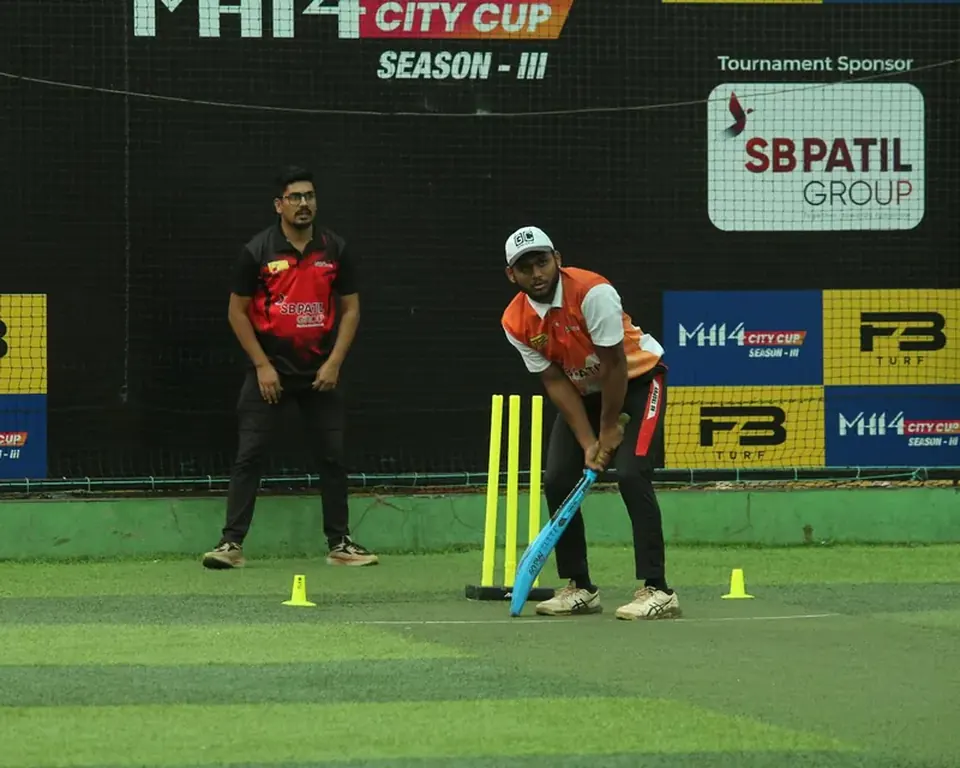
How to Oil
- Use raw linseed oil. Do not use boiled linseed oil or any other varnish.
- Apply sparingly. A little goes a long way. You just want to wipe a very thin layer over the face, the edges, and the toe of the bat.
- Avoid the splice. The splice is the joint where the handle meets the blade. Oil here can weaken the glue. A broken handle is a disaster.
- Let it dry. Leave the bat flat for 24 hours to allow the oil to soak in.
Step 2: The Knocking-In Process (The Mallet Work)
Now comes the fun part. You need a proper cricket bat mallet. Do not use a hammer or a piece of wood. A proper mallet is shaped like a cricket ball and is heavy enough to compress the willow without splitting it.
The Technique
- Start Soft: Begin with gentle taps. Do not try to smash the bat. You are massaging the willow, not punishing it.
- Work the Middle: Focus on the middle of the bat, the "sweet spot." Tap it in a consistent, rhythmic pattern. Think of it as a drum beat.
- Move to the Edges: After the middle feels slightly softer, move to the edges. Be very careful here. The edges are the thinnest part of the bat and the most prone to cracking. Use a light, glancing blow.
- The Toe: The toe is another vulnerable area. Tap it gently. If you are a player who plays low, you need a solid toe.
- Duration: This is not a 5-minute job. A proper knocking-in session should take between 2 to 6 hours, spread over several days. Do not try to do it all in one sitting.
The "Spring" Test
To know when you are done, hold the bat by the handle and tap the face with your thumb. A raw bat will feel hard and "dead." A knocked-in bat will feel like a spring. It will have a slight give. If you tap it and it feels like a drum, you are getting there.
Step 3: The Net Session (Gradual Introduction)
Once you have spent a good amount of time with the mallet, it is time to test it against a ball. But you don't go straight to match conditions.
The Progression
- Start with old, soft balls. Use a 2-piece ball or a very old 4-piece ball that has lost its hardness.
- Use a tennis ball first. This is a great way to test the feel without risking damage.
- Face slow bowling. Start against spinners or a bowling machine set to slow. This allows you to judge the feel of the bat.
- Gradually increase pace. After 30-40 minutes of soft ball work, move to a newer ball. Then, face some medium pace.
- The final test. The bat is ready for full pace when you can hit the middle of the bat against a hard, new ball without feeling any jarring or vibration in your hands.
Common Mistakes (And How to Avoid Them)
Even experienced cricketers make mistakes during the cricket bat knocking in process. Here are the biggest sins to avoid.
1. Knocking in the Back of the Bat
This is a classic error. People think they need to knock in the back to balance the bat. You do not. The back of the bat is not designed to hit the ball. Knocking it in only adds weight and can cause the bat to become unbalanced.2. Using a Metal Hammer
Never, ever use a metal hammer. It will crush the fibres and cause internal cracks that you cannot see. Always use a wooden cricket mallet.3. Over-Oiling
Too much oil makes the bat heavy and soggy. It will feel like a wet sponge and the ball will not travel. A light coat is all you need.4. Rushing the Process
The biggest mistake is taking a new bat to the nets and facing a fast bowler after only 15 minutes of mallet work. That is a guaranteed recipe for a crack. Most professional bat makers recommend a minimum of several hours of knocking in.5. Ignoring the Edges
Many players focus only on the middle and forget the edges. If you nick a ball on the edge and it hasn't been knocked in, the bat will splinter. Some top players are famous for their ability to play the ball late, often using the edge, and their bats are prepared meticulously to handle that.When is a Bat "Ready" for a Top-Level Match?
If you are playing in a high-level competition, the ball is usually a Kookaburra white ball. These balls are hard and can be very damaging to a new bat.
For professional or semi-professional players, the knocking-in process is even more critical. You will often see players spending hours in the nets with a bat before they use it in a big match.
The Pro Rule of Thumb:
- For a Grade or Premier Cricket bat: 6-8 hours of mallet work, plus 2-3 net sessions.
- For a Club bat: 4-6 hours of mallet work, plus 1-2 net sessions.
- For a Junior bat: 2-3 hours of mallet work. Junior bats are often lighter and the willow is softer, but they still need protection.
Maintaining Your Bat After Knocking In
Once your bat is knocked in, the work is not over. You need to maintain it to ensure it lasts for the entire season, whether you are playing a long series or a local match.
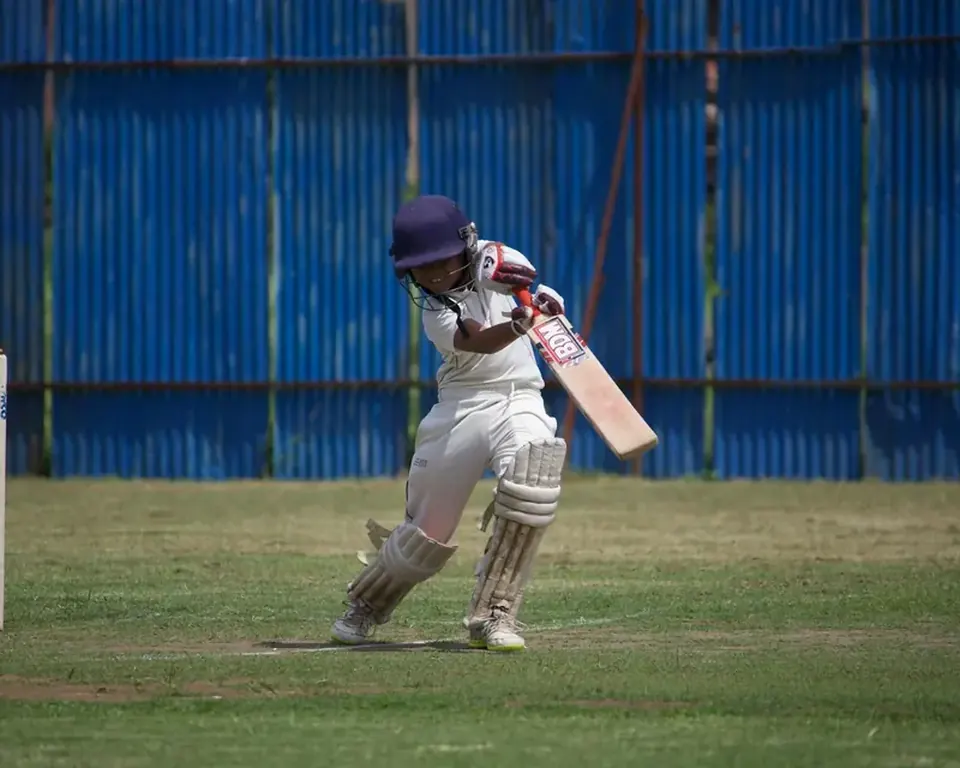
The Maintenance Routine
- Clean it: After every innings, wipe the bat down with a damp cloth to remove dirt and sweat. Do not soak it.
- Oil it again: After every 10-12 hours of play, apply a very light coat of linseed oil to the face and toe. This keeps the fibres supple.
- Store it properly: Never leave your bat in a hot car. The heat can dry out the willow and cause cracking. Store it in a cool, dry place.
- Use a bat cover: Always use a quality bat cover. It protects the bat from dings and dents when you are carrying it to and from the ground.
- Repair cracks immediately: If you get a surface crack, do not ignore it. Use a crack filler or take it to a bat repair specialist. A small crack can become a big split very quickly.
The "Toe Crack" Nightmare
The toe is the most vulnerable part of the bat. It takes a lot of impact when you play low or when the ball hits the ground. If you see a crack starting at the toe, stop playing with that bat immediately. Apply a thick layer of super glue or epoxy to seal the crack. Then, let it dry for 24 hours before using it again.
The Tools of the Trade
You do not need a lot of expensive gear to knock in a bat properly. Here is what you need:
- Cricket Bat Mallet: This is your primary tool. Get a good quality mallet that is heavy enough to do the job.
- Raw Linseed Oil: Available at any hardware store or sports shop.
- A Soft Cloth: For applying the oil.
- A Bat Cover: To protect your investment.
- Patience: This is the most important tool of all.
Conclusion: The Investment Pays Off
The cricket bat knocking in process is the single most important thing you will ever do for your cricket gear. It is the difference between a bat that sings for a season and a bat that breaks in the first over.
Think of it like this: you wouldn't drive a brand new car without running it in. You wouldn't play a brand new guitar without tuning it. So why would you take a brand new cricket bat out to the middle without preparing it?
Take the time. Do it right. Your bat will reward you with runs, memories, and that perfect feeling of a well-timed cover drive.
Ready to get the rest of your kit sorted? Check out our guides on cricket inners for comfort and the best australian cricket kit bag to complete your setup.
And if you are looking for the perfect mallet or oil, head over to our gear-equipment hub for our top recommendations. Happy batting!
Reader Comments (0)