

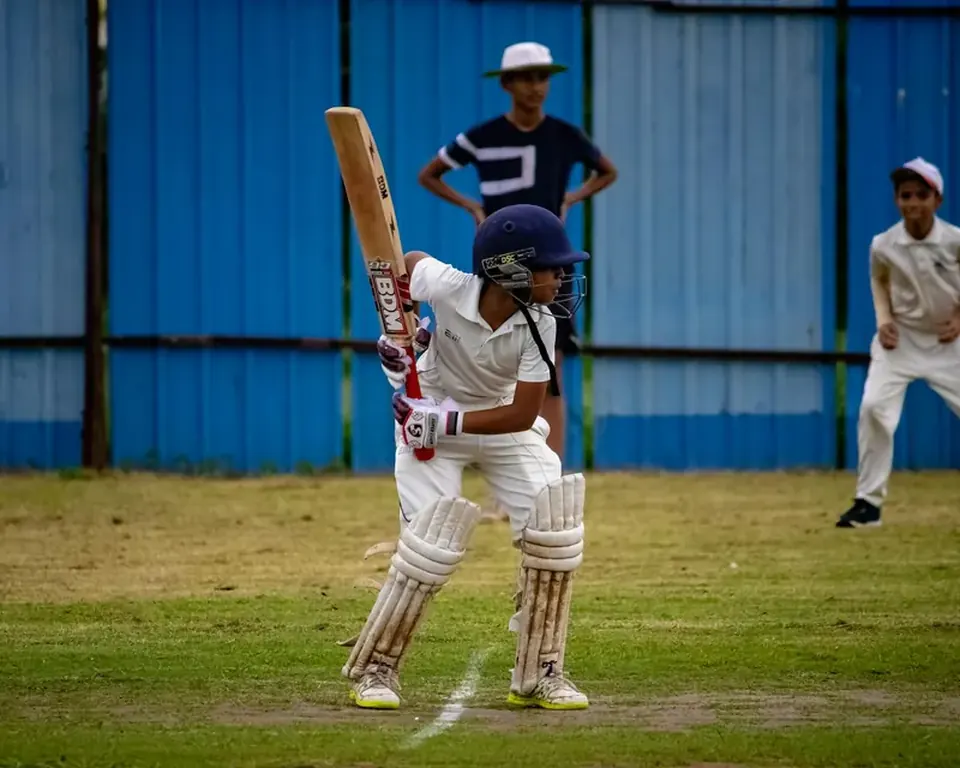
Let’s be honest: there aren’t many things in cricket that make you wince quite like a sharp short-pitched delivery aimed at the ribs. Whether you’re facing a quick bowler in a Test series at the Melbourne Cricket Ground or copping a heat-of-the-moment bouncer in your local grade match, that split-second impact can leave you gasping. And if you’re not wearing the right protection? You’ll feel it for days.
That’s where the humble abdominal guard—often called a “box” or “cup”—comes in. It’s not the most glamorous piece of kit in your cricket bag, but it’s arguably one of the most important. For Australian cricket fans and players alike, choosing the right abdominal guard means the difference between walking off the field sore but smiling, or spending the next week icing your nether regions.
In this guide, we’ll break down everything you need to know about abdominal guards for Australian cricket: what to look for, how they fit into your gear setup, and which options stand up to the unique demands of the game Down Under—from the Big Bash League to the Sheffield Shield and everything in between.
Why Your Abdominal Guard Matters More Than You Think
Cricket has a funny way of reminding you that you’re not invincible. One mistimed pull shot, one awkward duck under a bouncer, and suddenly you’re doubled over wondering why you didn’t invest in better protection. For Australian cricketers, the stakes are even higher. We play on fast, bouncy wickets—think the WACA Ground or the Sydney Cricket Ground—where the ball comes through at chest height with alarming regularity.
The abdominal guard isn’t just for batters, either. Wicketkeepers crouching behind the stumps, fielders in close positions like short leg or silly point, and even bowlers diving to stop a drive all benefit from a quality guard. In fact, many cricket organizations recommend that all players, regardless of position, wear appropriate protective gear during matches and training.
But here’s the thing: not all abdominal guards are created equal. Some are designed for the fast-paced, high-impact environment of professional cricket, while others are better suited for junior or social games. The key is finding the balance between protection, comfort, and mobility—because if your guard is uncomfortable, you won’t wear it, and that’s when injuries happen.
What to Look for in an Abdominal Guard
Before we dive into specific recommendations, let’s break down the features that matter most when choosing an abdominal guard for Australian cricket.
Material and Construction
Most abdominal guards are made from high-density plastic, carbon fiber, or a combination of both. Plastic guards are lightweight and affordable, making them a solid choice for junior cricketers or casual players. Carbon fiber guards, on the other hand, offer superior impact resistance without adding significant weight. For serious players—especially those facing pace bowlers in the Sheffield Shield or Big Bash League—carbon fiber is often considered the gold standard.
Look for guards that have a smooth, contoured shape. Sharp edges or poorly designed curves can dig into your skin and cause discomfort during long innings or extended fielding sessions.
Fit and Sizing
This is where most players get it wrong. An abdominal guard that’s too small won’t provide adequate coverage, while one that’s too large will shift around and leave you vulnerable. Most brands offer sizing based on waist measurement or age group. As a general rule:
- Junior (ages 8–12): Waist 20–26 inches
- Youth (ages 12–16): Waist 26–30 inches
- Adult Small: Waist 30–34 inches
- Adult Medium: Waist 34–38 inches
- Adult Large: Waist 38–42 inches
Retention System
How does the guard stay in place? Traditional guards rely on a jockstrap or compression shorts with a built-in pouch. Modern options include:
- Jockstrap: The classic choice. A waistband with two leg straps holds the guard securely. It’s reliable but can feel bulky under cricket whites.
- Compression shorts with pouch: These are increasingly popular among Australian cricketers. They look and feel like regular athletic shorts but have a built-in pocket for the guard. They’re more comfortable and less obvious under white trousers.
- Integrated guards: Some brands offer guards that are permanently sewn into compression shorts. These are convenient but can be harder to wash and replace.
Breathability and Moisture Management
Cricket can be a sweaty sport, especially during a long day in the field under the Australian sun. Look for guards with ventilation holes or mesh panels that allow airflow. Some high-end guards also feature liners designed to help keep you dry and reduce chafing.
Impact Rating
While there’s no universal standard for abdominal guard impact ratings, some brands design their products to meet guidelines used by professional cricket organizations. Look for guards that advertise “high-impact” or “professional-grade” protection. If you’re playing at a competitive level, don’t skimp here.
Top Abdominal Guards for Australian Cricket
Now that you know what to look for, let’s get into the specifics. These are the guards that have earned their place in kit bags from the MCG to your local oval.

1. Gray-Nicolls GN100 Abdominal Guard
Gray-Nicolls has been a trusted name in cricket gear for decades, and the GN100 is their entry-level option that punches well above its weight. Made from high-density polyethylene, it’s lightweight and durable enough for junior and social cricket. The contoured shape fits comfortably, and the price point makes it accessible for families kitting out young players.
Best for: Junior cricketers and casual players who want reliable protection without breaking the bank.
2. Kookaburra Pro 600 Abdominal Guard
Kookaburra is synonymous with Australian cricket—they supply the balls for the Big Bash League and Test series, after all. The Pro 600 is their mid-range guard, featuring a carbon-fiber-reinforced shell that offers excellent impact resistance. It’s slightly heavier than plastic guards, but the added protection is worth it for club and grade cricketers. The guard fits neatly into most compression shorts with a pouch.
Best for: Club and grade players who face medium-to-fast bowling regularly.
3. Gray-Nicolls Oblivion Abdominal Guard
The Oblivion is Gray-Nicolls’ premium offering, and it’s a favorite among professional cricketers—including some you might have seen in the Big Bash League. It features a carbon-fiber shell with a shock-absorbing foam liner that helps disperse impact energy. The result? You barely feel the ball when it hits. It’s also designed with ventilation channels to keep you cool during long innings.
Best for: Serious cricketers who want top-level protection. Worth the investment if you’re playing at a high level.
4. Gunn & Moore GM Original Abdominal Guard
Gunn & Moore has been around since 1885, and the GM Original is a testament to their heritage. It’s a traditional-style guard made from high-impact plastic with a smooth, contoured shape. It’s not as high-tech as some modern options, but it’s reliable, affordable, and widely available. Many older players swear by it.
Best for: Traditionalists and players who prefer a classic jockstrap setup.
5. Slazenger Pro Grade Abdominal Guard
Slazenger might not be the first name you think of for cricket gear, but their Pro Grade guard is a hidden gem. It features a carbon-fiber shell with a soft-touch coating that reduces noise on impact—a small but appreciated detail. The guard is also shaped to sit lower on the body, providing better coverage for wicketkeepers and close-in fielders.
Best for: Wicketkeepers and fielders who need extra coverage in close positions.
6. Puma Cricket Abdominal Guard
Puma has made a strong push into cricket gear in recent years, and their abdominal guard is a solid all-rounder. It’s made from lightweight polypropylene with a shock-absorbing inner foam layer. The guard is designed to fit into most compression shorts, and the low-profile shape means it’s less noticeable under whites. It’s a good choice for players who prioritize comfort and mobility.
Best for: All-rounders and players who want a balance of protection and comfort.
How to Choose the Right Abdominal Guard for Your Position
Your role on the field influences what you need from an abdominal guard. Here’s a quick breakdown:

For Batters
Batters face the most direct threat from short-pitched bowling. You need a guard with high-impact resistance—carbon fiber is ideal. Look for a guard that sits snugly and doesn’t shift when you’re playing shots or running between wickets. The Gray-Nicolls Oblivion or Kookaburra Pro 600 are excellent choices.
For Wicketkeepers
Wicketkeepers spend long hours crouching behind the stumps, often taking fast deliveries on the rise. You need a guard that offers good coverage without restricting movement. The Slazenger Pro Grade is designed with wicketkeepers in mind, sitting lower to protect against balls that sneak under your gloves.
For Fielders
Fielders in close positions—short leg, silly point, gully—are at risk from deflections and edges. You don’t need the same level of protection as a batter, but you still want something reliable. A mid-range guard like the Gunn & Moore GM Original or Puma Cricket guard will serve you well.
For Junior Cricketers
Junior players need guards that fit properly and aren’t too heavy. The Gray-Nicolls GN100 is a great starting point. Make sure the guard is the right size—too big and it will be uncomfortable, too small and it won’t protect properly.
Abdominal Guard Care and Maintenance
A good abdominal guard can last for years if you look after it. Here are a few tips:
- Rinse after use: Sweat and dirt can degrade the materials over time. Rinse your guard with fresh water after each use, especially if you’ve been playing in dusty conditions.
- Air dry: Don’t store your guard in a damp kit bag. Let it air dry completely before packing it away.
- Check for cracks: Plastic and carbon fiber can develop hairline cracks over time. If you spot any damage, replace the guard immediately.
- Replace every 2–3 years: Even if it looks fine, the materials can weaken with age. If you’re playing regularly, consider replacing your guard every couple of seasons.
Common Questions About Abdominal Guards
Do I need to wear an abdominal guard in training?
Absolutely. Training is where most injuries happen—players are tired, concentration slips, and the ball can still come through at pace. Many cricket organizations recommend wearing full protective gear during net sessions and fielding drills.
Can I wear an abdominal guard with compression shorts?
Yes, and it’s becoming the standard setup for many players. Compression shorts with a built-in pouch are more comfortable and less bulky than a traditional jockstrap. Just make sure your guard is compatible with the shorts you’re using.
What’s the difference between a junior and adult guard?
Junior guards are smaller and lighter, designed for younger players with smaller frames. They also have lower impact ratings because junior cricket typically involves slower bowling. Adult guards are larger, heavier, and built to withstand higher ball speeds.
Should I wear an abdominal guard if I’m a bowler?
Bowlers are less likely to take a direct hit to the groin, but it can happen—especially if you’re diving to stop a drive or fielding in close. Many bowlers choose to wear a lightweight guard for peace of mind. It’s a personal choice, but erring on the side of caution is generally recommended.
The Bottom Line
Your abdominal guard is one of the most important pieces of protective gear you’ll ever buy. It’s not about looking tough—it’s about playing smart. Whether you’re facing a quick bowler in a Test series at the Sydney Cricket Ground or just having a net with your mates, the right guard will keep you in the game and out of the doctor’s office.
For Australian cricketers, the choice often comes down to personal preference and budget. The Gray-Nicolls Oblivion is a premium option for serious players, while the Kookaburra Pro 600 offers excellent value for club cricketers. Juniors and casual players will be well served by the Gray-Nicolls GN100.
Remember: a guard that fits well and feels comfortable is one you’ll actually wear. Take the time to try different options, check sizing charts, and invest in quality. Your future self—and your family jewels—will thank you.
Related Guides
If you’re building out your cricket kit, check out our other gear guides:
Stay safe out there, and keep your eye on the ball—just make sure the rest of you is protected too.
Reader Comments (0)