

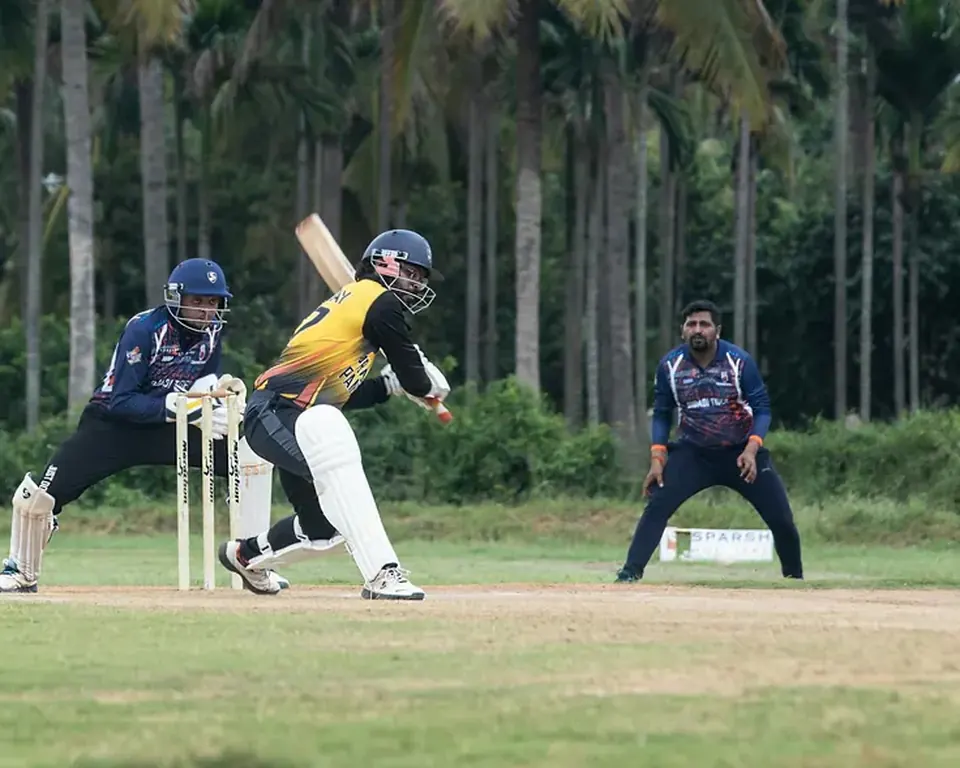
There’s a moment every cricketer knows. You’re at the crease, the bowler charges in, and you feel that bat in your hands. Is it too heavy? Too light? Will you get caught out on the drive, or will it feel like an extension of your arms?
If you’ve ever stood in a cricket shop, picked up a bat, and thought, “This feels right, but will it work on a bouncy WACA pitch or a slow SCG deck?” – you’re not alone. Bat weight is one of the most personal decisions in cricket, and in Australian conditions, it matters more than you think.
From the fast, true bounce of the WACA Ground to the spin-friendly surfaces of the Melbourne Cricket Ground, the weight of your bat can make or break your innings. Whether you’re a weekend warrior in the local turf comp or dreaming of facing top bowlers in a Test series, this guide will help you find the perfect bat weight for Australian conditions.
Let’s get into it.
Why Bat Weight Matters in Australian Cricket
Australia’s pitches are famously diverse. The WACA Ground offers pace and bounce. The Sydney Cricket Ground tends to take turn later in the match. The MCG can be a bit of everything. Your bat weight needs to adapt to these surfaces, your playing style, and the format you’re playing.
A heavy bat (2lb 10oz and above) gives you power for big hits, especially in the Big Bash League where clearing the rope is a priority. But a heavy bat can slow down your bat speed, making you late on quick deliveries. A lighter bat (2lb 7oz and below) offers more control and quicker hands, ideal for Test cricket where you might face 150 overs in a day.
The key is balance. You want a bat that feels natural in your hands, whether you’re facing a 140km/h thunderbolt from a top fast bowler or a crafty spinner in a Sheffield Shield match.
Understanding Bat Weight Measurements
First, let’s clear up the numbers. Cricket bat weight is measured in pounds and ounces. The standard range is:
- Light: 2lb 6oz – 2lb 8oz
- Medium: 2lb 9oz – 2lb 11oz
- Heavy: 2lb 12oz – 3lb
In Australian conditions, where bounce can be variable, the bat’s balance is crucial. A bat that feels too toe-heavy might leave you late on a rising delivery at the WACA. A bat that feels too handle-heavy might not generate enough power on a slow SCG pitch.
Bat Weight by Format: Test Cricket vs. T20
Test Cricket: Endurance and Control
In Test cricket, you’re in for the long haul. A Test series demands patience, concentration, and technique. Your bat needs to be light enough to play late, defend, and rotate strike.
Most Test batters prefer bats in the 2lb 8oz – 2lb 10oz range. Some top players rely on wristy flicks and precise placement rather than brute force. Others use a slightly heavier bat to generate power for their aggressive strokeplay.
If you’re playing a Test match on a bouncy WACA pitch, a lighter bat helps you adjust to variable bounce. On a slow MCG deck, a slightly heavier bat might help you drive through the line.
T20 Cricket: Power and Timing
In the Big Bash League and the ICC Men’s T20 World Cup, power hitting is king. Bats tend to be heavier (2lb 10oz – 2lb 12oz) to generate maximum distance. But weight isn’t everything. A bat with a large sweet spot and a low middle can help you clear the ropes even with a lighter swing.
Some players use a bat with a very low middle, allowing them to hit through the line with minimal effort. Others prefer bats closer to the heavier end of the range for raw power.
For club cricketers, a medium-heavy bat (2lb 9oz – 2lb 11oz) is a good starting point for T20. You want enough weight to hit boundaries, but not so much that you’re late on yorkers or slower balls.
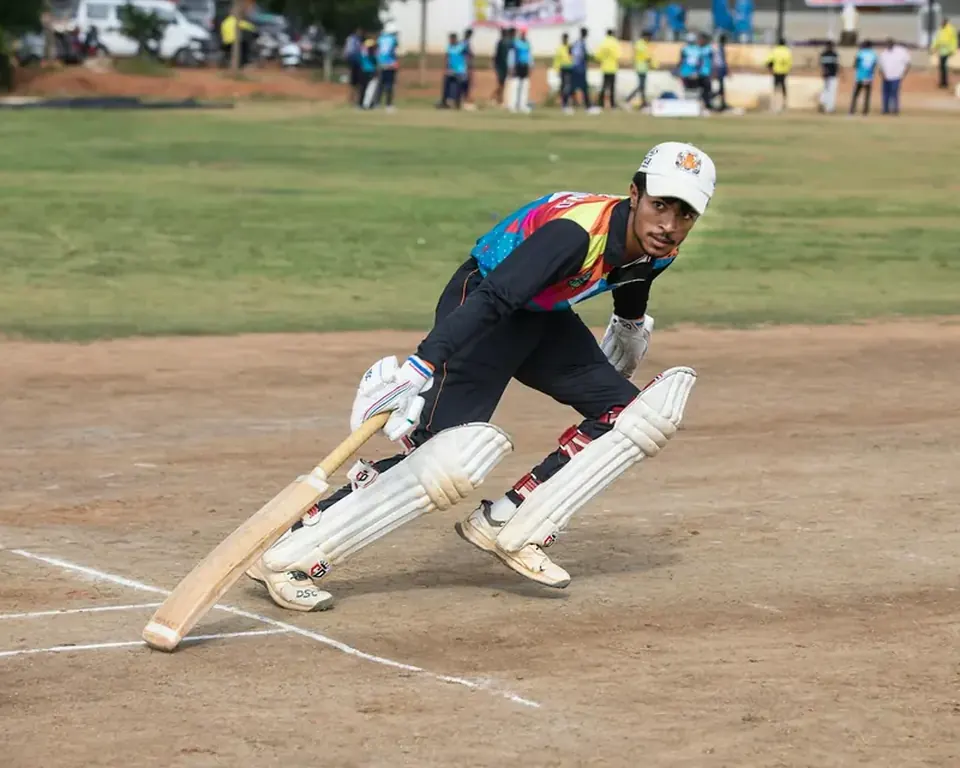
Bat Weight by Playing Style
The Aggressive Opener
If you like to take the attack to the bowlers, you need a bat that can handle power hitting but still allows you to play on the up.
- Recommended weight: 2lb 10oz – 2lb 12oz
- Balance: Slightly blade-heavy for power
- Sweet spot: Low middle for maximum distance
The Classic Test Batter
If you’re a traditionalist who values technique and placement, you want a bat that feels light and responsive.
- Recommended weight: 2lb 8oz – 2lb 10oz
- Balance: Handle-heavy for control
- Sweet spot: Mid to high middle for precision
The All-Rounder
If you bat and bowl, you need a bat that doesn’t tire you out. A lighter bat helps you bowl longer without fatigue.
- Recommended weight: 2lb 7oz – 2lb 9oz
- Balance: Neutral or slightly handle-heavy
- Sweet spot: Mid middle for versatility
The Big Hitter
If you’re the team’s power hitter, you want a bat that feels like a sledgehammer.
- Recommended weight: 2lb 11oz – 3lb
- Balance: Blade-heavy for maximum momentum
- Sweet spot: Low middle for clearing the rope
Australian Pitch Conditions and Bat Weight
WACA Ground (Perth)
The WACA is known for pace and bounce. A lighter bat helps you adjust to the extra bounce, especially if you’re playing late. A bat around 2lb 8oz – 2lb 10oz is ideal. Too heavy, and you might be late on the pull or cut.
Sydney Cricket Ground (SCG)
The SCG takes spin later in the match. A lighter bat helps you use your wrists against spin. A bat around 2lb 7oz – 2lb 9oz is common. You don’t need massive power here; placement is key.
Melbourne Cricket Ground (MCG)
The MCG can be a bit of everything. Early in the match, it offers pace and bounce. Later, it can slow down. A medium-weight bat (2lb 9oz – 2lb 11oz) gives you versatility. You can drive through the line early and still have control later.
Adelaide Oval
Adelaide often offers true bounce and pace. A bat around 2lb 8oz – 2lb 10oz works well. The key is balance – you want a bat that feels solid but not clunky.
Gabba (Brisbane)
The Gabba is known for pace and bounce. Similar to the WACA, a lighter bat helps you react quickly. A bat around 2lb 8oz – 2lb 10oz is recommended.
How to Choose the Right Bat Weight for You
Step 1: Pick Up and Feel
Go to a shop and pick up bats in different weights. Hold them in your stance. Do they feel natural? A bat that feels too heavy in the shop will feel even heavier after 50 overs.
Step 2: Check the Balance
Hold the bat at the handle and let it hang. Does it feel balanced? A bat that feels too toe-heavy will tire your wrists. A bat that feels too handle-heavy won’t generate power.
Step 3: Test Your Swing
Take a few practice swings. Can you swing it freely? If you’re late on the shot, it’s too heavy. If you can’t feel the weight, it might be too light.
Step 4: Consider Your Strength
Your strength matters. A stronger player can handle a heavier bat. A lighter player might benefit from a lighter bat that allows quicker hands.
Step 5: Think About the Format
Are you playing a Test series or a T20 tournament? Your bat weight should match the format. If you’re playing both, consider having two bats – one for each format.
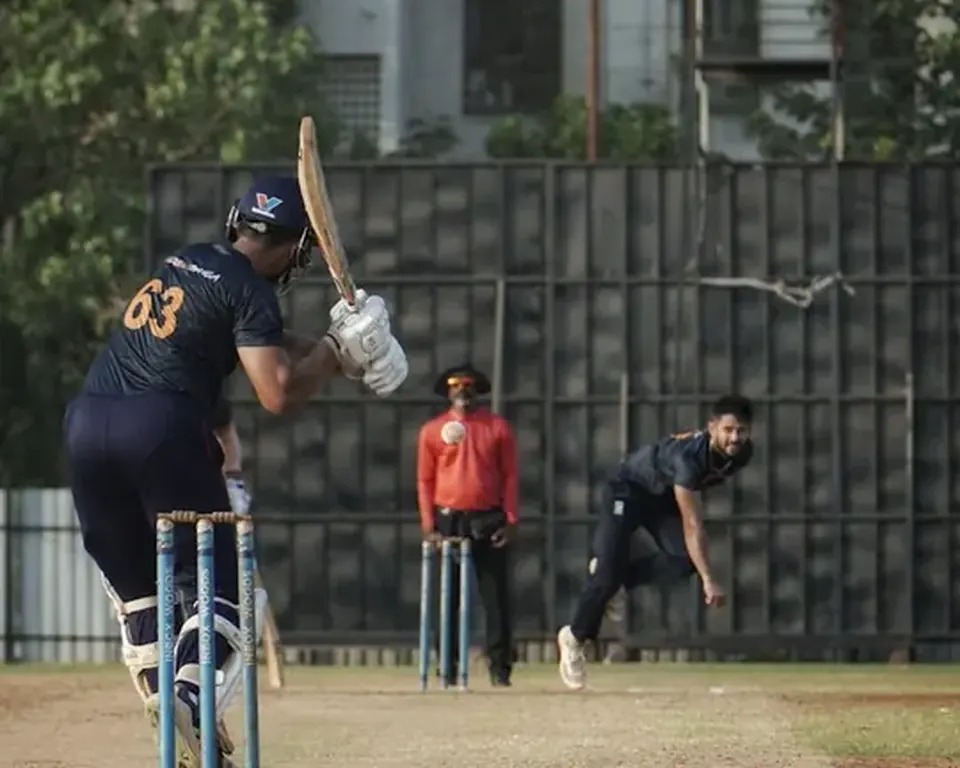
Common Myths About Bat Weight
Myth 1: Heavier Bats Hit Harder
Not always. A heavier bat can generate more power, but only if you can swing it effectively. If you’re late on the ball, the extra weight doesn’t help. A well-timed shot with a lighter bat can go just as far.
Myth 2: Lighter Bats Are Better for Spin
Lighter bats do offer more control, but the key is balance. A well-balanced medium-weight bat can be just as effective against spin.
Myth 3: You Should Copy Your Favourite Player
Don’t buy a bat just because a top player uses a certain weight. Your strength, technique, and playing style are unique. Find what works for you.
Practical Tips for Australian Club Cricketers
For Sheffield Shield Aspirants
If you’re playing in the Sheffield Shield competition, you need a bat that can handle long innings. A bat around 2lb 8oz – 2lb 10oz is a good starting point. Focus on control and balance.
For Big Bash League Fans
If you’re playing in a T20 tournament, consider a bat around 2lb 10oz – 2lb 12oz. Look for a large sweet spot and a low middle for power hitting.
For Women’s Cricket
In the Women’s Big Bash League, bat weights tend to be lighter (2lb 6oz – 2lb 8oz) due to smaller frames. But the same principles apply: find a bat that feels balanced and suits your style.
For Juniors
Juniors should start with lighter bats (2lb – 2lb 4oz) to develop technique. As they grow stronger, they can move up in weight.
Caring for Your Bat in Australian Conditions
Australian summers can be brutal on cricket bats. The heat can dry out the willow, making it prone to cracking. Here are a few tips:
- Store in a cool, dry place: Avoid leaving your bat in a hot car.
- Oil regularly: Use linseed oil to keep the willow hydrated.
- Knock it in properly: A well-knocked-in bat lasts longer.
- Use a bat cover: Protect it from moisture and heat.
Final Thoughts: Finding Your Perfect Bat
Choosing the right cricket bat weight for Australian conditions is a personal journey. There’s no one-size-fits-all answer. The best bat for you is the one that feels like an extension of your arms – whether you’re facing top bowlers in a Test series or smashing sixes in the Big Bash League.
Start with the format you play most. Consider your playing style. Test different weights and balances. And don’t be afraid to ask for advice from your club coach or a knowledgeable shop assistant.
Remember, the weight on the scales isn’t everything. How the bat feels in your hands, how it swings, and how it performs on the pitch – that’s what matters.
If you’re still unsure, start in the medium range (2lb 9oz – 2lb 11oz) and adjust from there. You can always go lighter or heavier as you gain experience.
Explore More Gear Guides
Now that you’ve found your bat weight, you might want to check out our other guides to complete your kit. Whether you’re looking for the right gear for training or match day, we’ve got you covered.
Happy batting, and see you at the crease!
Reader Comments (0)