

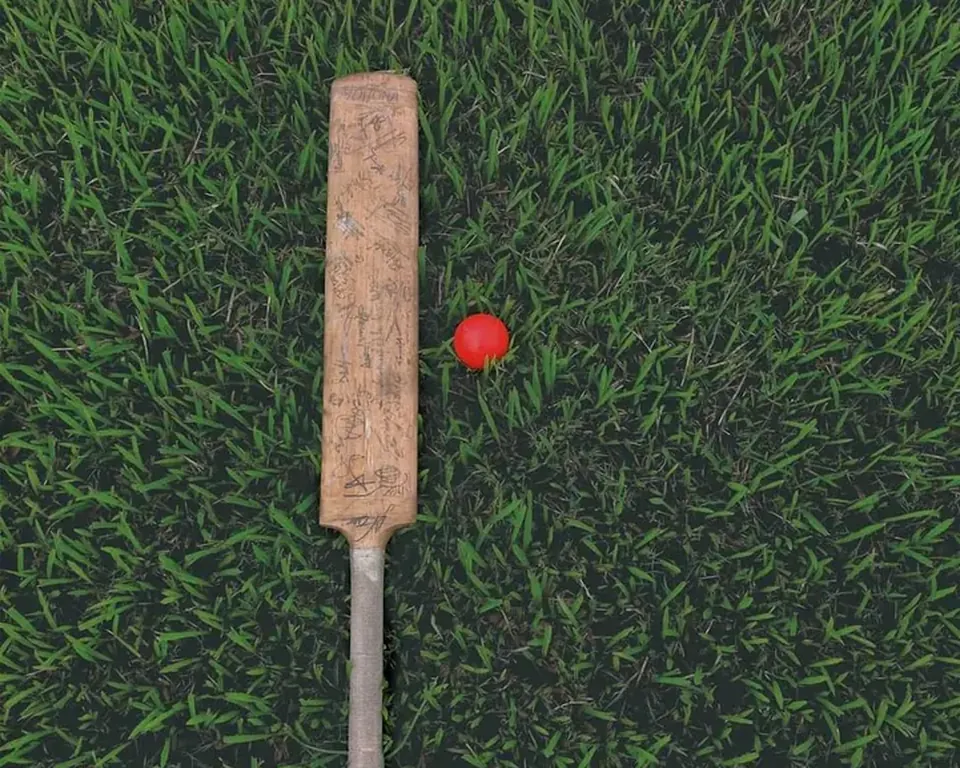
Let’s be honest—there’s nothing quite like a day at the cricket. The sound of leather on willow, the smell of fresh-cut grass, the banter with mates, and that glorious Australian sun beating down. But while we’re all there for the action—whether it’s a Test series at the Melbourne Cricket Ground, a Big Bash League clash under lights, or a weekend Sheffield Shield match at the local oval—that same sun is doing a number on your skin.
We Australians love our outdoor sports. But we also face high rates of skin cancer. So when you’re planning your next trip to the Sydney Cricket Ground or the WACA Ground, or even just a day at the local park with the kids, the humble cricket cap isn’t just a fashion statement. It’s your first line of defence.
In this guide, we’re diving deep into cricket caps for sun protection in Australia. We’ll cover what to look for, how to choose the right one, and why this simple piece of gear is absolutely non-negotiable for any cricket fan or player.
Why Sun Protection Matters for Cricket Fans and Players
Cricket isn’t a quick game. A Test match can stretch across five days. A day at the Big Bash League might start in the afternoon and finish under lights. Even a local club game can run for six or seven hours. That’s a lot of time with your face, neck, and ears exposed to UV radiation.
Australia’s UV index regularly hits extreme levels, especially between September and April. And here’s the kicker—you don’t need to be out in the middle to get burnt. Spectators at the Melbourne Cricket Ground or Sydney Cricket Ground are just as exposed as the players. The WACA Ground in Perth is notorious for its harsh sun.
Cricket Australia has been proactive about sun safety, with guidelines encouraging players and fans to wear hats, sunscreen, and protective clothing. But not all hats are created equal. A baseball cap might look cool, but it leaves your ears and neck exposed. A wide-brimmed hat is better, but can it handle a gust of wind during a Border-Gavaskar Trophy match? That’s where the cricket cap comes in.
What Makes a Cricket Cap Different?
A cricket cap isn’t just any hat. It’s designed specifically for the demands of the game—and the Australian sun.
The Traditional Baggy Green
Let’s start with the iconic baggy green. This is the cap worn by Australian Test cricketers, and it’s steeped in history. Names like Steve Smith, Pat Cummins, and David Warner have worn theirs with pride. But here’s the thing—the baggy green isn’t primarily a sun protection hat. It’s a symbol. It’s made of wool, which can get hot, and it doesn’t offer much coverage for the ears or neck.
For pure sun protection, you’ll want something different.
Modern Cricket Caps
Today’s cricket caps come in a range of styles, from the traditional peak cap to the wide-brimmed “bucket” style. The best ones for sun protection have:
- UPF 50+ rating – Blocks 98% of UV radiation
- Wide brims – At least 7-8 cm all around
- Neck flaps – Some models include a detachable flap for extra coverage
- Breathable fabric – Cotton or moisture-wicking synthetics
- Dark colours – Darker fabrics absorb more UV (though lighter colours reflect heat better)
Key Features to Look For in a Sun-Protection Cricket Cap
When you’re shopping for a cricket cap, whether you’re heading to the Big Bash League or just watching the Sheffield Shield on TV, keep these features in mind.
UPF Rating
UPF stands for Ultraviolet Protection Factor. A UPF 50+ rating means only 1/50th of UV radiation reaches your skin. That’s a high standard. Look for caps that clearly state their UPF rating on the label.
Brim Size and Shape
A 3-inch brim is a good starting point. For real protection, go for 4 inches or more. The brim should be stiff enough to hold its shape in the wind—essential for those gusty days at the WACA Ground.
Neck Coverage
Your neck is one of the most vulnerable areas. Some caps come with a built-in neck flap or a detachable one. This is a game-changer for long days at the Melbourne Cricket Ground.
Breathability
Australia gets hot. Really hot. A cap that traps heat will just make you miserable. Look for mesh panels, sweatbands, or lightweight cotton. Avoid wool unless you’re after a specific vintage look.
Adjustable Fit
One size rarely fits all. Look for caps with an adjustable strap or elastic band. A snug fit keeps the cap on your head when the breeze picks up.
Cricket Caps vs Other Headwear
You might be wondering—why not just wear a bucket hat or a legionnaire cap? Good question.
Bucket Hats
Bucket hats offer great all-round coverage, but they can be floppy and don’t always stay put in the wind. They’re also not traditionally associated with cricket, so you might feel a bit out of place at the Sydney Cricket Ground.
Legionnaire Caps
These have a fabric flap at the back that covers the neck. They’re brilliant for sun protection, but they can look a bit… military. Not everyone’s cup of tea for a casual day out.
Baseball Caps
Popular but poor for sun protection. The brim is usually too short, and the ears and neck are completely exposed. Fine for a quick trip to the shops, but not for a day at the cricket.
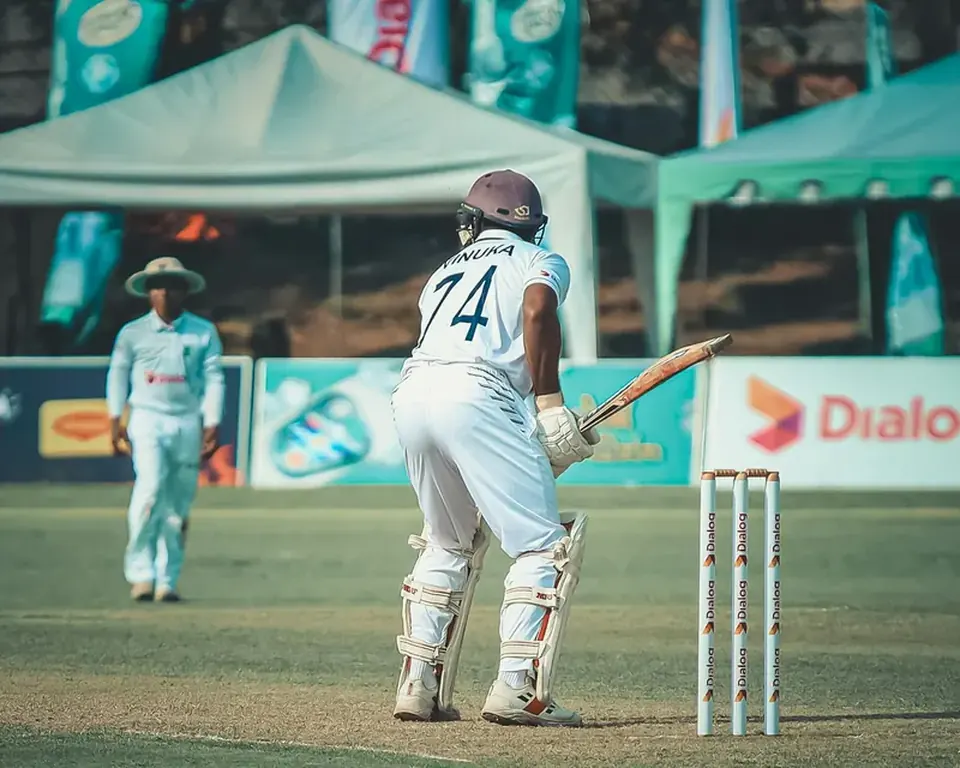
Cricket Caps
The sweet spot. They look the part, they offer decent coverage, and they’re designed for the sport. Many modern cricket caps combine the style of a traditional cap with the sun protection of a bucket hat.
Top Cricket Cap Brands for Sun Protection in Australia
Let’s look at some brands that are doing it right.
Kookaburra
Kookaburra is synonymous with cricket in Australia. Their range of sun protection caps includes wide-brimmed styles with UPF 50+ ratings. They’re durable, breathable, and come in classic whites as well as team colours.
Gray-Nicolls
Another iconic brand. Gray-Nicolls offers caps with moisture-wicking fabric and reinforced brims. Their “Sun Cap” range is specifically designed for hot Australian conditions.
Puma
Puma’s cricket caps are popular with younger players and fans. They offer a good balance of style and function, with UPF-rated options and adjustable fits.
New Balance
New Balance has been making inroads into cricket gear. Their caps are lightweight, breathable, and come with neck flaps on some models.
Club and Team Merchandise
If you’re supporting a specific team—say, your local Sheffield Shield side or a Big Bash League franchise—check their official merchandise. Many teams now offer sun-safe caps as part of their range.
How to Choose the Right Cricket Cap for Your Needs
Not everyone needs the same cap. Here’s how to match your cap to your situation.
For Spectators
If you’re heading to the Melbourne Cricket Ground for a day of Test cricket or a Big Bash League match, you’ll be sitting for hours. Comfort and coverage are key.
- Look for: Wide brim, neck flap, breathable fabric
- Avoid: Tight fit, dark colours (they absorb heat), floppy brims
- Pro tip: Pair your cap with sunglasses and sunscreen for full protection
For Players
If you’re playing in the Sheffield Shield, a local club competition, or even just a weekend game with mates, your cap needs to stay put while you’re running, diving, and fielding.
- Look for: Adjustable fit, sweatband, lightweight fabric
- Avoid: Heavy materials, loose fit, non-breathable synthetics
- Pro tip: Test your cap during a practice session before game day
For Kids
Kids are especially vulnerable to sun damage. And they’re not always great at keeping a hat on.
- Look for: Adjustable straps, fun colours or team logos, UPF 50+
- Avoid: One-size-fits-all, scratchy fabrics, complicated straps
- Pro tip: Get them used to wearing a cap from a young age—make it part of the cricket experience
Caring for Your Cricket Cap
A good cricket cap can last for years if you look after it.
Washing
Hand wash in cold water with mild detergent. Avoid the washing machine—it can warp the brim. Never use bleach or fabric softener.
Drying
Air dry in the shade. Direct sunlight can fade colours and weaken the fabric. Never put your cap in the dryer.
Storage
Store your cap on a flat surface or a hat stand. Avoid crushing it in a bag or suitcase.
When to Replace
If your cap starts to lose its shape, the brim goes floppy, or the fabric starts to thin, it’s time for a new one. Sun protection is only effective if the cap is in good condition.
The Role of Cricket Caps in Australian Cricket Culture
Cricket caps aren’t just functional—they’re cultural. The baggy green is one of the most recognisable symbols in Australian sport. But beyond the elite level, caps are part of the fabric of the game.
At the Sydney Cricket Ground, you’ll see fans wearing everything from vintage baggy greens to modern team caps. At the WACA Ground, the classic white cap is still a favourite. And at the Melbourne Cricket Ground, the sea of caps in the crowd is a sight to behold.
Steve Smith is rarely seen without his cap. Pat Cummins and David Warner have their own signature styles. And for fans, wearing a cap is a way of showing support while staying safe.
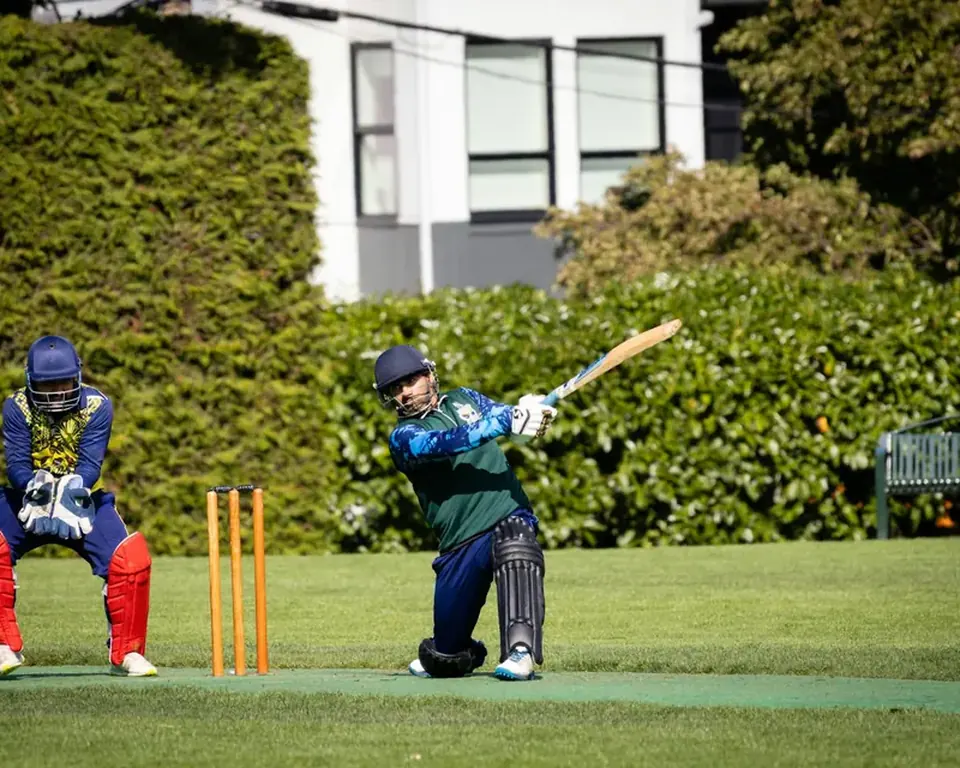
Beyond the Cap: Complete Sun Protection for Cricket Fans
A cap is a great start, but it’s not enough on its own. Here’s your complete sun protection checklist for a day at the cricket.
Sunscreen
Apply SPF 50+ broad-spectrum sunscreen 20 minutes before going outside. Reapply every two hours, and more often if you’re sweating.
Sunglasses
Look for sunglasses with UV 400 protection. Polarised lenses reduce glare, which is a bonus when you’re watching the ball.
Clothing
Long-sleeved shirts and long pants made from lightweight, breathable fabric offer excellent protection. Many cricket brands now offer UPF-rated clothing.
Shade
If you’re at a ground like the Melbourne Cricket Ground, look for shaded seating. If you’re at a local oval, bring a portable shade tent or umbrella.
Hydration
The Australian sun can dehydrate you quickly. Drink water regularly, even if you don’t feel thirsty.
Common Mistakes to Avoid
Even experienced cricket fans make these mistakes. Don’t be one of them.
Mistake 1: Relying Only on a Cap
A cap protects your head and face, but it doesn’t cover your arms, legs, or the back of your neck. Combine it with sunscreen and protective clothing.
Mistake 2: Wearing a Cap That’s Too Small
A cap that’s too small won’t provide adequate coverage. Make sure the brim extends past your temples and the back covers your neck.
Mistake 3: Ignoring the Time of Day
The sun is strongest between 10am and 4pm. If you’re at the Sydney Cricket Ground for a day match, be extra vigilant during these hours.
Mistake 4: Forgetting to Reapply Sunscreen
Sunscreen wears off. Set a timer on your phone if you need to.
Mistake 5: Choosing Style Over Substance
That trendy cap might look great, but if it doesn’t offer proper sun protection, it’s not worth it. Look for UPF ratings and wide brims.
Conclusion: Stay Safe, Stay Stylish
Cricket in Australia is more than a sport—it’s a way of life. From the hallowed turf of the Melbourne Cricket Ground to the lively atmosphere of a Big Bash League match, every moment under the sun is precious.
But that sun is unforgiving. Skin cancer is a real and present danger, and it doesn’t discriminate between players and fans. Whether you’re watching Pat Cummins lead the attack, Steve Smith craft another masterful innings, or David Warner launching sixes into the stands, your health comes first.
A good cricket cap is your simplest, most effective tool for sun protection. Choose one with a high UPF rating, a wide brim, and breathable fabric. Wear it every time you step outside. And don’t forget the sunscreen.
Now, before you head off to the next Test series or Sheffield Shield match, take a moment to check your gear. Is your cap up to the job? If not, it’s time for an upgrade.
For more tips on staying safe and looking good at the cricket, check out our guides on cricket gear and equipment and wicket-keeping pads. And if you’re into tracking your performance on the field, our article on GPS trackers might be just what you need.
Stay safe out there. See you at the ground.
Reader Comments (0)