

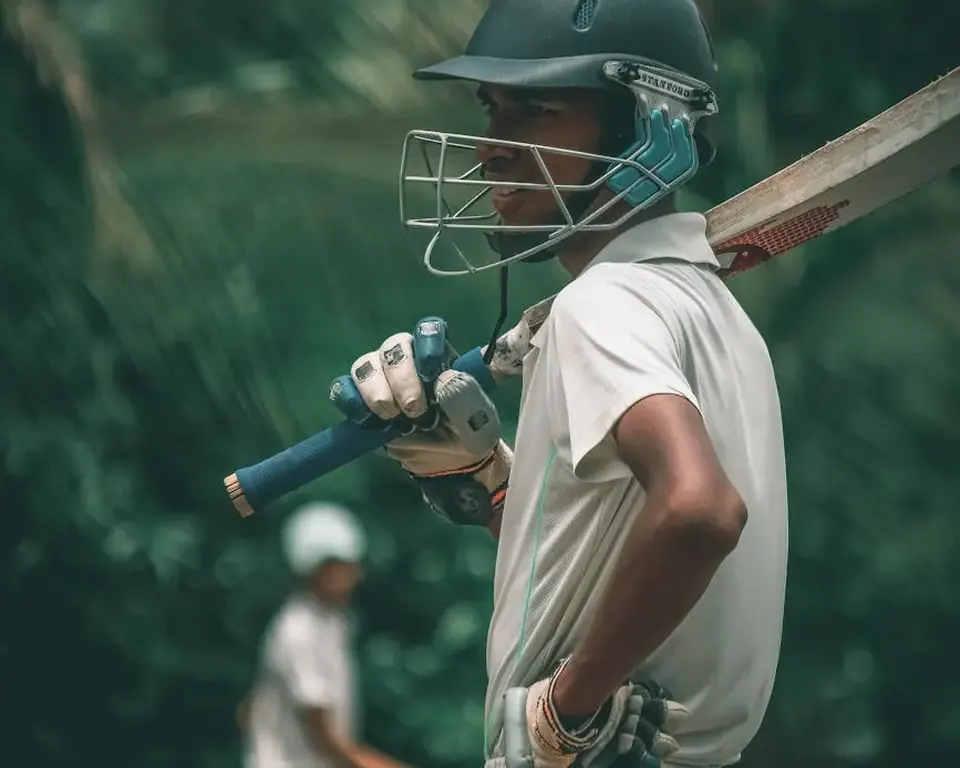
Look, I’ve been there. You’re out in the middle at the local oval, cricket is playing on the telly later, and you’ve just copped a nasty delivery that’s left your elbow feeling like you’ve been hit by a truck. Or maybe you’re a few sessions into a Sheffield Shield prep and that dull ache in your bowling arm just won’t quit. Elbow issues are the uninvited guest at every cricket party—from the MCG nets to your Saturday club match. But here’s the good news: with the right cricket elbow support, you can keep playing without turning every shot into a grimace.
This isn’t about diagnosing injuries—leave that to the physios. This is a practical, down-to-earth guide for batsmen (and bowlers, honestly) who need to troubleshoot common elbow problems so they can get back to scoring runs and taking wickets. We’ll cover the gear, the habits, and the fixes that many players find helpful. Let’s get into it.
Problem 1: The "Jarring" Sensation After Every Shot
Symptoms: You feel a sharp, jarring pain in your elbow after playing a defensive shot or a drive. It’s worse when you’re facing fast bowling or a hard new ball. The pain fades between deliveries but comes back with a vengeance.
Causes: This is almost always about poor bat grip or an ill-fitting bat. If your bat handle is too thin or too thick, your hand position can cause your elbow to absorb shock instead of your forearm muscles. Also, if you’re gripping the bat too tightly—especially when facing pace—you’re transferring all that energy straight to the joint.
Solution: Step one, check your grip. The bat handle should sit comfortably in your palms, not your fingers. You want a relaxed hold—think of holding a bird, not strangling it. If your bat handle feels like a toothpick, add a grip enhancer or a thicker rubber grip. If it feels like a tree trunk, sand it down or replace it.
Step two, work on your bottom hand. Many batsmen grip too hard with their bottom hand, which locks the elbow. Practice shadow batting with a focus on soft hands—let the bat do the work. If the problem persists, consider a bat with a shock-absorbing handle (like those with a carbon fibre core). Your elbow will thank you.
Problem 2: Persistent Ache in the Elbow After Bowling
Symptoms: A dull, nagging ache in the elbow that starts after a few overs and sticks around for hours after you finish. It’s worse when you’re bowling seam or spin with a lot of revs.
Causes: Overuse, poor bowling action, or using a ball that’s too heavy for your current strength level. If you’re a fast bowler, your elbow is taking a beating from the repetitive high-impact loading. For spinners, it’s often about the torque from wrist and finger work.
Solution: First, assess your workload. If you’ve been bowling 10-over spells in the nets every day, your elbow is screaming for a rest. Cut back to 4-6 overs per session and focus on quality over quantity.
Second, check your action. A common culprit is a "chicken wing" elbow—where your arm bends too much at the point of release. Record yourself bowling and compare it to a pro like Pat Cummins (who has a textbook action). If your elbow is dropping or hyperextending, work with a coach to smooth it out.
Third, consider using a compression sleeve or an elbow support band during bowling. These aren’t magic cures, but many players find they provide warmth and mild compression that can help reduce vibration and strain. Just don’t rely on them as a crutch—fix the action first.
Problem 3: Elbow Pain That Gets Worse the More You Play
Symptoms: The pain starts as a mild discomfort but escalates over the course of a match or a training week. By the end of a long session, you’re wincing on every shot.
Causes: This is the classic "overuse" pattern. You’ve been going hard without enough recovery—maybe you’re playing back-to-back matches in a busy season, or you’ve ramped up your net sessions too quickly. Your elbow’s soft tissues are inflamed and need a break.

Solution: This is where you need to listen to your body. Take a week off from bowling and batting with full intensity. Focus on light fielding drills and running. Ice your elbow for 15-20 minutes after sessions (wrap the ice in a cloth—never direct on skin). Some players find anti-inflammatory gels helpful, but it’s wise to check with a pharmacist first.
When you return, ease back in. Start with throwdowns, then move to net bowling at 70% intensity. If the pain returns, you’ve got a more stubborn issue that needs professional input—more on that later.
Problem 4: Elbow Clicking or Snapping During Play
Symptoms: You hear or feel a click, pop, or snap in your elbow when you swing the bat or release the ball. It might not hurt at first, but it’s unsettling.
Causes: This is often due to tendon or ligament tightness—your elbow joint is moving in a way that catches on soft tissue. It can also be from scar tissue from a previous injury. In some cases, it’s just air bubbles in the joint (harmless), but if it’s accompanied by pain, take it seriously.
Solution: Don’t ignore the click. If it’s painless, it’s likely not a big deal, but monitor it. If it starts to hurt, stop playing immediately. Stretch your forearm flexors and extensors before and after every session. A simple wrist flexor stretch (palm up, pull fingers back) and extensor stretch (palm down, pull fingers back) can help.
If the clicking persists, see a physio. They can assess if it’s a mechanical issue (like a loose body in the joint) or just tightness. Don’t try to "play through" a clicking elbow—that’s how you turn a minor annoyance into a season-ender.
Problem 5: Elbow Pain When Playing on Hard Pitches
Symptoms: Your elbow flares up specifically when you’re batting or bowling on hard, bouncy pitches—like the WACA or a concrete club wicket. The pain is sharper and more immediate.
Causes: Hard pitches transmit more shock through your bat and into your elbow. If you’re a batsman, the ball comes onto the bat faster, and you’re forced to play later. If you’re a bowler, the impact of landing and delivering on a hard surface jars your elbow.
Solution: Adjust your technique. For batsmen, practice playing later and softer—let the ball come to you rather than reaching for it. Use a bat with a softer middle or a shock-absorbing grip. Some players even use a double-layer grip for extra cushioning.
For bowlers, focus on your landing. If you’re landing heavily on your front foot, you’re sending shockwaves up your arm. Work on a smoother, more balanced delivery stride. And consider using a wrist support or elbow sleeve for extra stability.
If you’re playing on a concrete pitch (common in local club cricket), wear a padded elbow guard. Yes, they’re not just for protection from balls—some players find they also help absorb vibration. It’s a simple fix that many players overlook.
Problem 6: Elbow Stiffness the Morning After a Match
Symptoms: You wake up the day after a game and your elbow feels stiff, achy, and hard to straighten. It loosens up as you move around but takes a while.
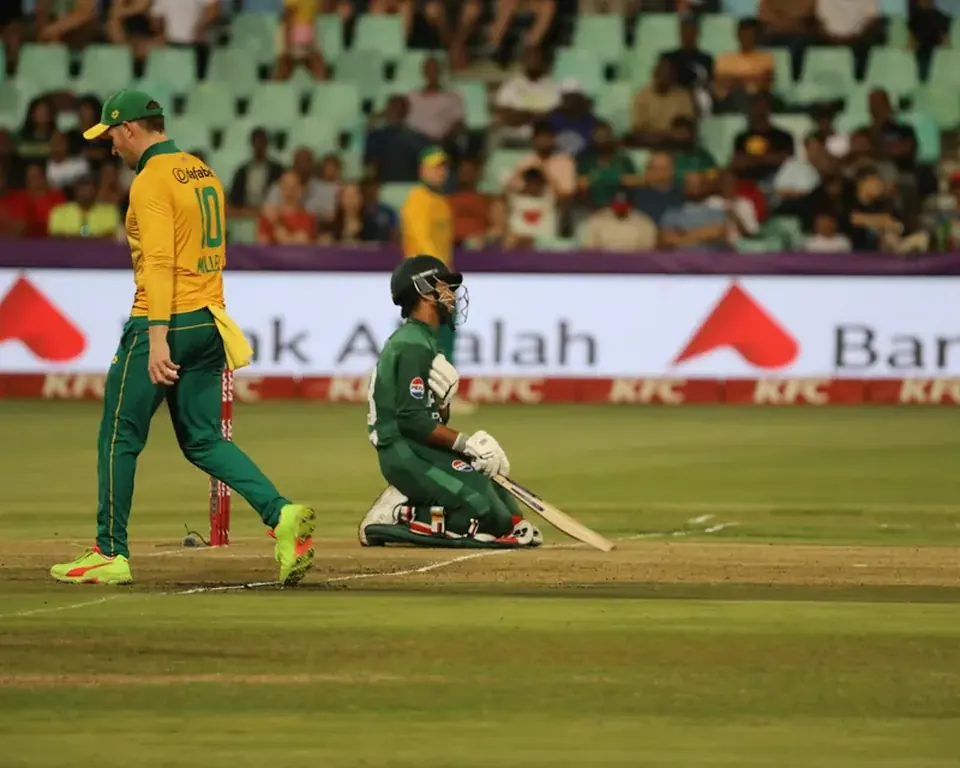
Causes: This is classic inflammation from the previous day’s activity. Your elbow joint is swollen (even microscopically), and the fluid buildup causes stiffness. It’s common after long innings or heavy bowling spells.
Solution: Prevention is key. After a match, don’t just sit on the couch—do a cool-down routine. Gentle stretching of the wrist and elbow for 5 minutes, followed by icing. In the morning, do some light mobility work—arm circles, wrist rotations, and gentle stretches. A warm shower or heat pack can help loosen things up.
If stiffness persists for more than a day or two, you’re dealing with more than normal soreness. That’s a sign to rest and maybe see a professional.
Problem 7: Elbow Pain That Radiates Down to Your Wrist or Up to Your Shoulder
Symptoms: The pain isn’t isolated to your elbow—it travels. You might feel it in your forearm, wrist, or even up into your shoulder.
Causes: This could suggest a nerve issue or referred pain. In cricket, it’s sometimes from a tight forearm muscle compressing a nerve (like the ulnar nerve, which runs through your "funny bone"). Alternatively, it could be a problem in your shoulder or neck that’s manifesting in your elbow.
Solution: This is not a DIY fix. Stop playing and see a physio or sports doctor. They’ll do a full assessment—checking your neck, shoulder, and elbow—to find the root cause. In the meantime, avoid any activity that triggers the pain. Don’t try to stretch or massage it yourself unless you know what you’re doing.
Prevention Tips: Keep Your Elbow Happy
You don’t have to wait for pain to strike. Here’s how to stay ahead of elbow issues:
- Warm up properly. Before every session, do 5-10 minutes of dynamic stretching—arm circles, wrist flexions, and light bat swings. Cold muscles are brittle muscles.
- Strengthen your forearms. Strong forearm muscles absorb shock better. Use a wrist roller, do farmer’s carries, or squeeze a tennis ball. Even 5 minutes a day makes a difference.
- Use the right gear. A bat that’s too heavy or has a poor handle is asking for trouble. Same goes for a ball that’s too hard or a grip that’s too thin. Check your kit bag and upgrade where needed. (For more on organising your gear, check out our guide on /australian-cricket-kit-bag.)
- Don’t overdo it. Your elbow is a joint, not a machine. It needs rest. If you’re playing multiple matches in a week (like during a busy season), schedule rest days and lighter sessions.
- Listen to your body. If something feels off, back off. A day off now is better than a month off later.
When to Seek Professional Guidance
This guide is for troubleshooting common problems, but it’s not a substitute for expert advice. See a physio, sports doctor, or accredited cricket coach if:
- The pain persists for more than a week despite rest and self-care.
- You have swelling, bruising, or visible deformity around the elbow.
- The pain is severe enough to stop you from playing.
- You experience numbness, tingling, or weakness in your hand or fingers.
- The pain radiates beyond your elbow.
- You’ve had a previous elbow injury that’s flared up again.
Final Word
Your elbow is one of the most important joints in cricket. It’s involved in every shot you play, every ball you bowl, and every catch you take. Treat it with respect. The right cricket elbow support—whether it’s a compression sleeve, a shock-absorbing bat grip, or a padded guard—can make a world of difference. But the best support is a smart approach: good technique, proper gear, adequate rest, and a willingness to listen to your body.
Now get out there, score some runs, and keep that elbow happy. For more gear advice, check out our guides on /gear-equipment and /cricket-helmet-visors. And if you’re kitting up for the season, don’t miss our tips on /australian-cricket-kit-bag.
See you at the crease.
Reader Comments (0)