

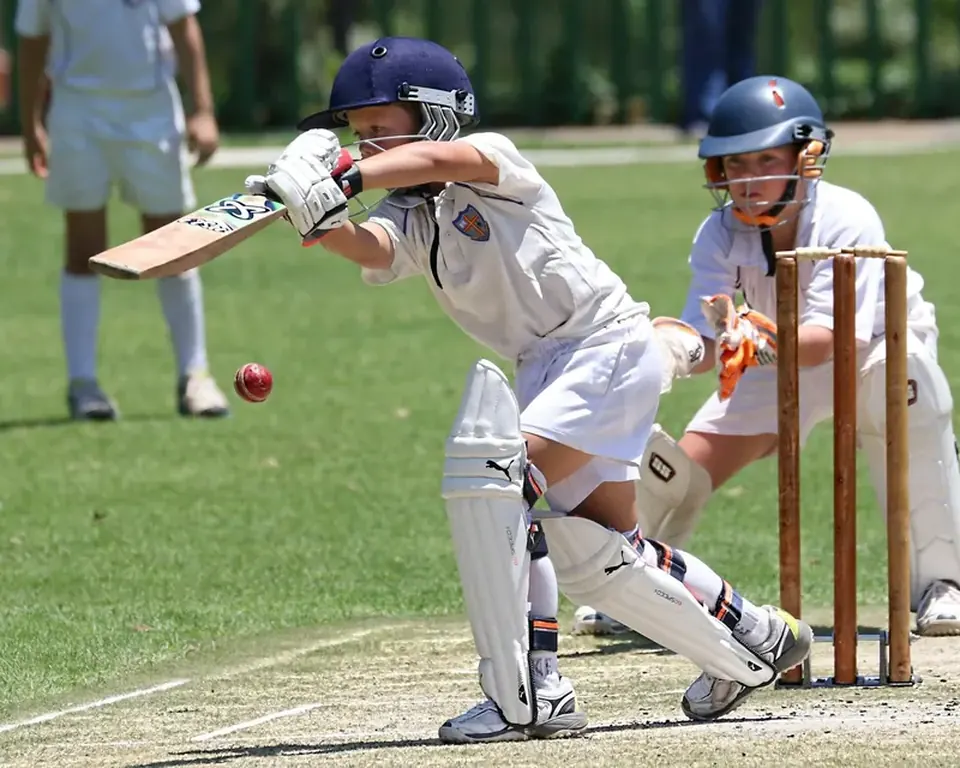
Alright, let's talk about something that can make or break your day out in the middle—your footwear. You've probably stood in the aisle of your local sports store, staring at rows of cricket shoes, wondering whether to go with traditional spikes or those modern blade things. It's a legit head-scratcher, and getting it wrong can leave you slipping around like Bambi on ice or feeling like you're wearing concrete blocks. So, let's break it down, mate.
The Great Footwear Debate
Every cricketer—whether you're playing at a high level or just having a net with your mates—faces this choice. Spikes and blades both promise grip, but they deliver it in very different ways. And with professional cricket showing off players sprinting between wickets and fielding like gazelles, you want to make sure your feet are sorted. Here's the practical lowdown.
Problem 1: "My feet keep slipping when I bowl or bat"
Symptoms: You're losing your footing in your delivery stride, or your back foot slides when you're driving through the covers. It's embarrassing and dangerous.
Causes: This usually happens when you're using the wrong type of traction for the surface you're playing on. Traditional spikes dig deep into soft ground, but on hard, dry wickets, they can't penetrate properly. Blades, on the other hand, might not bite enough on soft, dewy grass.
Solution: First, check your local conditions. If you're playing on lush, well-watered turf, spikes are your friend. They're long and pointy, designed to anchor into soft ground. For hard, dry pitches, blades are better. They're shorter and wider, distributing your weight more evenly.
Step-by-step fix:
- Inspect the wicket and outfield before you play. If it's soft, go spikes. If it's rock-hard, go blades.
- If you're already on the field and slipping, swap shoes at the break. Always carry both types in your kit bag.
- For bowlers, test your run-up. If you're sliding, you need more bite—try spikes. If you're sticking and can't pivot, blades will help.
Problem 2: "My spikes are chewing up the change rooms and my car floor"
Symptoms: You're leaving little holes everywhere—in the dressing room, on the wooden floorboards at the club, even in your boot's carpet. Your partner is not impressed.
Causes: Traditional metal or plastic spikes are aggressive. They're designed to grip turf, not indoor surfaces. Walking on hard floors with them is like wearing crampons on a dance floor.
Solution: This is where blades shine. They're less aggressive on hard surfaces because they're flatter and shorter. Many modern blade shoes also have removable spikes, so you can swap them out for rubber ones when you're off the field.
Step-by-step fix:
- Get a pair of slip-on overshoes or boot covers for walking to and from the pitch. Cheap and effective.
- If you're using blades, check if they're compatible with rubber studs. Swap them for indoor use.
- For spikes, always take them off before entering the clubhouse. Leave a pair of thongs or slides in your bag.
Problem 3: "I'm getting blisters and foot pain after every game"
Symptoms: Raw heels, sore arches, or hotspots on your toes. You're hobbling off the field, and it's affecting your game.
Causes: Wrong shoe type for your foot shape, or spikes that are too long and cause your foot to slide inside the shoe. Blades often have a more stable base, reducing foot movement, while spikes can allow more lateral shift.
Solution: Match the shoe to your foot type and playing style. If you're a fast bowler, you need a shoe with good heel lockdown and arch support. Batsmen often prefer a lower profile for better ground feel.
Step-by-step fix:
- Get fitted properly. Don't just buy online—try them on with the socks you'll wear in a game.
- If you're using spikes, try a shoe with a molded heel cup to reduce slippage.
- For blades, look for a wider toe box if you have wider feet.
- Break them in gradually—wear them around the house for a few days before match day.
Problem 4: "I can't decide between metal and plastic spikes"
Symptoms: You're standing in the shop, paralysed by choice. Metal spikes look serious, but plastic ones are lighter. What's the go?
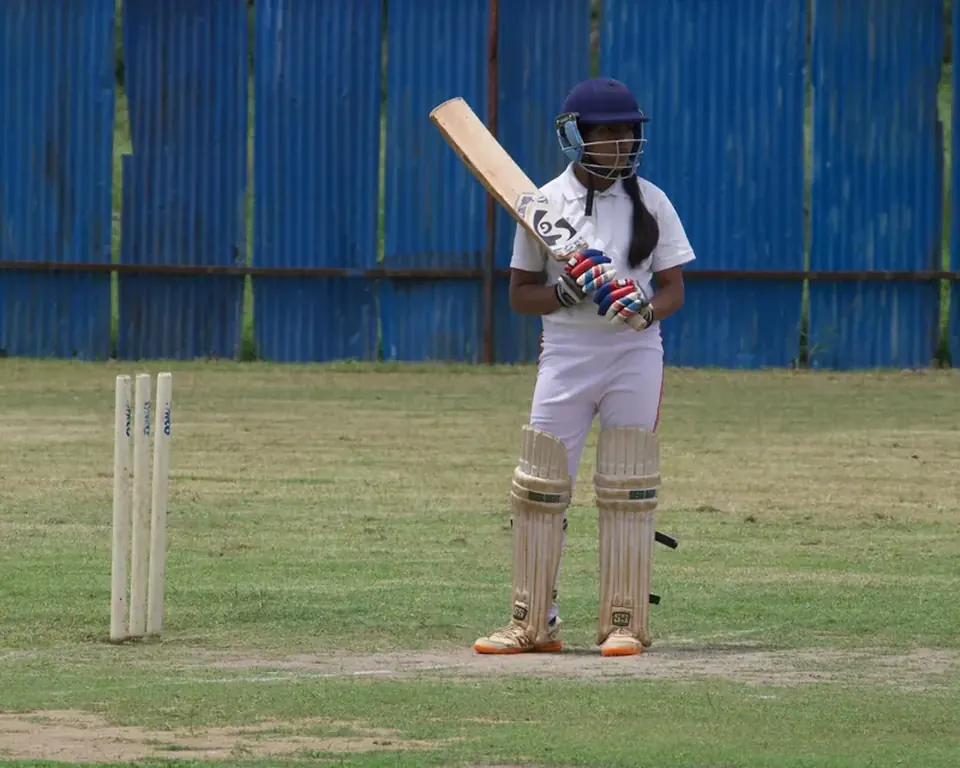
Causes: Confusion between material types. Metal spikes (usually steel or aluminium) are durable and offer maximum grip on soft ground. Plastic spikes are lighter, cheaper, and less aggressive, but they wear out faster.
Solution: Think about where you play most. If you're on club grounds with variable conditions, metal spikes give you versatility. If you're mostly on hard, dry wickets or artificial turf, plastic spikes or blades are better.
Step-by-step fix:
- For matches on prepared, grassy wickets, metal spikes are a common choice.
- For shorter-format games where grounds are often hard and fast, blades or plastic spikes are common.
- If you're a junior or weekend player, plastic spikes are fine—they're cheaper and less likely to cause injury.
- Check your club's policy. Some grounds ban metal spikes to protect the surface.
Problem 5: "My blades keep clogging with mud"
Symptoms: You're picking up clumps of dirt between the blades, making your shoes heavy and reducing grip. You feel like you're wearing cement boots.
Causes: Blades have wider gaps between them than spikes, so mud and grass get stuck more easily. This is especially bad on sticky, wet wickets.
Solution: Keep a small screwdriver or a spike-cleaning tool in your kit. Also, choose blades with a more open pattern if you play on muddy grounds.
Step-by-step fix:
- After every over (or when you're waiting to bat), scrape the mud off with a tool.
- If it's really bad, switch to spikes for that session. They clog less.
- Consider a shoe with a combination of blades and spikes—some brands offer hybrid patterns.
Problem 6: "I don't know which brand to trust"
Symptoms: You're overwhelmed by options—Adidas, New Balance, ASICS, Kookaburra, Gray-Nicolls. Everyone has an opinion.
Causes: Cricket shoe technology has evolved. Each brand has its own spike/blade system, and they're not always compatible.
Solution: Stick with what works for your foot shape and budget. Don't get sucked into marketing hype.
Step-by-step fix:
- Try on multiple brands. Adidas tends to run narrow, New Balance wider.
- Look for replaceable spikes/blades—this extends the life of your shoes.
- Check reviews from players in your local competition. They'll tell you what holds up.
- For explosive batting styles, a low-to-ground shoe with blades can give better stability.
Problem 7: "I'm a junior player—should I get spikes or blades?"
Symptoms: Your kid is starting cricket and you don't want to waste money on the wrong gear. They're growing fast, and you don't want them injured.
Causes: Junior players often have underdeveloped foot strength and coordination. Spikes can be dangerous if they catch in the ground during a fall.
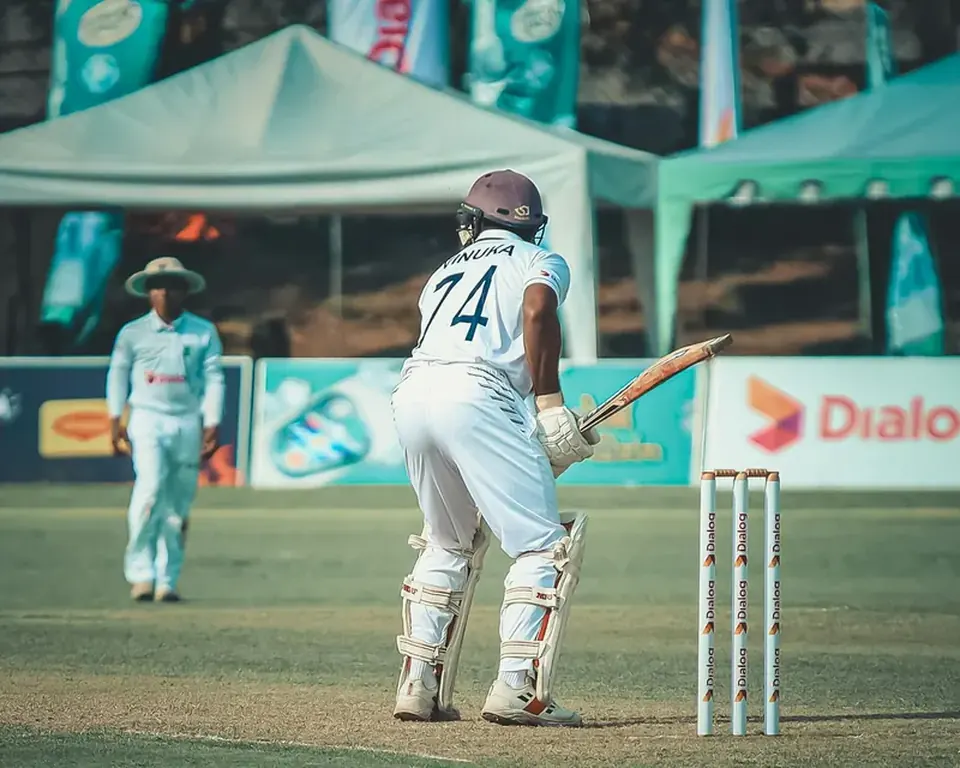
Solution: Start with rubber moulded soles or junior blades. They provide grip without the risk of spiking yourself or others.
Step-by-step fix:
- For kids under 12, get moulded rubber soles. They're safe and versatile.
- For older juniors (13-16), blades are better than spikes—they're less aggressive and easier to run in.
- Avoid metal spikes until they're playing on proper turf wickets and have good body control.
Problem 8: "I'm a wicketkeeper—do I need special shoes?"
Symptoms: You're wearing the same shoes as the batsmen, but you're slipping when you move sideways, and your toes are getting crushed.
Causes: Wicketkeepers need different traction. They move laterally more than anyone, and they need a wider base for stability when crouching.
Solution: Look for wicketkeeper-specific shoes, which often have a flat, wide sole with blades or small studs. They also have reinforced toes for protection.
Step-by-step fix:
- If you're keeping on hard ground, blades are better—they allow quick lateral movement without catching.
- On soft ground, spikes give you the grip you need for diving.
- Always get shoes with a reinforced toe cap. Your toes will thank you.
Prevention Tips: Avoid the Footwear Faux Pas
Here's how to stay ahead of the game:
- Rotate your shoes. Have a pair for practice and a pair for matches. They'll last longer.
- Check your spikes before every game. Loose or worn spikes are dangerous.
- Match your shoes to the pitch. Keep a pair of spikes and a pair of blades in your kit. You never know what the wicket will be like.
- Don't wear your cricket shoes off the field. They're not designed for concrete. Use boot covers or change shoes.
- Break them in. Don't debut your new spikes in a grand final. Wear them in training first.
When to Seek Professional Guidance
Look, I'm not a podiatrist, and this isn't medical advice. If you're having persistent foot pain, see a sports physio or podiatrist. They can analyse your gait and recommend the right shoe type for your biomechanics.
Also, if you're coaching juniors, consult with your club or relevant guidelines on footwear safety. Some associations have rules about spike types for different age groups.
For serious players, your club might have a partnership with a shoe brand. Use their expertise—they'll fit you properly.
Final Word
Choosing between cricket shoe spikes and blades isn't rocket science, but it matters. Get it right, and you'll move better, bowl faster, and bat longer. Get it wrong, and you're fighting your own feet all day.
So next time you're at the shop, think about the surface you play on, your position, and your foot shape. And if you're still stuck, ask the bloke behind the counter—he's probably seen it all.
Now go out there and plant your foot with confidence.
For more gear advice, check out our guides on cricket gear and equipment, batting gloves guide, and ball types.
Reader Comments (2)