

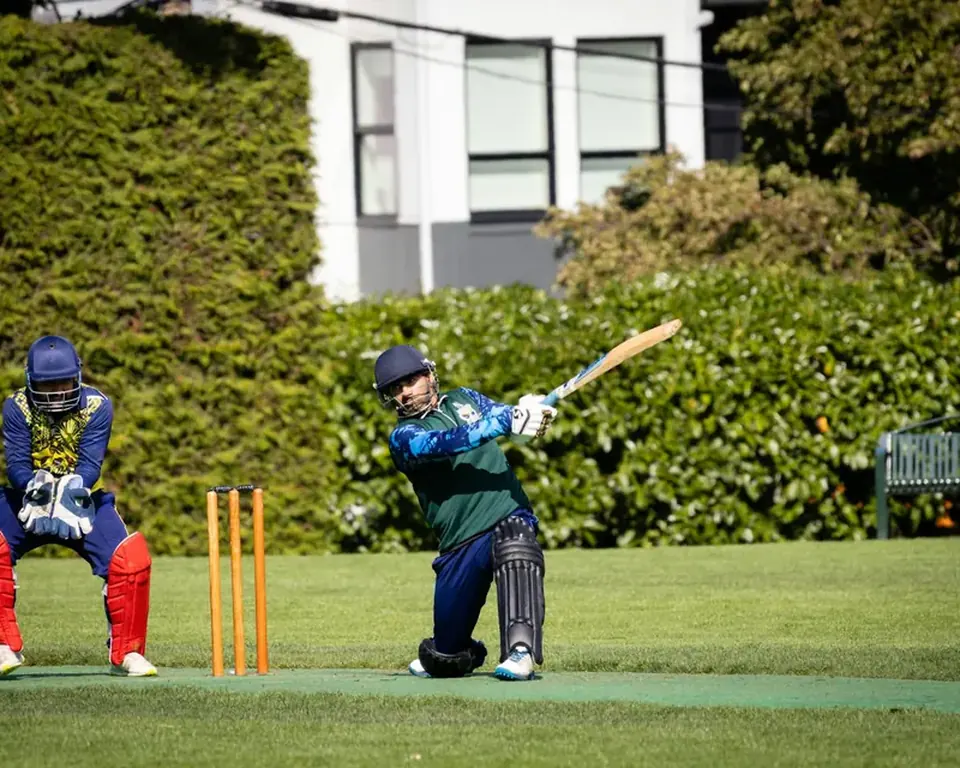
Let's be honest—there's nothing quite like the feeling of a brand-new pair of gloves. That fresh leather smell, the perfect grip, the way they mould to your hands like they were made for you. But if you've been playing for any length of time, you know that feeling doesn't last forever. Sweat, dirt, and the sheer grind of training sessions take their toll.
I've seen players turn up to trials with gloves that look like they've been through a shredder, and I've seen weekend warriors treat their gear like it's made of titanium. The truth is, your gloves are one of the most important pieces of equipment you'll own—whether you're training at a high level or just having a backyard kick with your mates.
So, how do you keep them in top shape? Let's run through the most common problems and how to fix them.
Problem 1: Sweat-Soaked Padding That Never Dries
Symptoms: Your gloves feel heavy, damp, and smell like a gym bag that's been left in the sun. The padding has lost its bounce, and you're starting to get blisters where the moisture builds up.
Causes: Gloves are designed to absorb impact, not moisture. After a long day in the field—especially during a long match or a gruelling training session—sweat soaks into the foam and leather. If you just chuck them in your kit bag and forget about them, the moisture has nowhere to go.
Solution:
- Air them out immediately after use. Don't zip them up in your bag. Lay them flat on a drying rack or hang them by the wrist straps in a well-ventilated area.
- Use a boot dryer on low heat (not high—leather doesn't like that). Pop the gloves over the nozzles for 30-60 minutes.
- Stuff with newspaper if you're in a pinch. The paper absorbs moisture and helps maintain the glove's shape. Replace the paper after a few hours.
- Avoid direct sunlight and radiators. Heat can crack the leather and warp the padding.
Problem 2: Cracked or Peeling Leather on the Palm
Symptoms: The palm surface is flaking, cracking, or peeling away. You're losing grip on the ball, and the leather feels brittle.
Causes: Leather is a natural material. It dries out over time, especially if you're playing in hot conditions. Sweat and dirt accelerate the breakdown, and cheap cleaning products can strip the natural oils.
Solution:
- Clean gently with a damp cloth and mild soap (like saddle soap or a leather cleaner). Rub in small circles, then wipe off with a clean, damp cloth.
- Condition the leather every 4-6 weeks. Use a leather conditioner or neatsfoot oil. Apply a tiny amount to a soft cloth and rub it into the palm area. Let it absorb for 15 minutes.
- Avoid soaking the gloves in water. That's a death sentence for leather.
- Store in a cool, dry place—not in your car boot during a hot day.
Problem 3: Loose or Broken Wrist Straps
Symptoms: The Velcro isn't sticking, the elastic is stretched out, or the strap has torn away from the glove body.
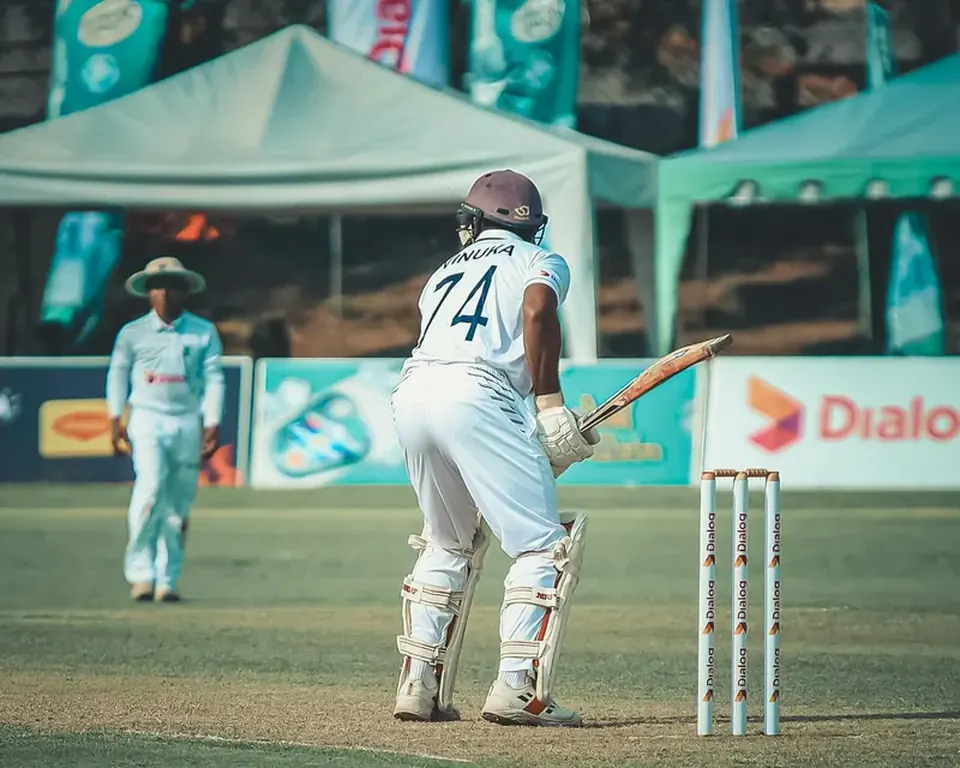
Causes: Wrist straps take a beating. You're constantly pulling them tight, and sweat weakens the adhesive and elastic over time. If you're the type who yanks them off after a tough session (we've all been there), you're putting extra strain on the attachment points.
Solution:
- Check the Velcro first. Sometimes it's just clogged with lint or dirt. Use a stiff brush or an old toothbrush to clean the hooks and loops.
- Reattach loose straps with fabric glue or a heavy-duty adhesive. Apply a thin layer, press firmly, and let it cure for 24 hours.
- Replace elastic if it's stretched beyond use. You can buy replacement wrist straps online or at a sports store. Some players even sew them on for extra durability.
- Avoid over-tightening when putting them on. Snug is good; tourniquet-level is not.
Problem 4: Foul Odour That Won't Go Away
Symptoms: Your gloves smell like a combination of sweat, mildew, and regret. Even after washing, the stench lingers.
Causes: Bacteria and fungi love warm, damp environments. When you leave your gloves in a closed kit bag for days, you're basically creating a petri dish. The smell is from microbial growth in the foam and fabric.
Solution:
- Baking soda treatment: Sprinkle a generous amount of baking soda inside the gloves. Leave it overnight, then shake it out the next day. The baking soda absorbs odours.
- Vinegar soak (for extreme cases): Mix one part white vinegar with three parts water. Use a spray bottle to lightly mist the inside of the gloves (don't soak them). Let them air dry completely. Vinegar kills bacteria and neutralises odours.
- Freeze them: Seal the gloves in a plastic bag and put them in the freezer for 24 hours. This kills most odour-causing bacteria. (Yes, it works. Yes, it's weird.)
- Use sports deodoriser sprays made specifically for sports gear. They're available at most sports stores.
Problem 5: Padding That Has Flattened or Shifted
Symptoms: The foam padding on the fingers, back of the hand, or thumb feels thin, lumpy, or has moved out of position. You're getting more sting from the ball.
Causes: Padding compresses over time, especially if you're facing quality opponents. If you store your gloves under heavy gear, the padding can also get squashed.
Solution:
- Fluff the padding by gently squeezing and massaging the foam. Sometimes it just needs to be redistributed.
- Use a steamer (or hold the gloves over a pot of boiling water for a few seconds) to soften the foam. Then reshape the padding with your fingers. Let them cool and set.
- Store gloves upright or in a glove bag that maintains their shape. Avoid stacking heavy gear on top of them.
- Replace the padding if it's completely flat. Some gloves have removable padding inserts. Check the manufacturer's website for replacements.
Problem 6: Stiff or Cracked Leather After Washing
Symptoms: You washed your gloves, and now they feel like cardboard. The leather is stiff, and the gloves are uncomfortable to wear.
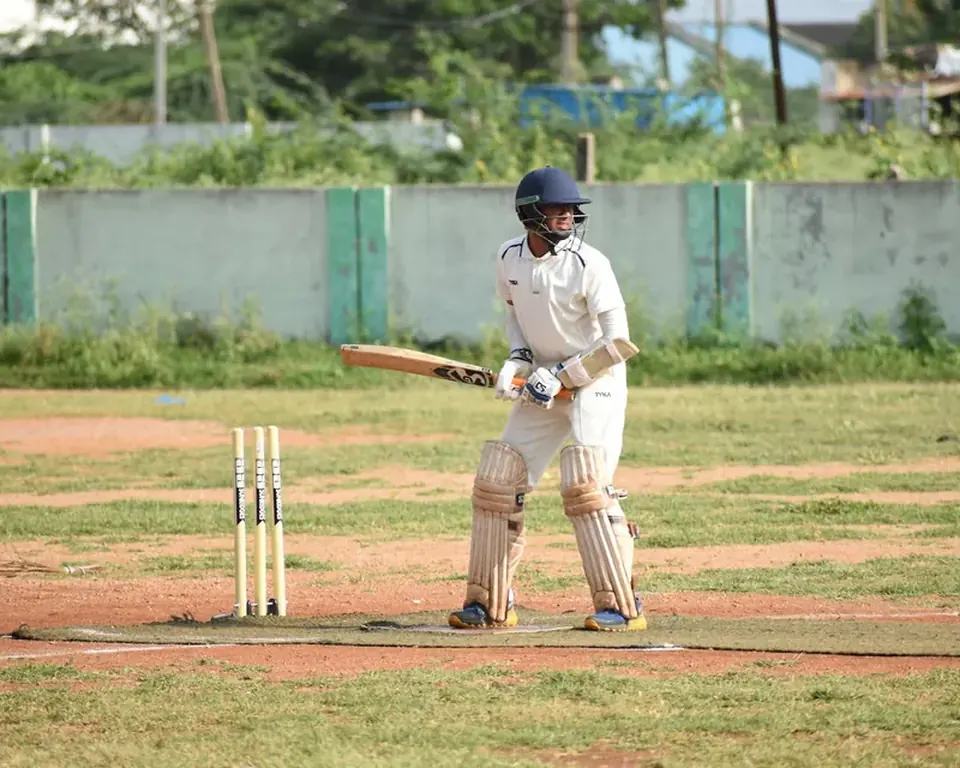
Causes: Harsh detergents, hot water, or machine washing strip the natural oils from the leather. The foam padding can also get damaged in a washing machine.
Solution:
- Never machine wash gloves. Ever. Hand wash only.
- Use a gentle leather cleaner or mild soap. Avoid anything with bleach, enzymes, or harsh chemicals.
- Recondition the leather after washing. Apply a leather conditioner or neatsfoot oil to restore flexibility.
- Wear them in again. Put the gloves on and flex your hands for 10-15 minutes. Bend the fingers, make a fist, and open your hands. This helps the leather mould back to your shape.
Problem 7: Gloves That Don't Fit Properly Anymore
Symptoms: Your gloves feel loose, baggy, or too tight. The fingers are too long or too short. You're losing grip on the ball.
Causes: Leather stretches over time, especially if you've sweated a lot. Conversely, if you've lost or gained weight (or your hands have changed), the fit can shift. Also, different brands size differently—a size in one brand might feel different in another.
Solution:
- Measure your hand properly. Wrap a measuring tape around your dominant hand just below the knuckles (excluding the thumb). Compare to the brand's sizing chart.
- Tighten wrist straps to compensate for slight looseness.
- Use glove liners or thin gloves underneath if they're a bit loose. This adds grip and fills space.
- Replace the gloves if they're more than half a size off. A poor fit affects your performance and safety.
Prevention Tips for Long-Lasting Gloves
- Rotate your gloves. If you play multiple times a week, invest in two pairs. Alternate them so each pair has time to dry out fully.
- Clean after every session. Wipe down the leather with a damp cloth. Remove any dirt or grass stains immediately.
- Store properly. Keep gloves in a cool, dry place. Use a glove bag or a mesh bag that allows airflow. Never store them in a sealed plastic bag.
- Condition regularly. Apply leather conditioner every 4-6 weeks, or more often if you play in dry climates.
- Avoid extreme temperatures. Don't leave gloves in a hot car or direct sunlight. Heat dries out leather and damages padding.
- Handle with care. Don't throw your gloves into your kit bag. Place them gently. Avoid using them as a towel to wipe sweat off your face (yes, I've seen it happen).
- Check for wear. Before each session, inspect the palms, padding, and straps. Catch small problems before they become big ones.
When to Seek Official, Club, Coach, or Professional Guidance
- If you're unsure about fit, visit a sports gear specialist. They can measure your hand and recommend the right size and brand.
- If you have recurring blisters or hand pain, consult a sports physiotherapist or your club's medical staff. Don't just blame the gloves—there might be a technique issue.
- If you're a junior player, ask your coach or club equipment manager for advice. They often have experience with what works for growing hands.
- If you're playing at a high level, consider getting custom-made gloves. Many manufacturers offer bespoke options that fit perfectly.
- If the gloves are damaged beyond repair, don't try to patch them up with tape or glue. Replace them. Your safety is not worth saving a few dollars.
Your gloves are more than just gear—they're your connection to the ball, and your protection against the play. Whether you're training at a high level or just having a session before your weekend match, taking care of your gloves will pay off in performance and longevity.
Remember: a well-maintained glove feels better, lasts longer, and keeps your hands safe. So give them a little love, and they'll return the favour.
Now go out there and play your best—with gloves that actually work.
Looking for more gear advice? Check out our guides on helmet buying and abdominal guard maintenance. And don't forget to browse our full gear and equipment section for more tips.
Reader Comments (0)