

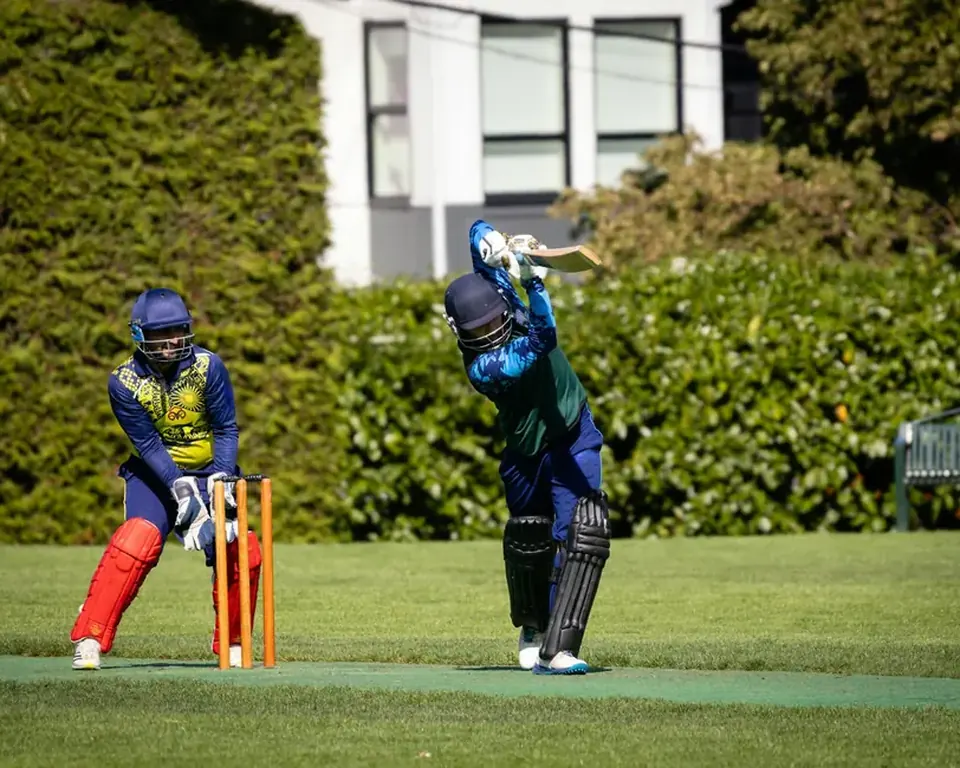
How to Deal with Short-Pitch Bowling
Short-pitch bowling—whether it’s a sharp bouncer on a lively WACA Ground pitch or a well-directed bumper on a slow MCG deck—remains one of the most challenging aspects of batting in Australian cricket. From the relentless pace of Pat Cummins in a Test series to the hostile spells in the Big Bash League (BBL), every batsman at some point faces the dilemma of how to handle rising deliveries. This guide is designed for Australian cricket players, coaches, and enthusiasts who want a practical, step-by-step approach to troubleshooting common problems when facing short-pitch bowling. We’ll cover real issues you might encounter at the crease, from technical flaws to mental lapses, and provide actionable solutions. Whether you’re in a Sheffield Shield match, a local club game, or just training at the nets, these strategies will help you stay in control.
Problem 1: Inability to Judge the Length of Short-Pitch Bowling
Symptoms: You consistently misread the bounce, either ducking too early or playing at deliveries that are too high. You get hit on the body or gloves often, or you leave balls that should be pulled or hooked. Your footwork is hesitant, and you’re often caught in two minds.
Causes: This is usually a result of poor visual focus or lack of practice against varied bounce. In Australian conditions, pitches like the SCG or WACA can have variable bounce, making length judgment tricky. Additionally, if you’re not watching the ball closely from the bowler’s hand, you’ll struggle to pick up the trajectory early.
Solution:
- Watch the ball from release: Train your eyes to lock onto the ball as soon as it leaves the bowler’s hand. This gives you an extra split second to judge length.
- Use a split-step or trigger movement: As the bowler releases, take a small, balanced step forward or back. This helps you react faster and commit to either attacking or defending.
- Practice with a bowling machine: Set the machine to deliver short-pitch balls at varied lengths (just short of a good length, back of a length, and bouncer height). Start at slower speeds and gradually increase pace.
- Drill with a partner: Have a teammate or coach throw or bowl short balls from a shorter distance to simulate reaction time. Focus on verbalising the length (e.g., “short,” “back of a length”) as the ball approaches.
Problem 2: Ineffective Hook or Pull Shot Technique
Symptoms: You attempt to hook or pull but mistime the shot, edge to the slips, or sky the ball to mid-on. You get out caught in the deep or at fine leg. You feel uncomfortable playing horizontal-bat shots.
Causes: Common technical flaws include: head falling over to the off side, hands leading the body, or not getting into a strong position early. Many players also have a fear of the short ball, leading to a rushed, uncontrolled swing.
Solution:
- Get into a strong base: As the bowler runs in, set your feet shoulder-width apart, knees slightly bent. Your weight should be on the balls of your feet.
- Keep your head still and eyes level: When the ball is short, pivot on your back foot and keep your head as still as possible. Your eyes should track the ball onto the bat.
- Lead with your front shoulder: For a pull shot, rotate your front shoulder towards the ball. For a hook, keep your front shoulder closed and use your wrists to roll the bat over the ball.
- Practice with a soft ball first: Use a tennis ball or a soft cricket ball in the nets. Focus on controlled, high-elbow swings. Gradually increase to a harder ball once you feel confident.
- Use the ‘no-fear’ drill: Have a coach or teammate throw short balls at you while you wear a helmet and chest guard. Focus solely on watching the ball and committing to the shot, even if you mistime it. This builds muscle memory.
Problem 3: Ducking or Weaving Incorrectly
Symptoms: You duck into the line of the ball, get hit on the helmet or back, or you weave away from the ball and lose your balance. You often end up on the ground or off balance, making it hard to recover.
Causes: The most common cause is poor head position. If you dip your head down or turn your face away, you lose sight of the ball and can’t judge where it will land. Another cause is not committing to the duck—trying to half-duck and half-avoid.
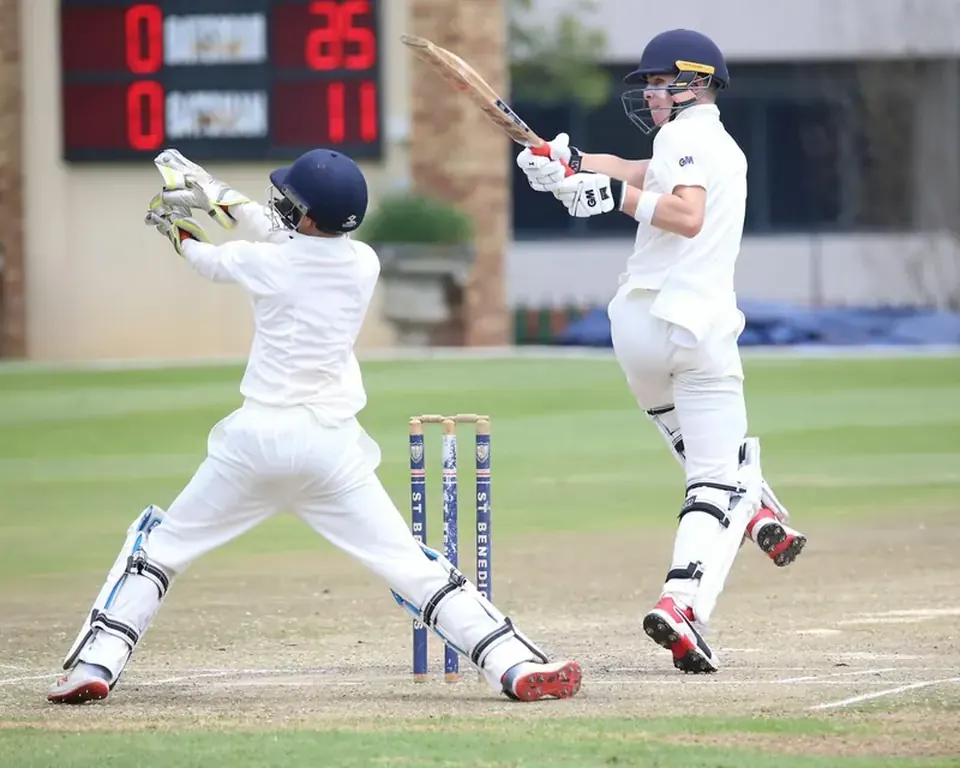
Solution:
- Keep your eyes on the ball: Even when ducking, try to keep your head up and eyes tracking the ball. This helps you adjust if the ball bounces lower than expected.
- Use a controlled duck: As the ball approaches, drop your hands and bend your knees deeply. Keep your chin tucked slightly but your eyes forward. Avoid turning your head to the side.
- Practice with a tennis ball: Have a partner throw tennis balls at chest height from a short distance. Focus on ducking with your head still and eyes on the ball. Gradually increase the speed.
- Learn the ‘sitting duck’ technique: For very short, high bouncers, sit down on your back foot (like you’re sitting in a chair) and let the ball pass over you. This keeps you balanced and ready for the next ball.
Problem 4: Inability to Score Off Short-Pitch Bowling
Symptoms: You defend or leave every short ball, even when it’s wide or not threatening. You let the bowler dictate terms, and your strike rate drops. You feel like you’re “stuck” at the crease.
Causes: Often, this is a mental block—fear of getting out or getting hit. It can also be a lack of confidence in your pull or hook shot. In some cases, it’s a technical issue where you’re not getting into position to attack.
Solution:
- Identify scoring zones: Understand that short balls can be scored off in multiple areas: square of the wicket (pull), behind square (hook), or even over the top (if it’s very short). Decide which zones you’re comfortable with.
- Use the ‘one scoring shot’ approach: In the nets, commit to playing only one attacking shot (e.g., pull) against every short ball. This builds confidence and helps you learn the timing.
- Work on your trigger movement: If you’re not getting back and across quickly enough, you’ll be stuck on the front foot. Practice a quick back-and-across movement using a mirror or video feedback.
- Play the ‘bouncer game’: In a net session, set a target of scoring 10 runs off short balls in 10 deliveries. This forces you to look for scoring opportunities rather than just defending.
Problem 5: Over-Commitment to the Front Foot
Symptoms: You consistently step forward to short-pitch bowling, getting caught on the crease or falling over. You get hit on the body or inside-edge onto the stumps. Your weight is always forward.
Causes: This is a classic problem for players who are used to driving on the front foot. It can also be a result of poor balance or not reading the length early enough. In Australian conditions, where bounce can be steep, stepping forward to a short ball is dangerous.
Solution:
- Practice the ‘back foot first’ mindset: In training, force yourself to start with your weight on your back foot against any ball that is short of a good length. Use visual cues (e.g., the bowler’s release point) to trigger this.
- Use a ‘split-step’ drill: Stand at the crease with a partner calling “short” or “full” as you shadow bat. Focus on moving your back foot first for short balls, and front foot for full balls.
- Analyse your footwork on video: Record your net sessions or match footage. Look for moments when you step forward to a short ball. Correct this by consciously staying on the back foot.
- Work on your stance: Ensure your stance is not too open or closed. A slightly open stance can help you rotate your hips and get onto the back foot more naturally.
Problem 6: Mental Fear or Anxiety Against Short-Pitch Bowling
Symptoms: You feel nervous or anxious when facing fast bowlers who bowl short. You hesitate, back away, or close your eyes. You get out cheaply and feel like you’ve “lost” the mental battle.
Causes: This is often a result of a previous negative experience (e.g., a concussion or a painful hit). It can also be a lack of confidence in your technique or a fear of failure in high-pressure situations (like a Test series against a team like India in the Border-Gavaskar Trophy).
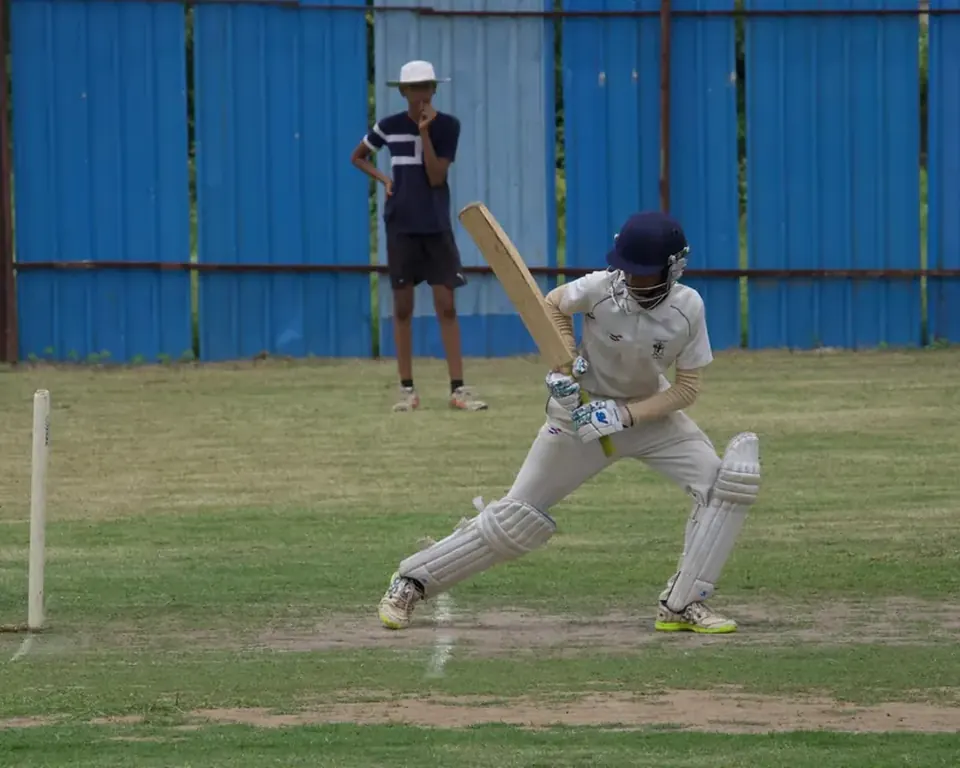
Solution:
- Use visualisation: Before a match or net session, close your eyes and visualise yourself confidently pulling or hooking a short ball. See the ball hitting the middle of the bat and the ball racing to the boundary.
- Start with slow, controlled practice: Use a bowling machine or a throwdown specialist to deliver slow short balls. Focus on staying calm and watching the ball. Gradually increase the pace as your confidence grows.
- Develop a ‘reset’ routine: When you feel fear creeping in, take a deep breath, adjust your gloves, and remind yourself of a positive memory (e.g., a good pull shot you played in a previous game).
- Talk to a coach or sports psychologist: If the fear is persistent, seek professional help. Many Cricket Australia-accredited coaches can work on mental resilience techniques.
Problem 7: Poor Positioning Against Bouncers on Slow Pitches
Symptoms: You struggle to handle short balls on slow, low-bouncing pitches (like some MCG or SCG surfaces early in the season). You either play too early or too late, and you get caught in the deep or on the crease.
Causes: Slow pitches require a different approach—you need to wait longer for the ball to arrive and adjust your shot selection. If you’re used to fast, bouncy tracks, you’ll be out of sync on slower decks.
Solution:
- Delay your shot: On slow pitches, the ball takes longer to reach you. Wait for the ball to come to you rather than rushing into the shot. Focus on watching the ball onto the bat.
- Use softer hands: When defending or playing a short ball on a slow pitch, use soft hands to absorb the pace. This prevents the ball from carrying to fielders.
- Play later: In the nets, practice against a bowling machine set to deliver short balls at a slower pace (e.g., 110 km/h). Focus on playing the ball as late as possible, just in front of your body.
- Adjust your stance: If the pitch is very slow, consider standing slightly deeper in your crease. This gives you more time to react and adjust to the bounce.
Problem 8: Inconsistent Footwork Against Short-Pitch Bowling
Symptoms: Your footwork is erratic—sometimes you go back, sometimes you stay forward, and sometimes you hop. You can’t seem to find a consistent pattern, leading to mistimed shots.
Causes: This is often a result of poor balance or a lack of a clear trigger movement. Many players overthink their footwork, leading to hesitation. Inconsistent practice habits can also contribute.
Solution:
- Develop a simple trigger movement: Choose one trigger movement (e.g., a small back-and-across step) and practice it until it becomes automatic. Use a mirror or video to check your consistency.
- Use a ‘footwork ladder’ drill: Place cones or markers on the ground to represent different lengths. Practice moving to the correct marker (back for short, forward for full) as a partner calls out lengths.
- Focus on balance: In the nets, practice staying balanced on the balls of your feet. Avoid hopping or jumping—keep your movements smooth and controlled.
- Record and review: Film your footwork in a net session. Look for patterns of inconsistency and correct them one at a time.
Prevention Tips
- Regular net practice: Dedicate at least 10–15 minutes of every net session to short-pitch bowling. Use a bowling machine or a teammate to deliver consistent short balls.
- Use protective gear: Always wear a helmet, chest guard, and arm guard when practicing against short balls. This reduces fear and allows you to focus on technique.
- Watch the ball: Make a conscious effort to watch the ball from the bowler’s hand to the bat. This is the single most important habit for handling short-pitch bowling.
- Stay relaxed: Tension in your shoulders and hands will slow your reactions. Practice deep breathing and shoulder rolls before facing a fast bowler.
- Analyse opposition bowlers: Before a match, study the bowlers you’ll face. Note their preferred length and pace. This helps you prepare mentally.
When to Seek Official, Club, Coach, or Professional Guidance
While this guide covers common troubleshooting steps, there are times when you need external help:
- Persistent technical issues: If you’ve tried these solutions for several sessions and still struggle, seek a qualified coach. A Cricket Australia-accredited coach can provide personalised feedback.
- Injury concerns: If you’re experiencing pain or discomfort after facing short balls (e.g., neck strain, shoulder issues), consult a physiotherapist or sports medicine professional. Do not ignore these symptoms.
- Mental blocks: If fear or anxiety is affecting your performance, consider working with a sports psychologist. Many state cricket associations offer mental skills programs.
- Club or team logistics: If you’re unsure about your club’s training facilities or access to bowling machines, speak to your club captain or committee. They can often arrange extra practice sessions.
- Match-day confusion: If you’re unsure about the rules regarding short-pitch bowling (e.g., no-ball rules, bouncer limits in a Test series), refer to the official Cricket Australia playing conditions or ask your umpire.
Reader Comments (0)