

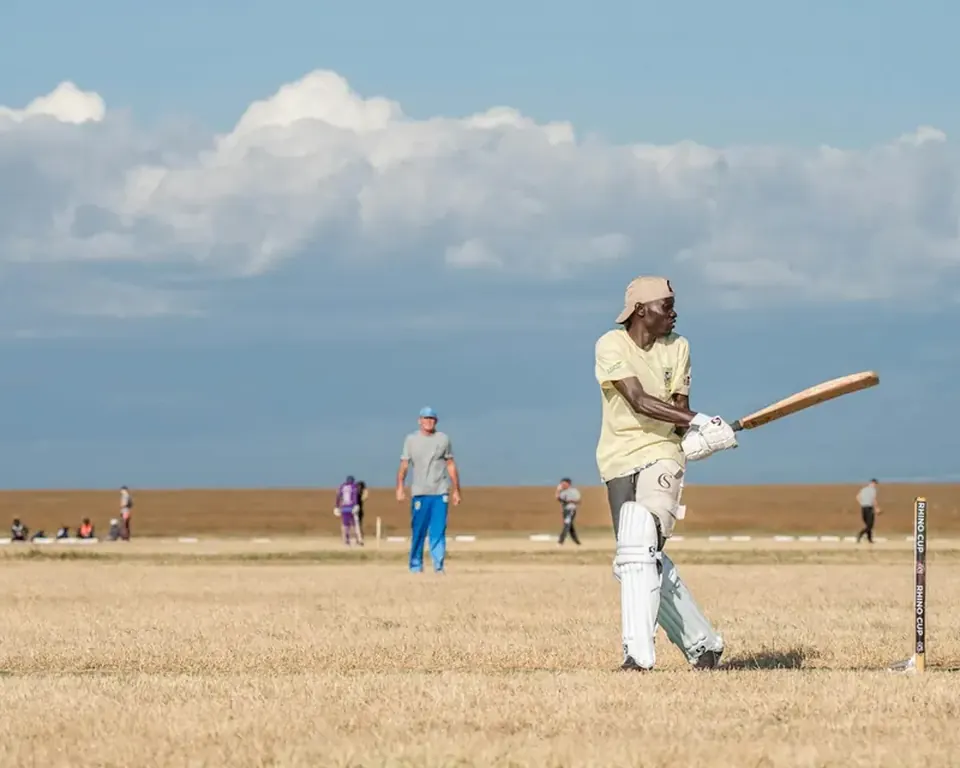
In Australian cricket, footwork separates the dependable from the spectacular. Whether you're facing Pat Cummins on a lively WACA deck, countering spin on a turning SCG wicket, or simply trying to survive a Sheffield Shield spell, your feet are your first line of defence—and your primary weapon for attack.
This guide provides a step-by-step checklist of footwork drills designed for grassroots players, club cricketers, and coaches working with developing batsmen. These drills are realistic, repeatable, and directly transferable to match conditions. By the end, you'll have a structured routine you can integrate into net sessions or pre-match warm-ups.
What You'll Achieve
- Sharper movement forward and back against pace and spin
- Improved balance and weight transfer for driving and cutting
- Better alignment for leaving and defending
- Greater confidence against short-pitched bowling
- A repeatable pre-ball trigger movement
Prerequisites / What You Need
Before diving into the drills, ensure you have the following:
- A set of stumps (or cones as markers)
- Practice balls (tennis balls for indoor work, cricket balls for outdoor nets)
- A batting tee or a feeder (a teammate or coach to deliver underarm or throwdowns)
- Flat, non-slip surface (turf or artificial pitch preferred)
- Batting pads, gloves, and helmet (safety first—even in drills)
- Water bottle (hydration breaks are essential)
- Notebook or phone to log progress and common mistakes
Step-by-Step Footwork Drills
Step 1: The Shadow Trigger – Building Your Pre-Ball Movement
Every quality batsman has a consistent trigger movement. This drill ingrains it.
How to do it:
- Stand in your normal batting stance in front of a mirror or with a coach observing.
- Without a ball, practice your trigger step—a small back-and-across movement as the bowler approaches.
- Repeat 20 times, focusing on:
- Keeping your head still and eyes level
- Weight transferring onto your back foot slightly
- Maintaining a relaxed grip
- Progress to doing this while a feeder calls "play" at random intervals.
Common mistake: Over-exaggerating the trigger. Keep it small—no more than 10-15 cm back and across.
Step 3: Forward Press and Drive – Attacking the Half-Volley
This drill develops the forward press—the step that gets you to the pitch of the ball.
How to do it:
- Set a batting tee at a good length position (approximately 6-8 metres from the stumps).
- From your stance, step forward with your front foot, keeping your head over your knee.
- Drive the ball through the line—aim for mid-on or mid-off.
- Repeat 15 times, then switch to a feeder delivering underarm throws at a similar length.
- Progress to throwdowns from a coach at varying lengths.
Common mistake: Lifting your head as you step forward. Keep your eyes fixed on where the ball will be.
Step 3: The Back Foot Punch – Handling Short Bowling
Short-pitched bowling is a staple of Australian conditions, especially on bouncy WACA or MCG decks. This drill trains the back foot response.
How to do it:
- Have a feeder stand 12-15 metres away and deliver tennis balls (or soft balls) at chest-to-head height.
- Your task is to rock back onto your back foot, transfer weight, and punch the ball through the off-side or leg-side.
- Focus on:
- Getting your back foot deep into the crease
- Keeping your hands high and close to your body
- Complete 20 repetitions, alternating between off-side and leg-side punches.
- Progress to facing a bowling machine set to short length.

Common mistake: Dropping your hands as you go back. Keep them at shoulder height to avoid edging to slips.
Step 4: The Split Step and Leave – Defending Against Movement
Leaving the ball well is an art. This drill teaches you to read length and move accordingly.
How to do it:
- A feeder stands 15 metres away with a bucket of balls.
- They deliver underarm or overarm at varying lengths—some full, some short, some good length.
- Your job is to:
- Take a small split step forward as the ball is released
- If the ball is short, rock back and leave (let it pass)
- If full, step forward and defend
- Complete 25 repetitions, with the feeder varying length randomly.
- Progress to a bowling machine set to seam movement off the pitch.
Common mistake: Committing too early. Wait until you've judged the length before moving decisively.
Step 5: The Sweep and Reverse Sweep – Against Spin on Turning Wickets
Spin is a major factor in Australian cricket, particularly on SCG and MCG surfaces. This drill builds confidence against slow bowling.
How to do it:
- Set a batting tee at off-stump line, 6 metres from the stumps.
- From your stance, step forward and across to the pitch of the ball.
- Sweep the ball square on the leg-side, keeping your head over your front knee.
- Repeat 15 times, then practice the reverse sweep (switch grip and sweep to the off-side).
- Progress to facing a spinner in the nets, focusing on using your feet to get to the pitch.
Common mistake: Sweeping from outside off stump. Only sweep balls on or around leg stump—otherwise, you risk top-edging to short fine leg.
Step 6: The Lateral Step – Cutting and Square Driving
This drill trains lateral movement for cuts and square drives.
How to do it:
- A feeder stands at a 45-degree angle to you, 10 metres away.
- They deliver short-pitched balls outside off stump (at waist height).
- Your task is to:
- Step laterally onto your back foot
- Open your stance slightly
- Cut the ball through point or backward point
- Complete 20 repetitions, then switch to square drives on the leg-side.
- Progress to facing a bowling machine set to wide of off stump.
Common mistake: Reaching for the ball. Step across fully so you're in line with the delivery.
Step 7: The Quick Single – Running Between Wickets
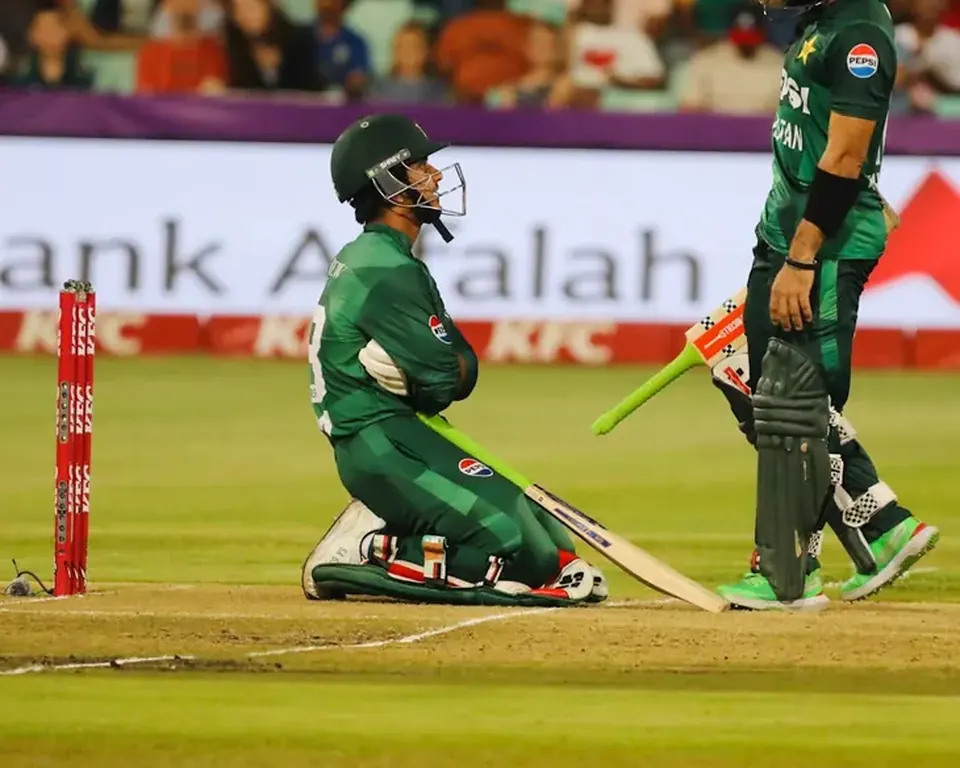
Footwork isn't just about the shot—it's about converting singles into twos.
How to do it:
- Set two sets of stumps 22 yards apart.
- Practice running between wickets with a partner, focusing on:
- Picking up the ball quickly
- Turning efficiently (plant your bat and pivot)
- Calling clearly ("yes," "no," "wait")
- Perform 10 runs at match intensity, then rest.
- Progress to having a coach call "run" during net sessions.
Common mistake: Running in a straight line. Curve slightly to avoid the bowler's direct hit.
Pro Tips / Common Mistakes
Pro Tips
- Film your drills. Set up a phone on a tripod and review your footwork after each session. You'll spot imbalances you didn't feel.
- Use a metronome app. Set it to 60-80 bpm and time your trigger step to the beat. This builds rhythm.
- Practice barefoot on grass. This strengthens foot and ankle muscles and improves proprioception (your sense of body position).
- Incorporate these drills into your pre-match warm-up. Two minutes of shadow footwork before you bat primes your nervous system.
- Work with a qualified coach. A good coach will spot flaws in your footwork that you can't see yourself.
Common Mistakes
- Weight on your heels. You should feel balanced on the balls of your feet, ready to move either way.
- Staying in your crease. Against spin, you must either go forward to the pitch or go back deep. Half-measures get you out.
- Ignoring the non-dominant side. Right-handers often neglect leg-side footwork. Practice stepping to leg as much as to off.
- Overthinking. Drills are for building muscle memory. Once in the middle, trust your feet and react.
Checklist Summary
Use this checklist before, during, and after each training session.
Pre-Session Preparation
- Warm up with dynamic stretches (lunges, high knees, leg swings)
- Check equipment: bat, pads, gloves, helmet
- Set up stumps, cones, and practice balls
- Hydrate
- 20 repetitions in front of a mirror
- Focus on head still, small step back and across
- 15 tee drives, then 15 throwdown drives
- Head over front knee, drive through the line
- 20 repetitions against short-pitched throwdowns
- Hands high, weight on back foot
- 25 repetitions against varied lengths
- Split step on release, judge length, then move
- 15 sweeps, 15 reverse sweeps from a tee
- Head over front knee, only sweep leg-stump balls
- 20 cut shots against short, wide deliveries
- Step across fully, cut through point
- 10 runs between wickets with a partner
- Clear calling, efficient turns
- Film review: check head position, trigger, balance
- Note 2-3 areas to improve next session
- Cool down with static stretching
- Rehydrate and refuel
Further Reading
For more on batting technique and training, explore these related guides on Colors of the Wind:
- Tactics and Training Hub – Build your complete training plan
- Spin Bowling Variations Guide – Understand what bowlers are trying to do to you
- Catching Drills Under Pressure – Turn your fielding into a match-winning asset
Final Word
Footwork is the foundation of every great innings, from Steve Smith's unorthodox trigger to David Warner's explosive first-step movement. These drills won't make you a Test cricketer overnight—but they will give you the tools to build a more reliable, repeatable technique.
Remember: consistency beats intensity. Ten minutes of focused footwork every training session will yield better results than one marathon session once a month. Start with the checklist, track your progress, and watch your footwork transform from a weakness into a weapon.
Now get to the nets—your feet are waiting.
Reader Comments (0)