

Look, I'll be straight with you—cricket scorecards can look like a foreign language if you're new to the game. But here's the thing: once you know what you're looking at, that scorecard tells you the whole story of a Test match. Whether you're a footy fan trying to figure out what your mates are on about during an Ashes series, or a grassroots player wanting to understand the game better, learning to read a scorecard is like getting the cheat codes.
In this guide, I'll walk you through exactly how to read an Ashes scorecard—what those numbers mean, what stats actually matter, and how to spot the key moments that decided the match. By the end, you'll be able to look at any Test scorecard and know exactly what happened, no commentary required.
What You'll Need
Before we dive in, here's what you should have handy:
- A recent Ashes scorecard—grab one from the Cricket Australia website or any sports news site. The 2023 Ashes series is perfect for practice.
- Basic cricket knowledge—you should know the difference between batting, bowling, and fielding. If you're coming from Aussie Rules, think of it like knowing the difference between a mark, a handball, and a goal.
- About 15 minutes—that's all you need to get the hang of this.
Step 1: Start with the Match Summary
Right at the top of any Ashes scorecard, you'll see the match summary. This is your quick snapshot. It tells you:
- Which teams played (usually Australia vs England for The Ashes)
- Where the match was played (MCG, SCG, WACA Ground, Lord's, The Oval, etc.)
- The match result (who won, by how many runs or wickets)
- The dates (Test matches go for five days)
- Player of the Match (the standout performer)
Step 2: Understand the Innings Structure
Test cricket is unique because each team gets two innings (unless it's a draw or rain-affected). On an Ashes scorecard, you'll see the innings laid out in order:
First Innings:
- Australia batted first (or second, depending on the toss)
- Then England batted
- Australia batted again
- Then England batted (if needed)
Pro tip: If you see "declared" instead of "all out," it means the captain chose to end the innings early to try and force a result. Pat Cummins or Steve Smith might do this to give their bowlers more time to take wickets.
Step 3: Break Down the Batting Stats
Now we're getting into the good stuff. Each batting innings has a table with these columns:
- Batter's name (e.g., David Warner, Steve Smith, Marnus Labuschagne)
- How they got out (caught, bowled, LBW, run out, etc.)
- Runs scored (the main number you care about)
- Balls faced (how many deliveries they faced)
- Minutes at the crease (how long they batted)
- Fours (boundaries)
- Sixes (over the rope on the full)
- Strike rate (runs per 100 balls—less important in Tests, but still useful)
- Big scores: 100+ is a century, 50+ is a half-century. These are circled or highlighted on most scorecards.
- Dismissal patterns: If you see "c Smith b Cummins" next to an England batter, it means they were caught by Steve Smith off the bowling of Pat Cummins.
- Partnerships: Some scorecards show the runs scored while each batter was at the crease. This tells you which pairs built the big stands.
- Ducks: A zero is called a duck. If you see multiple ducks in one innings, that team had a shocker.
Step 4: Decode the Bowling Figures
Right below the batting, you'll see the bowling analysis. This is where the bowlers get their credit. The columns are:
- Bowler's name (e.g., Pat Cummins, Mitchell Starc, Josh Hazlewood)
- Overs bowled (6 balls per over)
- Maidens (overs where no runs were scored)
- Runs conceded (total runs given away)
- Wickets taken (the big number)
- Economy rate (average runs per over)
- Wides and no-balls (extras)
- Five-wicket hauls: If a bowler takes 5 or more wickets in an innings, that's a massive achievement. You'll see "5/60" or similar—that's 5 wickets for 60 runs.
- Economy rates under 3: In Test cricket, that's excellent. Under 2 is world-class.
- Maiden overs: Lots of maidens means the bowler was keeping the pressure on, not just taking wickets.

Step 5: Check the Extras and Fall of Wickets
This is where newbies often get confused, but it's gold for understanding the game.
Extras are runs that don't come off the bat. They include:
- Byes (ball goes past the keeper and batter)
- Leg byes (ball hits the batter's body but not the bat)
- Wides (ball is too far from the batter)
- No-balls (bowler oversteps or bowls a dangerous delivery)
- Penalties (rare, but happens)
Fall of Wickets is a list showing when each wicket fell. It looks like this:
- 1-15 (first wicket at 15 runs)
- 2-43 (second wicket at 43 runs)
- 3-44 (third wicket at 44 runs)
Step 6: Interpret the Match Summary and Key Stats
At the bottom of the scorecard, you'll often see a match summary with:
- Toss result (who won the toss and what they chose)
- Highest partnership (the biggest stand of the match)
- Best bowling figures (the standout bowler)
- Fastest fifty/century (if relevant)
- Records broken (e.g., most runs in an Ashes series)
- If the team batting first scored 500+, they probably dominated.
- If the team batting second collapsed for under 200, the pitch might have been tricky or the bowling was exceptional.
- If a match ends in a draw, look at how many overs were lost to rain or bad light.
Step 7: Compare Scorecards Across the Series
This is where you become a real Ashes analyst. Don't just read one scorecard—compare them across the series.
Look for patterns:
- Is David Warner struggling against a specific bowler? If he's dismissed by Stuart Broad in three straight innings, that's a story.
- Is Steve Smith scoring runs consistently? If he's got centuries in two of three matches, he's in form.
- Are the bowlers taking wickets in clusters? If Pat Cummins takes three wickets in the first session of each match, he's setting the tone.
Common Mistakes to Avoid
1. Only looking at runs scored A batter who makes 30 but faces 150 balls in tough conditions has done more than someone who makes a quick 50 on a flat pitch. Context matters.
2. Ignoring the pitch report A scorecard doesn't tell you the pitch condition. A low-scoring match might be a bowling masterclass, not a batting failure.
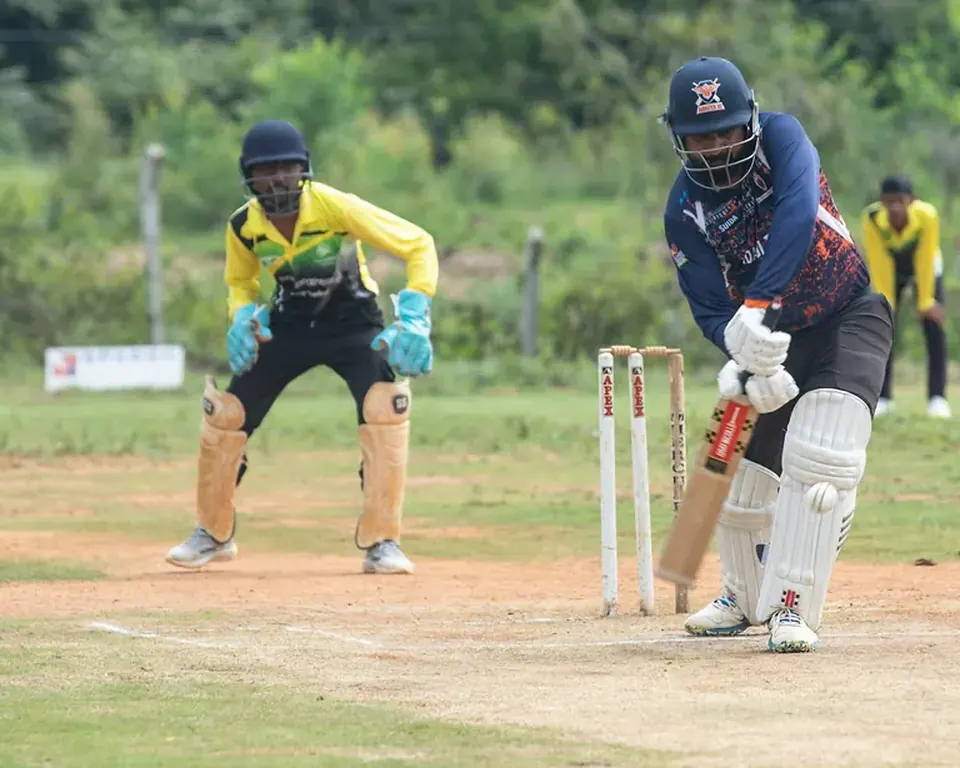
3. Forgetting about fielding Dropped catches don't appear on the scorecard, but they change matches. If you see a batter survived a chance early, check the commentary.
4. Confusing strike rate with quality In Test cricket, a strike rate of 40 can be brilliant if the team needs to bat for time. Don't judge Test batters by T20 standards.
5. Overlooking the second innings The first innings sets the game up, but the second innings often decides it. Always check both.
Checklist Summary
Here's your quick-reference checklist for reading any Ashes scorecard:
- Check the match summary—who won, by how much, where, and when
- Identify the innings order—which team batted first, second, third, fourth
- Look at each batter's runs, balls faced, and how they got out
- Spot centuries (100+) and half-centuries (50+)
- Check bowling figures—wickets, runs conceded, economy rate
- Look for five-wicket hauls and maiden overs
- Review extras—high numbers suggest discipline issues
- Examine the fall of wickets for partnership patterns and collapses
- Read the match summary for toss result, highest partnership, and best bowling
- Compare across the series for trends and key matchups
- Check the pitch report and weather conditions for context
Next time you're watching a Test series or checking the BBL scores, pull up the scorecard and walk through these steps. Within a few matches, you'll be the person at the pub explaining to your mates exactly why Pat Cummins' spell changed the game, or why Steve Smith's century was the difference.
And if you're a footy fan trying to get into cricket, think of it this way: a scorecard is like the stats sheet after an AFL match. The numbers tell you who kicked the goals, who had the most disposals, and who dominated. Same deal here—just with more columns and fewer behinds.
Now go grab an Ashes scorecard and put this into practice. You've got this.
Need more cricket knowledge? Check out our guides on the rules and positions, how to read an AFL scoreboard, and understanding the AFL scoring system.
Reader Comments (0)