

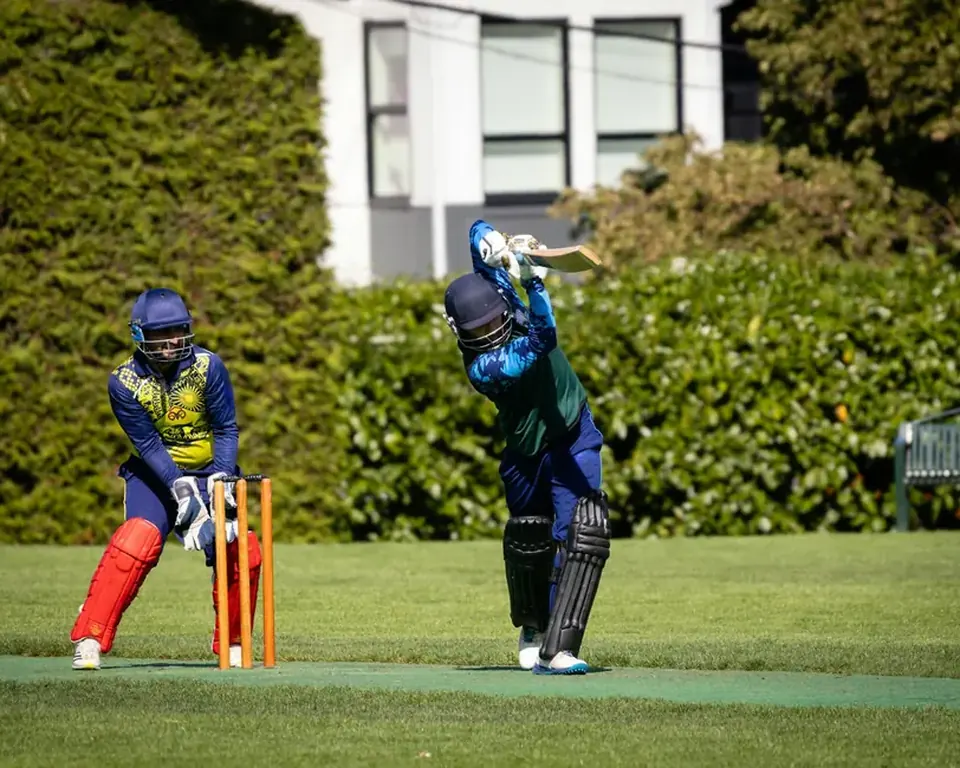
Look, I'll be straight with you—there's nothing worse than feeling that twinge in your knee halfway through a long day in the field. Whether you're slogging it out in the Sheffield Shield, having a net session ahead of the Big Bash League season, or just trying to keep up with your local club's weekend warrior brigade, knee issues are the great equaliser. They don't care if you're a fast bowler steaming in or a batter crouching at slip—your knees take a hammering.
Knee braces have become a staple in cricket gear bags across the country, from the WACA Ground to the MCG. But here's the thing: slapping on a brace without knowing what you're doing is about as useful as bringing a beach umbrella to a Test series in Manchester. You need the right approach, the right fit, and the right understanding.
So let's cut through the confusion. This isn't a medical guide—I'm not a doctor, and I'm not about to pretend I am. What I am is someone who's seen too many cricketers hobble off the SCG or struggle through a Women's Big Bash League season because they got their knee brace situation wrong. Here's your practical troubleshooting guide.
Problem 1: My Knee Brace Keeps Slipping Down During Play
Symptoms: You're mid-delivery stride, or you've just dived to stop a boundary, and suddenly your brace is bunched around your ankle. You spend more time adjusting it than focusing on the game.
Causes: This is almost always a sizing or fit issue. Knee braces aren't one-size-fits-all, despite what the packaging might suggest. If you've bought a "universal" brace off a random website, chances are it's not designed for the specific movements cricket demands—running, stopping suddenly, crouching in the field, or pivoting at the crease. Also, sweat and moisture from a long day in the sun can make straps lose their grip.
Solution: First, measure your thigh and calf circumference properly. Most quality braces need specific measurements, not just "I'm a medium bloke." Look for braces with silicone gripper strips on the inner lining—these help anchor the brace to your skin or compression layer. If you're playing a full day of cricket, consider wearing a thin, moisture-wicking undershort or sleeve underneath. This gives the straps something to grip. Also, check your strap tension: too tight and you'll cut circulation, too loose and you'll be fishing it off your foot by tea.
Problem 2: The Brace Causes Chafing or Skin Irritation
Symptoms: After a session in the nets or a day in the field, you've got raw, red skin behind your knee or along the strap lines. It stings in the shower and makes you dread putting the brace back on.
Causes: Cheap materials, poor ventilation, or wearing the brace directly on bare skin. Some braces use synthetic fabrics that don't breathe, trapping sweat and heat. Others have rough edges on the straps or padding that rub with repetitive movement—and let's be honest, cricket involves a lot of repetitive movement.
Solution: Always wear a thin cotton or moisture-wicking sleeve under your brace. Think of it like socks under shin pads. Look for braces with perforated neoprene or breathable mesh panels—some brands offer options with better airflow. Apply anti-chafing balm or talcum powder to the areas where straps sit. And here's a tip from the pros: if you're playing multiple days in a row, rotate between two braces so each one has time to air out and dry completely.
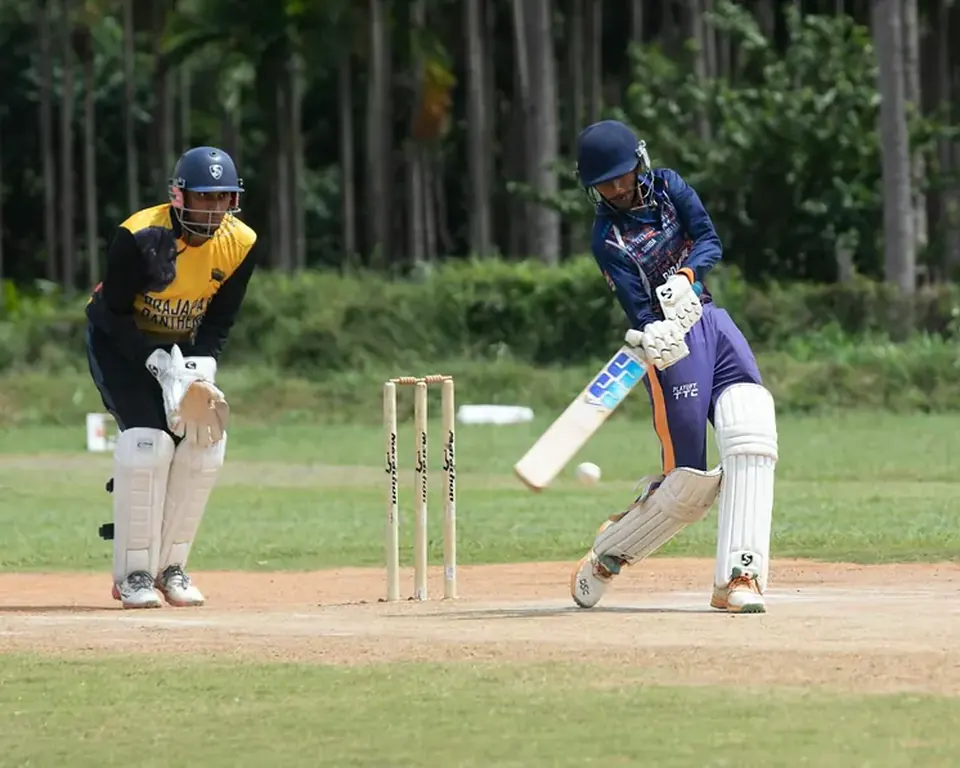
Problem 3: I Can't Bend My Knee Properly While Batting or Bowling
Symptoms: You feel restricted in your stance, your run-up feels clunky, or you can't get low enough to play a sweep shot. The brace feels like it's fighting you instead of helping you.
Causes: You're likely using a rigid or hinged brace when you actually need something more flexible. Not all knee braces are created equal—some are designed for post-surgery immobilisation, others for general support during activity. If you've grabbed a heavy-duty brace meant for recovery, it's going to limit your range of motion too much for cricket's dynamic movements.
Solution: Match the brace type to your activity level. For cricket, you generally want a "prophylactic" or "functional" brace—these allow a full range of motion while providing medial and lateral support. Hinged braces should have adjustable stops so you can control how far your knee extends or flexes. If you're a fast bowler, look for a brace with a patellar cut-out that doesn't compress your kneecap during load-bearing. For batters who need to pivot and turn, a sleeve-style brace with spiral stays offers support without the bulk.
Problem 4: My Knee Still Hurts Even With the Brace On
Symptoms: You've got the brace fitted correctly, you're wearing it every session, but that nagging ache or sharp pain isn't going away. You're starting to wonder if the brace is just a very expensive placebo.
Causes: This is the big one, and it's where most people get it wrong. A knee brace is a support tool, not a cure. If you have underlying issues—patellar tendinopathy, meniscus problems, or ligament instability—the brace can only do so much. It might be masking the symptoms while the root cause gets worse. Also, you might be wearing the wrong type of brace for your specific issue. A general compression sleeve won't help if you have MCL instability.
Solution: First, stop playing and get a proper assessment from a physiotherapist or sports medicine professional. This isn't something to "tough out" through a Test series or a T20 World Cup campaign. A professional can tell you exactly what's going on and recommend a brace with the right features—hinged for ligament issues, patellar strap for jumper's knee, offloading brace for arthritis. Once you have the right brace, combine it with a strengthening program for your quadriceps, hamstrings, and glutes. Strong muscles take pressure off the joint. And don't forget: rest, ice, and proper warm-ups are non-negotiable.
Problem 5: My Brace Smells Terrible After a Few Sessions
Symptoms: You open your cricket bag and get hit by a wave of something that smells like a wet dog crossed with a locker room. Your teammates are giving you side-eye.
Causes: Sweat, bacteria, and lack of cleaning. Knee braces are made of neoprene, foam, and fabric that absorb moisture like a sponge. When you leave them crumpled in your bag after a day at the MCG or a hot session at the SCG, bacteria multiply. The smell isn't just offensive—it can also cause skin infections.
Solution: Wash your brace after every use. Hand wash with mild soap and cold water, then air dry away from direct heat (no radiators or dryers, they'll destroy the elastic). Some braces are machine-washable—check the label. Use a sports equipment deodoriser spray between washes. And here's a pro tip: keep your brace in a separate mesh bag in your cricket kit, not shoved in with sweaty socks and a damp towel. Let it breathe.
Problem 6: I Don't Know Which Knee Brace to Buy for My Specific Position
Symptoms: You're standing in a sports shop or scrolling online, and there are fifty different knee braces. Hinged, sleeved, wraparound, with straps, without straps. You have no idea which one is right for a wicketkeeper versus a fast bowler versus a batter.
Causes: Cricket involves very different movement patterns depending on your role. A wicketkeeper like those in the Women's Big Bash League needs deep squatting and rapid lateral movement. A fast bowler needs stability during high-impact landing. A batter needs flexibility for rotation and quick singles. One brace won't suit all.
Solution: Match the brace to your movement demands:
- Wicketkeepers: Look for a low-profile, flexible sleeve brace with patellar support. You need full range of motion for squatting. Avoid bulky hinges.
- Fast bowlers: A hinged brace with medial/lateral support is ideal. You need protection during the delivery stride and landing. Make sure it has anti-migration straps.
- Batters: A wraparound brace with adjustable compression works well. You need support during pivoting and running between wickets, but not so much restriction that you can't turn.
- Fielders: A general compression sleeve with silicone grippers is usually enough, unless you have a specific injury history.
Prevention Tips: Keeping Your Knees in the Game
Alright, let's talk prevention before you even need to troubleshoot. Here's what I've learned from watching the Sheffield Shield grind and talking to physios who've worked with Cricket Australia:
- Strengthen year-round, not just in season. Your knees are only as strong as the muscles around them. Quad, hamstring, glute, and calf exercises should be part of your weekly routine, even in the off-season.
- Warm up properly. I know, you've heard it a thousand times. But dynamic stretching and activation drills before you bowl or bat make a real difference. Cold muscles don't absorb shock well.
- Don't ignore niggles. That little ache behind your knee after a long day at the WACA? That's your body talking. Listen to it. Rest, ice, and see a professional before it becomes a season-ending injury.
- Replace your brace regularly. Neoprene and elastic lose their support over time. If your brace is more than a year old and you use it regularly, consider replacing it.
- Watch your footwear. The right cricket boots with good ankle support and cushioning can reduce the load on your knees. We've got a guide on that over at our cricket boots buying guide if you want to dig deeper.
When to Seek Professional Guidance
Here's the hard truth: a knee brace is a tool, not a doctor. If you're experiencing persistent pain or discomfort, it's wise to see a physiotherapist, sports doctor, or orthopaedic specialist. Don't try to brace your way through it. The Border-Gavaskar Trophy isn't worth a ruined knee, and neither is a club grand final.
For choosing the right gear, your local cricket store or a sports physio can help you get fitted properly. And if you're looking for other cricket equipment advice, check out our guide on cricket wicket-keeping gloves and our main gear and equipment hub.
Your knees have to carry you through a long cricket career—whether that's a single season of local club cricket or a decade of Test series. Treat them right, use your brace smartly, and you'll be running between wickets long after others have hobbled off.
Reader Comments (0)