

Kookaburra Ball Types for Test and ODI Cricket
If you’ve ever watched an Ashes Test at the MCG or a World Cup final at the SCG, you’ve probably noticed the shiny red ball doing its thing. That’s a Kookaburra, mate. For decades, Kookaburra has been the go-to ball for Test and ODI cricket in Australia, and understanding the different types can help you appreciate the game—and maybe even pick the right one for your next backyard session. Let’s break down the key Kookaburra ball types used in professional cricket down under.
Kookaburra Turf Red (Test Match Ball)
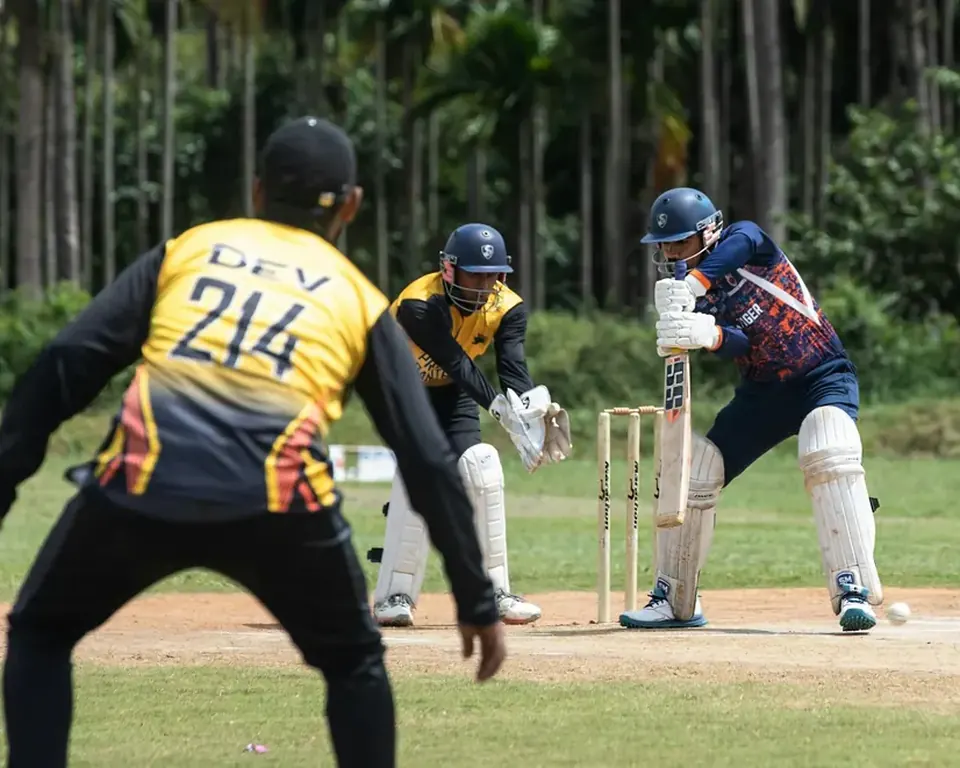
The Kookaburra Turf Red is the standard ball for Test cricket in Australia, including the Sheffield Shield and other domestic first-class matches. It’s a four-piece, hand-stitched ball made from premium Australian leather, designed to swing early and hold its shape for 80 overs. Unlike the Duke ball used in England, the Kookaburra tends to offer less seam movement but more consistent bounce, which suits the hard, bouncy pitches at grounds like the WACA and the SCG. For players like Pat Cummins and Steve Smith, this ball is the bread and butter of red-ball cricket.
Kookaburra Turf White (ODI Ball)
For one-day internationals and the Big Bash League, the Kookaburra Turf White is the weapon of choice. It’s the same four-piece construction as the red version but with a white coating for better visibility under lights. The white ball tends to swing a bit more early on, especially in dew-heavy conditions at night games. David Warner and the Women’s Big Bash League stars often rely on this ball for its durability and consistent performance over 50 overs. It’s also used in limited-overs internationals, though the T20 format sometimes uses a slightly different variant.
Kookaburra Turf Pink (Day-Night Test Ball)
When Cricket Australia introduced day-night Test cricket, the Kookaburra Turf Pink was born. This ball is identical in construction to the red and white versions but dyed pink to stay visible under floodlights. It is often said to swing more than the red ball, especially in the twilight period, which can make life tough for batters like Steve Smith. The pink ball is used in Ashes day-night Tests at the Adelaide Oval and has become a staple of the Test series calendar.
Kookaburra Regulation Ball (Club and Junior Level)
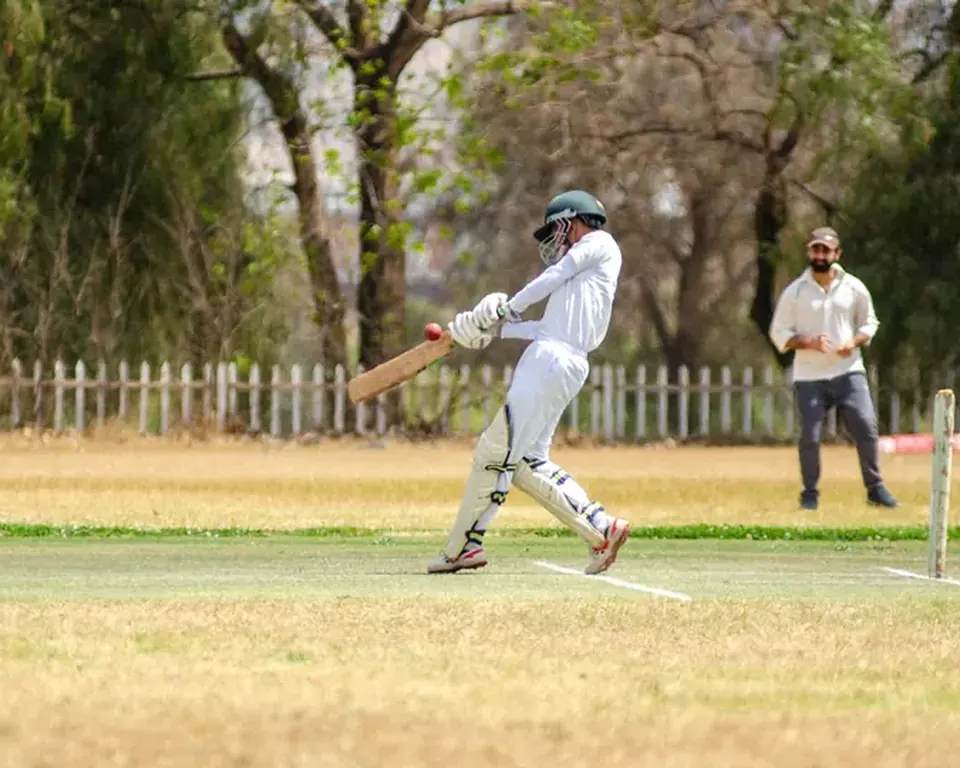
For club cricketers and juniors, the Kookaburra Regulation ball is the go-to. It’s a two-piece or four-piece ball depending on the grade, made from synthetic or lower-grade leather, and it’s designed to be more affordable and durable. While it doesn’t swing as much as the Turf range, it’s perfect for training and weekend matches. If you’re checking out gear on our /gear-equipment page, you’ll see these balls often recommended for beginners.
Kookaburra Special Ball (Training and Practice)
The Kookaburra Special is a training ball used in nets and practice sessions. It’s usually a two-piece construction with a synthetic cover, making it harder and less likely to scuff. It’s not used in official matches but is great for working on your grip and swing without wearing out a match ball. You can pair it with a cricket bat from our /cricket-bat-weight-guide to get the feel right.
Kookaburra Supreme Ball (High-Performance Club)
The Kookaburra Supreme sits between the Regulation and Turf ranges. It’s a four-piece ball with a harder core and better stitching, offering more swing and durability than the Regulation but at a lower price than the Turf. It’s popular in grade cricket and high-level club competitions. For bowlers looking to step up, this ball is a solid choice.
Kookaburra Indoor Ball (Indoor Cricket)
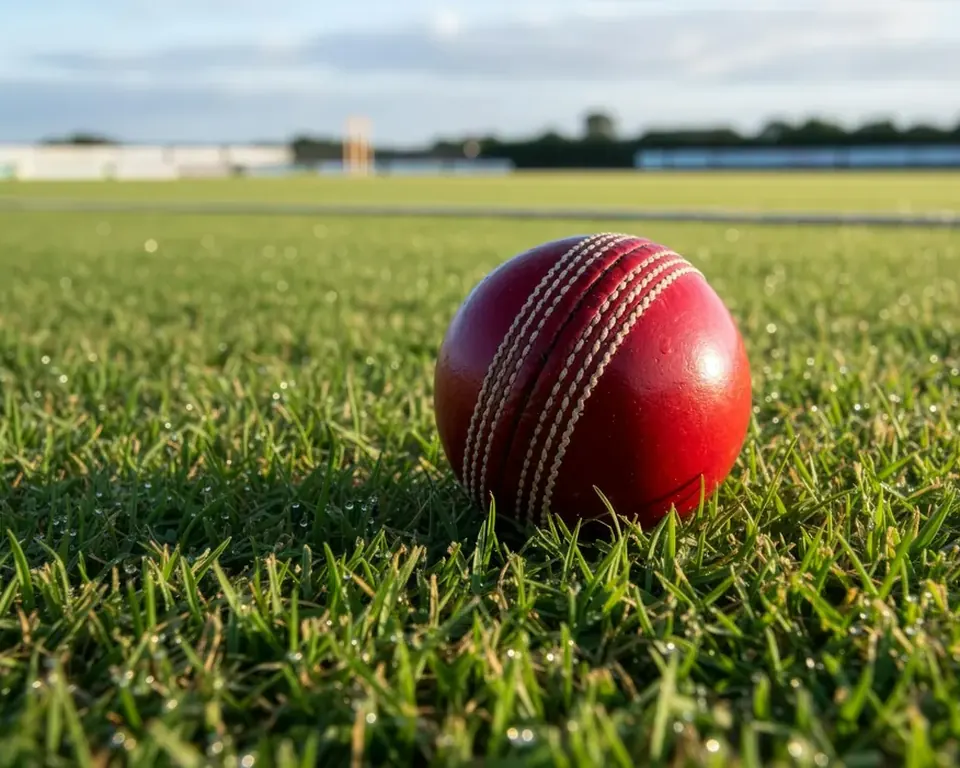
For indoor cricket, Kookaburra makes a softer, lighter ball with a rubber core to reduce damage to indoor surfaces. It’s used in indoor leagues and training facilities, and it’s a great option for kids learning the game. While it’s not used in professional cricket, it’s handy for off-season practice.
Summary
From the iconic red Kookaburra Turf in Test cricket to the white and pink variants for limited-overs and day-night matches, Kookaburra balls are the backbone of Australian cricket. Whether you’re watching the Ashes at the MCG or playing in a local club, knowing the differences can help you understand the game—and maybe even choose the right ball for your next match. For more gear advice, check out our /protective-gear guide and /gear-equipment hub.
Reader Comments (0)