

Test Cricket Helmet Buying Guide
Let’s be honest—when you’re out in the middle at your local oval, facing a quick who’s steaming in from the Members’ End, the last thing you want to worry about is whether your lid is up to the job. Whether you’re a weekend warrior in the local turf comp, a junior coming through the ranks, or a loyal fan who just wants to understand what the pros wear, your helmet is the single most important piece of gear you’ll ever buy.
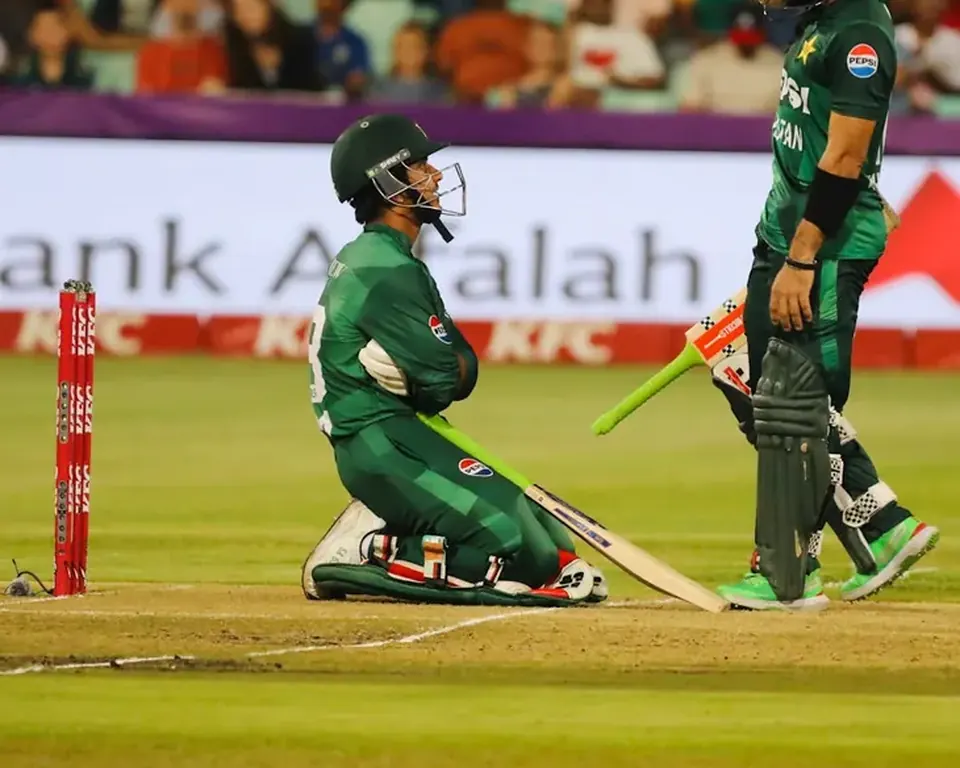
We’ve all seen the footage: a nasty bouncer that rears up, a fend-off that goes wrong, or a pull shot that gets a top edge. Those moments are a stark reminder that cricket is a dangerous sport—and your head is the one part of your body you can’t afford to risk. That’s why this guide exists: to help you choose the right helmet for Test cricket, or any format where the red ball is doing a bit.
We’ll cover everything from safety standards and fit to ventilation, weight, and the little details that separate a good helmet from a great one. By the end, you’ll know exactly what to look for when you walk into the shop or click “add to cart.”
Why Your Helmet Matters More Than Your Bat
Think about it: you can buy a bat that’s a bit too heavy, a pair of pads that pinch, or gloves that don’t quite feel right. Those are annoyances. A helmet that doesn’t fit properly or isn’t up to scratch? That’s a genuine safety risk.
In Test cricket, you’re facing the same bowlers for hours. The ball gets soft, but the pace doesn’t drop. A helmet that’s too heavy will fatigue your neck. One that’s too tight will give you a headache before tea. One that’s too loose will shift when you’re ducking or pulling, leaving gaps where the grille should be.
The modern helmet is a piece of engineering. It’s designed to absorb impact, deflect the ball, and keep you cool under pressure. But not all helmets are created equal. Some are built for the pace of the Big Bash League, where you’re facing six balls and then jogging off. Others are designed for the grind of a Sheffield Shield day, where you’re out there for five sessions.
What to Look for in a Test Cricket Helmet
Safety Standards and Certifications
This is the non-negotiable. Every helmet sold in Australia must meet the Australian Standard AS/NZS 4499.1. That’s the baseline. But if you’re serious about protection, look for helmets that also meet the British Standard BS 7928:2013 or the newer EN 13899. These are the standards used by Cricket Australia and the ICC for professional cricket.
Why does this matter? The Australian Standard is good, but the British Standard is tougher. It tests for impact from a cricket ball at higher speeds—up to 100 mph (160 km/h) in some cases. If you’re facing a Pat Cummins thunderbolt or a Mitchell Starc yorker, you want the extra protection.
Check the label. If it says “BS 7928:2013” or “EN 13899,” you’re in good hands. If it only says “AS/NZS 4499.1,” it’s still safe, but you might want to consider upgrading if you’re regularly facing fast bowling.
Fit: The Most Important Feature
You can have the most expensive helmet in the world, but if it doesn’t fit, it’s useless. A good fit means:
- Snug but not tight. The helmet should sit firmly on your head without pinching. You should be able to shake your head without it moving.
- No pressure points. The padding should distribute the weight evenly. If you feel a hotspot after five minutes, it’s the wrong size.
- The grille should be close to your face. You should be able to see clearly, but the grille should be no more than a finger’s width from your nose. Any further, and a ball can get under it.
- The back strap should be adjustable. Most modern helmets have a dial or a strap at the back. Use it. A loose helmet is dangerous.
Weight and Balance
In Test cricket, you’re wearing your helmet for hours. A heavy helmet will make your neck sore, especially if you’re ducking and weaving against a quick bowler. Look for a helmet that weighs between 400 and 500 grams. Anything over 500 grams is too heavy for long sessions.
The balance matters too. A well-balanced helmet sits evenly on your head. A poorly balanced one will feel like it’s tipping forward or backward. This is often a function of the grille design. A full-face grille is heavier at the front, so the helmet needs counterbalancing at the back.
Ventilation
This is where many helmets fall short. You’re out in the sun, sweating, and your head is covered in foam and plastic. If the helmet doesn’t breathe, you’ll overheat. Look for:
- Multiple vents. The more air holes, the better. Some helmets have a “scoop” design that channels air over your head.
- Mesh or perforated padding. Some manufacturers use a honeycomb mesh that allows air to flow through.
- Removable sweatbands. These are a godsend. You can wash them, swap them out, or replace them when they get funky.
Grille Design
The grille protects your face. There are two main types:
- Full-face grille. This covers your entire face, from forehead to chin. It’s the standard for Test cricket. It protects against bouncers and short-pitched bowling. The downside is that it can make it harder to see the ball, especially if the grille bars are thick.
- Half grille. This covers only the lower part of your face, leaving your eyes and forehead exposed. It’s lighter and offers better visibility, but it’s not suitable for fast bowling. It’s more common in limited-overs cricket or for players who face spin.
Padding and Lining
The padding inside the helmet absorbs the impact. There are two main types:
- Expanded Polystyrene (EPS) foam. This is the same stuff used in bike helmets. It’s lightweight and absorbs impact well, but it’s not very breathable.
- Multi-density foam. Some helmets use a combination of soft and firm foam. The soft foam sits against your head for comfort, while the firm foam absorbs the impact.
Top Helmet Brands for Test Cricket
Masuri
Masuri is a well-regarded brand in cricket. Their helmets are used by many professional players. The Masuri Vision Series is their top-end model. It’s lightweight (around 430 grams), has excellent ventilation, and comes with a titanium grille that’s strong but thin. The fit is adjustable via a dial at the back. It’s expensive (around $400–$500 AUD), but it’s considered one of the best.
The Masuri Pro Series is a step down in price (around $300–$350 AUD) but still excellent. It’s a bit heavier and has fewer vents, but it’s still a top-tier helmet.
Shrey
Shrey is an Indian brand that has gained a lot of traction in Australia. Their helmets are known for being lightweight and well-ventilated. The Shrey Pro Series is a popular choice among club cricketers.
The standout feature is the “Air Flow” system, which uses channels in the foam to direct air over your head. It’s noticeably cooler than many competitors. The grille is also well-designed, with thin bars that don’t obstruct vision. Prices range from $250 to $350 AUD.
Kookaburra
Kookaburra is an Australian icon. Their helmets are used by many state-level players in the Sheffield Shield. The Kookaburra Pro 900 is their flagship model.
It’s a bit heavier than the Masuri (around 480 grams), but it’s very durable. The padding is thick and comfortable, and the grille is strong. It also has a useful feature: a “quick release” system that lets you swap out the grille for a half-grille if you’re playing limited-overs cricket. Price: around $300–$400 AUD.
Gray-Nicolls
Gray-Nicolls is another classic brand. Their helmets are known for being robust and well-padded. The Gray-Nicolls Cobra is a popular choice for juniors and seniors alike.
It’s on the heavier side (around 500 grams), but the padding is excellent. The fit is true to size, and the grille is well-proportioned. It’s also one of the more affordable options, starting at around $200 AUD.
How to Choose the Right Size
Most helmets come in sizes S, M, L, and XL. But sizes vary between brands. Here’s how to measure your head:
- Use a soft measuring tape. Wrap it around your head, just above your eyebrows and ears.
- Note the measurement in centimeters. Most brands use a size chart that maps circumference to size.
- Try it on. If you’re buying online, check the return policy. You might need to exchange it.
- Small: 52–54 cm
- Medium: 55–57 cm
- Large: 58–60 cm
- XL: 61–63 cm
Where to Buy
You can buy helmets from any major sports store, but if you want the best selection, try:
- Rebel Sport (in-store and online)
- Amart Sports (in-store and online)
- Cricket Express (online specialist)
- Cricket World (online specialist)
How to Care for Your Helmet
A good helmet can last several seasons if you look after it. Here’s how:
- Wipe it down after every use. Sweat is corrosive. Use a damp cloth to clean the outside and the grille.
- Remove the padding and wash it. Most padding is machine-washable on a gentle cycle. Air dry it—don’t put it in the dryer.
- Store it in a cool, dry place. Don’t leave it in your car boot in summer. The heat can damage the foam.
- Check for cracks. If you drop your helmet or take a big hit, inspect it for cracks. If you find any, replace it immediately.
Common Mistakes to Avoid
- Buying a helmet that’s too big. “I’ll grow into it” doesn’t work. A loose helmet is dangerous.
- Ignoring the grille. A cheap grille can bend or break. Always go with a titanium or steel grille.
- Forgetting about glasses. If you wear glasses, make sure the helmet has a cutout. Some helmets don’t.
- Not replacing it after a big hit. Helmets are designed to absorb one major impact. After that, the foam is compromised.
Whether you’re facing a bouncer at the MCG or a 120-kph trundler at your local ground, you deserve to feel safe. And when you’re safe, you can focus on what matters: scoring runs.
If you’re still unsure, check out our other gear guides for more tips. And remember: a good helmet is an investment in your future as a cricketer. Don’t leave it to chance.
Explore more gear guides:
Reader Comments (0)