

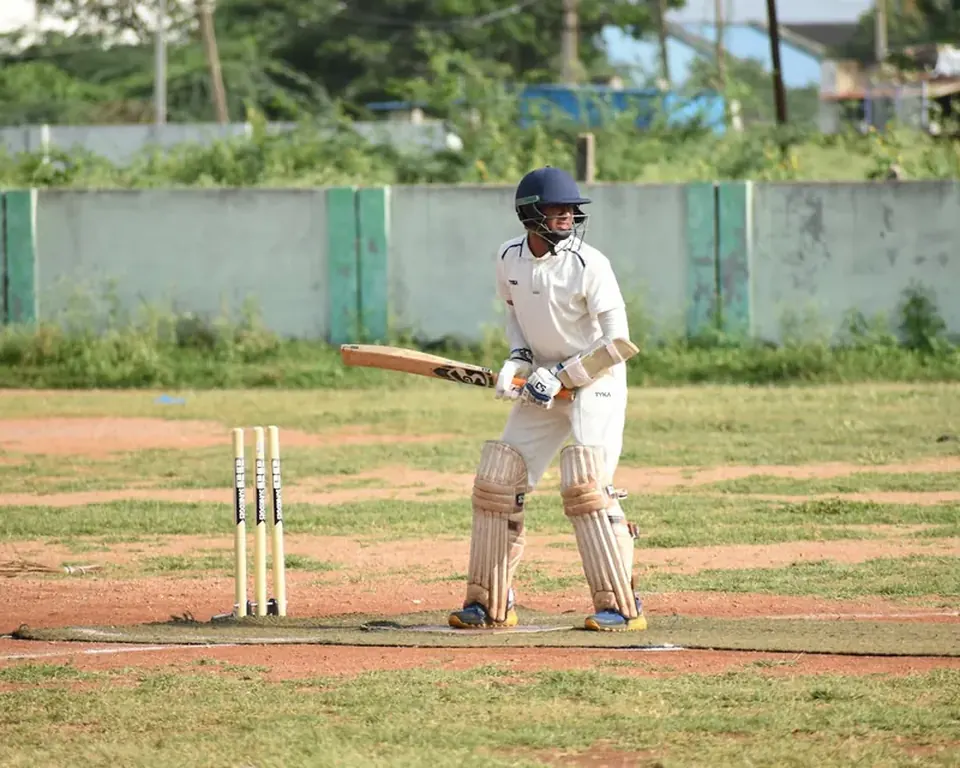
Complete Guide to Australian State Cricket Leagues
For Australian cricket fans, the summer soundtrack is unmistakable: the crack of willow on leather, the roar of a packed Melbourne Cricket Ground during a Boxing Day Test, and the hum of a Big Bash League crowd under lights. But beneath the glittering surface of international cricket and franchise T20 leagues lies the true engine room of the sport: the Australian state cricket leagues. These competitions—the Sheffield Shield, the Marsh One-Day Cup, and the Women’s National Cricket League (WNCL)—are where careers are forged, legends are tested, and the next generation of stars emerge. Whether you’re a die-hard follower of The Ashes or a casual observer of the BBL, understanding these state leagues is essential to appreciating the depth and resilience of Australian cricket.
This pillar guide will take you through the structure, history, and significance of Australian state cricket leagues. From the hallowed turf of the Sydney Cricket Ground to the pace-friendly WACA Ground, we’ll explore how these competitions shape the national team, nurture talent, and provide a year-round narrative for cricket lovers. Let’s dive into the backbone of the sport Down Under.
The Sheffield Shield: The Pinnacle of First-Class Cricket
The Sheffield Shield is Australia’s premier first-class cricket competition, dating back to 1892. Named after the 3rd Earl of Sheffield, who donated the trophy, it is a long-standing domestic cricket competition in the country and remains the gold standard for red-ball cricket. For players like Pat Cummins, Steve Smith, and David Warner, the Shield was the proving ground where they honed their craft before representing Australia in Test series.
Format and Structure
The Sheffield Shield competition features six state teams:
- New South Wales (NSW Blues)
- Victoria (VIC)
- Queensland (Queensland Bulls)
- South Australia (West End Redbacks)
- Western Australia (WA Warriors)
- Tasmania (Tasmanian Tigers)
Why It Matters
The Sheffield Shield is a primary pathway to the Australian Test team. Selection for The Ashes or a Border-Gavaskar Trophy series often hinges on consistent performances in the Shield. For example, a fast bowler taking wickets at the WACA Ground or a batsman scoring centuries at the MCG can catapult them into national contention. The competition also serves as a litmus test for resilience—players must adapt to varying conditions, from the spin-friendly pitches of Sydney to the pace and bounce of Perth.
Key Venues
- Melbourne Cricket Ground (MCG): Hosts Victoria’s home matches and is the spiritual home of Australian cricket.
- Sydney Cricket Ground (SCG): Known for its iconic scoreboard and spin-friendly pitches.
- WACA Ground: Renowned for its fast, bouncy wicket, producing generations of quick bowlers.
- The Gabba: Brisbane’s fortress, where Queensland has enjoyed sustained success.
- Adelaide Oval: A picturesque venue with a reputation for balanced surfaces.
- Bellerive Oval: Tasmania’s home ground, often producing low-scoring thrillers.
Notable Players and Moments
The Sheffield Shield has seen countless legends. Sir Donald Bradman’s record 452 not out for New South Wales remains unmatched. More recently, players like Pat Cummins and Steve Smith used Shield campaigns to refine their techniques. For fans, the competition offers a purist’s view of cricket—no fireworks, just the grind of four-day contests where every ball matters.
The Marsh One-Day Cup: Limited-Overs Excellence
While the Sheffield Shield tests endurance, the Marsh One-Day Cup is Australia’s premier domestic 50-over competition. It provides a direct pathway to ODI cricket, with many players using it to stake claims for national selection.
Format and Evolution
The Marsh One-Day Cup features the same six state teams, playing a round-robin format followed by finals. Matches are played under standard ODI rules, with white balls and colored clothing. The competition has evolved over the years, often serving as a platform for innovation in limited-overs cricket. For instance, the introduction of the Powerplay and batting-friendly rules has made it a breeding ground for aggressive strokeplay.

Role in Player Development
For players like David Warner, who burst onto the scene with explosive batting, the Marsh Cup was a launching pad. It also allows fringe players to showcase their skills in a format that mirrors international ODIs. With the ICC Men’s T20 World Cup dominating conversations, the Marsh Cup remains a vital counterbalance, preserving the 50-over format’s relevance in Australia.
Key Differences from the BBL
Unlike the Big Bash League, which is a franchise-based T20 competition, the Marsh Cup is state-based and retains a more traditional structure. While the BBL attracts international stars and focuses on entertainment, the Marsh Cup prioritizes state pride and development. Both competitions coexist, but the Marsh Cup often features younger players and those returning from injury.
The Women’s National Cricket League (WNCL): Pioneering Excellence
The Women’s National Cricket League (WNCL) is Australia’s premier domestic women’s 50-over competition. It mirrors the men’s structure, with six state teams competing for the trophy. The WNCL has been instrumental in Australia’s dominance in women’s cricket, producing stars like Meg Lanning, Ellyse Perry, and Alyssa Healy.
Format and Impact
The WNCL runs alongside the Women’s Big Bash League (WBBL), but while the WBBL focuses on T20 excitement, the WNCL provides a platform for longer-format development. The competition has grown in stature, with increased media coverage and investment from Cricket Australia. For players aspiring to represent Australia in ODIs or Test matches, the WNCL is the primary pathway.
Key Venues and Players
Matches are played at state-level grounds, including the MCG, SCG, and WACA Ground. The WNCL has seen record-breaking performances, such as Ellyse Perry’s all-round brilliance and Beth Mooney’s consistent run-scoring. The competition also serves as a feeder for the Australian women’s team, which has dominated the ICC Women’s Championship.
The Role of State Leagues in National Team Selection
State cricket leagues are the lifeblood of Australian cricket. They provide a clear pathway from grassroots to the international stage. Cricket Australia’s selection panel closely monitors performances in the Sheffield Shield, Marsh Cup, and WNCL when assembling squads for The Ashes, Border-Gavaskar Trophy, and ICC events.
The Pathway
- Junior Competitions: Players begin in club and school cricket, often progressing through state age-group teams.
- State Second XI: A stepping stone to first-class cricket, where players gain experience against quality opposition.
- State Leagues: The Sheffield Shield, Marsh Cup, and WNCL are the ultimate domestic proving grounds.
- Australia A: A bridge between state and international cricket, often featuring tours against international sides.
- National Team: Consistent performances in state leagues lead to Test, ODI, and T20I selection.
Case Studies
- Pat Cummins: After a strong Sheffield Shield season for New South Wales, Cummins was selected for the Test team. His ability to bowl long spells in four-day cricket prepared him for the demands of The Ashes.
- Steve Smith: Smith’s transformation from leg-spinner to world-class batsman began in the Sheffield Shield. His countless hours at the SCG and MCG refined his unorthodox technique.
- David Warner: Warner’s explosive batting in the Marsh Cup and Sheffield Shield earned him a T20I debut, followed by Test and ODI success.
State Leagues vs. Franchise Cricket: A Delicate Balance
The rise of franchise T20 leagues—particularly the Big Bash League and the Women’s Big Bash League—has created a dynamic tension with traditional state competitions. While the BBL attracts massive crowds and television audiences, the Sheffield Shield and Marsh Cup remain the priority for player development.
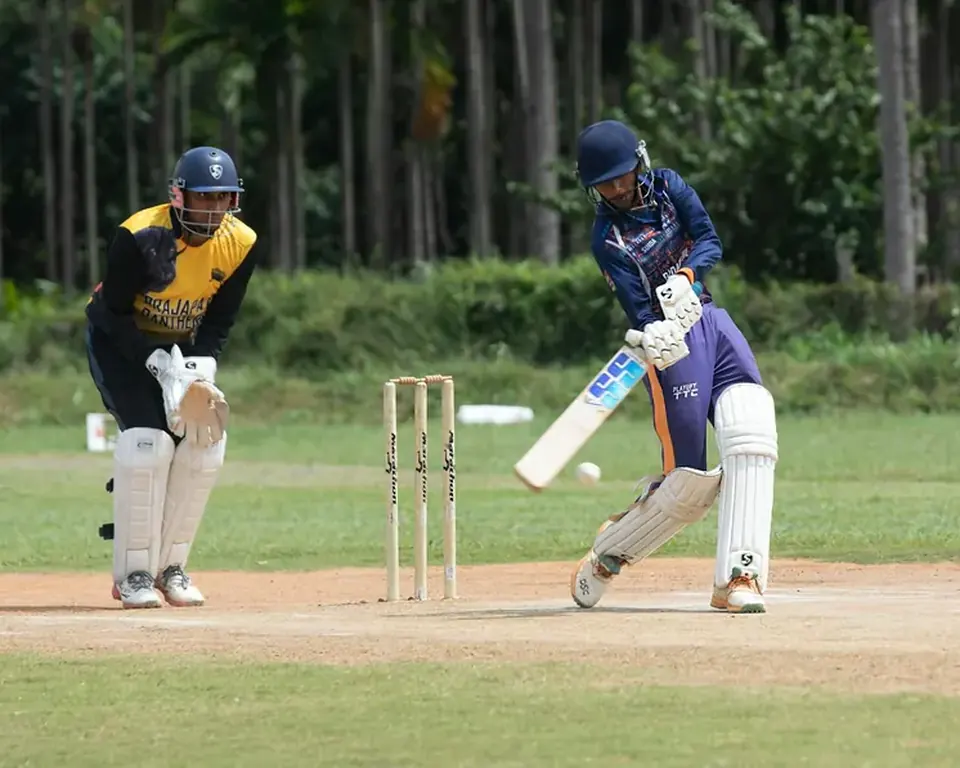
The BBL’s Impact
The BBL has brought new fans to cricket, but it has also compressed the domestic calendar. Some players have opted for BBL contracts over state commitments, leading to concerns about the erosion of first-class cricket. However, Cricket Australia has maintained that state leagues are important for Test selection. Players like Pat Cummins have publicly emphasized the importance of the Sheffield Shield in building resilience.
The WBBL’s Role
The WBBL has elevated women’s cricket in Australia, but the WNCL remains the foundation. Many players balance both competitions, using the WBBL for exposure and the WNCL for skill development. The ICC Men’s T20 World Cup has further highlighted the value of franchise cricket, but state leagues continue to produce the bulk of Australia’s international talent.
How Fans Can Engage with State Leagues
For cricket fans, state leagues offer an intimate, affordable, and authentic experience. Unlike the glitz of the BBL, attending a Sheffield Shield match at the MCG or WACA Ground allows you to see the game in its purest form. Here’s how to get involved:
- Attend Matches: Many state games are free or low-cost. Check the schedules for your local team and enjoy a day of cricket without the crowds.
- Stream Online: Cricket Australia’s streaming platform, CA Live, broadcasts many Sheffield Shield, Marsh Cup, and WNCL matches. This is a great way to follow emerging talent.
- Follow Stats: Websites like ESPNcricinfo and Cricket Australia’s official site provide detailed statistics, player profiles, and match reports.
- Join a Club: State leagues are deeply connected to grassroots cricket. If you’re a player, joining a local club is the first step toward the state system.
Internal Resources
For more on how state leagues connect to the broader cricket ecosystem, explore these guides:
- Clubs and Competitions Overview
- Junior Competitions and Development Pathways
- Coaching Tactics for Aspiring Players
Conclusion: The Heartbeat of Australian Cricket
Australian state cricket leagues are more than just feeder systems—they are the heartbeat of the sport. From the Sheffield Shield’s storied history to the Marsh Cup’s modern excitement and the WNCL’s pioneering spirit, these competitions define the character of Australian cricket. They produce the players who dominate The Ashes, win the Border-Gavaskar Trophy, and triumph at the ICC Men’s T20 World Cup.
For fans, understanding these leagues deepens your appreciation of the game. When you watch Pat Cummins steam in at the MCG or Steve Smith craft a century at the SCG, remember the state-level battles that shaped them. So next time the summer rolls around, grab a ticket to a state match, stream a Shield game, or simply follow the ladder. The future of Australian cricket is playing right now—and it’s waiting for you to discover it.
Explore more guides on our site to deepen your cricket knowledge, from junior competitions to coaching tactics.
Reader Comments (0)