

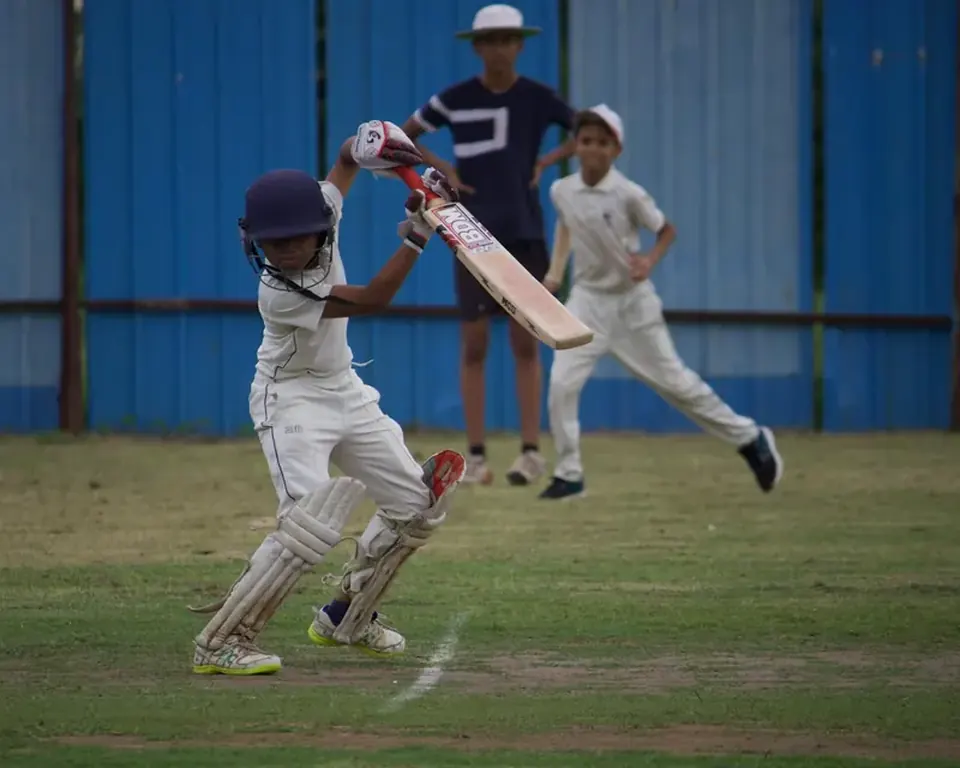
G’day, cricket fans! If you’ve ever wondered how the path from backyard nets to baggy green works, you’re in the right place. Australia’s domestic cricket structure is a beautifully complex beast—part tradition, part high-performance machine—that shapes the stars we cheer for in The Ashes, the Big Bash League, and beyond. Let’s break it down, Aussie Rules style, with a glossary that’ll have you talking like a local in no time.
The Glossary
AFLW
The women’s equivalent of the AFL, the AFLW (Australian Football League Women’s) is the premier competition for female Aussie Rules players. It’s run by the same league as the men’s AFL and has grown rapidly since its launch, showcasing elite talent and inspiring the next generation. Think of it as the WBBL is to the Big Bash League—a powerhouse in its own right.Disposals
In Aussie Rules, a disposal is any action where a player gets rid of the ball—either by kicking or handballing. It’s a key stat, like runs in cricket, but don’t confuse it with soccer’s “pass” or rugby’s “offload.” A handball is a punch with a closed fist, not a throw, and a kick can travel 60 metres. For example, a midfielder with 30 disposals in a game has had a busy day.Finals
The finals are the post-season series that decides the premier (champion) of the AFL. It’s a knockout format, like the ICC Men’s T20 World Cup knockout stages, but with a twist: the top eight teams on the ladder qualify. The grand final is the big dance, held at the Melbourne Cricket Ground (MCG)—a venue as iconic as the Sydney Cricket Ground (SCG) for cricket.Ladder
The ladder is the league table showing team rankings based on wins, losses, and draws. It’s updated weekly and determines who makes the finals. In Aussie Rules, the ladder uses a points system—four points for a win, two for a draw—similar to how the Sheffield Shield competition uses points for first-innings results. Don’t call it a “standings” table; it’s the ladder, mate.Mark
A mark is when a player catches the ball cleanly from a kick (at least 15 metres) without it touching the ground. It earns a free kick, stopping play—a bit like a catch in cricket but with more running. In Aussie Rules, it’s a game-changer: think Steve Smith taking a screamer at slip, but on the footy field. It’s not a “reception” like in NFL; it’s a mark, and it’s sacred.Premiership
The premiership is the ultimate prize—the championship title won by the team that claims the grand final. It’s the Aussie Rules equivalent of the Ashes urn or the Border-Gavaskar Trophy. For example, a club’s “premiership drought” means they haven’t won it in years, sparking plenty of barrack-room banter.Ruck Contests
A ruck contest happens when the ball is bounced or thrown up by the umpire, and two ruckmen (usually the tallest players) leap to tap it to a teammate. It’s like a boundary-line throw-in in soccer, but with more athleticism. In cricket terms, imagine Pat Cummins and David Warner competing for a high bounce—except here, timing and leap are everything.Scoring
Scoring in Aussie Rules is simple: a goal (6 points) is kicked through the middle posts, a behind (1 point) through the outer posts. Total score is goals-behinds-total, e.g., 12.10 (82). Don’t confuse it with rugby’s tries or NFL’s touchdowns—this is unique. It’s as strategic as a Test series, where every run (or point) counts.State Leagues
State leagues are the second-tier competitions below the AFL, like the VFL in Victoria or the SANFL in South Australia. They’re breeding grounds for talent—think of them as the Sheffield Shield for footy. Young players develop here, just as cricketers hone their skills in Shield cricket before donning the baggy green.The Ashes
The Ashes is the iconic Test cricket series between Australia and England, played every two years. It’s named after a satirical obituary for English cricket in 1882. In Aussie Rules terms, it’s the grand final of cricket—full of history, drama, and a burning desire to win.Big Bash League (BBL)
The Big Bash League, or BBL, is Australia’s flagship T20 cricket competition, known for its fireworks, music, and family-friendly vibe. It’s run by Cricket Australia (CA) and features city-based teams like the Sydney Sixers. Think of it as the AFL’s fast-paced, highlight-reel version of cricket—where every ball can be a six.Cricket Australia (CA)
Cricket Australia is the governing body for cricket in the country, overseeing everything from the Ashes to the Women’s Big Bash League (WBBL). It’s like the AFL Commission for footy—setting rules, running competitions, and developing talent. Without CA, there’d be no Pat Cummins leading the Test side or Steve Smith crafting his centuries.Test Series
A Test series is a multi-match contest in the longest format of cricket, played over five days per game. It’s the ultimate test of skill and endurance—like a finals series in footy, but stretched over weeks. The Border-Gavaskar Trophy between Australia and India is a prime example, full of tactical battles.Pat Cummins
Pat Cummins is Australia’s Test captain and premier fast bowler, known for his pace, accuracy, and cool head. He’s like a star ruckman in footy—dominant, influential, and leading from the front. In the Ashes or any Test series, he’s the man to watch.Steve Smith
Steve Smith is arguably one of the best Test batsmen of his generation, with a quirky technique and unshakeable focus. He’s the Aussie Rules equivalent of a key forward—capable of single-handedly changing a game. Whether at the SCG or the WACA Ground, Smith’s runs are gold.David Warner
David Warner is an explosive opening batsman and former vice-captain, known for his aggressive style. He’s like a small forward in footy—fast, fearless, and capable of scoring quickly. In the Big Bash League, he’s a crowd favourite, smashing sixes for fun.Sheffield Shield
The Sheffield Shield is Australia’s premier first-class cricket competition, the breeding ground for Test stars. It’s named after Lord Sheffield, who funded a trophy in the 1890s. Think of it as the VFL or SANFL for footy—where players like Pat Cummins and Steve Smith cut their teeth before the big stage.Women's Big Bash League (WBBL)
The WBBL is the women’s T20 competition, run alongside the BBL and featuring the same city teams. It’s a showcase for female cricketers, like the AFLW is for footy. With stars like Meg Lanning, it’s a must-watch for any cricket fan.ICC Men's T20 World Cup
The ICC Men’s T20 World Cup is the global championship for Twenty20 cricket, held every two years. It’s the footy equivalent of the AFL grand final—a high-pressure, knockout tournament where nations battle for glory. Australia has won the tournament, adding to their rich cricketing history.Border-Gavaskar Trophy
The Border-Gavaskar Trophy is the Test series between Australia and India, named after legends Allan Border and Sunil Gavaskar. It’s as fierce as any footy rivalry, with recent series producing epic battles. Think of it as the Ashes for the modern era—packed with drama and quality.Melbourne Cricket Ground (MCG)
The MCG is Australia’s largest stadium, hosting cricket, footy, and major events. It’s the home of the AFL grand final. For cricket, it’s where history happens—like Pat Cummins’ heroics in the Ashes.Sydney Cricket Ground (SCG)
The SCG is a historic venue in Sydney, known for its iconic scoreboard and lively crowds. It’s a fortress for the Sydney Sixers in the BBL and a regular Test venue. In footy terms, it’s like the MCG’s younger, more stylish sibling.WACA Ground
The WACA Ground in Perth is famous for its fast, bouncy pitches, ideal for pace bowlers. It’s where David Warner’s swashbuckling style thrives. Think of it as the footy ground with the hardest surface—tough for batters, heaven for quicks.Summary
Australia’s domestic cricket structure is a rich tapestry of competitions, from the Sheffield Shield’s red-ball grind to the BBL’s T20 spectacle, all overseen by Cricket Australia. Whether you’re following The Ashes, the Border-Gavaskar Trophy, or the ICC Men’s T20 World Cup, understanding these terms—drawn from Aussie Rules footy—will help you navigate the game like a pro. So next time you’re at the MCG or SCG, or watching Pat Cummins or Steve Smith in action, you’ll know exactly what’s going on. Cheers, and see you at the cricket!
Reader Comments (0)