

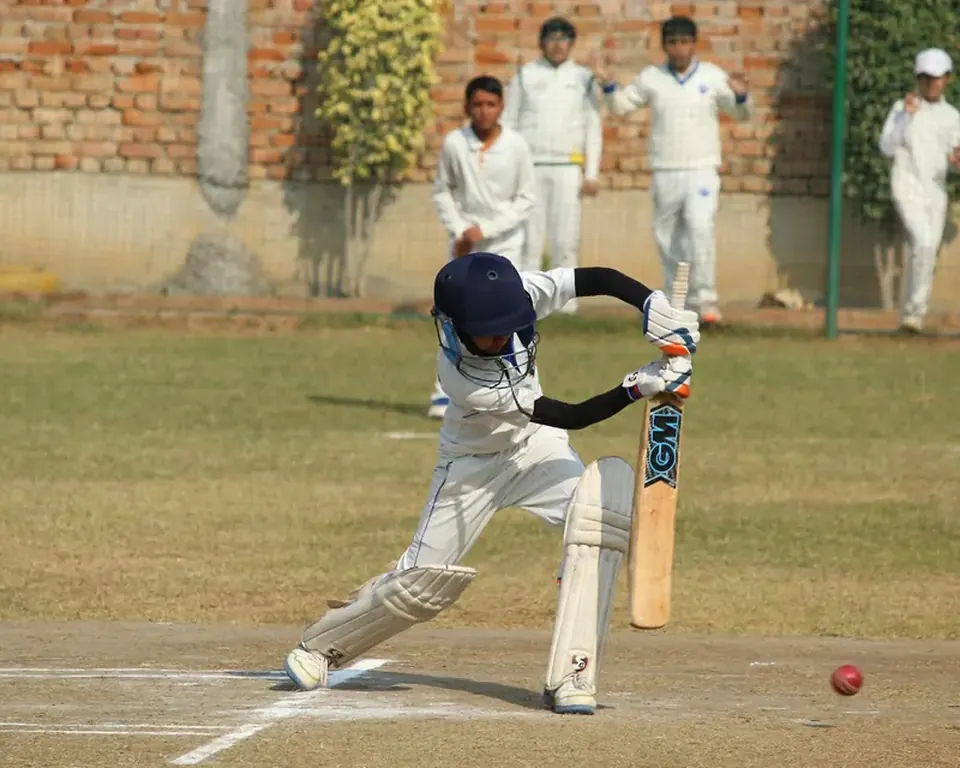
So you've decided to take your cricket seriously this season. Maybe you're a grassroots player looking to make the step up, a coach planning your club's summer, or a parent trying to figure out what your kid actually needs to do before the first ball is bowled. Either way, preseason tournaments are where reputations get built—and where seasons get made or broken.
But here's the thing: preseason cricket in Australia isn't just about turning up and having a net session. There's a proper rhythm to it, a structure that separates the players who are ready for Round 1 from those who are still finding their feet come October. Whether you're preparing for a Sheffield Shield campaign, a Big Bash League audition, or just your local club's first-grade side, this checklist will walk you through exactly what needs to happen.
Let's get into it.
What You'll Get From This Checklist
By the time you work through these steps, you'll have a clear preseason plan that covers your fitness, your skills, your gear, and your mental preparation. You'll know what tournaments to target, when to peak, and how to avoid the classic mistakes that derail many players before the season even starts. This isn't theory—this is practical, ground-level advice for anyone who wants to walk onto the field in November feeling like they've already played ten games.
Before You Start: What You'll Need
First things first—you can't run a preseason without a few basics. Here's your shopping list:
- A cricket-specific training program (not just general gym work—you need cricket movements)
- Access to nets or a bowling machine (at least twice a week from August onwards)
- Your full kit (and I mean full—check everything, because nothing kills momentum like a broken bat in week one)
- A diary or calendar (tournament dates, trial games, fitness tests—write it all down)
- A qualified physio or strength coach (if you're serious, get a professional assessment before you start loading up)
- Hydration and nutrition plan (preseason in Australian summer heat is no joke—more on this later)
- Clear goals (what do you actually want to achieve? More runs? More wickets? A BBL contract? Be specific)
Step 1: Map Out Your Tournament Calendar
Before you do anything else, grab a calendar and mark down every preseason tournament in your state or region. In Australia, the preseason landscape varies depending on where you are, but the general flow goes something like this:
- August-September: Club trial games and internal practice matches
- September-October: State-based preseason competitions (like the NSW Premier Cricket preseason comp, Victorian Premier Cricket's trial series, or South Australia's SACA Premier Cricket warm-ups)
- October: The official start of most club seasons, plus Sheffield Shield begins
- October-November: Big Bash League preseason camps and trial matches
- November: Women's Big Bash League starts, and the Test series build-up begins
- T20 preseason comps (great for getting your eye in and working on death bowling or power hitting)
- Two-day trial games (essential for red-ball preparation, especially if you're targeting Shield cricket)
- Club practice matches (even if they're informal, treat them like real games)
Step 2: Get Your Fitness Base Right (And I Mean Right)
Here's where many players fall over. They rock up to preseason thinking "I'll get fit during the tournaments." Bad idea. Tournament cricket exposes every weakness in your fitness—especially if you're bowling 10-over spells in 35-degree heat.
Your preseason fitness should be broken into three phases:
Phase 1 (June-July): Aerobic base. Long runs, swimming, cycling. Build your engine. You're not trying to be Usain Bolt here—you're trying to be able to bowl your eighth over as fast as your first.
Phase 2 (August-September): Cricket-specific conditioning. Sprint intervals, change-of-direction drills, bowling-specific strength work. This is where you transition from "fit" to "cricket fit."
Phase 3 (October onwards): Maintenance and peaking. Your fitness work should drop to 2-3 sessions per week, with the rest of your energy going into match play.
A word on injuries: If you have any niggles from last season—and let's be honest, who doesn't?—get them checked by a qualified physio before you start loading up. Don't try to play through preseason tournaments with a dodgy hamstring or a sore shoulder. You'll only make it worse, and you'll miss the actual season.
Step 3: Sort Your Batting and Bowling Loads
You can't just turn up to a tournament and expect to be sharp. Your body needs to be conditioned to the specific demands of batting and bowling.
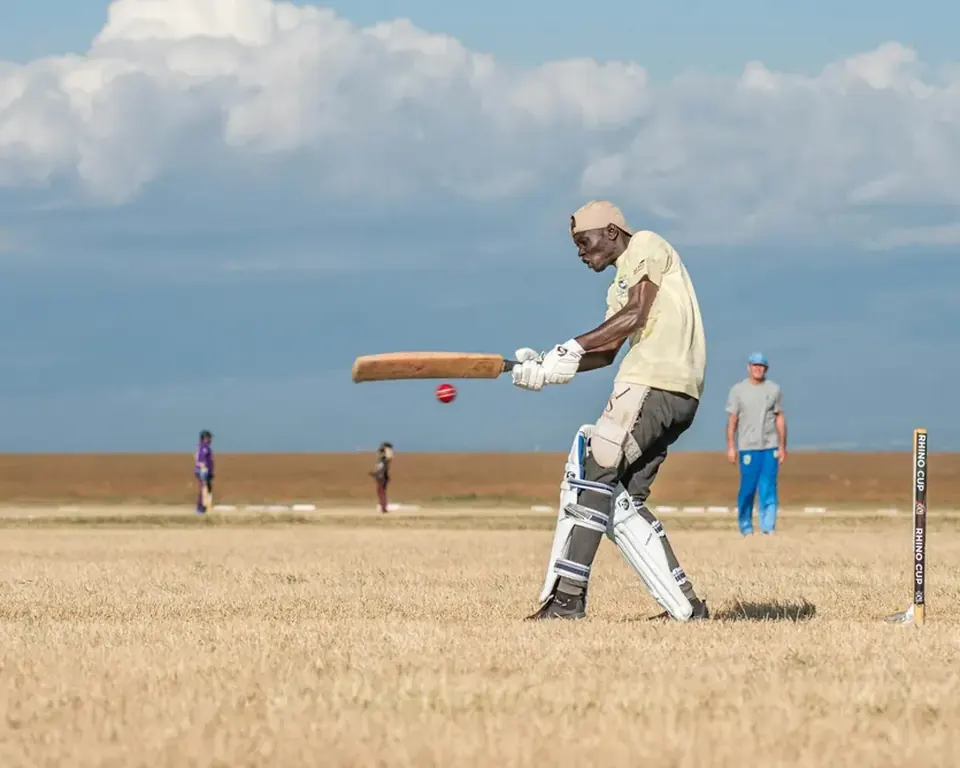
For bowlers:
- Start with light bowling (50-60% effort) in June-July, focusing on action and rhythm
- Gradually increase intensity through August (70-80%)
- By September, you should be bowling full pace in net sessions, but with strict load management (no more than 6-8 overs per session initially)
- In tournament games, build your spell length gradually—don't bowl 10 overs in your first warm-up match
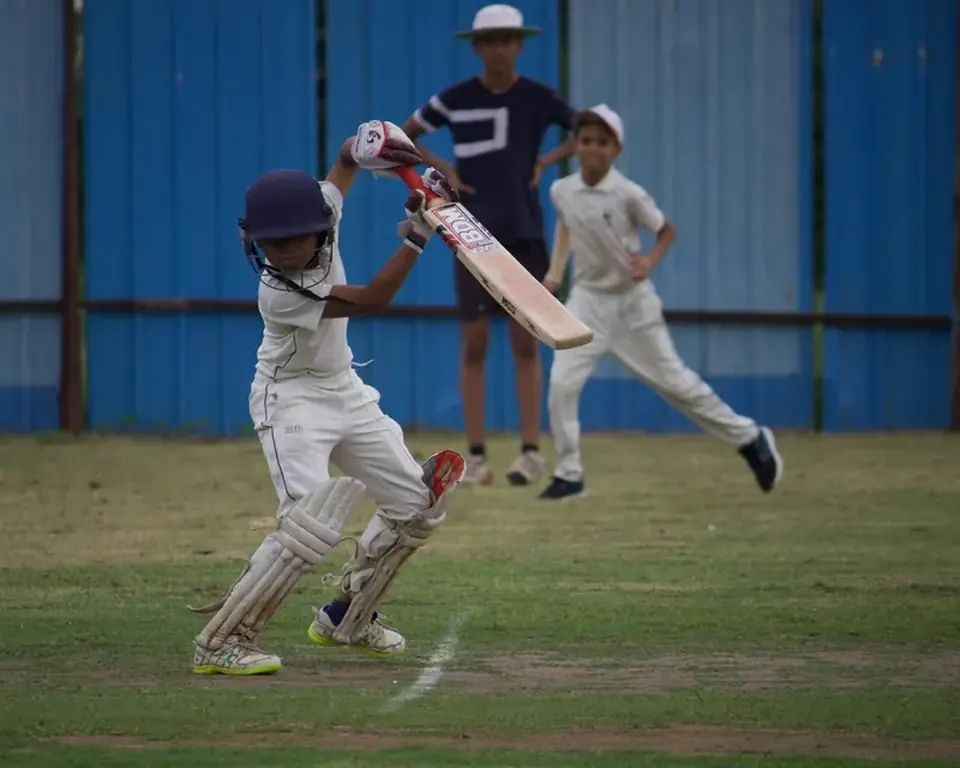
- Start with throwdowns and bowling machine work in June-July (200-300 balls per session, but broken into blocks)
- Progress to facing live bowling in August-September (start with 50-60 balls per net session, then build)
- In tournament games, focus on time in the middle rather than runs scored—early season form is often misleading
Step 4: Master the Mental Game Before the First Ball
Preseason tournaments are where you find out if you've actually done the work. But they're also where you find out if your head is in the right place.
Here's the reality: you're going to fail in some of these games. You might get a diamond duck. You might get tonked for 30 off an over. You might drop a sitter at cover. That's fine—it's preseason. The goal isn't to be perfect; it's to learn.
Some mental preparation strategies that actually work:
- Set process goals, not outcome goals. Instead of "I want to score 50," try "I want to watch the ball all the way onto the bat for my first 20 balls."
- Practice your pre-ball routine in every net session and trial game. By the time the real season starts, it should be automatic.
- Visualise success. Before each tournament game, spend five minutes visualising yourself playing your best shots or bowling your best line and length.
- Have a reset mechanism. When things go wrong—and they will—how do you bounce back? A deep breath? A specific thought? A physical trigger like adjusting your gloves?
Step 5: Dial In Your Gear and Nutrition
This is the boring stuff that nobody wants to think about, but it's where seasons get made or broken.
Gear checklist for preseason tournaments:
- Bat: Knocked in and ready (if it's new, get it knocked in properly—don't try to do it in a week)
- Pads, gloves, helmet: Check for wear and tear. Replace anything that's compromised
- Shoes: Are your spikes still sharp? Do you need a new pair for the season?
- Balls: If you're a bowler, have you got the right balls for practice? (Kookaburra for most comps, but check your local rules)
- Sun protection: Hat, sunscreen, long-sleeve shirt if you're fair-skinned. Australian sun doesn't mess around
- Hydration: Electrolytes, not just water. You lose salt when you sweat—replace it
- Eat a proper meal 2-3 hours before each tournament game (complex carbs, lean protein, some healthy fat)
- During play: Small, frequent snacks (bananas, muesli bars, sports gels if you're doing heavy work)
- Post-game: Protein within 30 minutes, then a full meal within 2 hours
- Hydration: Start drinking 24 hours before game day. If you're thirsty, you're already dehydrated
Step 6: Use Tournament Games to Test Specific Things
Here's the big mistake many players make: they treat preseason tournaments like they're do-or-die. They're not. These games are experiments.
Each tournament game should have a specific focus:
Game 1: Just get through it. Get your eye in. Don't try anything fancy.
Game 2: Work on a specific skill. Maybe you're a batter trying to improve your pull shot, or a bowler working on a new variation. Use the game to test it under pressure.
Game 3: Simulate a match situation. If you're a finisher, put yourself in a position where you need to chase 30 off 18 balls. If you're a new-ball bowler, try to take a wicket in your first over.
Game 4 onwards: Build momentum. Start treating these games like the real thing. Your preparation should be peaking now.
Step 7: Debrief Every Game Like a Pro
After each tournament game, take 10 minutes to debrief. Don't do it in the change rooms when everyone's hyped up or disappointed—do it later, when you're calm.
Ask yourself:
- What worked well today?
- What didn't work?
- What did I learn about my game?
- What do I need to work on in training this week?
- How did my body feel? Any niggles I need to manage?
Common Mistakes to Avoid
Let me save you some pain. Here are the mistakes I see every single year:
Mistake 1: Doing too much too soon. You don't need to be bowling flat out in July. You don't need to be playing five tournament games in a week. Build up gradually.
Mistake 2: Ignoring recovery. Preseason tournaments are physically demanding. If you're not sleeping 8+ hours, eating properly, and doing light recovery work (stretching, foam rolling, light swimming), you're going to break down.
Mistake 3: Comparing yourself to others. Someone in your club might be scoring centuries in preseason. Someone else might be taking five-fors. That's them. Focus on your own process.
Mistake 4: Neglecting the red ball. If you're a red-ball player (Sheffield Shield or club two-day cricket), don't spend your whole preseason playing T20. You need to get used to the red ball, the longer format, and the different pacing.
Mistake 5: Not managing heat. Australian preseason cricket is played in brutal conditions. If you're not used to it, you'll cramp up, get dizzy, or worse. Acclimatise gradually, and never skip hydration.
The Complete Preseason Tournament Checklist
Here's your cheat sheet. Print it out, stick it on your wall, and tick off each item as you go:
- Map out your tournament calendar (August-November)
- Book a physio/strength coach assessment
- Start aerobic fitness base (June-July)
- Transition to cricket-specific conditioning (August-September)
- Begin bowling load management program
- Start batting with throwdowns/bowling machine
- Progress to live bowling in nets
- Set clear process goals for each tournament game
- Practice pre-ball routine in every session
- Check and replace worn gear
- Sort nutrition and hydration plan
- Play first tournament game (focus: survival)
- Play second tournament game (focus: specific skill)
- Play third tournament game (focus: match simulation)
- Play remaining games (focus: building momentum)
- Debrief every game (write it down)
- Adjust training based on tournament learnings
- Peak for season start (October-November)
Final Word
Preseason tournaments are your dress rehearsal. They're where you figure out what works, what doesn't, and what you need to fix before the real games start. Treat them with respect, but don't put too much pressure on yourself. The goal is to arrive at Round 1 feeling like you've already played a mini-season—confident, conditioned, and clear on your game plan.
For more on structuring your season, check out our guides on clubs and competitions, junior pathways, and game plan strategies. And if you're looking to take your fitness to the next level, our conditioning workouts section has programs specifically designed for cricket.
Now get out there and make this season your best one yet.
Reader Comments (0)