

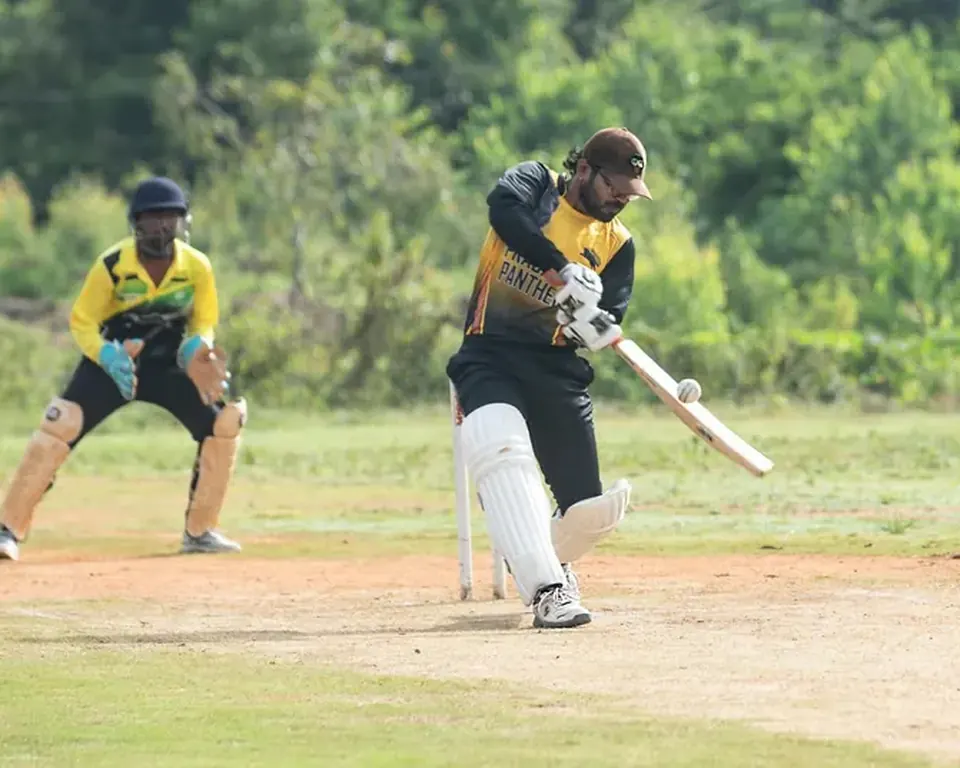
If you've ever watched a fast bowler steam in for their 20th over on a 38-degree day at the MCG, or seen a batter dance down the wicket in the final session of a Test match, you've witnessed the result of elite cricket conditioning. Cricket is deceptively demanding—it requires explosive power for bowling and batting, sustained endurance for long days in the field, and the agility to react in milliseconds. Unlike many sports, cricket demands you perform at your peak after hours of low-intensity activity. This guide provides a practical, step-by-step conditioning framework designed for grassroots players, club cricketers, and coaches preparing for the demands of a full season—whether that's a weekend fixture or a T20 blockbuster. By following this checklist, you'll build the specific fitness base to bowl quicker, run harder between wickets, and stay sharp in the field deep into the final session.
Prerequisites / What You Need
Before you begin any conditioning program, ensure you have:
- Medical clearance: If you have any pre-existing injuries or conditions, consult a qualified sports medicine professional before starting.
- Basic fitness foundation: This program assumes you can complete 20 minutes of moderate exercise. If not, build general fitness for 2-4 weeks first.
- Equipment: Resistance bands, a skipping rope, a medicine ball (4-6kg), cones or markers, and access to grass or a cricket oval. A GPS tracker can help monitor workload, but is optional.
- Clothing and footwear: Proper cricket spikes for grass work, running shoes for gym sessions, and breathable clothing. See our protective gear guide for recommendations on supportive footwear.
- Hydration and nutrition: Water bottle, electrolyte replacement, and light snacks for sessions over 60 minutes.
- Training partner (optional but recommended): For bowling drills and fielding work, a partner adds realism and accountability.
Step-by-Step Process
Step 1: Assess Your Cricket-Specific Fitness Baseline
Before you can improve, you need to know where you stand. Cricket conditioning isn't about how far you can run in a straight line—it's about repeated high-intensity efforts over variable durations. Complete these three tests, recording your results:
- Yo-Yo Intermittent Recovery Test Level 1 (Yo-Yo IR1): This test is widely used in cricket. It involves 2×20 metre shuttles with increasing speed and a 10-second active recovery between shuttles. Your score (level and number of shuttles) indicates your ability to repeatedly sprint and recover—critical for a fast bowler or a batter running quick singles.
- Single-leg hop for distance: Stand on one leg, hop as far forward as you can, and land on the same leg. Measure the distance. Repeat on the other leg. A significant asymmetry (greater than 10%) indicates strength or stability imbalances that increase injury risk.
- Seated medicine ball throw: Sit on the ground with your back against a wall, holding a 4kg medicine ball at your chest. Explosively throw the ball forward as far as possible. This measures rotational power transfer, crucial for hitting and throwing.
Step 2: Build Your Aerobic Base with Cricket-Specific Intervals
General jogging won't prepare you for the stop-start nature of cricket. Instead, use interval training that mimics match demands. Twice per week, complete the following session on grass or a cricket outfield:
Warm-up (10 minutes):
- 5 minutes light jogging
- Dynamic stretches: leg swings (forward and sideways), hip circles, torso rotations
- 3×30 metre accelerations at 70% effort
- 30 seconds of high-knee running (simulating quick singles)
- 30 seconds of lateral shuffles (fielding in the covers)
- 30 seconds of walking recovery
- 30 seconds of forward-backward sprints over 10 metres (reacting to a ball hit behind you)
- 30 seconds of walking recovery
- Light jogging and static stretching for hamstrings, quadriceps, and glutes
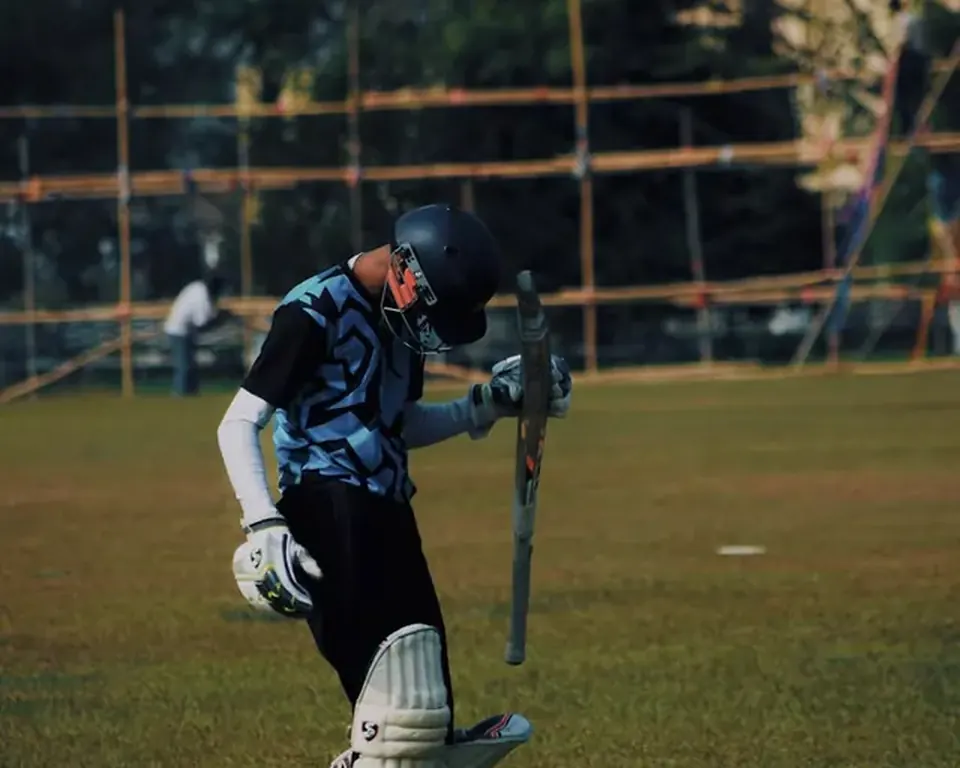
Step 3: Develop Bowling-Specific Strength and Endurance
Fast bowling is one of the most physically demanding actions in sport. It places enormous stress on the lower back, hamstrings, and shoulders. This strength session should be performed twice per week, with at least 48 hours between sessions.
Key exercises (perform 3 sets of 8-10 reps unless stated):
- Single-leg Romanian deadlift (RDL) : Hold a dumbbell in one hand, stand on the opposite leg, and hinge forward at the hips, keeping your back straight. This strengthens the hamstrings and glutes, protecting against hamstring strains—a common injury in fast bowlers.
- Cable or band rotational chop: Attach a resistance band at chest height. Stand sideways to the anchor point, grab the band with both hands, and rotate your torso away from the anchor as if pulling through your bowling action. This builds rotational power for bowling and throwing.
- Medicine ball slams: Hold a medicine ball overhead, then forcefully slam it into the ground while squatting. This develops the hip and core power needed for explosive delivery stride.
- Plank with shoulder taps: Hold a plank position. Tap your left hand to your right shoulder, then right hand to left shoulder. This challenges your anti-rotation stability, crucial for maintaining a strong bowling line.
- Walking lunges with a twist: Hold a medicine ball at chest height. Step into a lunge and rotate your torso towards the front leg. This combines lower body strength with trunk rotation.
Step 4: Incorporate Agility and Change-of-Direction Drills
Cricket demands rapid changes of direction—whether you're a fielder cutting off a drive, a batter taking a sharp single, or a wicketkeeper moving laterally. Perform this agility session once per week, ideally on a cricket field or similar grass surface.
Drills:
- T-Drill: Set four cones in a T-shape—one at the base, three at 5 metres across the top. Start at the base cone, sprint to the middle cone, shuffle to the left cone, shuffle back through the middle to the right cone, then shuffle back to the middle and backpedal to the start. Complete 3-5 reps with 60 seconds rest. This replicates fielding movements in the ring.
- Reactive lateral shuffle: Have a partner point in a direction (left, right, forward, backward). React as quickly as possible by shuffling 5 metres in that direction, then reset. Perform 10-15 reactions per set. This trains your ability to read the ball off the bat.
- Cone weave with ball pickup: Set 6 cones in a zigzag pattern 2 metres apart. Weave through them at speed, then pick up a cricket ball from the final cone and throw to a target 20 metres away. This combines agility with the skill of fielding and throwing accurately.

Step 5: Simulate Match Conditions with Integrated Sessions
The final step is to combine all elements into a session that mirrors the demands of a real match. This should be done once per week, ideally 4-6 weeks before the season starts. For longer-format players, these sessions should last 3-4 hours. For T20 players, keep them to 90 minutes to 2 hours.
Sample integrated session:
- Warm-up (15 minutes): Light jog, dynamic stretches, progressive bowling run-ups at 50%, 70%, then 90% effort
- Bowling block (30 minutes): Bowl 6-8 overs in spells of 2-3 overs, with 5-minute breaks between spells. Focus on maintaining line and length under fatigue. If you're a batter, skip this and move to the batting block.
- Fielding block (20 minutes): High-intensity fielding drills—ground fielding, catching, and throwing to a target under time pressure. Include 10-15 explosive movements (sprint, slide, collect, throw).
- Batting block (30 minutes): Face 40-60 deliveries from a bowler or bowling machine. Focus on running between wickets—take quick singles after every 3-4 deliveries, even on defensive shots. For T20 players, include power-hitting drills after this.
- Cool-down and recovery (10 minutes): Light jog, static stretching, and foam rolling
Pro Tips / Common Mistakes
Pro Tips:
- Periodise your training: For a Test series or longer season, emphasise aerobic base and bowling volume early, then shift to intensity and skill work closer to matches. For T20 preparation, prioritise explosive power and agility.
- Monitor your workload: Use a GPS tracker or a simple training diary to track your bowling volume, sprint efforts, and total training time. As a general guideline, fast bowlers should be mindful of their weekly bowling volume to avoid overuse injuries.
- Recovery is training: After heavy bowling sessions, perform low-intensity recovery work (light swimming, walking) and prioritise sleep. Your body adapts during rest, not during training.
- Test your fitness in match simulation: Before the season starts, play a full intra-squad match or practice game to test your conditioning under real pressure. This identifies weaknesses before they cost you on game day.
- Ignoring the eccentric phase: Fast bowling and sprinting involve forceful muscle lengthening (eccentric loading). Skipping eccentric exercises (like single-leg RDLs or Nordic curls) increases injury risk.
- Training straight-line fitness only: Cricket is multi-directional. A player who can run 5km in 20 minutes but can't change direction quickly is not cricket-fit.
- Overtraining early in the season: Many players peak in preseason and then break down mid-season. Build volume gradually—increase total training load by no more than 10% per week.
- Neglecting the non-dominant side: Cricket is asymmetrical—bowlers load one side, batters rotate one way. Include unilateral exercises and cross-body movements to balance strength and reduce injury risk.
- Skipping the warm-up: A proper warm-up increases blood flow, activates muscles, and prepares your nervous system for explosive movements. It's not optional—it's the most important part of your session.
Checklist Summary
- Assess your baseline with Yo-Yo IR1, single-leg hop, and seated medicine ball throw
- Complete 2 weekly aerobic interval sessions on grass (30/30 work/rest ratios)
- Perform 2 weekly bowling-specific strength sessions (single-leg RDLs, rotational chops, medicine ball slams, planks, lunges)
- Schedule 1 weekly agility session (T-drill, reactive shuffle, cone weave with ball pickup)
- Integrate all elements in a weekly match simulation session (bowling, fielding, batting blocks)
- Periodise your training: build volume early, shift to intensity and skill closer to matches
- Monitor workload with a GPS tracker or training diary to avoid overuse
- Prioritise recovery: sleep, light active recovery, and proper nutrition
- Test your fitness in a practice match before the season begins
- Re-assess baseline tests every 4-6 weeks to track progress
For more on building your training plan, see our tactics and training hub. To understand how preseason tournaments can shape your conditioning, read our preseason tournaments guide. And for detailed skill development, visit our skills training plan.
Reader Comments (1)