


For the dedicated Australian rules football fan, the rhythm of the year is measured in marks, tackles, and the final siren. Yet, for many footy enthusiasts, the summer months bring a familiar and equally compelling ritual: the sound of leather on willow. Understanding the Australian domestic cricket structure is not just about knowing who is playing; it is about appreciating the pathway that produces the champions who light up the Melbourne Cricket Ground and the Sydney Cricket Ground during the Test series against England for The Ashes.
This guide serves as your comprehensive deep dive into the tiers, competitions, and governance that shape cricket from the grassroots to the international stage. Whether you are a long-time follower of the Sheffield Shield or a newcomer curious about how a player like Pat Cummins or Steve Smith hones their craft before representing Australia, this article will provide the expert context you need.
The Governing Body: Cricket Australia
At the apex of the pyramid sits Cricket Australia (CA). Think of CA as the AFL Commission of the cricket world. It is the national governing body responsible for the sport’s administration, development, and commercial strategy from the elite level down to community participation.
CA’s role is multifaceted:
- National Team Management: Overseeing the men’s, women’s, and youth national sides.
- Domestic Competition Ownership: Running the premier domestic leagues, including the Sheffield Shield, the Big Bash League, and the Women's Big Bash League.
- Funding and Development: Allocating resources to state associations and grassroots programs.
- International Relations: Managing Australia’s participation in ICC events, including the ICC Men’s T20 World Cup.
The Premier First-Class Competition: The Sheffield Shield
If the AFL is the pinnacle of Australian rules football, the Sheffield Shield is the equivalent for red-ball cricket. This is the nation’s premier first-class competition, the breeding ground for Test series players. Established in 1892, the Shield is named after the 3rd Earl of Sheffield, who donated the trophy.
How the Sheffield Shield Works
The competition features six state teams:
- New South Wales
- Victoria
- Queensland
- South Australia
- Western Australia
- Tasmania
Key structural elements:
- Points System: Teams earn points for wins, draws, and first-innings leads, with bonus points available for batting and bowling performance.
- The Final: The top two teams on the ladder at the end of the regular season contest the Sheffield Shield Final. This is a five-day match, with the home advantage going to the team that finished first.
- Player Pathway: This is the primary proving ground for Test series aspirants. Players like David Warner and Steve Smith built their reputations on the Shield stage before earning national selection.
Why It Matters to the Footy Fan
For the AFL fan, the Sheffield Shield is the VFL/WAFL/SANFL of cricket. It is where you see the next generation of stars before they hit the big time. When you watch Pat Cummins bowl a devastating yorker at the MCG during a Boxing Day Test, remember that he likely honed that skill in a Shield match against Victoria. The competition provides the depth and resilience required for the five-day grind of international cricket.
The Limited-Overs Arena: The Marsh One-Day Cup
While the Sheffield Shield is the domain of the traditionalist, the Marsh One-Day Cup is the 50-over competition that bridges the gap between the longest format and the shortest. This competition runs alongside the Shield season but is structured as a separate tournament.
Structure and Significance
- Teams: The same six state teams contest this competition.
- Format: A single round-robin followed by a final.
- Purpose: It serves as a selection pathway for the Australian one-day international (ODI) team. Players like Steve Smith and David Warner have used strong performances in this cup to force their way back into the national limited-overs setup.
- Distinct Identity: Unlike the Shield, this competition rewards aggressive batting and clever bowling changes, mirroring the demands of international 50-over cricket.
The T20 Revolution: The Big Bash League (BBL)
No discussion of Australian domestic cricket is complete without the Big Bash League. Launched in 2011, the BBL transformed the summer sporting landscape. It is the cricket equivalent of the AFL’s Thursday night blockbuster—fast, loud, and designed for maximum entertainment.
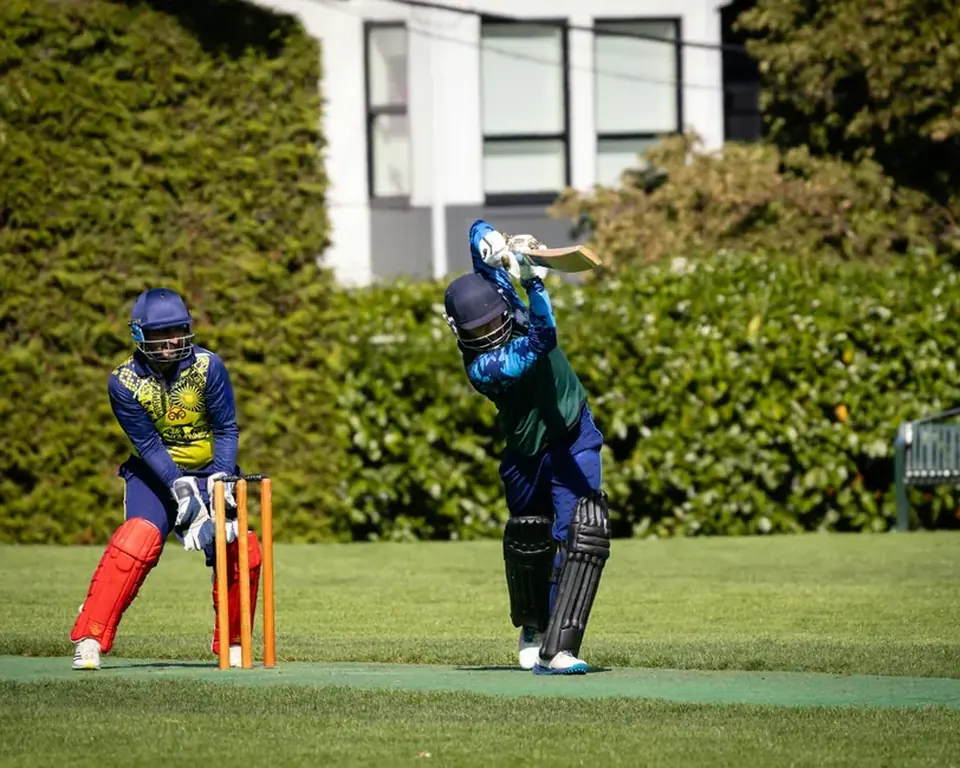
The BBL Structure
- Teams: Eight city-based franchises:
- Adelaide Strikers
- Brisbane Heat
- Hobart Hurricanes
- Melbourne Renegades
- Melbourne Stars
- Perth Scorchers
- Sydney Sixers
- Sydney Thunder
- Season: Typically runs during the summer months, filling the gap between the AFL Grand Final and the start of the new AFL season.
- Format: A double round-robin followed by a finals series, culminating in the BBL Final.
- Player Recruitment: The BBL attracts international stars from around the world, making it a global product. However, it remains a crucial development tool for Australian talent.
The Women's Big Bash League (WBBL)
Running alongside the men’s competition, the Women's Big Bash League has been a game-changer for women’s cricket in Australia. It features franchises aligned with the men’s teams and a similar format. The WBBL has been instrumental in elevating the profile of female cricketers, providing a professional platform that mirrors the men’s game.
For the footy fan, the BBL is the summer version of the AFL’s Friday night football. It is accessible, family-friendly, and designed to be consumed in a few hours. The WACA Ground in Perth, the SCG, and the MCG become vibrant hubs of activity during the BBL season.
The State Leagues: The Grassroots Foundation
Beneath the elite national competitions lies a network of state leagues that form the foundation of the Australian cricket pyramid. These are the equivalents of the local suburban footy leagues where future AFL stars are discovered.
Key State Leagues
- Sydney Grade Cricket (NSW): One of the strongest club competitions in the world. Steve Smith and Pat Cummins both played grade cricket before their state debuts.
- Victorian Premier Cricket: The premier competition in Victoria, feeding into the Victorian state team.
- South Australian Grade Cricket: A key development pathway for players in Adelaide.
- Western Australian Grade Cricket: Based around the WACA Ground, this competition produces many of the state’s finest talents.
- Queensland Premier Cricket: A growing competition that has produced stars like David Warner (who moved to NSW early in his career).
International Cricket in Australia: The Major Series
The domestic structure exists to feed the national team. For Australian cricket fans, the pinnacle of the summer is the international Test series. Two series dominate the calendar.
The Ashes
The oldest and most storied rivalry in cricket. The Ashes series between Australia and England is the ultimate test of skill and temperament. Played regularly, alternating between Australia and England, the series consists of five Test matches. The MCG and SCG are traditional venues for the Boxing Day and New Year’s Tests respectively.
The Border-Gavaskar Trophy
The Border-Gavaskar Trophy is the other major Test series on the Australian calendar, contested against India. This series has become one of the most fiercely contested in world cricket, with both nations boasting world-class talent. The trophy is named after two of the game’s greats: Allan Border and Sunil Gavaskar.
For the footy fan, these series are the equivalent of the AFL Grand Final—a multi-day spectacle that captures the nation’s attention.
The Player Pathway: From Junior to Test Star
Understanding the pathway from junior cricket to the baggy green is essential for any serious fan.
Step 1: Junior Cricket (Under-12 to Under-16)
Most professional cricketers begin in junior club competitions. This is where basic skills are developed. For the footy fan, this is like Auskick—the first exposure to the sport.
Step 2: Representative Cricket (Under-17 to Under-19)
Talented juniors are selected for state representative teams. The Under-19 National Championships are a key scouting ground. Pat Cummins and Steve Smith both represented Australia at Under-19 level.
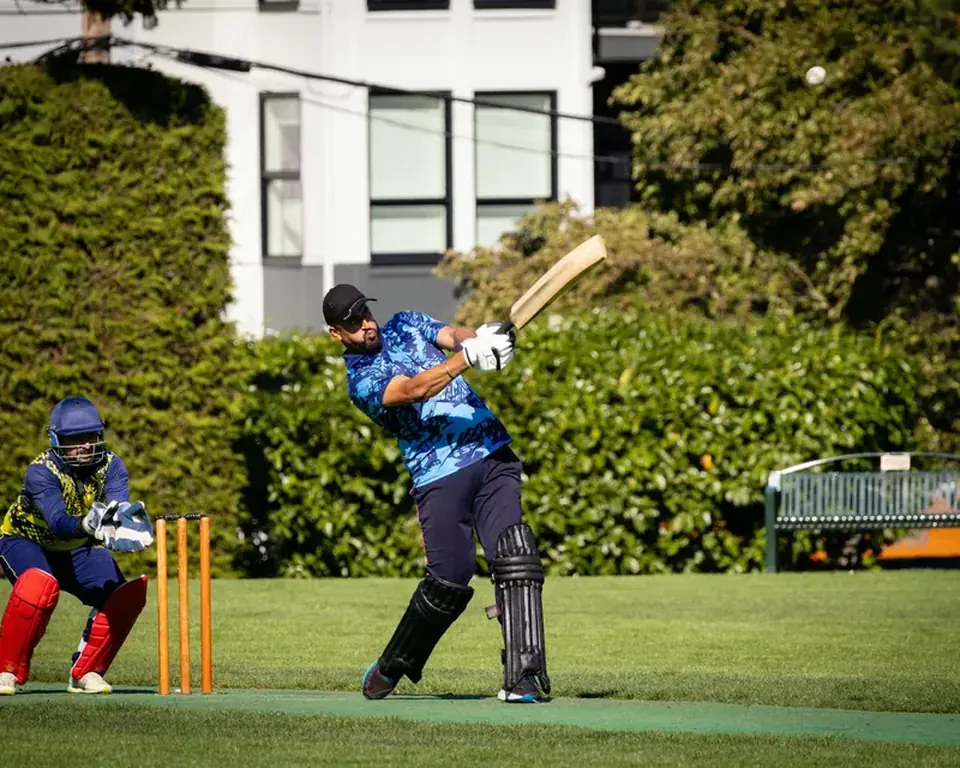
Step 3: Grade Cricket (State Leagues)
Players graduate to senior grade cricket, where they face experienced opponents. This is the equivalent of playing in the VFL or SANFL for a footy player.
Step 4: State Contract (Sheffield Shield / Marsh Cup)
The best grade cricketers are offered state contracts. This is where they become professional athletes. David Warner famously took an unconventional path, moving from grade cricket to the national T20 side, but the traditional path remains the Shield.
Step 5: National Selection
Consistent performances at Shield level lead to national selection. The ICC Men's T20 World Cup, The Ashes, and Border-Gavaskar Trophy are the ultimate destinations.
The Role of the Major Grounds
The Melbourne Cricket Ground, Sydney Cricket Ground, and WACA Ground are more than just venues; they are iconic institutions that shape the character of Australian cricket.
- MCG: The spiritual home of Australian sport. Hosts the Boxing Day Test, BBL Finals, and major international matches.
- SCG: Famous for its historic Members’ Pavilion and the iconic Ladies Stand. Hosts the New Year’s Test.
- WACA Ground: Known for its fast, bouncy pitch. While the WACA has been superseded by Perth Stadium for major matches, it remains a vital venue for Shield and grade cricket.
The Future of Australian Domestic Cricket
Cricket Australia continues to evolve the domestic structure to meet the demands of a changing sporting landscape.
Key Trends
- T20 Expansion: The Big Bash League continues to grow, with discussions about expanding the season or adding new teams.
- Women’s Cricket: The Women's Big Bash League is driving growth in female participation. The women’s game is now a fully professional pathway.
- Player Welfare: CA is increasingly focused on managing player workloads, particularly for fast bowlers like Pat Cummins. This has led to adjustments in the Shield schedule.
- Innovation: The introduction of day-night Test matches and pink balls has brought new audiences to the longest format.
Conclusion: A Structure Built for Success
The Australian domestic cricket structure is a carefully designed pyramid that produces world-class cricketers year after year. From the Sheffield Shield to the Big Bash League, from the WACA Ground to the MCG, every level plays a vital role.
For the Australian rules football fan, understanding this structure provides a deeper appreciation for the summer game. The next time you watch Steve Smith compile a masterful century in The Ashes or David Warner launch a six into the stands at the SCG, remember the hundreds of Shield matches, the grade cricket battles, and the junior competitions that forged their careers.
The system works. And it ensures that Australian cricket will remain a powerhouse for generations to come.
For more insights into the competitions that shape Australian sport, explore our guides on junior competitions and the state leagues guide.
Reader Comments (0)