

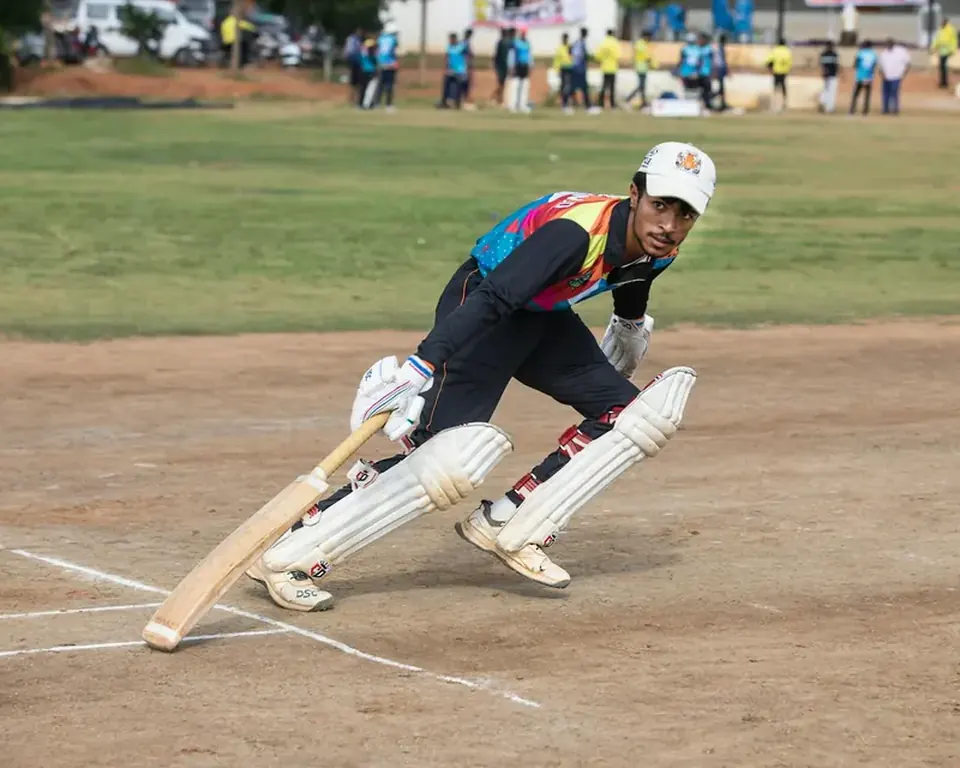
Whether you're a junior just picking up a bat for the first time, a club player looking to tighten your technique, or a coach working with developing cricketers, mastering the fundamentals of batting is essential. In Australian cricket, where the bounce can be variable, the pace can be sharp, and the conditions demand adaptability, building a solid foundation through structured practice is non-negotiable.
This guide provides a practical, step-by-step checklist of batting drills designed for beginners. These drills focus on core technique, footwork, and hand-eye coordination—the building blocks that every batter from local club cricket to the Sheffield Shield competition relies upon. By working through these drills consistently, you will develop the muscle memory and confidence to face any bowler, whether you're preparing for a weekend match or simply improving your game at training.
What You’ll Need
Before you begin, ensure you have the following equipment and setup:
- Cricket bat – properly sized for the player (junior or senior)
- Cricket ball – a tennis ball or soft ball is ideal for beginners; progress to a regulation cricket ball as confidence grows
- Stumps – a set of three stumps and two bails, or a bowling machine target
- Cones or markers – to define your crease and footwork zones
- Flat surface – a net, pitch, or even a backyard lawn with a concrete strip
- Partner or coach – someone to bowl or feed balls, or a bowling machine if available
- Protective gear – helmet, pads, gloves, thigh pad, and abdominal protector (especially when using a hard ball)
Step 1: The Grip and Setup Drill
Before any shot is played, the grip and stance must be correct. This foundational drill ensures you start every innings on the right foot.
How to do it:
- Stand in front of a mirror or have a coach observe your grip.
- Hold the bat with both hands close together, forming a V-shape between your thumb and index finger on both hands. The V’s should point between the middle and off stump.
- Your top hand (left hand for right-handers, right hand for left-handers) should control the bat; the bottom hand provides support.
- Adopt your stance: feet shoulder-width apart, knees slightly bent, weight on the balls of your feet, eyes level, and bat held comfortably behind your back foot.
Why it matters: A correct grip and stance are the foundation of every shot. Without them, you will struggle to control the bat face and generate power. Even elite players revisit their grip and setup regularly.
Step 2: The Forward Defence Drill
The forward defence is the most important shot for a beginner. It teaches you to meet the ball with a straight bat and soft hands, protecting your stumps.
How to do it:
- Have a partner or coach bowl or feed balls on a good length, aimed at off or middle stump.
- Step forward with your front foot, keeping your head over the ball.
- Present the full face of the bat, with your elbow high and bat close to your front pad.
- Play the ball with a slight give in your hands—do not jab at it. Aim to drop the ball at your feet.
Coaching point: Watch the ball all the way onto the bat. Keep your head still and your eyes level. This drill builds the habit of playing late and under your eyes.
Step 3: The Back Foot Defence Drill
In Australian conditions, particularly on pitches that offer extra bounce—like those at the WACA Ground or the Melbourne Cricket Ground—you must be able to defend off the back foot.
How to do it:
- Have your partner bowl or feed short-pitched balls (or use a bowling machine set to a shorter length).
- Step back and across with your back foot, transferring your weight onto your back leg.
- Keep your bat straight and high, with your head over your back knee.
- Play the ball down, aiming to keep it on the pitch near your feet.
Why it matters: The back foot defence is your safety net against short-pitched bowling. It prevents you from being caught in two minds and ensures you can survive against quicker bowlers.
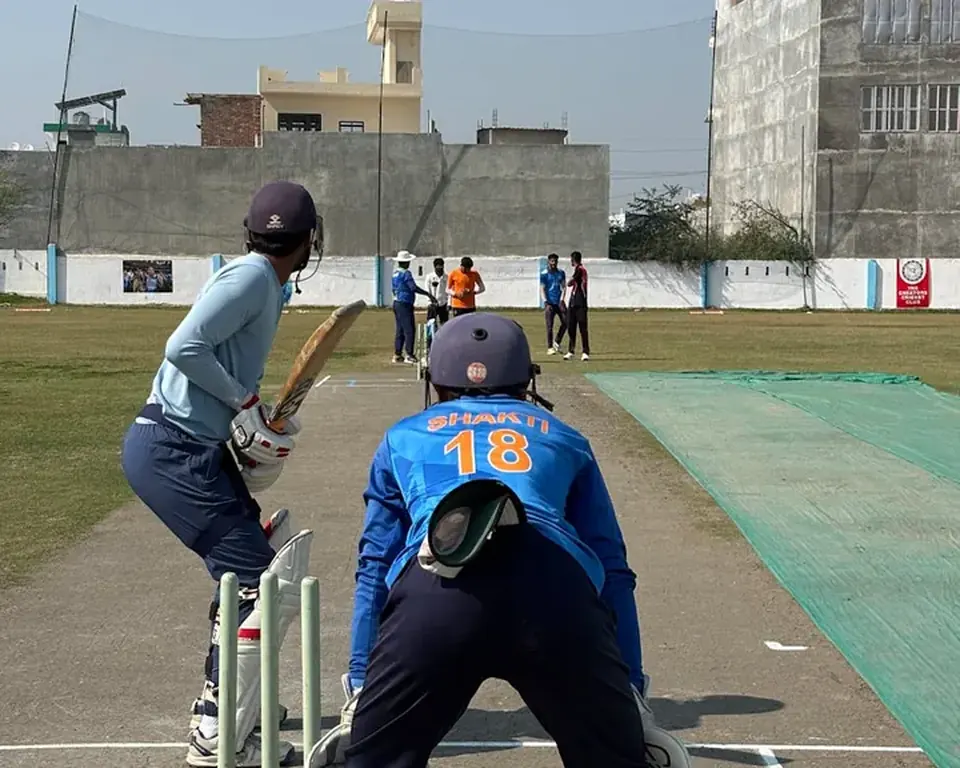
Step 4: The Front Foot Drive Drill
Once you are comfortable defending, it is time to learn to score. The front foot drive is one of the most elegant and productive scoring shots in the game.
How to do it:
- Set up cones or markers to define a zone between mid-off and mid-on.
- Have your partner bowl or feed half-volleys or full deliveries on off stump.
- Step forward with your front foot, keeping your head over the ball.
- Swing the bat through the line of the ball, with your top hand controlling the shot. Follow through high, finishing with your bat pointing towards the bowler.
Pro tip: Do not try to hit the ball too hard. Focus on timing and placement. The best drives are controlled, not forced. Watch how experienced players approach driving—they let the bat speed do the work.
Step 5: The Back Foot Cut and Pull Drill
Short-pitched bowling is a feature of Australian cricket, especially in limited-overs formats. Learning to cut and pull safely and effectively opens up scoring opportunities.
How to do it:
- Have your partner bowl or feed short balls outside off stump (for the cut) and on the body (for the pull).
- For the cut: transfer weight onto your back foot, open your stance slightly, and slice the ball square of the wicket on the off side.
- For the pull: pivot on your back foot, roll your wrists over the ball, and aim to hit it in front of square on the leg side.
Safety note: Always wear a helmet when practising the pull shot, especially against a hard ball. If you are a junior or beginner, use a tennis ball or a soft ball until your technique is sound.
Step 6: The Forward Press and Leave Drill
Knowing when to leave the ball is a skill that separates good batters from great ones. This drill teaches patience and judgement.
How to do it:
- Have your partner bowl a mix of good-length and short deliveries, some on the stumps and some outside off.
- Your job is to either play a forward defence or leave the ball entirely.
- When leaving, use a forward press (a small step forward with your front foot) to commit to the leave. Keep your bat away from your body and your head still.
Why it matters: In longer formats of the game, leaving the ball is a tactical weapon. It can tire bowlers, frustrate fielding sides, and protects your wicket. Even in shorter formats, knowing when not to swing is crucial.
Step 7: The Throwdowns or Bowling Machine Drill
This drill simulates match conditions and builds muscle memory for a range of deliveries.
How to do it:
- Use a bowling machine set to a consistent length and line, or have a coach use throwdowns from a short distance.
- Start with 20 balls of front foot defence, then 20 of back foot defence, then 20 of driving, then 20 of cutting and pulling.
- Progress to random sequences where you must react to each ball.
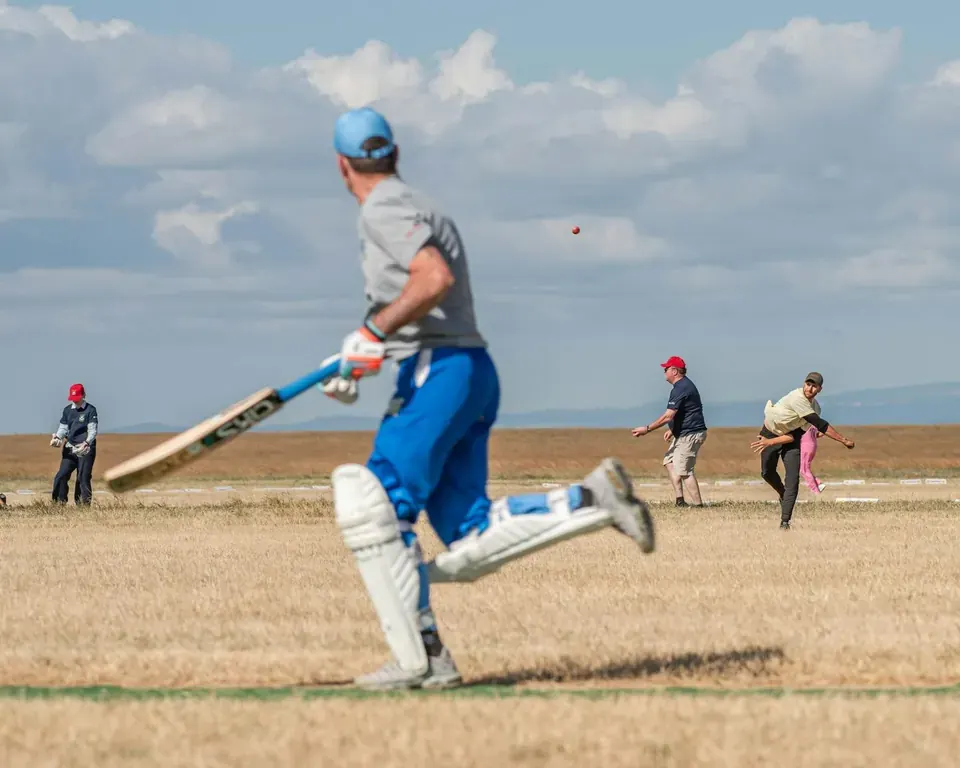
Coaching point: Focus on watching the ball from the bowler’s hand or machine release point. Train your eyes to pick up length and line early.
Step 8: The Shadow Batting Drill
Shadow batting is a low-impact, high-reward drill that reinforces technique without needing a ball.
How to do it:
- Stand in front of a mirror or have a coach watch.
- Go through your full range of shots: forward defence, back foot defence, drive, cut, pull, and even the sweep if you are developing.
- Focus on footwork, head position, and bat swing. Check your alignment with the stumps.
Why it matters: Shadow batting builds neural pathways and corrects technical flaws without the pressure of a ball. Many experienced cricketers use shadow batting as part of their warm-up.
Pro Tips and Common Mistakes
Pro Tips:
- Record yourself: Use a smartphone to film your drills. Compare your technique to footage of professional players.
- Practice with a purpose: Every ball in the net should have a goal—defend, drive, or leave. Do not just hit randomly.
- Vary the conditions: Practice on different surfaces—grass, concrete, and turf—to adapt to different bounce and pace.
- Use a heavy bat for shadow batting: A heavier bat strengthens your forearms and wrists, improving bat speed.
- Playing away from your body: This leads to edges and catches. Keep your bat close to your body.
- Head falling over: Your head must be over the ball, not leaning towards the off side or leg side.
- Not watching the ball: This is the most common error. Watch the ball from the bowler’s hand to the bat.
- Over-gripping the bat: A tight grip reduces bat speed and feel. Keep your hands relaxed.
- Neglecting defence: Beginners often want to hit boundaries. Defence builds confidence and keeps you at the crease.
Checklist Summary
Use this checklist to structure your training sessions:
- Grip and Setup Drill – 20 grip checks, 30-second stance hold
- Forward Defence Drill – 30 balls, soft to hard progression
- Back Foot Defence Drill – 30 balls, short-pitched deliveries
- Front Foot Drive Drill – 40 balls, focus on timing and placement
- Back Foot Cut and Pull Drill – 30 balls, 15 each shot, soft ball initially
- Forward Press and Leave Drill – 30 balls, practice leaving outside off
- Throwdowns or Bowling Machine Drill – 80–100 balls in sets of 20
- Shadow Batting Drill – 5 minutes, all shots, with mirror or coach
Batting is a skill that requires patience, repetition, and a willingness to learn from every session. By following this checklist, you will build a solid technical foundation that will serve you well whether you are playing in the backyard, for your local club, or dreaming of representing Australia in top-level competitions.
Remember: every great batter started as a beginner. The key is consistent, focused practice. Use these drills, track your progress, and do not be afraid to ask your coach or a senior player for feedback.
For more training resources, explore our /tactics-training hub, dive into /video-analysis-tips to refine your technique, or visit /game-plan-strategies for match-day preparation advice.
Now, grab your bat, head to the nets, and start building your game—one drill at a time.
Reader Comments (0)