

So you’re gearing up for the new Big Bash League season—or maybe just a local T20 tournament—and you’ve realised your old leg pads have seen better days. Maybe they’re floppy, maybe they smell like a change room after a Sheffield Shield marathon, or maybe you’ve just outgrown them. Either way, picking the right pads for T20 cricket isn’t quite the same as choosing a pair for a Test series. The game’s faster, the bowling’s more aggressive, and you need gear that moves with you.
In this guide, I’ll walk you through exactly what to look for when buying BBL-style pads—whether you’re a grassroots player, a junior just starting out, or a parent trying to work out why your kid’s pads keep falling down mid-innings. By the end, you’ll have a practical checklist to take to the shop (or the online cart) and know exactly what fits your game.
Let’s get into it.
What You’ll Need Before You Start
Before you even think about colour or brand, grab a few things:
- A tape measure – for your leg length and calf circumference.
- Your usual cricket shoes and socks – pads need to be tried on with the footwear you’ll actually wear.
- A batting glove or two – to check how the pads sit against your hands when you’re in stance.
- A friend or a mirror – to see how the pads look from the side and behind.
- Your budget in mind – T20 pads range from about $80 for entry-level to $400+ for pro-grade.
Step 1: Understand the T20 Difference
First up, why are BBL pads different from Test match pads? Simple: the game’s shorter, the bowling’s faster, and you’re moving more. In a Test series, you might face 100 balls a day and spend hours in the crease. In the Big Bash League, you’re in for 20 overs max—and you’re expected to run quick singles, dive, and maybe even keep wicket for a bit.
So the pads you choose need to be:
- Lightweight – heavy pads slow you down between wickets.
- Low-profile – bulky pads get in the way when you’re trying to turn for a second run.
- Flexible – you need to bend your knees easily for those low full tosses or sweep shots against spin.
Step 2: Measure Your Leg Length
Nothing’s worse than pads that are too long and clunk against your toes, or too short and leave your shin exposed. Here’s how to get it right:
- Stand up straight in your cricket shoes.
- Measure from the centre of your knee cap down to the top of your foot (where your laces start).
- Write that number down in centimetres.
- Junior sizes: 28–35 cm
- Senior small: 36–38 cm
- Senior medium: 39–41 cm
- Senior large: 42–44 cm
- Senior extra large: 45+ cm
Many top-level players prefer pads that are cut a bit shorter than traditional Test pads – it helps them get those quick singles and sharp turns.
Step 3: Check the Calf Fit
This is where most people get it wrong. The top strap of your pad needs to sit snugly around your calf, not your knee. If it’s too loose, the pad will slide down when you run. If it’s too tight, you’ll lose circulation and feel like a sausage in a casing.
Put the pad on and do a few lunges and squats. The pad should stay in place without you having to yank it up every second ball. Most modern BBL pads have elasticated top straps or Velcro adjustments – use them.
For players with bigger calves (common among footy players crossing over to cricket), look for pads with extended calf straps or a “wide calf” option. Some brands offer specific models for this.
Step 4: Evaluate Padding Protection
T20 cricket means facing fast bowlers who bowl yorkers, bouncers, and everything in between. Your pads need to protect your shins, knees, and the side of your legs. Here’s what to check:
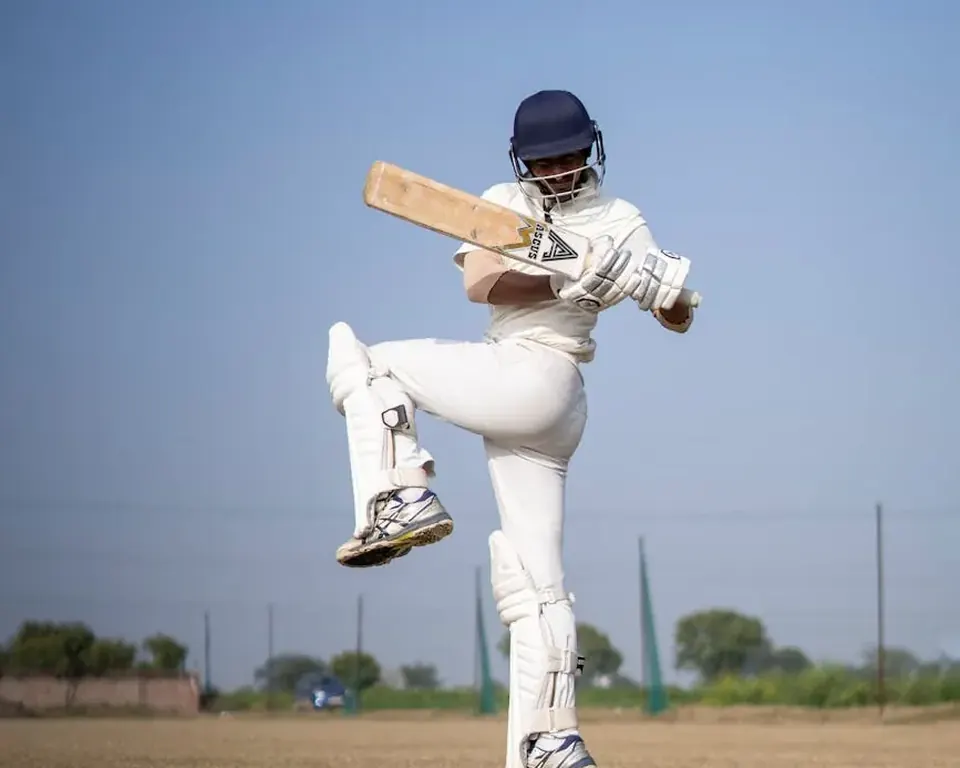
- Shin protection – The front of the pad should have thick foam or plastic inserts. Push on it with your thumb – it shouldn’t bottom out.
- Knee roll – This is the padded roll that sits over your knee. It should be thick enough to absorb a direct hit but not so big that it restricts bending.
- Side wings – These protect the outside of your leg when you’re playing across the line. They should be firm but flexible.
If you’re a parent buying for a kid, look for pads with a plastic shell over the shin. They’re heavier but offer much better protection for young players still learning to judge the ball.
Step 5: Assess Weight and Mobility
Pick up the pad and feel its weight. Then put it on and simulate a batting stance – bend your knees, pivot on your back foot, take a step forward. Does the pad feel like it’s fighting you? Or does it move naturally?
In T20 cricket, you’ll be running between wickets, diving to make your ground, and maybe even keeping wicket for a few overs. Every extra gram of weight slows you down. Many high-quality T20 pads are designed to be lightweight. For club cricket, aim for under 1 kg per pair.
A good test: put both pads on and jog on the spot for 30 seconds. If you feel like you’re carrying weights, try a lighter model.
Step 6: Try the Strapping System
Straps are the unsung heroes of good pads. A bad strapping system means constant adjustment, distraction, and potential injury if the pad slips mid-delivery.
Most pads have:
- Two straps – one above the calf, one below the knee.
- Three straps – adds an extra strap at the top of the calf for more security.
Also check the back of the pad – some have a mesh or ventilated panel. This helps with sweat, especially in the summer heat of a BBL game at the MCG or SCG.
Step 7: Match the Pad to Your Batting Style
This might sound fancy, but it’s practical. Different batting styles need different pad shapes:
- Aggressive openers – need pads that allow maximum knee bend for drives and cuts. Look for low-profile knee rolls.
- Middle-order anchors – need pads with good side protection for working the ball through leg side. A wider side wing helps.
- Finishers – need ultra-light pads for quick singles and running between wickets. Go for minimalist designs.
- Keepers – if you also keep wicket, you need pads that are shorter and have more flexibility at the ankle.
Step 8: Consider the Conditions
The BBL is played in Australian summer – hot, sweaty, and often under lights. That means your pads are going to get drenched in sweat. Look for:
- Moisture-wicking linings – some pads have a mesh or fabric liner that dries fast.
- Breathable back panels – helps air circulate so you don’t end up with swamp leg.
- Water-resistant outer material – not essential, but nice if you’re playing in dew or light rain.
Step 9: Test the Fit with Your Other Gear
Pads don’t exist in a vacuum. Try them on with your batting gloves, thigh pad, and box. Make sure:
- The top of the pad doesn’t dig into your thigh pad.
- The pad doesn’t push your glove up when you’re in stance.
- You can still bend your knees fully.
Step 10: Check for BBL-Style Features
If you want to look the part (and who doesn’t?), consider these features common in modern T20 gear:
- Colour-matched straps – many pads offer colour options that can match team kits.
- Low-profile knee rolls – these sit flatter against your leg, reducing bulk.
- Ankle cut-outs – some pads have a cut-out at the back of the ankle to improve mobility.
- Reinforced stitching – T20 pads take a beating from fast bowling and diving. Look for double-stitched seams.
Pro Tips and Common Mistakes
Pro tip 1: Always break in new pads before a match. Wear them around the house for an hour, do some shadow batting, and run a few laps. This softens the foam and helps the straps mould to your legs.
Pro tip 2: If you’re between sizes, go shorter for T20. A pad that’s 1 cm shorter is easier to run in and less likely to trip you up.
Pro tip 3: Keep your pads clean and dry after every game. Sweat and dirt break down the foam and straps. A quick wipe with a damp cloth and air drying will double their life.
Common mistake 1: Buying pads that are too big. “I’ll grow into them” doesn’t work for cricket pads – they’ll just slide around and give you blisters.
Common mistake 2: Ignoring the calf strap. A loose calf strap is the number one reason pads slip during a game.
Common mistake 3: Choosing heavy pads for T20. You’ll regret it after the first few overs when you’re struggling to run.
Common mistake 4: Not testing with your shoes. Pads that fit barefoot might not fit with cricket shoes on.
Checklist Summary: Your BBL Pads Selection Checklist
Before you buy, run through this list:
- Measured your leg length (knee to top of foot)
- Chosen the right size for T20 (shorter is better)
- Checked calf fit – straps sit snugly, not tight
- Tested padding protection – shin, knee, side wings
- Assessed weight – under 1 kg per pair for club cricket
- Tried strapping system – three straps preferred for T20
- Matched pad to your batting style
- Considered conditions – breathable, moisture-wicking
- Tested fit with gloves, thigh pad, and shoes
- Looked for BBL-style features if desired
- Broke in pads before match day
- Cleaned and stored pads properly after use
Choosing the right pads for T20 cricket doesn’t have to be complicated. Whether you’re a junior dreaming of playing in the KFC Big Bash League one day, a club cricketer looking to improve your running between wickets, or a parent trying to keep your kid safe and comfortable, the key is fit, weight, and protection.
Remember, the best pads in the world won’t make you bat like a star – but they will give you the confidence to face fast bowling, dive for runs, and enjoy the game. And isn’t that what it’s all about?
If you’re also looking for the right guernsey to match your new pads, check out our guide on guernsey sizing. And for training gear that helps you improve your footwork, don’t miss our article on training cones and mats.
Happy shopping, and see you at the crease.
Reader Comments (0)