


Let’s be honest—there’s nothing worse than pulling on a fresh cricket guernsey only to realise you look like you’re wearing a tent, or worse, a compression top that’s two sizes too small. Whether you’re gearing up for a Saturday morning club game, a backyard Ashes series with mates, or just want to rep your favourite Big Bash League side, getting the right fit matters.
I’ve seen blokes at the local ground wearing guernseys that flap around like a sail on a windy day at the WACA Ground, and others who look like they’ve been vacuum-sealed into theirs. Neither is a good look. So, how do you nail it?
This checklist will walk you through everything you need to know to choose the right cricket guernsey size. We’ll cover measurements, fit preferences, brand differences, and common traps that even experienced players fall into. By the end, you’ll be able to order online or grab one off the rack with total confidence.
What You’ll Need Before You Start
Before we dive into the steps, grab these things first:
- A soft measuring tape (the kind tailors use—not the one from your tool shed)
- A notepad and pen (or your phone’s notes app)
- A full-length mirror (optional but helpful)
- Your preferred cricket gear (pads, gloves, etc.) if you plan to wear them under the guernsey
- Patience—rushing this leads to regret
Step 1: Understand the Different Guernsey Styles
Not all cricket guernseys are created equal. Before you even pick up a measuring tape, know what you’re looking for.
Traditional baggy-style guernseys (think Test match gear) tend to have a looser, more relaxed fit. These are designed for comfort and airflow during long days in the field. They’re what you’ll see Steve Smith wearing during a Test series at the Melbourne Cricket Ground.
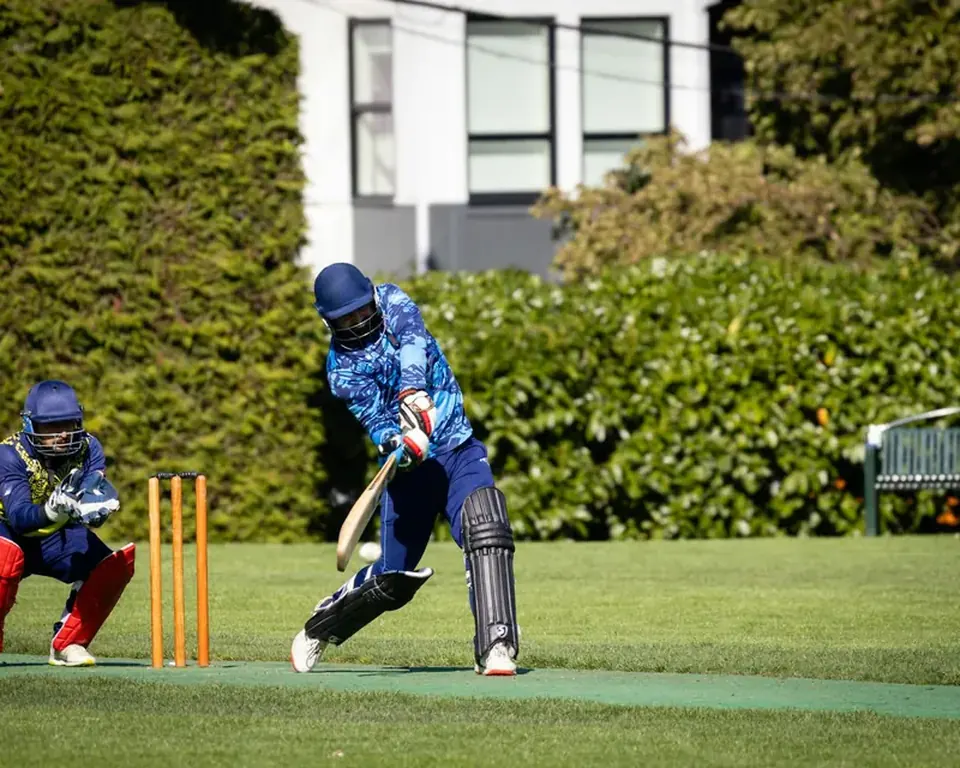
Slim-fit or modern-cut guernseys are tighter through the chest and arms. These are popular in the Big Bash League and Women's Big Bash League, where players want a streamlined look. Pat Cummins and David Warner often wear these styles.
Club-grade guernseys fall somewhere in between. They’re usually a bit more forgiving in fit and made from thicker material.
Pro tip: If you’re buying a replica of an ICC Men’s T20 World Cup jersey or a Border-Gavaskar Trophy series guernsey, check whether it’s a “player fit” or “fan fit.” Player fit is snug; fan fit is roomier.
Step 2: Take Your Chest Measurement Properly
This is the single most important measurement. Get this wrong, and nothing else matters.
Stand up straight with your arms relaxed at your sides. Wrap the measuring tape around the fullest part of your chest—usually right under your armpits and across your shoulder blades. The tape should be snug but not tight. You should be able to slide one finger underneath.
Write that number down in centimetres or inches, depending on the sizing chart you’ll use.
Common mistake: Measuring over a thick jumper or hoodie. Unless you plan to wear that under your guernsey (please don’t), measure over a thin t-shirt or singlet.
Another trap: Holding your breath or puffing out your chest. Breathe normally. The guernsey needs to fit you at rest, not when you’re posing for a photo.
Step 3: Measure Your Waist and Hips
Yes, your waist matters. A guernsey that’s tight around the middle will ride up when you’re fielding or bowling. Nobody wants to be adjusting their shirt mid-over.
Measure your natural waistline—usually just above your belly button. Wrap the tape around, keeping it level. For hips, measure the widest part around your butt and upper thighs.
Why this matters: If you’re a bigger bloke through the middle, you might need to size up even if your chest measurement says otherwise. Cricket Australia’s official team gear often runs a bit slim through the waist, so factor that in.
Step 4: Check Your Shoulder Width
This one gets overlooked all the time. A guernsey that’s too narrow in the shoulders will restrict your bowling action or make it hard to raise your arms for a catch.
Measure from the edge of one shoulder to the edge of the other, across your upper back. Have a friend help if you can—it’s hard to do this accurately on your own.
Pro tip: If you’ve got broad shoulders from cricket training or other sports, you might need a size larger even if your chest is average. This is especially common for blokes who also play Aussie Rules footy on the side.
Step 5: Measure Your Arm Length
Arm length matters for the sleeves. A guernsey with sleeves that are too short looks awkward, and ones that are too long can get in the way when you’re throwing or batting.
Bend your arm slightly. Measure from the shoulder seam (where the sleeve attaches) down to your wrist bone. If you’re buying a long-sleeve guernsey, add a couple of centimetres so the sleeves don’t ride up when you move.
Note: Sleeve lengths vary between brands. A Kookaburra guernsey might fit differently than a Gray-Nicolls or a team-issued one from the Sheffield Shield competition. Always check the specific brand’s sizing chart.
Step 6: Account for What You’ll Wear Underneath
This is where beginners and even some experienced players stuff up.
If you’re buying a guernsey to wear over cricket pads, arm guards, or a compression shirt, you need extra room. A guernsey that fits perfectly over a t-shirt might be too tight when you add protective gear.
The rule of thumb: If you plan to wear the guernsey over pads or a chest guard during a Test match or Shield game, go up one size. For casual wear or training at the Sydney Cricket Ground nets, your regular size is fine.
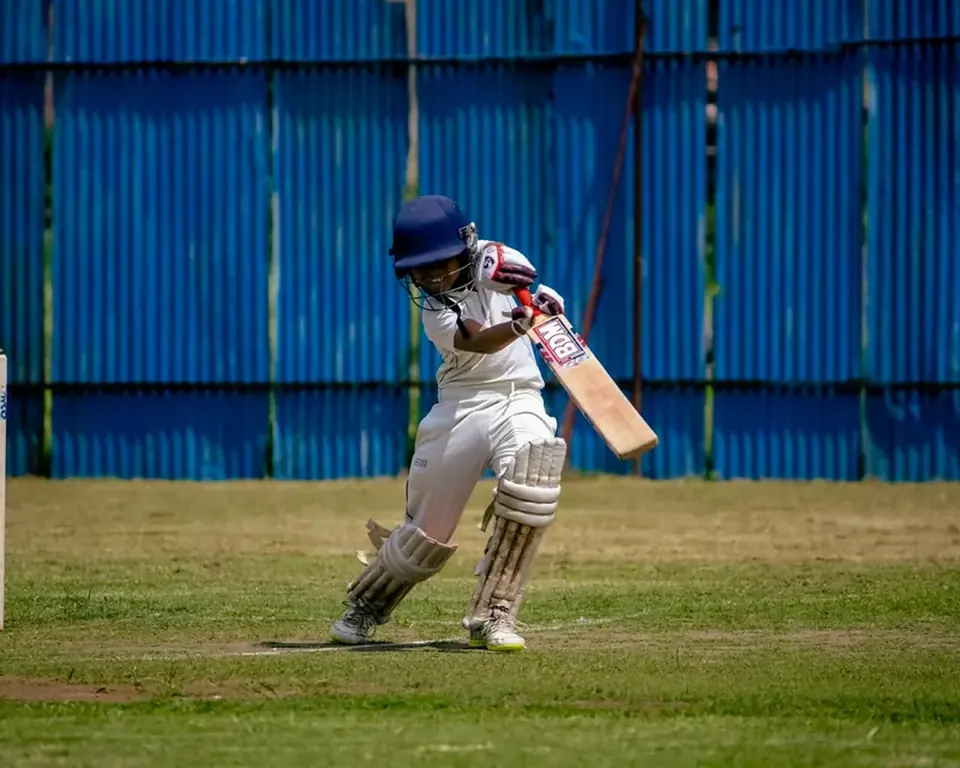
For junior players: Kids grow fast, and they often wear extra layers for warmth. Consider sizing up by one or two sizes if the guernsey is meant to last more than one season. Just don’t go overboard—a guernsey that’s three sizes too big is a trip hazard.
Step 7: Check the Brand’s Specific Sizing Chart
Here’s the thing: sizing is not standardised. A “large” in one brand might be a “medium” in another. Even within the same brand, different styles can fit differently.
Before you buy, find the brand’s official sizing chart. Compare your chest, waist, and hip measurements to their recommendations. If you’re between sizes, here’s how to decide:
- For a looser fit (great for hot days at the WACA Ground or casual wear): Go up.
- For a snug, athletic fit (like what you see in the Big Bash League): Go down.
- For kids or teens still growing: Go up one size.
Step 8: Read Reviews from Other Buyers
Before you hit “add to cart,” scroll through the reviews. Look for comments about fit, especially from people who mention their height, weight, and usual size.
Common phrases to watch for:
- “Runs small, size up”
- “Generous fit, order a size down”
- “Great for broad shoulders”
- “Tight through the waist”
Step 9: Try It On (If Possible)
This sounds obvious, but you’d be surprised how many people skip it. If you’re buying from a physical store, try the guernsey on before you buy. Move around in it. Raise your arms. Pretend to bowl. Do a mock dive. If it restricts your movement, it’s too small.
What to check in the mirror:
- Does the shoulder seam sit at your shoulder edge?
- Is the hem long enough to stay tucked in (if you tuck it)?
- Are the sleeves the right length?
- Does it feel tight across your back when you reach forward?
Step 10: Consider the Fabric and Care
The fabric affects how the guernsey fits over time. Cotton-rich guernseys can shrink in the wash. Polyester blends hold their shape better but can feel less breathable.
Care tips to maintain fit:
- Wash in cold water
- Hang dry (avoid the dryer unless you want a shrunken guernsey)
- Don’t iron over prints or logos
Pro Tips and Common Mistakes
Pro Tips
- Buy for your biggest measurement. If your chest says medium but your waist says large, go with large. You can always take it in, but you can’t let it out.
- Think about layering. If you play in cooler climates or early-season Sheffield Shield matches, you might wear a thermal underneath. Account for that.
- Check the sleeve style. Some guernseys have raglan sleeves (more room in the shoulders), while others have set-in sleeves (more tailored). Raglan is better for bowlers.
- Don’t forget the kids. Junior players grow fast. A guernsey that fits now might not fit in three months. Buy a size up if you want it to last the season.
Common Mistakes
- Ignoring the brand’s specific sizing chart. This is the number one mistake. Don’t assume your size is the same across brands.
- Measuring over thick clothing. You’ll end up with a guernsey that’s too big.
- Forgetting about shrinkage. If the fabric can shrink, account for it by buying slightly larger.
- Buying a “fan fit” when you want a “player fit.” They’re different. Read the product description.
- Not considering the style of cricket you play. A loose guernsey might be fine for some formats but could get in the way during a fast-paced T20 World Cup game.
Checklist Summary
Here’s your quick-reference checklist to take with you when shopping:
- Decide on style: traditional, slim-fit, or club-grade
- Measure chest at fullest point (under armpits)
- Measure natural waist (above belly button)
- Measure hips (widest point)
- Measure shoulder width (edge to edge across back)
- Measure arm length (shoulder seam to wrist)
- Account for gear worn underneath (pads, compression, etc.)
- Check the brand’s specific sizing chart
- Read buyer reviews for fit feedback
- Try it on and move around (if possible)
- Check return/exchange policy for online orders
- Consider fabric and care instructions
- Buy for your largest measurement
- Size up for growing kids or layering
- Avoid common mistakes (shrinkage, wrong fit type, measuring over thick clothes)
Getting the right cricket guernsey size isn’t rocket science, but it does take a bit of effort. Follow this checklist, take your time with the measurements, and you’ll be set. Whether you’re channelling Pat Cummins in the Ashes, cheering on your Big Bash League team from the stands at the Sydney Cricket Ground, or representing your local club, a well-fitted guernsey makes all the difference.
Now go forth and find your perfect fit. Your shoulders—and your batting average—will thank you.
For more gear guides, check out our main gear and equipment hub, our breakdown of protective gear essentials, or learn about the stories behind the Indigenous Round guernseys. And if you’re also into footy, don’t miss our AFL clubs list and fan traditions features.
Reader Comments (0)