

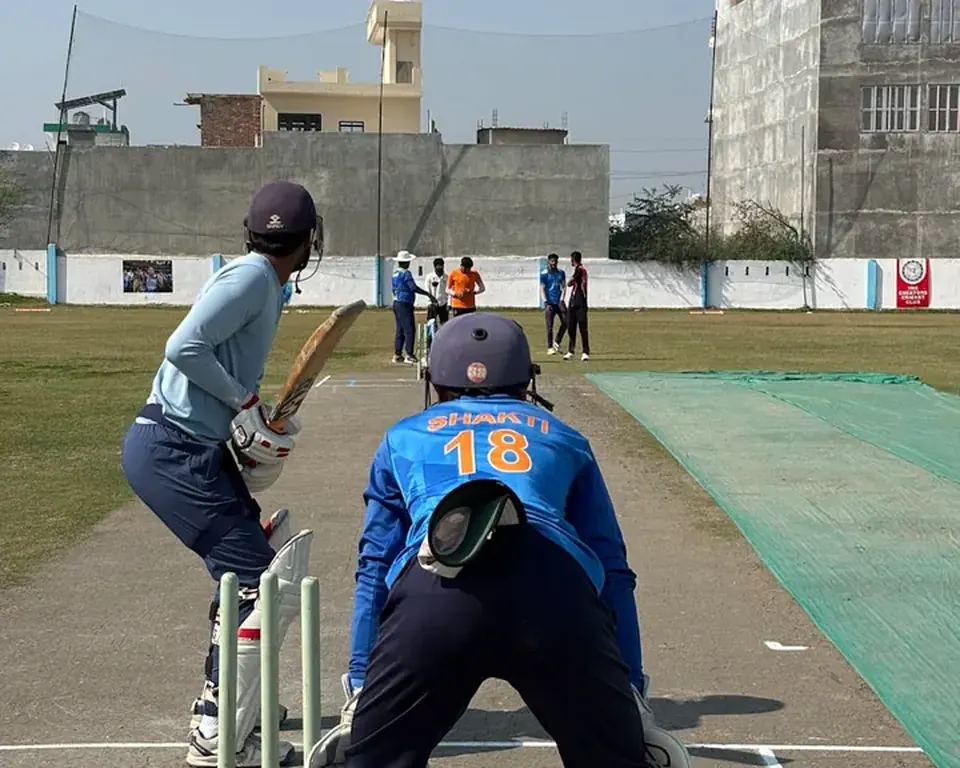
There’s something special about the sound of leather on willow, isn’t there? Whether you’re a weekend warrior at the local nets, a junior player dreaming of representing Australia at the Melbourne Cricket Ground, or a seasoned club cricketer trying to iron out a technical flaw, the humble batting tee is one of the most underrated pieces of gear in your kit bag.
You might be thinking: “A tee? Isn’t that for kids or baseball players?” Not quite. In Australian cricket, from the Sheffield Shield to the Big Bash League, players use batting tees to groove their drives, sharpen their cuts, and build muscle memory without the pressure of a bowler steaming in. Even top-level cricketers have been spotted working off tees during net sessions—because sometimes, the best practice is the simplest.
In this guide, we’ll walk through everything you need to know about cricket batting tees: why they matter, what to look for, the best options on the market, and how to use them like a pro. Whether you’re setting up in the backyard, at the local oval, or in a dedicated indoor facility, we’ve got you covered.
Why Every Cricketer Needs a Batting Tee
Let’s be honest—most of us don’t have a bowling machine or a net bowler on call 24/7. But a batting tee? That’s something you can set up in five seconds and start working on your game immediately.
The Case for Tee Work
- Repetition without fatigue: You can hit 100 balls in ten minutes, focusing purely on technique.
- No fear of getting hit: Perfect for juniors or players coming back from injury.
- Shot-specific practice: Want to nail your cover drive or pull shot? Tee work lets you repeat the same movement pattern until it becomes second nature.
- Builds hand-eye coordination: Tee drills are widely credited for sharpening reflexes.
What to Look for in a Cricket Batting Tee
Not all tees are created equal. Here’s what separates a good tee from a great one.
Height Adjustability
This is non-negotiable. A quality batting tee should allow you to adjust the height to simulate different deliveries—from a good length ball to a short-pitched bouncer or a full toss. Look for tees with a telescopic stem or multiple locking positions.
Base Stability
Nothing ruins a session faster than a tee that topples over after every shot. A wide, heavy base (often rubber or weighted plastic) keeps the tee planted, even when you’re middling the ball. Some premium tees even have a weighted base that you can fill with sand or water.
Durability
If you’re practicing on concrete, artificial turf, or grassy ovals, the tee needs to withstand repeated impacts. Look for reinforced stems and high-quality rubber tops that won’t crack after a few sessions.
Portability
For club cricketers and juniors who travel to training, a tee that breaks down or collapses is a huge plus. Some tees come with a carry bag, making them easy to toss in the boot of the car.
Ball Placement Variety
Some tees allow you to adjust the angle of the ball—useful for simulating off-stump or leg-stump lines. Others have a flat top that holds the ball securely, regardless of wind or movement.
Types of Cricket Batting Tees
Let’s break down the main categories so you can choose what suits your needs.
Standard Adjustable Tees
These are the workhorses of the cricket world. They typically have a rubber or plastic stem that telescopes from around 20cm to 50cm in height. The base is wide and often rubberised to grip the ground.
Best for: General practice, net sessions, and club training.
Heavy-Duty / Weighted Base Tees
These tees come with a base that can be filled with sand, water, or gravel. They’re rock-solid and won’t budge, even on windy days or hard surfaces.
Best for: Outdoor practice on concrete or artificial pitches, and for players who hit with serious power.
Collapsible / Travel Tees
Perfect for the cricketer on the go. These tees fold down into a compact shape, often fitting into a backpack. They’re lighter, but still durable enough for regular use.
Best for: Juniors, families, and players who practice at multiple locations.
Multi-Purpose / Combo Tees
Some tees double as a bowling marker or fielding target. They might have a flat top for batting and a cone-shaped top for bowling drills. These are great value for coaches and clubs.
Best for: Coaching sessions, school programs, and multi-sport use.
Top Cricket Batting Tees on the Market
While we don’t endorse specific brands, here are some types of tees that consistently get the thumbs up from Australian cricketers.
1. The Classic Rubber Tee
You’ve seen these at every club training session. They’re simple, affordable, and surprisingly durable. The stem is solid rubber, and the base is wide enough to stay put on grass or turf.
- Pros: Cheap, lightweight, easy to replace.
- Cons: Limited height adjustment, can wear out after heavy use.
2. The Telescopic Adjustable Tee
This is the gold standard for serious practice. The stem extends in sections, locking into place at various heights. The base is often reinforced with a metal plate or weighted rubber.
- Pros: Excellent height range, stable, built to last.
- Cons: Slightly heavier, more expensive.
3. The Weighted Base Pro Tee
If you’re practicing on concrete or a hard surface, this is your best bet. The base is hollow and comes with a plug for filling with sand or water. Once filled, it’s almost impossible to knock over.
- Pros: Maximum stability, great for power hitters, works on all surfaces.
- Cons: Heavy when filled, not as portable.
4. The Junior / Training Tee
Designed for younger players, these tees are shorter, lighter, and often brightly coloured. Some come with a soft top to reduce ball bounce on mis-hits.
- Pros: Perfect for kids, safe, encourages proper technique.
- Cons: Limited height range, not suitable for adults.
5. The Collapsible Travel Tee
These are becoming increasingly popular, especially for families and players who travel. They fold into a disc or tube shape and can be stored in a kit bag.
- Pros: Ultra-portable, decent stability, good for backyard use.
- Cons: Not as durable as solid tees, may wobble on uneven ground.
How to Use a Batting Tee Like a Pro
Having a great tee is only half the battle. Here’s how to get the most out of your practice sessions.
Set Up Correctly
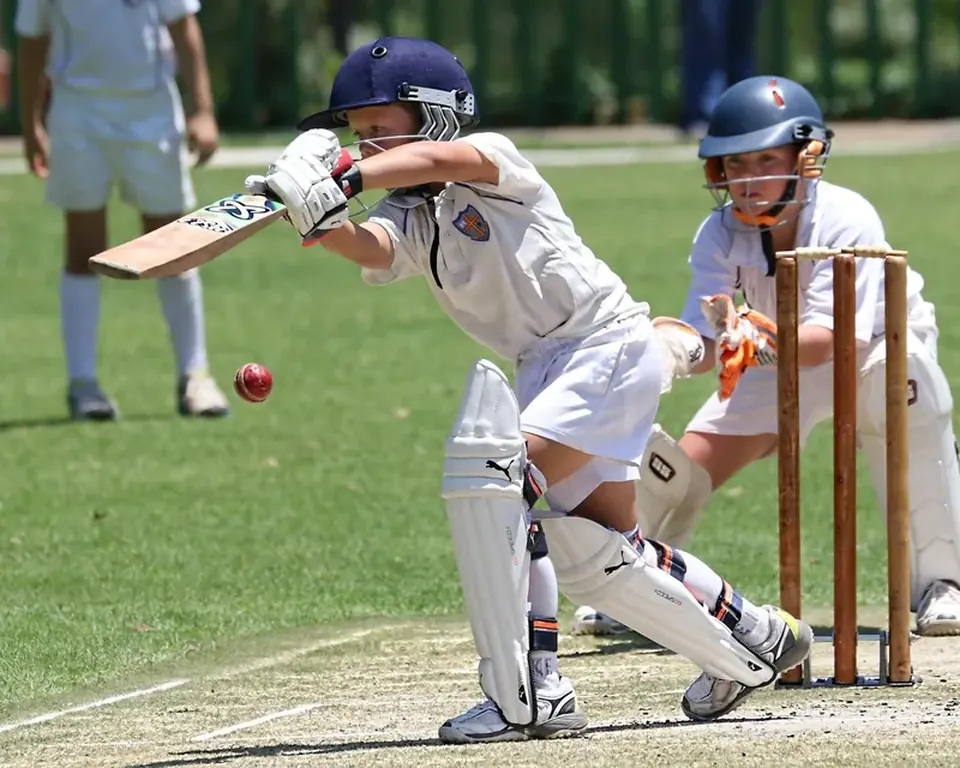
Place the tee on a flat surface. If you’re on grass, make sure the base is level. Adjust the height so the ball sits at your preferred length—typically around knee to mid-thigh height for drive practice, or chest height for pull shots.
Start with the Basics
Begin with simple front-foot drives. Focus on:
- Head position (still, eyes level)
- Bat swing (straight back, straight through)
- Contact point (under the eyes, slightly in front of the body)
Progress to Back-Foot Shots
Once you’re comfortable, raise the tee to simulate a short ball. Practice your pull, cut, and hook shots. Keep your weight back and your hands high.
Add Movement
Some advanced drills involve placing the tee on different lines—off stump, middle, leg stump—to simulate different bowling angles. You can also practice stepping forward or back before hitting, mimicking match conditions.
Use a Mirror or Camera
If possible, film your session or practice in front of a mirror. This helps you spot technical flaws like a crooked head, a dropped elbow, or an unbalanced finish.
Mix It Up
Don’t just hit the same shot over and over. Alternate between drives, cuts, and pulls. Throw in some defensive blocks and nudges for singles. The goal is to build a complete game, not just one flashy shot.
Common Mistakes to Avoid
Even experienced players make these errors when using a batting tee.
1. Hitting Too Hard
Tee work is about technique, not power. Focus on timing and placement. If you’re trying to smash every ball, you’ll develop bad habits.
2. Ignoring Footwork
It’s tempting to stand still and just swing. But in a match, footwork is everything. Practice moving your feet into position before you swing, even if the ball is sitting still.
3. Using the Same Height Every Time
Cricket is about adapting to different lengths. Vary the tee height to simulate good length, short, and full deliveries. Your brain and body need to learn the adjustments.
4. Neglecting the Non-Hitting Side
If you’re right-handed, don’t just practice driving through the off side. Set the tee on leg stump and work on your on-drives, glances, and pulls. Balance is key.
5. Skipping the Warm-Up
Tee work is repetitive. Without a proper warm-up, you risk straining your back, shoulders, or hamstrings. Do some light stretching and a few gentle swings before you start.
Integrating Tee Work into Your Training Routine
How often should you use a batting tee? It depends on your goals and schedule.
For Juniors and Beginners
Aim for 10–15 minutes of tee work per session, three times a week. Focus on basic technique and building confidence. Keep it fun—maybe set up a target zone and reward yourself for hitting it.
For Club Cricketers
Use the tee as part of your pre-season training or during the week before a match. A 20-minute session focusing on your weaker shots can make a huge difference on game day.
For Coaches
Tee work is excellent for group sessions. Set up multiple stations with different shot focuses. Rotate players every 5–7 minutes. This keeps everyone engaged and maximises repetition.
For Match-Day Warm-Ups
If you have access to a tee at the ground, use it before you bat. Hit 10–15 balls to get your eye in and feel for the middle of the bat. It’s a great way to settle nerves.
Tee Work vs. Net Practice: Which Is Better?
The short answer: both. But they serve different purposes.
| Aspect | Batting Tee | Net Bowling |
|---|---|---|
| Focus | Technique, repetition | Match simulation, decision-making |
| Control | You control the ball position | Bowler controls line and length |
| Volume | High (100+ balls in 10 mins) | Lower (30–40 balls per session) |
| Pressure | None | Moderate to high |
| Best for | Grooving shots, fixing flaws | Testing skills against live bowling |
Ideally, use the tee to build or refine a shot, then test it in the nets. This combination is a proven method for maintaining world-class technique.
Caring for Your Batting Tee
A good tee can last for years with proper care.
- Store it indoors when not in use. UV rays and rain can degrade rubber and plastic.
- Clean the base after use on grass or dirt. Mud and grit can wear down the gripping surface.
- Check for cracks in the stem or base. Replace if you see any damage—a broken tee mid-swing can cause injury.
- Don’t leave it on concrete in direct sunlight. The heat can warp the plastic.
Can I use a baseball batting tee for cricket?
Technically yes, but cricket tees are designed with a wider base and a top that holds a cricket ball securely. Baseball tees are usually smaller and less stable. For serious practice, stick with a cricket-specific tee.
What height should I set the tee?
There’s no one-size-fits-all answer. A good starting point is to set the ball at your knee or mid-thigh height for front-foot drives. For back-foot shots, raise it to chest or shoulder height. Experiment and see what feels natural.
Can I practice spin bowling with a tee?
Not directly, but you can use the tee to practice your footwork against spin. Set the ball on off stump and practice stepping forward or back, then playing the appropriate shot. It’s a great drill for reading length.
Are expensive tees worth it?
For casual use, a mid-range tee is fine. But if you’re training seriously or coaching, investing in a heavy-duty, adjustable tee pays off in durability and performance. Think of it as a long-term investment in your game.
A cricket batting tee might not be the flashiest piece of gear, but it’s one of the most effective training tools you can own. Whether you’re a junior just learning the game, a club player trying to break through to the next level, or a coach looking for a reliable drill station, the right tee makes all the difference.
In Australian cricket, where the summer stretches long and the wickets vary from the pace of the WACA Ground to the spin of the Sydney Cricket Ground, having a solid, repeatable technique is your best friend. And there’s no better way to build that technique than with a batting tee.
So grab your bat, set up the tee, and start swinging. The next time you walk out to the middle—whether it’s at the MCG or your local oval—you’ll be glad you put in the work.
Ready to build your perfect training setup? Check out our guide on essential gear and equipment for Australian cricketers. And if you’re serious about keeping your gear in top shape, don’t miss our tips on cricket shoe cleaning and protective gear maintenance. Your game deserves the best care.
Reader Comments (0)