

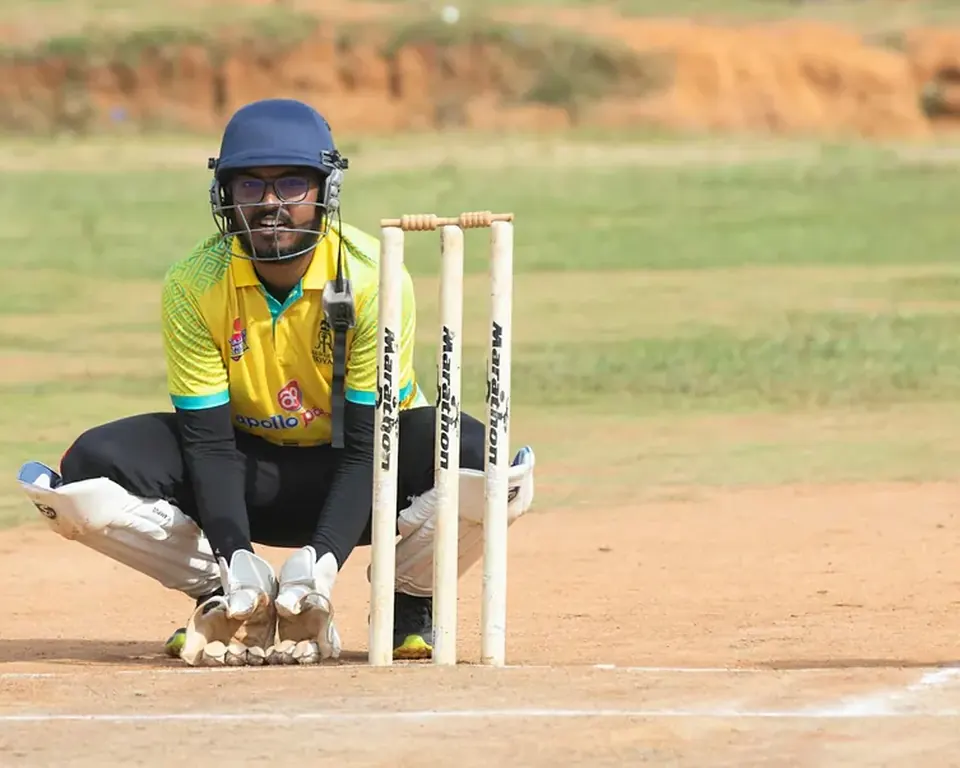
The bouncer remains one of the most potent weapons in a fast bowler’s arsenal. From the dust of Sheffield Shield battles to the electric atmosphere of the Big Bash League, the well-directed short ball has dismissed countless batters and turned the tide of matches. For Australian cricket fans who have watched fast bowlers unleash thunderbolts at the MCG or witnessed batters hook a bouncer into the SCG stands, understanding the tactics and training behind this delivery is essential.
This comprehensive guide explores bouncer tactics and drills, from the psychological warfare of Test series to the death-over strategies of the Big Bash League. Whether you’re a grassroots player, a coach, or a passionate fan wanting deeper insight, we’ll break down what makes the bouncer effective and how to develop it.
The Strategic Role of the Bouncer in Australian Cricket
The bouncer is far more than a brute-force delivery. In the context of Australian cricket, it serves multiple strategic purposes that vary across formats.
Psychological Intimidation and Tactical Disruption
In Test cricket, particularly during high-profile series like The Ashes or the Border-Gavaskar Trophy, the bouncer is a tool of psychological warfare. A well-directed short ball aimed at the rib cage or just below the helmet grille forces the batter to make split-second decisions. It disrupts rhythm, plants doubt, and can make even the most accomplished batter reconsider their approach.
Batters renowned for their unorthodox technique have faced countless bouncer barrages. The tactic isn’t necessarily to take their wicket with the short ball itself, but to soften them up, create hesitation, and then exploit that vulnerability with a fuller delivery later in the over.
Format-Specific Applications
- Test Series and First-Class Cricket: Bouncers are used sparingly but strategically. Bowlers set up batters over multiple overs, using the short ball to change the line of attack, test courage, and create catching opportunities behind square on the leg side.
- Big Bash League and T20 Cricket: The bouncer becomes a death-over weapon. With batters looking to launch boundaries, a well-directed bouncer at pace can cramp them for room, force a mistimed shot, or even result in a wicket off a top edge. The slower-ball bouncer has become a notable variation in the BBL.
- Women’s Big Bash League: WBBL bowlers have increasingly used the bouncer as a surprise delivery, especially against batters who charge down the track. The tactic adds another dimension to T20 strategy.
Field Placements for the Bouncer
Effective bouncer tactics require appropriate field settings. Common placements include:
- Leg gully and short leg: For catches off the glove or bat handle
- Fine leg and backward square leg: For the hook or pull shot
- Deep square leg: For the batter who hooks aggressively
- A vacant mid-wicket: Encouraging the batter to play across the line
Technical Execution: Bowling the Perfect Bouncer
Before exploring drills, it’s crucial to understand the technical components of an effective bouncer.
Grip and Wrist Position
The bouncer requires a slightly different grip from the stock delivery. The seam should be angled slightly toward the slips, with the fingers running across the seam rather than down it. This cross-seam grip helps the ball rise steeply after pitching.
The wrist position is critical. At the point of release, the wrist should be cocked back, allowing the fingers to impart backspin. This backspin causes the ball to kick up sharply off the pitch, rather than skidding through.
Run-Up and Delivery Stride
A common mistake is altering the run-up or action when bowling a bouncer. The best practitioners maintain identical run-ups and actions. The change comes only in the wrist position and the release point.
The delivery stride should be slightly more side-on than for a stock ball. This allows the bowler to get the ball higher and generate the necessary bounce. The non-bowling arm should pull through strongly, helping to create the upward trajectory.
Line and Length
The ideal bouncer length is short of a good length, pitching around halfway down the pitch or slightly shorter. The line should be at the batter’s body, typically around off stump or just outside, angling in toward the rib cage.
- Too short: The ball may bounce over the wicketkeeper’s head, conceding runs
- Too full: The batter can drive or pull with ease
- Too wide: The batter can cut or leave without danger
- Too straight: The batter can duck or sway out of the way
Bouncer Drills for Bowlers
Developing a reliable bouncer requires dedicated practice. These drills progress from fundamentals to match-specific scenarios.
Drill 1: The Box Drill
Purpose: Develop consistent length and line for the bouncer.
Setup: Place three cones or markers at short-pitch length on a practice pitch. Position them at off stump, middle stump, and leg stump lines.
Execution: Bowl 12 balls, aiming to land each bouncer within the boxed area. Focus on maintaining your normal run-up and action. After each delivery, check where the ball pitched and adjust accordingly.
Progression: Once consistent, add a batter (real or a training aid) at the crease. Bowl bouncers targeting the rib cage area, with the batter practicing evasive techniques.
Drill 2: The Bounce-and-Catch
Purpose: Improve accuracy and create wicket-taking opportunities.
Setup: Place a wicketkeeper and two catching fielders at leg gully and short leg positions.
Execution: Bowl 18 balls (three overs). The objective is to bounce the ball in a zone that forces the batter to fend or play, creating catching chances for the close-in fielders. Record how many deliveries result in a play-and-miss, a glove, or a top edge.
Progression: Vary the pace. Bowl some bouncers at 80% effort, then surprise the batter with a full-speed bouncer.
Drill 3: The Slower-Ball Bouncer
Purpose: Master the slower-ball bouncer, a notable T20 weapon.
Setup: Use a full-length mirror or video analysis to check your action.
Execution: Practice the split-grip variation where the ball is held between the index and middle fingers, with the thumb resting on the seam. Deliver with the same arm speed as your normal bouncer but with a slightly looser wrist. The ball should loop and drop shorter than expected.
Progression: Bowl this variation in a net session with a batter who is expecting pace. The surprise factor is key.
Drill 4: The Two-Bouncer Over
Purpose: Simulate match conditions where a bowler delivers two bouncers in an over (per regulations).
Setup: Full net with a batter and wicketkeeper.
Execution: Bowl a six-ball over with exactly two bouncers. The first bouncer should be early in the over (ball one or two) to set up the batter. The second should be later, perhaps as a surprise. The other four deliveries should be stock balls that exploit the batter’s adjusted stance or mindset.
Progression: Have the batter score runs off the non-bouncer deliveries. This forces you to think tactically about when to use the short ball.
Drill 5: The Bouncer-Bouncer-Yorker Sequence
Purpose: Develop a classic Test and T20 sequence.
Setup: Full net with a batter.
Execution: Bowl three deliveries in sequence: bouncer, bouncer, yorker. The first bouncer pushes the batter onto the back foot. The second forces them to anticipate another short ball. The yorker then targets the toes, catching the batter in no-man’s land.
Progression: Vary the pace of the yorker. A slower yorker after two quick bouncers can be equally effective.
Bouncer Tactics for Batters
While this guide focuses on bowling, understanding how to face the bouncer is equally important for developing bowlers. Knowing what batters are taught helps you exploit their weaknesses.
The Hook and Pull Shot
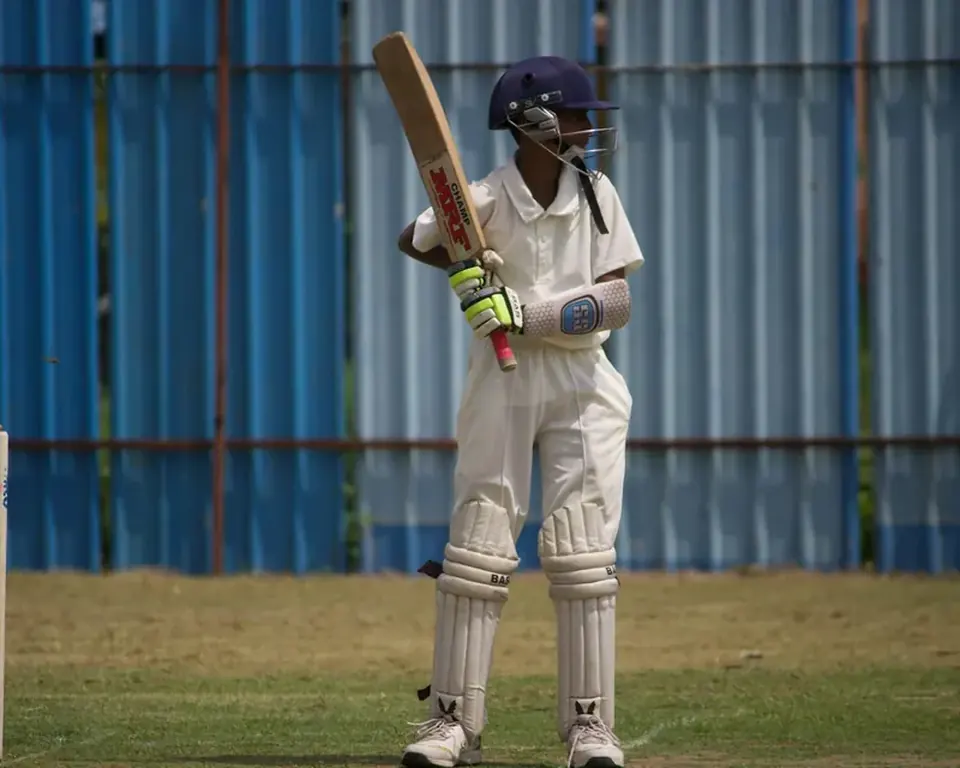
Batters have contrasting approaches to the short ball. Some look to hook and pull aggressively, while others often use evasion and the upper cut. As a bowler, identifying the batter’s preferred response is crucial.
- Against hookers: Bowl bouncers slightly wider, forcing them to reach. Place a fielder at deep square leg.
- Against evaders: Bowl bouncers at the body, targeting the rib cage. The batter who ducks may be vulnerable to a yorker next ball.
The Leave and Duck
Some batters, particularly in Test cricket, will simply duck under or sway away from bouncers. This is a legitimate tactic that denies the bowler wickets. To counter this, bowl bouncers that are just short enough to force a decision but not so short that the batter can easily duck.
The Upper Cut
The upper cut over the slip cordon has become popular in limited-overs cricket. Batters use this shot to score off bouncers that are slightly wide. As a bowler, adjust your line to prevent this shot. Bowl straighter, at the body, to cramp the batter.
The Mental Game: Bouncer Psychology
Cricket is as much a mental contest as a physical one, and the bouncer is a primary weapon in that battle.
Building Pressure in Test Cricket
In a Test series, particularly The Ashes, the bouncer is used to build pressure over long periods. A bowler might bowl four or five bouncers in a session, each one closer to the batter’s head. The cumulative effect is fatigue, distraction, and eventually, a mistake.
Fast bowlers are masters of this approach. They use their bouncer sparingly but with effect. Their short ball is not just fast; it’s directed with precision at the batter’s throat or armpit, making it almost impossible to evade without risking dismissal.
The Surprise Element in T20 Cricket
In the Big Bash League, the bouncer is often a surprise weapon. Batters expect yorkers and slower balls in the death overs. A well-timed bouncer can disrupt their rhythm and force a mistimed shot that lands in the deep.
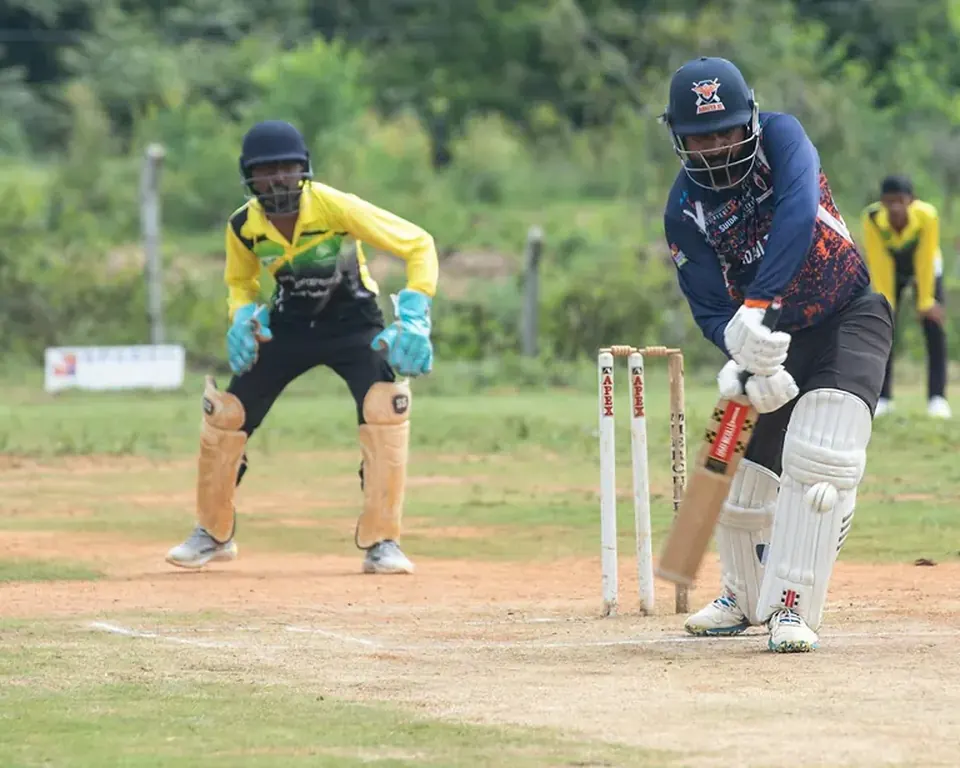
The key is unpredictability. Bowl a bouncer when the batter is expecting a full delivery, especially after a boundary. The mental shift from attack to defense can be jarring.
The Bouncer as a Setup Delivery
The most sophisticated use of the bouncer is as a setup delivery. A bowler might bowl two bouncers in an over, forcing the batter onto the back foot. Then, a fuller delivery on off stump can induce an edge as the batter plays forward hesitantly.
This tactic is particularly effective against batters who have been dismissed playing the pull shot previously. The bouncer plants the seed of doubt, and the fuller ball exploits the resulting uncertainty.
Bouncer Regulations and Safety
Understanding the rules governing bouncers is essential for bowlers and coaches.
Test and First-Class Cricket
In Test cricket, there is no limit on the number of bouncers per over, though umpires may intervene if they consider the bowling dangerous or unfair. The ICC Playing Conditions state that a bouncer is defined as a ball that passes above the shoulder height of the batter standing upright at the crease.
Limited-Overs Cricket
In the Big Bash League and other limited-overs formats, regulations limit the number of bouncers permitted per over. This regulation has changed the tactics of T20 bowling. Bowlers must choose their moments carefully, using the bouncer as a surprise rather than a sustained tactic.
Safety Considerations
The bouncer is a legitimate delivery, but safety must always be paramount. Bowlers should:
- Never aim at the head: Target the rib cage or shoulder area
- Be aware of conditions: On slow, low pitches, bouncers can be dangerous for both batter and bowler
- Respect the batter’s skill level: In grassroots cricket, consider the batter’s ability before bowling short
- Use appropriate protective equipment: Batters should always wear helmets against pace bowling
Developing a Bouncer Strategy for Your Team
Whether you coach a Sheffield Shield side or a local club, developing a bouncer strategy requires planning.
Assessing Your Bowlers
Not every bowler should bowl bouncers. The delivery requires:
- Pace: Generally, bowlers bowling above 130 km/h can use the bouncer effectively
- Height: Taller bowlers naturally generate more bounce
- Accuracy: The bouncer must be directed, not just bowled short
Match-Up Analysis
Study opposition batters:
- Weaknesses against the short ball: Some batters struggle with bounce, particularly early in their innings
- Preferred scoring areas: Batters who love the pull shot can be trapped by a bouncer followed by a slower ball
- Recent dismissals: Check if a batter has been dismissed hooking or gloving recently
Practice Plans
Incorporate bouncer drills into regular training sessions:
- Net sessions: Dedicate 10-15 minutes to bouncer practice
- Fielding drills: Practice catching off the bouncer at leg gully and short leg
- Match simulations: Create scenarios where bowlers must use their bouncer quota effectively
The Bouncer in Australian Cricket History
The bouncer has a rich history in Australian cricket, from the legendary fast bowlers of the past to today’s stars.
The Golden Era of Fast Bowling
Dennis Lillee, Jeff Thomson, and the great West Indian quicks of the 1970s and 1980s made the bouncer a feared weapon. Lillee’s bouncer was not just fast; it was directed with venom at the batter’s throat. Thomson’s slinging action made his bouncer almost unplayable.
The Modern Era
Fast bowlers have continued this tradition. The ability to extract steep bounce from even the flattest pitches makes them a constant threat.
In the Big Bash League, bowlers have used the bouncer effectively in T20 cricket, proving the delivery’s versatility across formats.
Conclusion: Mastering the Bouncer
The bouncer remains one of cricket’s most thrilling and effective deliveries. From the Sheffield Shield to the Big Bash League, from Test series to T20 World Cups, the short ball has a place in every bowler’s arsenal.
Mastering the bouncer requires technical precision, tactical awareness, and mental fortitude. The drills outlined in this guide provide a pathway for bowlers at all levels to develop this weapon. Remember, the best bouncers are not the fastest or the shortest; they are the most strategically placed, delivered at the right moment to the right batter.
For Australian cricket fans, understanding bouncer tactics adds another layer of appreciation to the game. Next time you watch a fast bowler unleash a throat ball at the MCG or see a BBL bowler surprise a batter with a well-directed short ball, you’ll recognize the skill and strategy behind the delivery.
Further Reading
If you found this guide useful, explore more tactical content:
- Pace Bowling and Speed Training – Develop the raw pace to make your bouncer truly dangerous
- Mental Preparation for Cricket – Build the psychological resilience to execute bouncers under pressure
- Tactics and Training Hub – Browse our complete collection of cricket strategy guides
Reader Comments (0)