

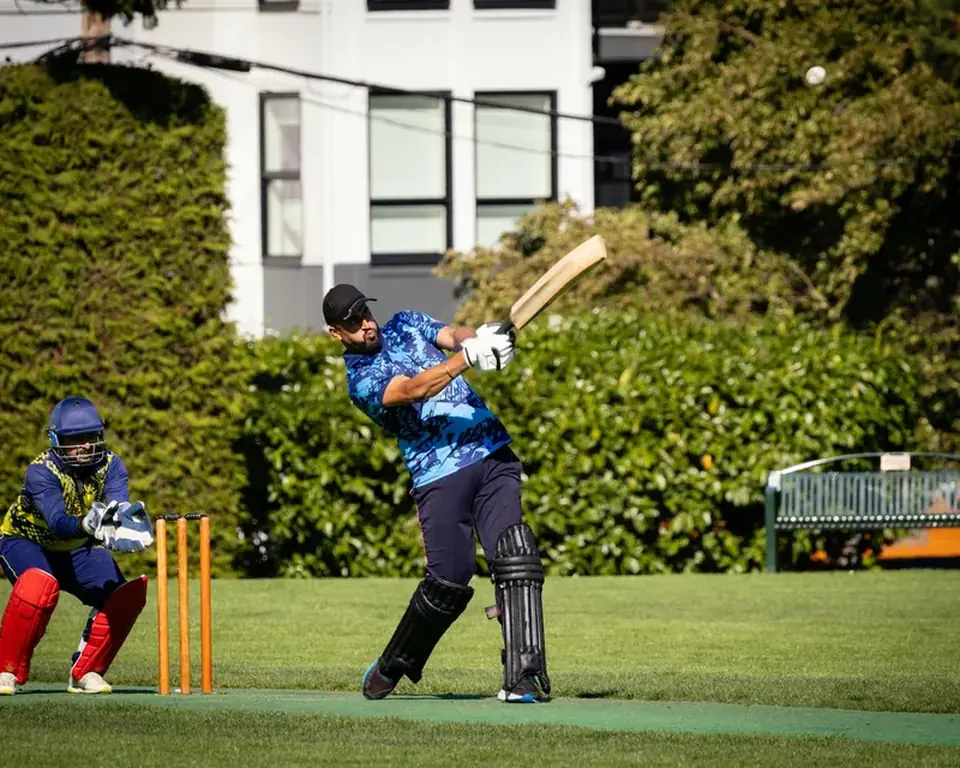
Whether you've just finished a gruelling session in the nets, completed a day in the field under a scorching summer sun, or bowled a demanding spell in a Sheffield Shield match, how you finish your cricket session matters as much as how you start. A proper cool-down routine is not merely an afterthought—it is an essential component of your training and match-day preparation that directly impacts your recovery, flexibility, and long-term performance.
This guide provides a practical, step-by-step checklist of cool-down stretches specifically designed for cricketers. By following this routine after every training session, net practice, or match, you will reduce muscle stiffness, improve your range of motion for bowling and batting, and lower your risk of common cricket injuries. Let's get into the specifics.
What You Will Achieve
By implementing this cool-down protocol, you will:
- Reduce post-exercise muscle soreness and stiffness
- Maintain and improve flexibility essential for bowling actions and batting strokes
- Lower your heart rate gradually and safely
- Aid the removal of metabolic waste products from working muscles
- Prepare your body for your next session, whether it's a Test series preparation or a Big Bash League fixture
- Develop a professional habit that separates committed players from casual participants
Prerequisites / What You Need
Before you begin, ensure you have the following:
- A flat, clean surface – The outfield, a practice net area, or a yoga mat works well
- Comfortable clothing – Remove any restrictive padding or protective gear
- Water bottle – Hydration continues during your cool-down
- 5–10 minutes of uninterrupted time – Do not rush this process
- A towel – Useful for seated stretches on grass or hard surfaces
- No acute injuries – If you are carrying a strain or niggle, consult a qualified physiotherapist or sports medicine professional before stretching
Step-by-Step Cool-Down Process
Step 1: Light Aerobic Cool-Down (3–5 Minutes)
Before any static stretching, you must gradually lower your heart rate. Abruptly stopping after intense exercise can cause blood pooling and dizziness.
- Begin with a slow jog or brisk walk around the boundary or practice area
- Progress to gentle skipping or high knees at a relaxed pace
- Perform arm circles—small circles forward and backward—to maintain blood flow to the shoulders
- Continue until your breathing returns to a conversational rate
Step 2: Hamstring Stretch (Hold 20–30 Seconds Per Leg)
Cricketers place enormous demand on the hamstrings—whether you're sprinting between wickets, fielding in the deep, or delivering a fast ball. Tight hamstrings are a leading cause of groin and lower back issues.
How to perform:
- Sit on the ground with one leg extended straight and the other leg bent with the foot against the inner thigh of the straight leg
- Keeping your back straight, hinge forward from the hips—not the lower back—until you feel a gentle stretch along the back of the extended thigh
- Hold for 20–30 seconds, breathing deeply
- Repeat on the other leg
Step 3: Quadriceps Stretch (Hold 20–30 Seconds Per Leg)
Your quadriceps work continuously during bowling, batting, and running between wickets. The front of the thigh bears significant load, particularly in your drive phase when bowling or when holding a batting stance.
How to perform:
- Stand near a wall, fence, or teammate for balance
- Bend your right knee, bringing your heel toward your glute
- Grasp your right ankle with your right hand
- Gently pull your heel closer until you feel a stretch in the front of your thigh
- Keep your knees together and your standing leg slightly bent
- Hold for 20–30 seconds, then switch legs
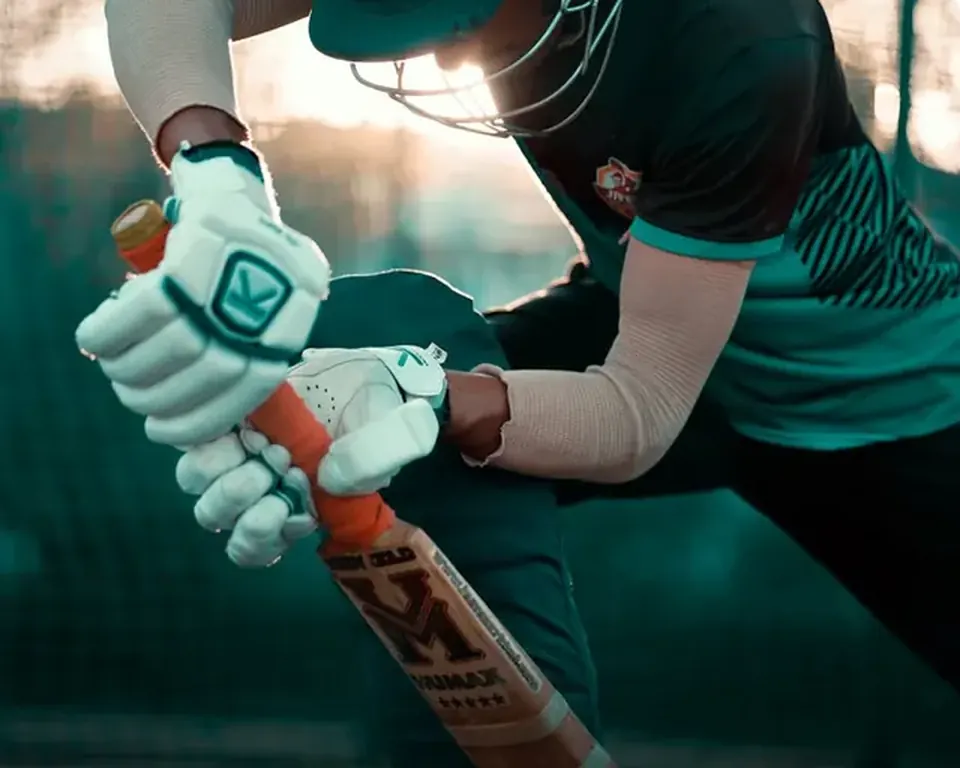
Step 4: Hip Flexor Stretch (Hold 20–30 Seconds Per Side)
The hip flexors are often overlooked but are critical for bowlers—particularly fast bowlers who drive through the crease. Tight hip flexors can alter your bowling action and contribute to lower back pain.
How to perform:
- Kneel on your right knee with your left foot flat on the ground in front of you, forming a 90-degree angle at the left knee
- Keep your torso upright and engage your core
- Gently push your hips forward until you feel a stretch in the front of the right hip
- Raise your right arm overhead and lean slightly to the left for a deeper stretch
- Hold for 20–30 seconds, then switch sides
Step 5: Glute and Piriformis Stretch (Hold 20–30 Seconds Per Side)
Your glutes and piriformis muscles stabilise your pelvis during bowling and batting. Many explosive batters emphasise glute mobility as part of their recovery routine.
How to perform:
- Lie on your back with both knees bent and feet flat on the ground
- Cross your right ankle over your left knee, creating a figure-four shape
- Reach through the gap between your legs, grasp your left thigh, and gently pull it toward your chest
- You should feel the stretch in the right glute and outer hip
- Hold for 20–30 seconds, then switch sides
Step 6: Groin Adductor Stretch (Hold 20–30 Seconds)
Groin strains are among the most common injuries in cricket, particularly for bowlers and fielders who move laterally. Maintaining groin flexibility is essential for injury prevention.
How to perform:
- Sit on the ground with the soles of your feet together and your knees dropped outward (butterfly position)
- Grasp your ankles and gently press your knees toward the ground using your elbows
- Keep your back straight and avoid bouncing
- For a deeper stretch, lean your torso forward while keeping your spine neutral
Step 7: Lower Back and Spinal Twist (Hold 20–30 Seconds Per Side)
The lower back endures significant rotational stress in cricket—from the bowling action to the torque generated during a pull shot. This stretch helps release tension in the spinal erectors.
How to perform:
- Lie on your back with your arms extended out to the sides at shoulder height, palms facing down
- Bend your right knee and cross it over your left leg, keeping both shoulders flat on the ground
- Turn your head to the right as your right knee lowers toward the ground on your left side
- Hold for 20–30 seconds, then switch sides
Step 8: Shoulder and Rotator Cuff Stretch (Hold 20–30 Seconds Per Arm)
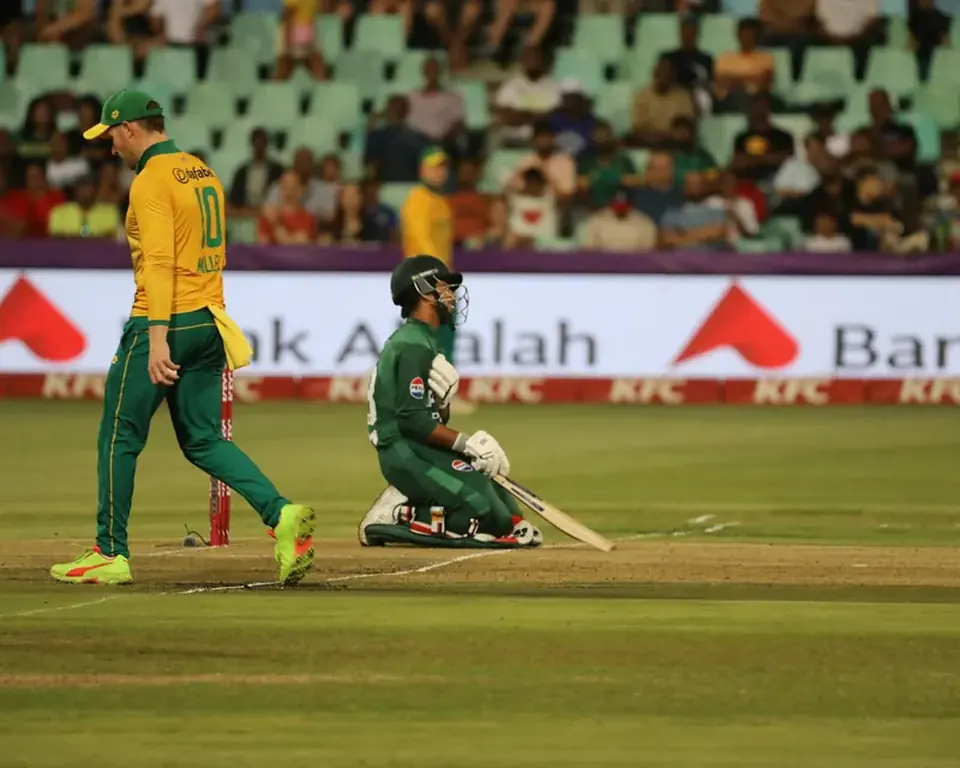
Your shoulders take a pounding during bowling, throwing, and batting. The rotator cuff muscles are particularly vulnerable in fast bowlers.
How to perform:
- Bring your right arm across your chest, keeping it straight
- Use your left hand to gently pull the right arm closer to your chest
- Keep your right shoulder relaxed and down
- Hold for 20–30 seconds, then switch arms
Step 9: Calf Stretch (Hold 20–30 Seconds Per Leg)
Your calves work continuously during running, bowling, and maintaining your batting stance. Tight calves can affect your running speed and increase your risk of Achilles issues.
How to perform:
- Stand facing a wall or fence at arm's length
- Place your right foot behind your left foot
- Keep your right leg straight and your right heel firmly on the ground
- Bend your left knee and lean forward, keeping your back straight
- You should feel the stretch in the right calf
- Hold for 20–30 seconds, then switch legs
- Repeat with a slight bend in the back knee to target the soleus muscle
Step 10: Wrist and Forearm Stretch (Hold 15–20 Seconds Per Side)
Cricketers often neglect the wrists and forearms, yet they are critical for grip strength, bat control, and spin bowling. The repetitive nature of throwing and catching also stresses these areas.
How to perform:
- Extend your right arm in front of you with the palm facing up
- Use your left hand to gently pull your fingers and palm downward toward the ground
- Hold for 15–20 seconds
- Repeat with the palm facing down, pulling the fingers upward
- Switch arms
Pro Tips for an Effective Cool-Down
Timing Matters
Perform your cool-down within 5–10 minutes of finishing exercise. Waiting too long allows muscles to cool and tighten, reducing the effectiveness of your stretches.Breathe, Don't Force
Static stretching should never be painful. You should feel a gentle pulling sensation, not sharp discomfort. Breathe deeply and steadily—exhale as you ease into the stretch, and inhale as you hold it.Consistency Over Intensity
A 10-minute cool-down performed after every session is far more beneficial than an occasional 30-minute session. Make this a non-negotiable part of your cricket routine, whether you're preparing for a Test series or a weekend club match.Hydrate During Your Cool-Down
Continue sipping water throughout your cool-down. Rehydration supports muscle recovery and helps flush metabolic waste from your system.Adapt for Your Role
Fast bowlers should emphasise hip flexor, glute, and lower back stretches. Batters may benefit from extra time on hamstring and shoulder stretches. Wicketkeepers should prioritise hip, groin, and lower back flexibility. Tailor your cool-down to your specific demands.Common Mistakes to Avoid
- Bouncing during stretches – Ballistic stretching (bouncing) increases injury risk. Always hold static stretches steadily.
- Stretching cold muscles – Never skip the light aerobic cool-down phase. Stretching cold muscles can cause micro-tears.
- Holding your breath – Tension in the body increases when you hold your breath. Focus on slow, rhythmic breathing.
- Comparing yourself to others – Flexibility varies between individuals. Work within your own range and progress gradually.
- Ignoring one side – Cricket is asymmetrical, but both sides of your body need attention. Always stretch both legs, both arms, and both sides of your back.
Checklist Summary
Use this checklist after every training session, net practice, or match:
- Light aerobic cool-down – 3–5 minutes of jogging, walking, or gentle skipping
- Hamstring stretch – 20–30 seconds per leg
- Quadriceps stretch – 20–30 seconds per leg
- Hip flexor stretch – 20–30 seconds per side
- Glute and piriformis stretch – 20–30 seconds per side
- Groin adductor stretch – 20–30 seconds
- Lower back and spinal twist – 20–30 seconds per side
- Shoulder and rotator cuff stretch – 20–30 seconds per arm
- Calf stretch – 20–30 seconds per leg
- Wrist and forearm stretch – 15–20 seconds per side
- Hydrate – Continue sipping water throughout
Final Word
A disciplined cool-down routine separates the professionals from the amateurs. The players who dominate the Big Bash League, represent Australia in Ashes contests, and grind through gruelling Sheffield Shield seasons all prioritise recovery. By embedding this checklist into your cricket routine, you are investing in your longevity, your performance, and your enjoyment of the game.
For more practical training advice, explore our guides on fielding exercises for quick reflexes and death overs bowling strategies. Your body is your most important piece of cricket equipment—treat it with the care it deserves.
Reader Comments (1)