


Let’s be honest—cricket batting gloves take a hammering. Whether you’re facing a fiery spell in a club match, slogging through a net session, or just having a backyard hit with mates, your gloves cop the brunt of every short ball, every inside edge, and every dive for a quick single. And when they start to fall apart, it’s tempting to just chuck ’em and buy a new pair. But with the price of quality gear these days—especially if you’ve got a pair with sentimental value—a bit of repair know-how can save you serious cash.
This guide is for the everyday cricketer—from club players sweating it out in local grade cricket to weekend warriors who just want their favourite gloves to last one more season. We’ll walk you through the most common problems, how to fix them, and when it’s time to call it quits and invest in a fresh pair. No medical advice here, just practical, safe, and general tips to keep your hands protected and your game on point.
Problem 1: Split or Torn Leather on the Palm
Symptoms: You notice a gap in the leather on the palm area, often near the thumb or index finger. The padding underneath might be exposed, and the glove feels less protective when you take a blow.
Causes: Repeated impact from fast bowling, especially if you’re facing quality quicks in a match or even just hard net sessions. Sweat and moisture weaken the leather over time, and poor storage (like leaving gloves in a hot car) accelerates cracking.
Solution:
- Clean the area – Gently wipe the torn leather with a damp cloth. Let it dry completely.
- Apply a leather patch – Cut a small piece of leather (you can buy pre-cut patches or recycle an old glove) slightly larger than the tear.
- Use strong adhesive – Apply a thin layer of shoe glue or contact cement to both the patch and the glove. Press firmly and hold for 30 seconds.
- Let it cure – Leave the glove flat for 24 hours. Don’t use it until the glue is fully set.
- Reinforce with stitching – If you’re handy with a needle, run a few stitches around the patch edge for extra durability.
Problem 3: Padding Has Shifted or Become Lumpy
Symptoms: The foam padding inside the glove feels uneven, with hard lumps or gaps. You might feel more impact than usual when you get hit on the hand.
Causes: Normal wear and tear, especially if you’re a top-order batter facing plenty of short-pitched bowling. Cheap gloves with low-quality foam are more prone to this. Also, washing gloves in a machine can ruin the padding structure.
Solution:
- Assess the damage – If the padding is just bunched up, you might be able to redistribute it by massaging the glove with your hands.
- Add new foam inserts – Buy foam padding sheets (available at sports stores or online). Cut them to fit the affected area.
- Open the glove lining – Carefully unpick the stitching on the inner lining where the padding pocket is. Don’t cut the outer leather.
- Insert the new foam – Slide the fresh foam into place, making sure it sits flat.
- Resew the lining – Use a strong needle and thread to close the opening. A simple running stitch will do.
Problem 4: Stitching Coming Undone on the Fingers
Symptoms: Loose threads, gaps in the seams, or the finger compartments starting to separate from the main glove.
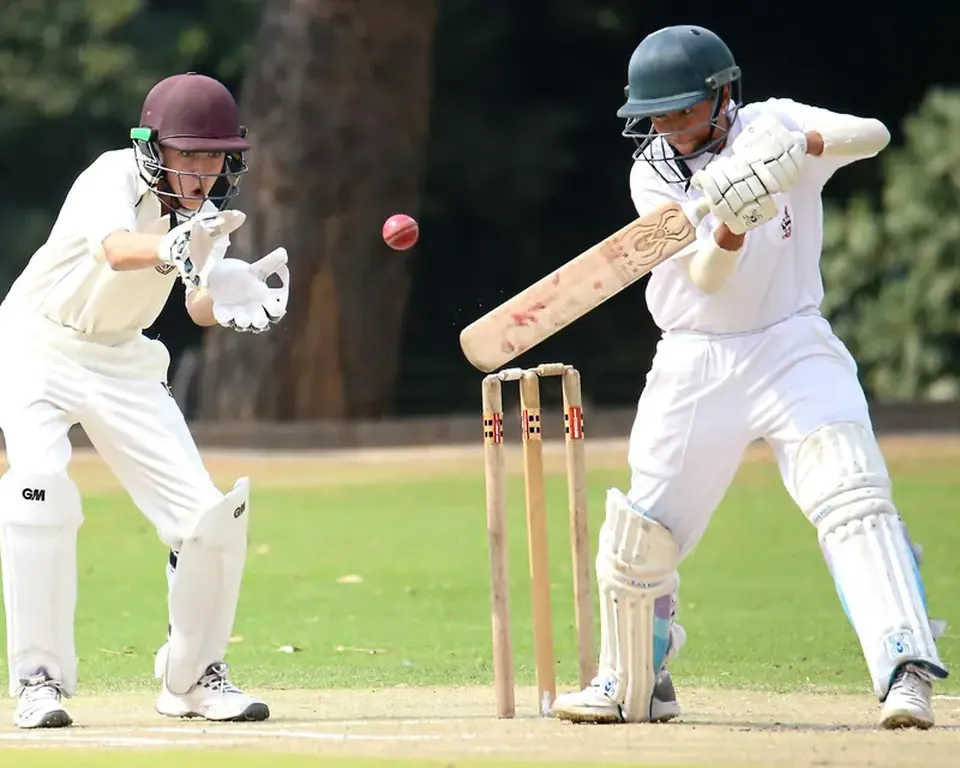
Causes: High-stress areas—especially the index and middle fingers—take constant abuse from gripping the bat and absorbing impacts. Poor-quality stitching from cheaper gloves is a common culprit.
Solution:
- Trim loose threads – Cut any dangling threads with scissors to prevent them pulling further.
- Reinforce with hand stitching – Use a heavy-duty needle and waxed thread (dental floss works in a pinch). Start a few stitches before the broken area and finish a few after.
- Match the original stitch pattern – Try to follow the same holes or spacing to keep the glove’s shape.
- Tie off securely – Make a double knot and bury the end inside the glove.
Problem 5: Velcro Straps Worn Out or Not Gripping
Symptoms: The wrist strap won’t stay fastened, or it loosens during your innings. You might find yourself adjusting it between balls.
Causes: Dirt, sweat, and general grime build up on the Velcro hooks and loops. Over time, the hooks get clogged or flattened, losing their grip.
Solution:
- Clean the Velcro – Use a stiff brush (an old toothbrush works great) to remove lint and dirt. You can also pick out debris with a pin.
- Wash carefully – If the gloves are machine-washable (check the label), use a gentle cycle in cold water and air dry. Otherwise, hand wash with mild soap.
- Replace the Velcro – If cleaning doesn’t fix it, buy adhesive-backed Velcro strips. Cut a piece to match the strap length, peel off the backing, and press it firmly onto the existing strap.
- Sew for extra hold – For a permanent fix, stitch the new Velcro in place. This is especially useful for the loop side on the glove body.
Problem 6: Sweat and Odour Buildup
Symptoms: Your gloves smell like a change room after a long match. They feel damp and heavy, and the leather starts to stiffen.
Causes: Sweat soaks into the padding and leather, and bacteria thrive in that warm, dark environment. Not airing out gloves after use makes it worse.
Solution:
- Air them out immediately – After every session, take the gloves out of your bag and let them dry in a well-ventilated area. Avoid direct sunlight, which can crack leather.
- Use a deodoriser – Sprinkle baking soda inside the gloves and leave it overnight. Shake out the powder the next day.
- Freeze the smell – Place the gloves in a sealed plastic bag and put them in the freezer for 24 hours. This kills odour-causing bacteria.
- Wipe down with vinegar – A 50/50 mix of white vinegar and water on a cloth can neutralise odours. Pat the leather lightly, don’t soak it.
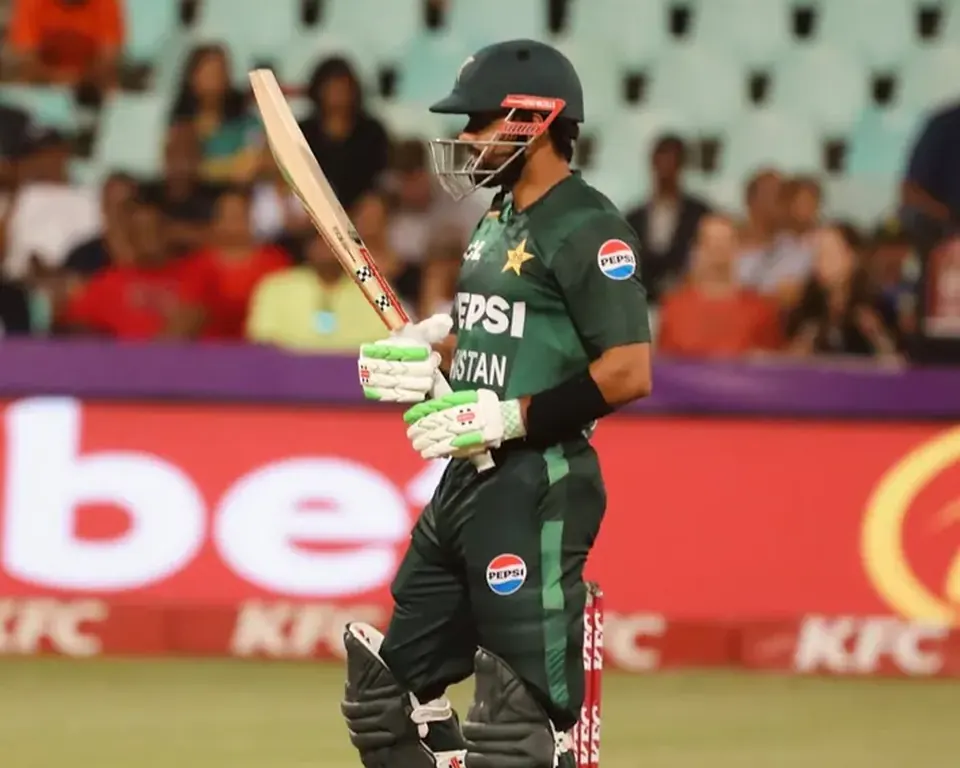
Problem 7: Thumb Guard Loose or Detached
Symptoms: The thumb piece feels wobbly or has come completely away from the glove. You might notice a gap where the thumb meets the main body.
Causes: The thumb takes a lot of punishment, especially from edges and defensive shots. The stitching in this area is under constant stress.
Solution:
- Clean the area – Remove any dirt or old glue residue.
- Apply fabric glue or contact cement – Use a small amount on both surfaces. Press the thumb guard back into position.
- Clamp or hold – Use a clothes peg or your fingers to keep pressure on the joint for 10–15 minutes.
- Reinforce with stitching – Once the glue is dry, run a few stitches through the thumb guard and the glove body. This is the strongest fix.
Prevention Tips for Longer-Lasting Gloves
- Store properly – Keep gloves in a cool, dry place. Avoid leaving them in a hot car or damp bag.
- Use a glove bag – A separate compartment or bag prevents them from getting crushed by other gear.
- Rotate pairs – If you play multiple times a week, having two pairs extends their life significantly.
- Avoid machine washing – It wrecks padding and leather. Hand wash only if needed.
- Dry naturally – Never use a heater or hairdryer to speed up drying. It dries out the leather and causes cracking.
- Apply leather conditioner – A small amount of neatsfoot oil or mink oil every few months keeps the leather supple.
When to Seek Professional Help or Replace
Not every problem is fixable at home. Here’s when you should hand the gloves to a professional or just buy new ones:
- Cracked or crumbling foam – If the padding is disintegrating, no patch will restore protection.
- Major structural damage – If the glove is falling apart in multiple places, it’s not worth the effort.
- Safety concerns – If you can feel the ball through the glove, retire it immediately. Your hands are too important.
- Official matches – For club, grade, or representative games, check your gear is compliant with relevant regulations. A dodgy repair might not pass inspection.
- Sentimental gloves – If you’ve got a pair with signatures or special meaning, consider a professional leather repairer. They can do invisible fixes that preserve the sentimental value.
Final Word
Cricket batting gloves are an investment in your safety and performance. A bit of DIY repair can keep them in the game for years, saving you money and keeping that familiar feel in your hands. But know when to let go—if the protection is compromised, it’s not worth the risk. Whether you’re facing the new ball at a big ground or just having a net with mates, your hands deserve the best.
For more gear advice, check out our guides on cricket ankle support and guernsey sizing. And if you’re looking to upgrade your whole kit, our gear and equipment hub has everything you need.
Now go out there, keep your gloves in shape, and enjoy the game.
Reader Comments (0)