

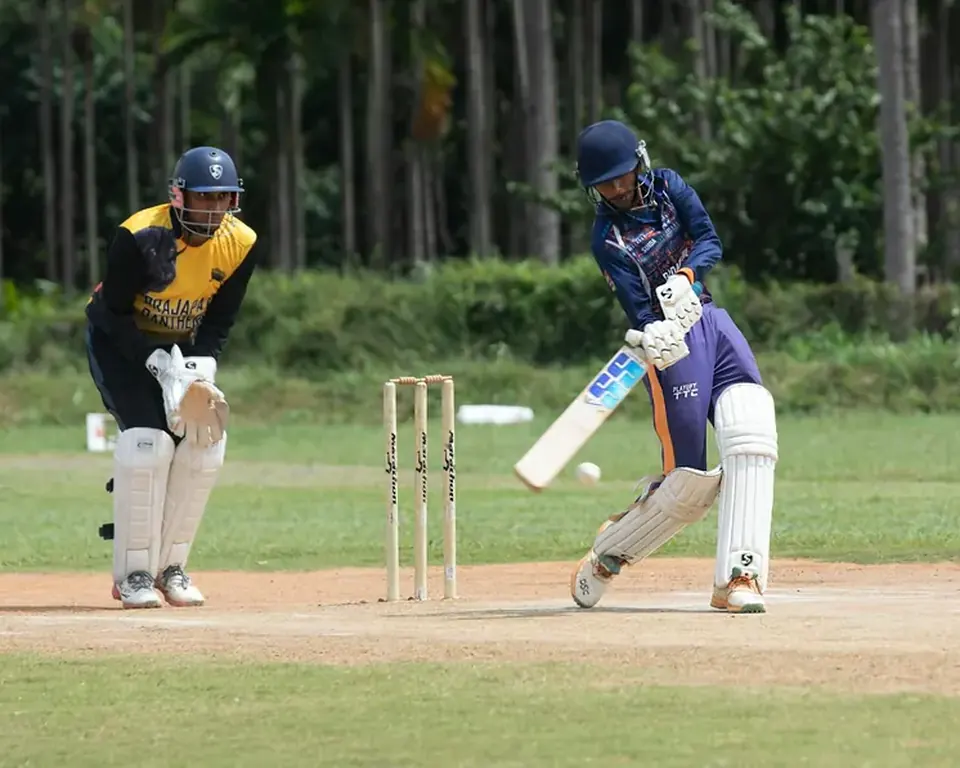
If you’ve ever stood on the boundary line at your local oval during a hot summer’s day, you know the feeling. The grass is dry, the sun is beating down, and you’re watching the ball sail towards the rope. That rope isn’t just a decoration—it’s the difference between a boundary four and a six, between a run-out at the rope and a clean catch. For cricket fans in Australia, the boundary rope is as iconic as the baggy green or the sound of leather on willow. But what goes into setting up a cricket boundary rope for your ground? Whether you’re a club volunteer, a school coordinator, or a backyard enthusiast, this guide will take you through everything you need to know about selecting, installing, and maintaining a boundary rope for your cricket ground.
Why the Boundary Rope Matters
The boundary rope is more than just a line in the grass. It defines the playing area, ensures fair play, and adds a professional touch to any match. In Australia, where cricket is a way of life—from the Ashes series at major venues to local matches—the boundary rope is a fundamental piece of gear. It’s also a safety feature, keeping spectators at a safe distance from the action. For grassroots clubs and school teams, a proper boundary rope can elevate the experience, making players feel like they’re part of something bigger.
When you’re setting up a ground, you need to consider the rope’s material, length, visibility, and how it interacts with the playing surface. A poorly set boundary can lead to disputes, injuries, or even damage to the rope itself. Let’s break it down.
Choosing the Right Boundary Rope
Not all boundary ropes are created equal. The type you choose depends on your ground size, surface type, and budget. Here’s what to look for:
Material Options
- Polypropylene rope: This is a common choice for Australian cricket grounds. It’s lightweight, durable, and resistant to UV damage—important under harsh sun. Polypropylene doesn’t absorb water, so it won’t get heavy after a rain shower or during a dewy morning. It’s also affordable, making it ideal for clubs and schools.
- Nylon rope: Stronger than polypropylene, nylon is suited for permanent installations. It can handle heavy use and is less likely to fray. However, it absorbs water, which can make it heavier and more prone to mildew if not dried properly.
- Cotton rope: Traditional and soft on the hands, cotton ropes are often used for decorative purposes or in junior cricket. They’re less durable and can rot over time, so they’re not recommended for high-traffic grounds.
- PVC-coated rope: This is a premium option that combines strength with weather resistance. The PVC coating protects against UV rays and moisture, and it’s easy to clean. You’ll often see this at professional venues.
Length and Thickness
The standard boundary rope for a full-sized cricket ground is around 450–500 metres for an oval, but you’ll need to measure your specific ground. For a club or school oval, a rope of 200–300 metres is usually sufficient. The thickness matters too—a rope that’s too thin can be hard to see and may snap under tension, while a rope that’s too thick can be heavy and cumbersome. A diameter of 10–12 millimetres is a good middle ground for most setups.
Colour and Visibility
In Australian conditions, bright colours are essential. White is a traditional choice, but it can get dirty quickly. Yellow or orange ropes are becoming more popular because they stand out against green grass and are easier for players and umpires to spot. For night games or matches under lights, consider a rope with reflective strips or a high-visibility colour.
Setting Up the Boundary Rope
Once you’ve got your rope, it’s time to set it up. This is where the rubber meets the road—or rather, where the rope meets the grass.
Measuring the Boundary
First, you need to know the dimensions of your ground. For a standard cricket oval, the boundary should be a minimum of 45 metres from the centre of the pitch for men’s matches, and 40 metres for women’s. For junior cricket, it can be shorter. Use a measuring wheel or a long tape measure to mark out the boundary line. It’s a good idea to walk the perimeter first to check for any obstacles like trees, fences, or drainage pits.
Anchoring the Rope
You have a few options for securing the rope:
- Pegs and stakes: Metal or plastic pegs are driven into the ground at regular intervals—usually every 5–10 metres. The rope is then looped over or tied to the pegs. This is a common method for temporary setups, like a weekend match or a school carnival.
- Rope clips: These are small plastic or metal clips that attach the rope to the pegs. They’re quick to install and remove, making them ideal for grounds that host multiple sports.
- Permanent posts: For a fixed boundary, you can install wooden or metal posts around the perimeter. The rope is threaded through eyelets or tied directly to the posts. This is more expensive but offers a cleaner, more professional look.
Tension and Alignment
A loose boundary rope can sag, creating tripping hazards and confusing the field of play. A rope that’s too tight can snap or pull the pegs out of the ground. Aim for a tension that keeps the rope straight and at a consistent height—usually about 30–50 centimetres off the ground. You can adjust tension by tightening the rope at the pegs or using a tensioning device like a ratchet strap.
Marking the Boundary Line
In addition to the rope, you might want to mark the boundary line on the grass. This is especially useful for grounds that don’t have a permanent rope. Use a line marker or chalk to paint a white line about 5–10 centimetres wide. This gives players a visual reference even if the rope is removed.
Maintaining Your Boundary Rope
Once the rope is up, it needs looking after. Australian weather can be brutal—heat, rain, and wind can all take a toll.
Cleaning and Storage
After each use, wipe down the rope with a damp cloth to remove dirt and grass. For polypropylene or nylon ropes, you can hose them off. Let the rope dry completely before storing it to prevent mildew. Store it in a cool, dry place, away from direct sunlight. Coil the rope loosely to avoid kinks and tangles.
Inspection and Repair
Check the rope regularly for signs of wear: fraying, cuts, or weak spots. A damaged rope can break during a match, causing delays and safety risks. If you find a frayed section, you can tie a knot to shorten the rope, or replace the entire length if the damage is extensive.
Seasonal Considerations
In summer, the rope can become brittle from UV exposure. Consider applying a UV protectant spray designed for outdoor fabrics. In winter, if you’re storing the rope, make sure it’s in a rodent-proof container—mice love to chew on rope.
Boundary Rope for Different Levels of Play
The boundary rope isn’t one-size-fits-all. Here’s how it varies across different levels of Australian cricket.
Professional Grounds
At major venues, boundary ropes are heavy-duty, often made of PVC-coated nylon. They’re anchored to permanent posts and are part of a larger field setup that includes boundary markers, sight screens, and advertising boards. The rope is usually white or yellow, with a thickness of 15–20 millimetres. These ropes are maintained by ground staff and are replaced every few seasons.
Club and Association Grounds
For local clubs playing in community competitions, the boundary rope is often a compromise between durability and cost. Polypropylene ropes with metal pegs are common. Many clubs use the same rope for cricket and other sports, so it needs to be easy to install and remove. Bright colours like orange or green are popular for visibility.
School and Junior Grounds
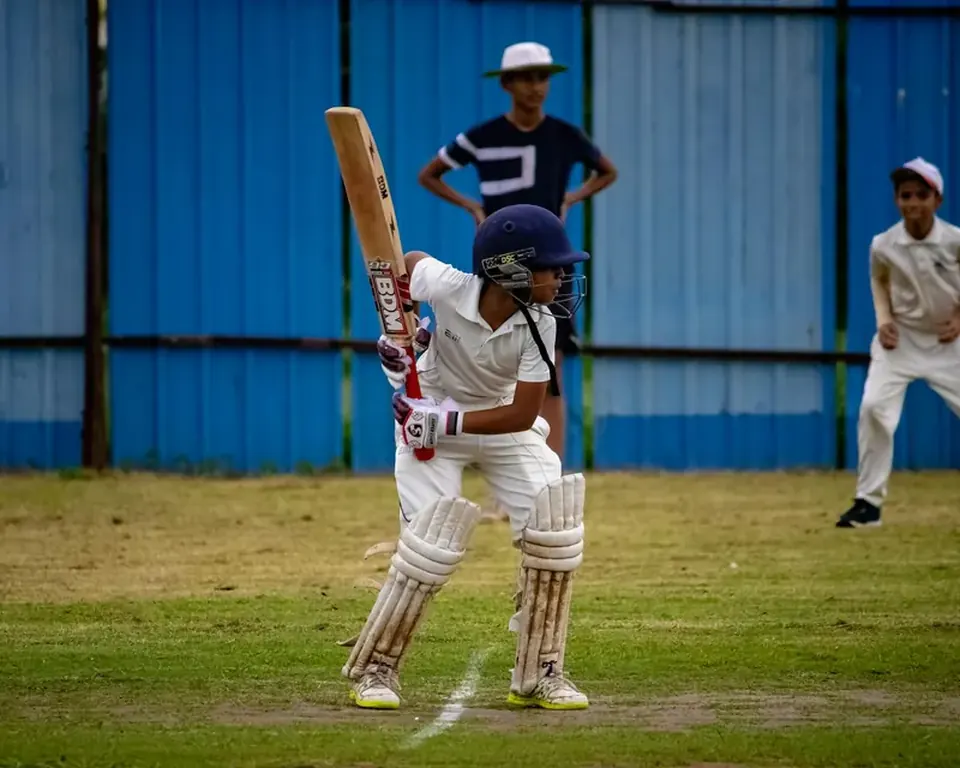
In school settings, safety is the top priority. Ropes should be soft and lightweight to minimise injury risk if a player runs into them. Cotton or thin polypropylene ropes are common, and they’re often set lower to the ground—around 20–30 centimetres. Some schools use flexible plastic boundary markers instead of a rope, which are even safer for young players.
Backyard and Casual Games
For a backyard game or a beach cricket match, you don’t need a full boundary rope. A simple length of polypropylene rope or even a garden hose can work. Just make sure it’s visible and doesn’t create a tripping hazard. For a more permanent backyard setup, you can install small posts and a lightweight rope.
Common Mistakes to Avoid
Even experienced ground staff can make mistakes. Here are a few to watch out for:
- Using the wrong rope material: Cotton rope might look nice, but it won’t last a season in the Australian sun. Stick to polypropylene or nylon.
- Inconsistent tension: A rope that’s tight in one section and loose in another can cause confusion for fielders and umpires. Check the entire length before play.
- Ignoring ground conditions: If the ground is wet, pegs might not hold. Use longer pegs or sandbags to secure the rope.
- Forgetting about the corners: On a rectangular ground, the boundary rope needs to curve smoothly around the corners. Sharp angles can cause the rope to sag or pull out.
- Not allowing for expansion: Rope can stretch or shrink with temperature changes. Leave a little slack in the rope to accommodate this.
The Boundary Rope and the Spirit of Cricket
In Australia, cricket is more than a sport—it’s a tradition that brings communities together. The boundary rope is a symbol of that tradition. It marks the edge of the arena, the line between the players and the spectators, the boundary between a good shot and a great one. When you set up a boundary rope, you’re not just defining a playing area; you’re creating a space where memories are made.
Think about major series, where every boundary rope at iconic venues is a witness to history. Or the Big Bash League, where the rope is often the difference between a six and a four, between a crowd roar and a groan. At the grassroots level, the boundary rope is where kids learn the thrill of hitting a ball to the fence, and where parents cheer from the sidelines.
Setting up a cricket boundary rope for your ground is a straightforward job, but it’s one that makes a huge difference to the quality of play. From choosing the right material to installing it correctly, every step matters. Whether you’re preparing for a local match, a women’s league game, or a school carnival, a well-set boundary rope ensures fair play, safety, and a professional feel.
If you’re looking to upgrade your gear, check out our gear-equipment section for more tips on cricket equipment. And if you’re in the market for other essential gear, don’t miss our guides on test cricket helmets and Ashes batting gloves. They’ll help you stay safe and perform at your best, whether you’re facing a quick bowler or just having a backyard hit with mates.
Now, go set up that boundary rope and enjoy the game. After all, cricket in Australia is about more than just runs and wickets—it’s about the moments that happen inside the rope.
Reader Comments (0)