

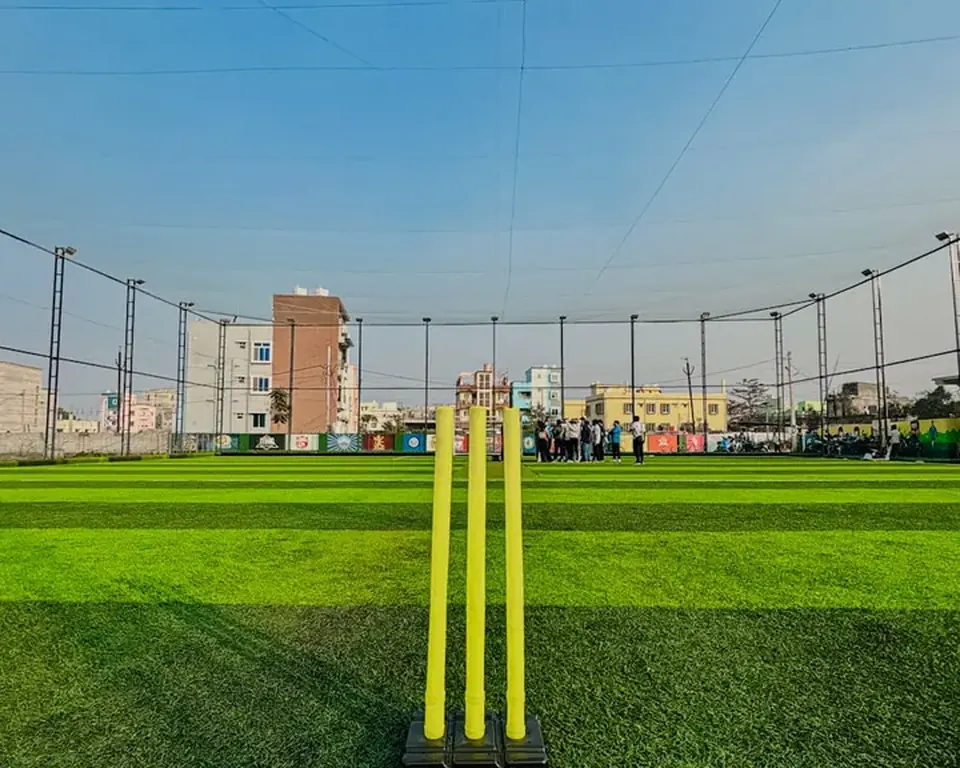
So you've decided to get serious about your cricket training. Maybe you're a grassroots player looking to make the local first XI, a parent trying to help your kid prepare for the upcoming season, or a footy fan who's discovered that cricket net sessions are a brilliant way to stay sharp during the off-season. Whatever your reason, walking into a net session without the right gear is like turning up to a footy match without boots—you're going to have a bad time.
I've been there. Standing at the nets, realising I've forgotten my thigh pad, trying to borrow one from a bloke who's three sizes smaller. It's not fun, and it definitely doesn't help your batting average. That's why I've put together this practical checklist. By the end of this article, you'll know exactly what gear you need, how to pack it, and how to get the most out of every practice session.
Let's get into it.
Prerequisites / What You Need
Before we dive into the step-by-step process, let's get one thing straight: you don't need to spend a fortune to have a productive net session. Some of the best players I've seen turn up with basic gear and a willingness to work hard. But there are a few non-negotiables.
Essential gear you'll need access to:
- Cricket bat (your own or a club bat)
- Cricket ball (leather for match practice, tennis or windball for beginners)
- Pads (batting or wicketkeeping, depending on your role)
- Helmet (non-negotiable for facing pace bowlers)
- Gloves (batting or fielding)
- Appropriate footwear (spikes or trainers, depending on surface)
- Water bottle (trust me on this one)
- Towel (for sweat and cleaning gear)
- Thigh pad, arm guard, chest guard (for batters)
- Abdominal protector (box)
- Cricket bag to carry everything
- Sunglasses and hat (for outdoor nets)
- Notebook or phone for recording feedback
Step-by-Step Process
Step 1: Choose Your Net Session Type
Not all net practice is created equal. Before you pack anything, decide what kind of session you're doing. Are you:
- Facing pace bowlers in a match simulation?
- Working on spin against a spinner or throwdowns?
- Doing throwdowns with a coach or teammate?
- Practicing alone with a bowling machine?
- Fielding drills in the nets or on the adjoining oval?
Pro tip: Communicate with your coach or training partners before you pack. Nothing worse than lugging a full kit bag for a session that only requires gloves and a ball.
Step 2: Pack Your Batting Gear (If You're a Batter)
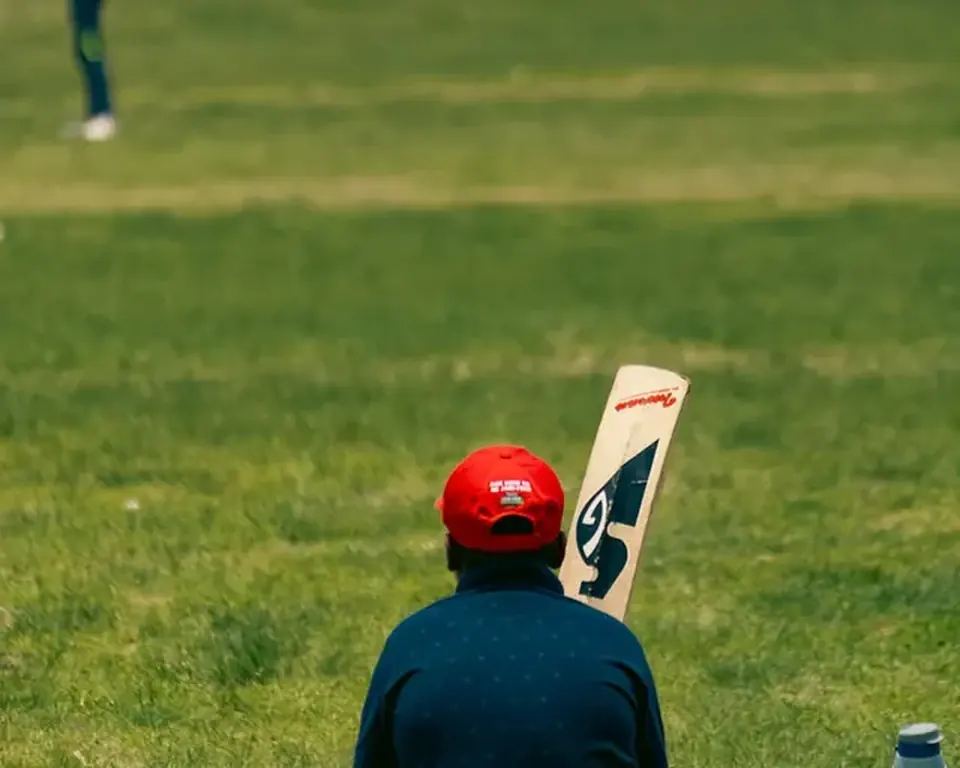
This is where most of the gear lives. Here's your batting checklist:
- Bat: Make sure it's oiled and knocked in if it's new. A bat that hasn't been prepared properly will crack or dent in the nets.
- Batting gloves: Check the padding on the thumb and fingers. Worn-out gloves mean broken fingers.
- Pads: Ensure the straps are intact and the buckles work. Nothing worse than a pad falling off mid-drive.
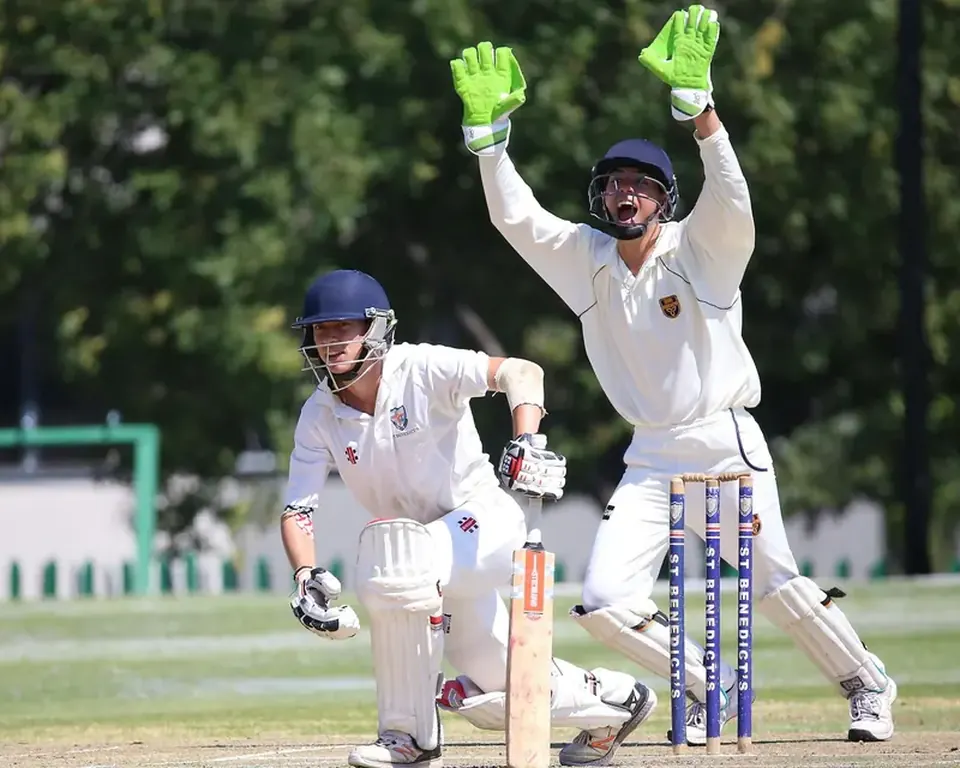
- Helmet: This is non-negotiable. Even in the nets, a short-pitched ball can do serious damage. Make sure the grille is secure and the padding isn't degraded.
- Thigh pad: Essential for facing quicks. Even if you're a spinner, a rising ball can catch you on the thigh.
- Arm guard: Optional but highly recommended if you're facing fast bowling.
- Chest guard: For the really brave (or those who've been hit before).
- Abdominal protector (box): Don't skip this. Seriously. Just don't.
Step 3: Pack Your Bowling Gear (If You're a Bowler)
Bowlers often think they don't need much gear. Wrong. Here's what you need:
- Bowling shoes or spikes: Grip is everything. Slipping in your delivery stride is a recipe for injury.
- Support gear: If you have a history of ankle, knee, or back issues, bring a compression sleeve, knee brace, or back support. Again, see a professional for advice on what's right for you.
- Towel: For wiping sweat off your hands and the ball.
- Water bottle: Bowling is hard work. Stay hydrated.
- Practice balls: If you're bringing your own, make sure they're the right weight and condition. A scuffed ball behaves differently.
- Notebook: Track your line, length, and any adjustments you make. This is gold for improvement.
Step 4: Pack Fielding Gear
Fielding sessions in the nets are underrated. Here's what you need:
- Fielding gloves: Proper gloves for catching. Don't use batting gloves for fielding—they're not designed for it.
- Helmet: If you're doing close catching drills (short leg, silly point), wear a helmet.
- Throwing arm: If you're working on your throwing, bring a weighted ball or a specific training aid.
- Water bottle: Because diving and throwing is exhausting.
Step 5: Pack Your Safety and Comfort Items
This is the stuff that makes the session bearable:
- Sunscreen: Even on cloudy days, UV rays bounce off the pitch.
- Hat: A wide-brimmed hat for between overs.
- Sunglasses: Polarised lenses help you see the ball better in bright conditions.
- Change of clothes: You'll sweat through your training shirt. A dry top for the drive home is a game-changer.
- First aid kit: At minimum, strapping tape, band-aids, and antiseptic cream. Blisters and grazes happen.
- Snacks: Muesli bars, fruit, or a sandwich. Net sessions can run long.
Step 6: Arrive Early and Set Up
This is the step most people skip. Arriving 15 minutes early gives you time to:
- Check the nets: Are the nets intact? Is the pitch surface safe? Any hazards (holes, loose turf, debris)?
- Warm up properly: Jog, dynamic stretches, arm circles, leg swings. A cold body is an injured body.
- Set up your gear: Lay out your bat, pads, helmet in an orderly fashion. You don't want to be fumbling for gloves when it's your turn.
- Mark your run-up: If you're bowling, measure and mark your run-up with tape or a cone.
- Hydrate: Start drinking water before you start sweating.
Step 7: During the Session – Focus on Process, Not Results
This is where the mental game comes in. Here's how to make every ball count:
- Set a goal for the session: "I'm working on driving through the covers" or "I'm bowling yorkers at the death." Don't just go through the motions.
- Take breaks: Every 10-15 deliveries, step out of the net. Hydrate, reflect, adjust.
- Record feedback: If you're not with a coach, record your session on your phone. Watch it back between breaks. You'll spot things you didn't feel.
- Communicate: If you're batting, tell the bowler what you're working on. If you're bowling, ask the batter for feedback on your line and length.
- Stay positive: You'll edge one, you'll miss one, you'll get bowled. It's practice. Learn from it and move on.
Step 8: Cool Down and Pack Up Properly
The session isn't over when you walk off the net. Here's the final step:
- Cool down: Light jog, static stretches for quads, hamstrings, shoulders, back.
- Clean your gear: Wipe down your bat with a damp cloth. Air out your gloves and pads. Don't leave sweaty gear in a closed bag—it'll smell and degrade faster.
- Check for damage: Look for cracks in your bat, loose padding in your gloves, frayed straps on your pads. Fix or replace before next session.
- Rehydrate and refuel: Drink water or a sports drink. Eat something with protein and carbs within 30 minutes.
- Log your session: Write down what you worked on, what worked, what didn't. This is your training diary.
Pro Tips / Common Mistakes
Pro Tips
- Rotate your gear: Don't use the same bat, gloves, and pads every session. Rotate between two sets if you have them. It extends the life of your equipment.
- Invest in a good cricket bag: A bag with separate compartments for wet and dry gear is worth its weight in gold. You can keep your bat separate from your sweaty training shirt.
- Use a ball marker: If you're bowling, mark the seam of your practice balls. It helps you see if you're bowling with the correct wrist position.
- Film your sessions: A $20 phone tripod is the best coaching tool you'll ever buy. Watch your technique back. You'll be amazed at what you miss in real time.
- Bring a training partner: Solo net sessions are fine, but having someone to give feedback, bowl to you, or catch for you makes a huge difference.
Common Mistakes
- Skipping the warm-up. This is the number one cause of injuries in net practice. Don't be that person.
- Using worn-out gear. Old gloves with thin padding, a bat with cracks, pads with broken straps—replace them. Your safety matters more than saving a few dollars.
- Not hydrating enough. Net sessions are intense. You'll sweat more than you think. Drink before, during, and after.
- Overdoing it. 50 deliveries in a net is plenty. Quality over quantity. You're not training for a marathon.
- Ignoring feedback. Whether it's from a coach, a teammate, or your own video, listen to what the data tells you. Ego has no place in the nets.
Checklist Summary
Here's your quick-reference checklist to print out or save on your phone. Tick each box before you leave for the nets.
Batting Gear:
- Cricket bat (oiled and knocked in)
- Batting gloves (padding intact)
- Pads (straps and buckles working)
- Helmet (secure grille, good padding)
- Thigh pad
- Arm guard (optional)
- Chest guard (optional)
- Abdominal protector (box)
- Bowling shoes or spikes
- Support gear (if needed)
- Practice balls (correct weight)
- Marker or tape for run-up
- Notebook and pen
- Fielding gloves
- Helmet (for close catching)
- Weighted ball (for throwing practice)
- Sunscreen
- Hat
- Sunglasses
- Change of clothes
- First aid kit
- Snacks
- Water bottle
- Towel
- Arrive 15 minutes early
- Check net and pitch safety
- Warm up properly
- Set up gear in order
- Mark run-up (if bowling)
- Hydrate
- Set a goal for the session
- Take breaks every 10-15 deliveries
- Record and review feedback
- Communicate with training partners
- Stay positive and focused
- Cool down with stretches
- Clean and air out gear
- Check for damage
- Rehydrate and refuel
- Log session notes
There you have it. A complete, practical checklist for cricket net practice that covers everything from what to pack to how to finish strong. Whether you're a weekend warrior, a junior player, or a club coach, this guide will help you get the most out of every session.
Remember, the best gear in the world won't make you a better player if you don't use it properly. But turning up prepared, focused, and with the right equipment? That's half the battle won.
Now go hit the nets. And don't forget your water bottle.
Looking for more gear and equipment guides? Check out our gear-equipment hub for reviews, comparisons, and buying tips. If you're dealing with elbow pain from too much bowling, our guide on cricket elbow support might save your season. And for fielders, don't miss our breakdown of the best cricket fielding gloves on the market.
Reader Comments (0)