

Cricket Stumps and Bails Buying Guide
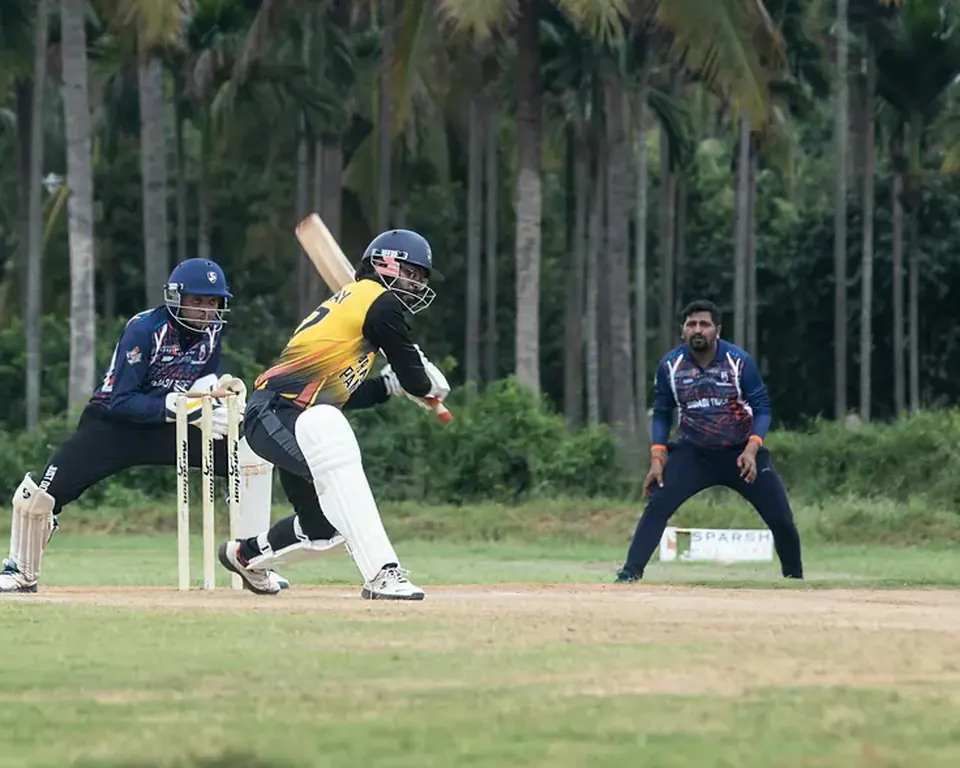
Let’s be honest: when you think of Australian cricket, you probably picture the crack of a bat, the roar of a crowd at the MCG, or the sight of Pat Cummins charging in during an Ashes Test. But there’s one piece of equipment that’s just as iconic—and often overlooked—until it’s lying scattered on the pitch after a wicket: the stumps and bails.
Whether you’re setting up a backyard Test with mates, coaching juniors at a local club, or just want to upgrade your gear for a weekend match, knowing your stumps from your bails is more important than you might think. This guide will walk you through everything you need to know—from materials and sizes to what the pros use in the Big Bash League and the Sheffield Shield.
So grab a cold one, settle in, and let’s get you sorted.
Why Stumps and Bails Matter More Than You Think
You might be thinking, “It’s just three sticks and two little bits of wood on top—how hard can it be?” Well, there’s a bit more to it than that. The stumps and bails are the heart of the game. They’re the target every bowler aims at, the barrier every batter defends, and the moment of truth when the bails fly off.
For grassroots players and fans alike, the right set of stumps can make or break your match-day experience. Cheap, warped stumps won’t stand up to a genuine thunderbolt from a quick bowler. Flimsy bails might not dislodge when they should—or worse, they might fall off in a gust of wind.
In Australian cricket, where conditions can range from the scorching heat of a WACA Ground summer to the damp evenings of a Sydney Cricket Ground Test, durability matters. And if you’re a fan who loves recreating the drama of an Ashes series in your own backyard, you want gear that feels authentic.
Anatomy of Stumps and Bails
Before we dive into buying advice, let’s break down what we’re actually talking about.
Stumps
The three vertical posts that form the wicket. Each stump has a specific name:
- Off stump – the one on the batter’s off side (right-handers: the side away from their body)
- Middle stump – the centre post
- Leg stump – the one on the batter’s leg side
- Height: 28 inches (71.1 cm) above the ground
- Width: 9 inches (22.86 cm) total across all three stumps
- Diameter: Each stump is roughly 1.5 inches (3.8 cm) thick
Bails
The two small pieces that sit in grooves on top of the stumps. They’re designed to be dislodged when the ball hits the stumps, signalling a wicket.
Standard bails are:
- Length: 4.37 inches (11.1 cm) for the middle section
- Diameter: Similar to stumps, around 0.5–0.75 inches
Materials: Wood vs. Synthetic vs. Plastic
One of the biggest decisions you’ll make is what material your stumps and bails are made from. Each has its pros and cons, and the right choice depends on where and how you’ll use them.
Wooden Stumps and Bails
The traditional choice, used in professional cricket from the Sheffield Shield to the ICC Men’s T20 World Cup. Typically made from:
- Ash – lightweight, strong, and has a nice sound when hit
- Willow – similar properties, often used for higher-end sets
- English oak – heavier, very durable, but less common
- Authentic feel and sound
- Preferred for serious matches
- Can be reused if cared for properly
- Can warp or crack in extreme weather
- Heavier to carry around
- More expensive than synthetic options
Synthetic/Composite Stumps and Bails
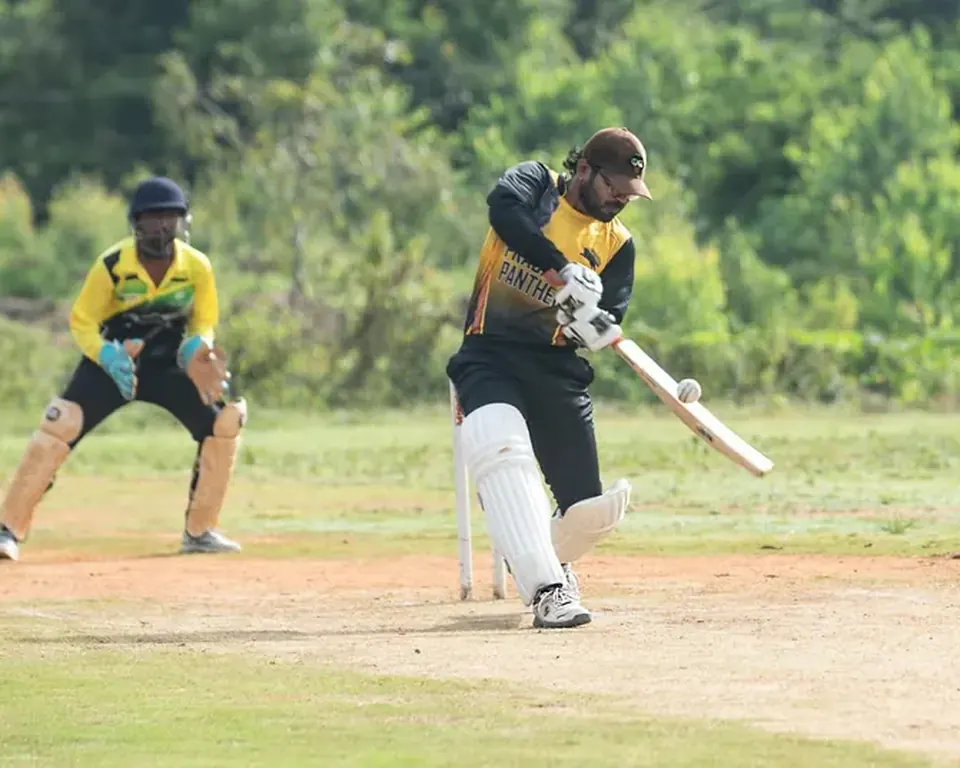
These are becoming increasingly popular, especially for training and junior cricket. Made from materials like:
- Polypropylene – lightweight and durable
- Nylon-reinforced plastic – tough and weather-resistant
- Rubber bases – some sets have weighted rubber bottoms for stability
- Won’t warp or rot
- Lighter and easier to transport
- Often cheaper than wood
- Can be brightly coloured for visibility
- Don’t have the same “crack” sound when hit
- Some purists don’t like the feel
- Can be less stable in strong wind
Plastic/All-in-One Sets
These are the budget-friendly option, often sold as complete sets with a base. You’ll see them at school sports days, beach cricket, and backyard games.
Pros:
- Very cheap
- Lightweight and portable
- Often come with a carrying bag
- Not suitable for serious play
- Bails may not dislodge properly
- Can break easily
Size Matters: Junior vs. Senior Stumps
Cricket Australia has clear guidelines for stump sizes based on age groups. Using the right size is crucial for skill development and safety.
Senior (Adult)
- Height: 28 inches (71.1 cm)
- Width: 9 inches (22.86 cm)
- Used in: Big Bash League, Sheffield Shield, Test series, all senior competitions
Junior (Under 13 and below)
- Height: 27 inches (68.6 cm)
- Width: 8 inches (20.3 cm)
- Used in: Junior club cricket, school competitions
Kids (Under 10 and below)
- Height: 24 inches (61 cm)
- Width: 7 inches (17.8 cm)
- Used in: Milo cricket, junior training sessions
Specialty Stumps: What the Pros Use
Ever watched a day-night Test under lights and noticed the stumps glowing? That’s not just for show.
LED Stumps and Bails
Used in the Big Bash League, Women’s Big Bash League, ICC Men’s T20 World Cup, and some Test series under lights. The stumps and bails have embedded LEDs that light up when the wicket is broken.
Why they’re used:
- Makes umpiring decisions clearer, especially for run-outs and stumpings
- Adds to the spectacle for fans at the ground and watching on TV
- Helps with third umpire reviews
Training Stumps
These are designed for practice sessions. Common types include:
- Weighted stumps – heavier bases to prevent tipping over
- Collapsible stumps – fold down for easy storage
- Stump cameras – some high-end sets have a camera embedded in the middle stump for bowling analysis
Disc Stumps
A modern innovation where the traditional three stumps are replaced by a single disc-shaped target. Used in some training drills to help bowlers focus on hitting a specific area.
How to Choose the Right Set for You
Now that you know the options, here’s a quick decision tree:
- What’s your level of play?
- Professional or serious club cricket → Wooden, regulation size
- Junior or school cricket → Synthetic or junior-size wood
- Backyard or beach cricket → Plastic all-in-one set
- What’s the weather like?
- Dry, hot conditions (e.g., WACA Ground summer) → Wood is fine, but consider synthetic for longevity
- Wet or humid conditions → Synthetic is better (wood can warp)
- Coastal or windy areas → Weighted bases or synthetic with rubber bottoms
- What’s your budget?
- Under $30 → Plastic set with base
- $30–$80 → Synthetic or basic wooden set
- $80–$150 → Good quality wooden set (ash or willow)
- $150+ → Premium wooden set or LED stumps
- How often will you use them?
- Once a week or less → Budget options are fine
- Multiple times a week → Invest in quality wood or durable synthetic
- For a club or school → Buy in bulk from a sports supplier
Caring for Your Stumps and Bails
A good set of stumps can last for years if you look after them. Here’s how:
Wooden Stumps
- Store them dry – never leave them out in the rain. Moisture causes warping.
- Oil occasionally – a light coat of linseed oil every few months keeps the wood from drying out and cracking.
- Check for splinters – sand down any rough spots to avoid injuries.
- Replace bails regularly – bails take the most impact and can weaken over time.
Synthetic Stumps
- Rinse with water – after use on dusty or sandy pitches
- Avoid direct sunlight for long periods – UV can degrade the plastic
- Check the base – weighted bases can crack if dropped on concrete
General Tips
- Don’t hammer them into hard ground – use a stump hole digger or a rubber mallet
- Keep bails in a separate pocket – they’re small and easy to lose
- Label your set – especially if you’re sharing with a club or school
Where to Buy Stumps and Bails in Australia
You’ve got plenty of options, from local sports stores to online retailers.
Physical Stores
- Rebel Sport – good range of junior and senior sets
- Decathlon – budget-friendly options
- Local cricket specialty stores – often have higher-quality wooden sets
Online Retailers
- Cricket Direct Australia – wide range, including LED stumps
- Kookaburra – the brand used in most professional competitions
- Gray-Nicolls – premium wooden sets
- eBay and Facebook Marketplace – good for second-hand sets, but inspect carefully
What to Look For
- Brand reputation – Kookaburra, Gray-Nicolls, and Slazenger are trusted names
- Warranty – some brands offer a 12-month warranty against warping
- Customer reviews – check for comments about durability in Australian conditions
Stumps and Bails in Australian Cricket Culture
You can’t talk about stumps without mentioning some of the great moments they’ve witnessed.
Remember the 2019 Ashes at Lord’s? Steve Smith was struck by a bouncer from Jofra Archer and later retired hurt. The stumps and bails were the silent witnesses to one of the most dramatic days in Test cricket.
Or the 2020–21 Border-Gavaskar Trophy at the Gabba, where Pat Cummins and Josh Hazlewood bowled Australia to a famous win. Every time the bails flew, it sent a shiver through Indian fans.
And who could forget David Warner’s century in the 2023 ICC Men’s T20 World Cup? The LED stumps lighting up after every boundary added to the spectacle.
At the grassroots level, stumps are just as important. Every Sheffield Shield match, every WBBL game, every junior club fixture—they all start with three stumps being hammered into the ground.
Final Tips for Footy Fans and Cricket Lovers
If you’re an Aussie rules fan who’s also into cricket (and let’s be honest, most of us are), think of stumps like the goalposts of cricket. They’re the target, the structure, and the drama all in one.
Quick checklist before you buy:
- Check the size (junior or senior?)
- Decide on material (wood, synthetic, or plastic?)
- Consider your climate (dry, wet, or windy?)
- Set a budget (from $20 to $200+)
- Read reviews from other Aussie buyers
Explore More Cricket Gear Guides
Now that you’ve got the stumps sorted, why not check out the rest of your kit?
- Get the full lowdown on cricket gear and equipment
- Protect yourself with the best cricket thigh pads
- Find the perfect fit with our guernsey sizing guide
Got a question about stumps or bails? Drop us a line—we’re always happy to help a fellow cricket fan.
Reader Comments (0)