

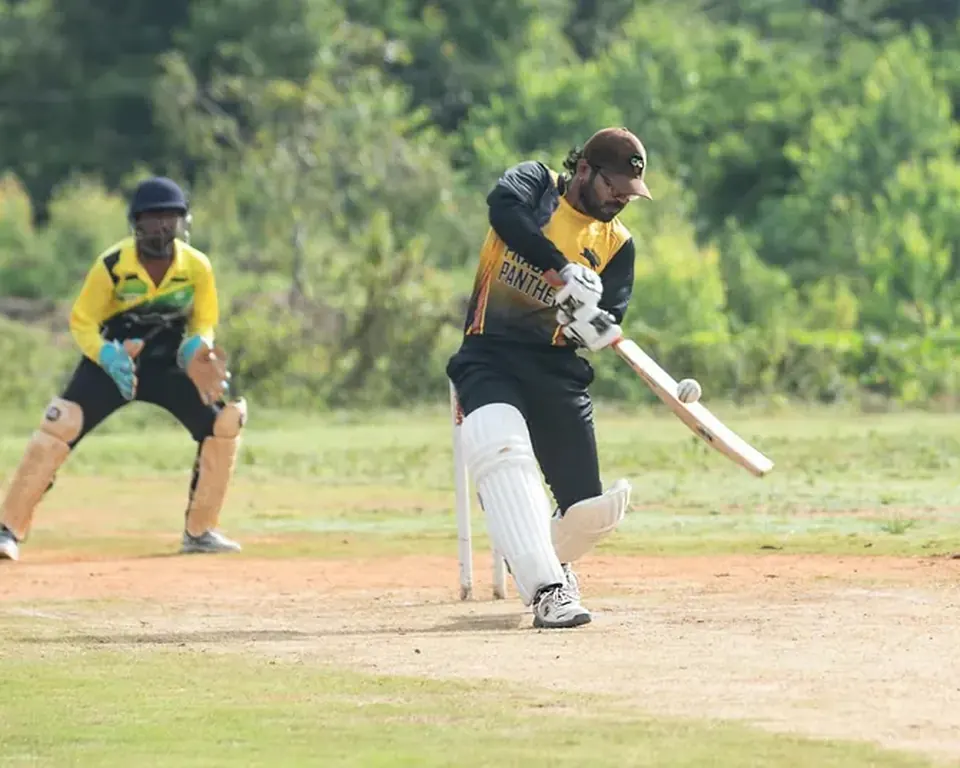
There’s something about an Ashes Test that gets the sweat glands working overtime. Whether you’re a fast bowler charging in from the Members’ End at the MCG, a batter shuffling across the crease at the SCG, or you’re just a punter in the stands at the WACA Ground nursing a cold tinny, the heat of battle—and the Australian summer—demands one thing: you stay dry, focused, and comfortable. That’s where cricket sweatbands come in.
Now, I know what you’re thinking: “Mate, it’s just a bit of terry towelling around my wrist. What’s the big deal?” But trust me, in the cauldron of an Ashes series, where every run, wicket, and session can swing the momentum, sweat management is serious business. From the grass-roots weekend warrior slogging it out in local competitions to the backyard hero trying to emulate a cover drive, the right sweatband can be the difference between a sticky, distracting afternoon and a clean, focused performance.
In this guide, we’re going deep into the world of cricket sweatbands. We’ll cover why they matter for Ashes matches, how to choose the right ones for different conditions, what the pros are wearing, and how you can incorporate them into your own gear setup. Whether you’re a player, a coach, or a fan who wants to look the part while watching the Big Bash League action, this pillar article has you covered.
Let’s get into it.
Why Sweatbands Matter in Ashes Cricket
The Ashes is not just any Test series. It’s one of the oldest rivalries in cricket, dating back to 1882, and it’s played in some of the most unforgiving conditions on the planet. When England tours Australia, they face scorching heat, dry outfields, and the unique challenge of the Australian summer. Conversely, when Australia travels to England, they contend with overcast skies, damp pitches, and the ever-present threat of rain.
In both scenarios, sweat is a constant companion. For bowlers, sweat dripping onto the ball can affect grip, swing, and seam position. For batsmen, sweaty palms can lead to a loose grip on the bat, resulting in mistimed shots or, worse, a nick to the keeper. For wicketkeepers, sweat can blur vision and make glove work a nightmare.
Cricket sweatbands—worn on the wrist, forehead, or even as a headband—are the frontline defence against these issues. They wick moisture away from the skin, keep your hands dry, and help you maintain focus during those crucial moments. In an Ashes Test, where a single session can define a series, that focus is gold.
The Anatomy of a Quality Cricket Sweatband
Not all sweatbands are created equal. You’ve got your basic cotton wristbands that you might pick up at a souvenir shop, and then you’ve got performance-grade gear designed for elite athletes. Let’s break down what separates the good from the great.
Material Matters
The best cricket sweatbands are made from a blend of cotton, polyester, and elastane. Cotton provides softness and absorbency, polyester adds durability and moisture-wicking properties, and elastane gives that snug, non-slip fit. Avoid 100% cotton bands—they soak up sweat like a sponge but stay wet, heavy, and uncomfortable. Look for “moisture-wicking” or “quick-dry” labels.
Width and Thickness
For wristbands, a width of 7-10 centimetres is standard. Too narrow, and they won’t catch enough sweat. Too wide, and they can interfere with your glove or sleeve. For headbands, a wider band (around 10-12 cm) helps keep sweat out of your eyes, especially under a helmet.
Absorbency vs. Breathability
There’s a trade-off here. Highly absorbent bands are great for heavy sweaters but can become saturated quickly. Breathable bands dry faster but may need to be swapped out during long sessions. Some premium brands offer “dual-layer” designs: an absorbent inner layer and a breathable outer layer.
Grip and Non-Slip Features
If you’re a bowler or batsman, you don’t want your sweatband sliding down your arm mid-delivery or mid-shot. Look for bands with silicone grips or ribbed textures on the inside. These stay put even when you’re working up a lather.
Sweatbands for Different Ashes Conditions
The Ashes is played across multiple venues, each with its own microclimate. Here’s how to tailor your sweatband choice to the conditions.
The MCG: Hot and Humid
The Melbourne Cricket Ground in December can be a furnace. The stands trap heat, and the outfield can feel like a sauna. For MCG conditions, go for a wide, highly absorbent wristband and a breathable headband. Consider having a spare pair in your kit bag—you’ll need to swap them out at drinks breaks.
The SCG: Dry and Dusty
The Sydney Cricket Ground is known for its dry, dusty conditions. Sweat evaporates quickly here, but dust and grit can stick to damp skin. A moisture-wicking headband is essential to keep grit out of your eyes. Wristbands should be lightweight and quick-drying.
The WACA: Wind and Heat
The WACA Ground in Perth can be a wind tunnel. Sweat evaporates fast, but the wind can also dry out your skin, leading to chafing. For WACA conditions, choose sweatbands with a bit of extra length to cover more skin. A headband with a wind-resistant design (tighter weave) can help.
The Gabba: Sticky and Oppressive
Brisbane’s humidity is legendary. The Gabba can feel like a steam room. Here, you need maximum absorbency. Look for sweatbands with a high cotton content (but not 100%) and consider using a towel between overs. Some players even wear two wristbands per arm.
The Adelaide Oval: Pleasant but Unpredictable
Adelaide’s weather can change in an hour. One moment it’s sunny and warm, the next it’s cloudy and cool. A versatile sweatband that balances absorbency and breathability is your best bet. A medium-width wristband and a lightweight headband should cover you.
What the Pros Wear: Ashes Edition
Let’s take a peek into the kits of some of Australia’s finest. While we can’t speak to their exact sponsorship deals, we can observe common trends.
Fast Bowlers
Fast bowlers often wear a single wristband on their bowling arm. They need the band to stay put during high-intensity deliveries, so a non-slip design is key. Many prefer a band that wicks moisture quickly without adding bulk.
Batters
Batters are frequently seen wearing a headband to keep sweat out of their eyes during long, focused innings. Some also wear a wristband on their bottom hand (the one closest to the bat handle) to maintain grip. Headbands are often swapped between sessions, especially in humid conditions.
Wicketkeepers
Keepers often wear wristbands on both arms to manage sweat from gloves. They prefer bands with high absorbency and quick-dry properties.
Spin Bowlers
Spinners often wear a headband and a wristband on their non-bowling arm. The headband keeps sweat out of their eyes during the run-up, and the wristband helps maintain grip on the ball.
Sweatbands for the Grassroots and Weekend Warriors
You don’t have to be playing in an Ashes Test to benefit from a good sweatband. Whether you’re turning out for your local club in a weekend match or just having a net session with your mates, the right gear can elevate your game.
Club Cricket
If you’re playing in a two-day game or a T20 local comp, sweat management is crucial. In a long innings, sweat can build up and affect your concentration. A good wristband can help you maintain grip on the bat, especially if you’re facing a quick bowler. A headband can keep sweat out of your eyes during those long, hot afternoons.
Backyard Cricket
For the casual game in the backyard or at the park, sweatbands are more about comfort than performance. But they also add a touch of professionalism to your setup. Plus, they’re great for keeping sweat off your sunglasses or phone if you’re scoring.
Junior Cricket
For kids just starting out, sweatbands are a fantastic way to build good habits. They teach young players to manage their equipment and stay focused. Look for smaller sizes designed for junior players—adult bands can be too loose and distracting.
How to Care for Your Sweatbands
Sweatbands take a beating. They’re soaked in salt, dirt, and bacteria. Proper care extends their life and keeps them performing.
Washing
- Hand wash with mild detergent after every use.
- Machine wash on a gentle cycle, but avoid fabric softener—it clogs the moisture-wicking fibres.
- Air dry only. Heat from a dryer can shrink the elastane and ruin the fit.
When to Replace
- If the band loses its elasticity and starts slipping.
- If the fabric becomes thin or develops holes.
- If it starts to smell even after washing (bacteria buildup).
- After a heavy season of play—usually every 3-6 months.
Storage
- Store in a cool, dry place.
- Don’t leave them in a sweaty kit bag overnight—they’ll develop mildew.
- Consider having multiple pairs so you can rotate them.
Sweatbands and the Big Bash League
The Big Bash League is a different beast. It’s fast, flashy, and played under lights. But the heat is still a factor, especially in early-season matches played in November and December.
BBL players often wear sweatbands that match their team colours. The bright, bold designs of the BBL are a perfect canvas for custom sweatbands. Some teams even sell branded bands as merchandise.
For fans watching the BBL at the ground, a sweatband can be a lifesaver. The combination of summer heat, beer in hand, and a packed stadium can leave you drenched. A simple headband can keep sweat out of your eyes and let you focus on the action.
Sweatbands Across Formats: Test vs. T20
The demands of Test cricket and T20 cricket are different, and your sweatband choice should reflect that.
Test Cricket
- Longer sessions: You need bands that can handle hours of wear.
- Multiple swaps: Keep spare bands in your kit.
- Focus on absorbency: Test matches are about patience and concentration. Sweat distraction is a real issue.
T20 Cricket (including BBL and ICC Men’s T20 World Cup)
- Short, explosive bursts: You need bands that dry quickly between overs.
- Style matters: In T20, players often wear bands that match their team’s branding.
- Lightweight: T20 is about speed and agility. Heavy, waterlogged bands can slow you down.
Women’s Cricket (WBBL and International)
The Women’s Big Bash League and international women’s cricket have seen a surge in popularity. Female players face the same sweat challenges as their male counterparts. Many brands now offer sweatbands specifically designed for women, with smaller sizes and more colour options.
Sweatbands and the Border-Gavaskar Trophy
While this guide is focused on the Ashes, it’s worth noting that sweatbands are just as important in other high-stakes series. The Border-Gavaskar Trophy between Australia and India is another classic contest played in extreme conditions. Whether it’s the heat of Chennai or the humidity of Sydney, sweat management is key.
The principles we’ve discussed apply across all formats and series. The Ashes just happens to be one of the most iconic.
Where to Buy Cricket Sweatbands
You can find cricket sweatbands at most sports retailers, both online and in-store. Here are a few options:
- Specialist cricket stores: They carry brands like Kookaburra, Gray-Nicolls, and New Balance.
- Online marketplaces: Amazon, eBay, and dedicated cricket sites.
- Team merchandise stores: For official Ashes or BBL branded bands.
- DIY: Some players make their own using high-quality terry towelling and elastic.
The Verdict: Are Sweatbands Worth It?
Absolutely. For the price of a couple of coffees, you can buy a sweatband that improves your comfort, focus, and performance. Whether you’re playing in an Ashes Test, a local match, or a weekend net session, sweatbands are a small investment with a big payoff.
They’re not just about looking the part—though that’s a nice bonus. They’re about staying in the moment, keeping your hands dry, and giving yourself every chance to perform at your best.
The Ashes is more than just a cricket series. It’s a test of character, endurance, and skill. And in those long, hot, pressure-filled sessions, every little advantage counts. A good sweatband might not win you the Ashes on its own, but it will help you stay focused, comfortable, and ready for the next ball.
So next time you’re gearing up for a match—whether it’s at the MCG, the SCG, or your local oval—don’t overlook the humble sweatband. It might just be the best piece of gear you didn’t know you needed.
And if you’re looking to complete your kit, check out our guides on gear and equipment, BBL pads selection, and cricket ball types. Your game will thank you.
Now get out there, stay dry, and enjoy the cricket.
Reader Comments (1)