

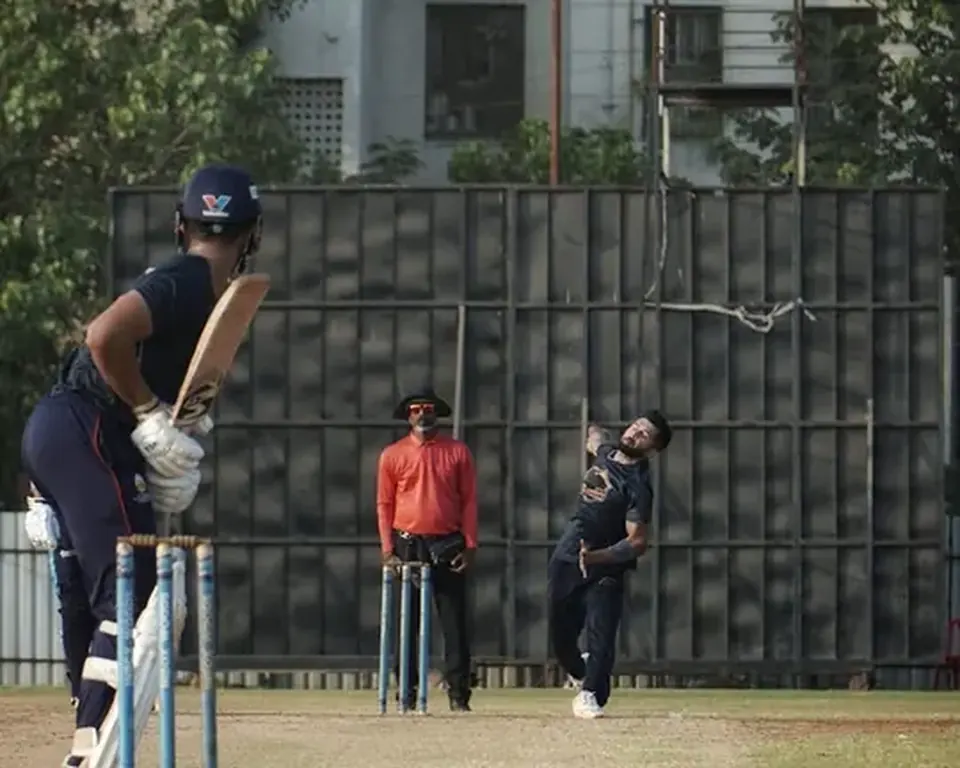
Let’s be honest—nobody enjoys showing up to training, throwing a few loose balls, and calling it a warm-up. But if you’ve ever pulled up sore after a net session, felt stiff in the field, or watched a teammate hobble off with a hamstring strain during a Sheffield Shield match, you already know the truth: a proper warm-up isn’t just about ticking a box. It’s about protecting your body so you can actually play the game you love.
Whether you’re a grassroots player getting ready for a Saturday slog, a parent helping your kid prepare for junior club, or a coach running drills before a Big Bash League-style training session, this checklist will walk you through a cricket-specific warm-up routine. We’re talking dynamic stretches, activation drills, and cricket-specific movements that get your body ready to bowl, bat, and field—without wasting time.
By the end of this article, you’ll have a repeatable, practical routine you can use before any session, match, or even a backyard hit with mates. Let’s get into it.
What You’ll Need
Before we jump into the steps, make sure you’ve got the basics sorted. You don’t need a full gym setup—just a few bits of gear and a bit of space.
- Comfortable training gear – shorts, joggers, a loose top. Nothing restrictive.
- Cricket shoes or runners – whatever you’ll be playing in. Avoid thongs or bare feet for drills.
- A cricket ball (or tennis ball) – for throwing, catching, and bowling drills.
- Cones or markers – even a couple of water bottles or cricket stumps will do.
- A bat (optional) – for batting-specific drills later in the routine.
- Water bottle – stay hydrated throughout.
- A teammate or coach – some drills are better with a partner, but you can adapt most for solo work.
Step 1: Light Cardio (5 Minutes)
Don’t skip this. Your muscles are cold, and jumping straight into stretches without raising your heart rate is asking for trouble.
What to do:
- Jog lightly around the oval or in a straight line for 2–3 minutes.
- Follow with high knees, butt kicks, and side shuffles—30 seconds each.
- Finish with a few easy forward lunges (no weight) to open up the hips.
Pro tip: If you’re at the Melbourne Cricket Ground or Sydney Cricket Ground for a match, use the boundary line as your track. If you’re at a local club, just use the pitch length or a 20-metre strip.
Step 2: Dynamic Stretches (8–10 Minutes)
Static stretching (holding a stretch for 30 seconds) is best saved for after the game. Before you play, you want dynamic stretches—controlled movements that take your joints through their full range of motion.
The routine:
- Leg swings (forward and side-to-side) – 10 each leg. Hold onto a teammate or a fence for balance if needed.
- Walking lunges with a twist – 10 reps each leg. As you lunge, rotate your torso toward the front leg. Great for your lower back and hips.
- Hip circles – 5 each direction. Stand on one leg and make big circles with the other knee.
- Arm circles and shoulder rolls – 10 forward, 10 backward. Gradually increase the size of the circles.
- Torso twists – 10 each side. Keep your feet planted and rotate from your hips, not your lower back.
- Ankle circles – 5 each direction, per ankle. Cricket involves a lot of lateral movement, so your ankles need to be ready.
Common mistake: Rushing through these. Take your time. Each stretch should feel controlled, not jerky.
Step 3: Activation Drills (5 Minutes)
Activation is about “waking up” the muscles you’ll actually use in cricket. Your glutes, core, and shoulders often go to sleep during daily life, and if they’re not firing, other muscles have to compensate—which leads to injury.
The drills:
- Glute bridges – 10 reps. Lie on your back, knees bent, and push your hips up. Squeeze your glutes at the top.
- Bird dogs – 5 per side. On all fours, extend one arm and the opposite leg. Hold for 2 seconds, then switch.
- Band walks (if you have a resistance band) – 10 steps each direction. Place the band around your ankles and walk sideways. This fires up your glute medius, which is crucial for lateral movement in the field.
- Plank hold – 30 seconds. Keep your body in a straight line from head to heels.
Pro tip: If you’re a bowler, spend an extra minute on glute and core activation. Pat Cummins and Steve Smith both emphasise the importance of a strong core for generating pace and maintaining accuracy.
Step 4: Cricket-Specific Movement Drills (10 Minutes)
Now we’re getting into the good stuff. These drills are designed to replicate what you’ll actually do on the field.
Drill 1: Fielding Footwork (3 Minutes)
Set up two cones about 5 metres apart. Start at one cone, shuffle to the other, touch the ground with your hand (simulating a pick-up), then sprint back. Repeat 5 times.Variation: Add a partner who throws a ball to you as you reach the second cone. Catch it, then throw it back as you shuffle.
Drill 2: Bowling Run-Up Rehearsal (3 Minutes)
If you bowl, rehearse your run-up without the ball. Focus on rhythm, alignment, and landing. Do 3–5 run-throughs at 50% effort, then 3 at 70–80%.Why it works: This grooves your movement pattern and reduces the risk of pulling up sore in the first over.
Drill 3: Batting Shadow Drills (3 Minutes)
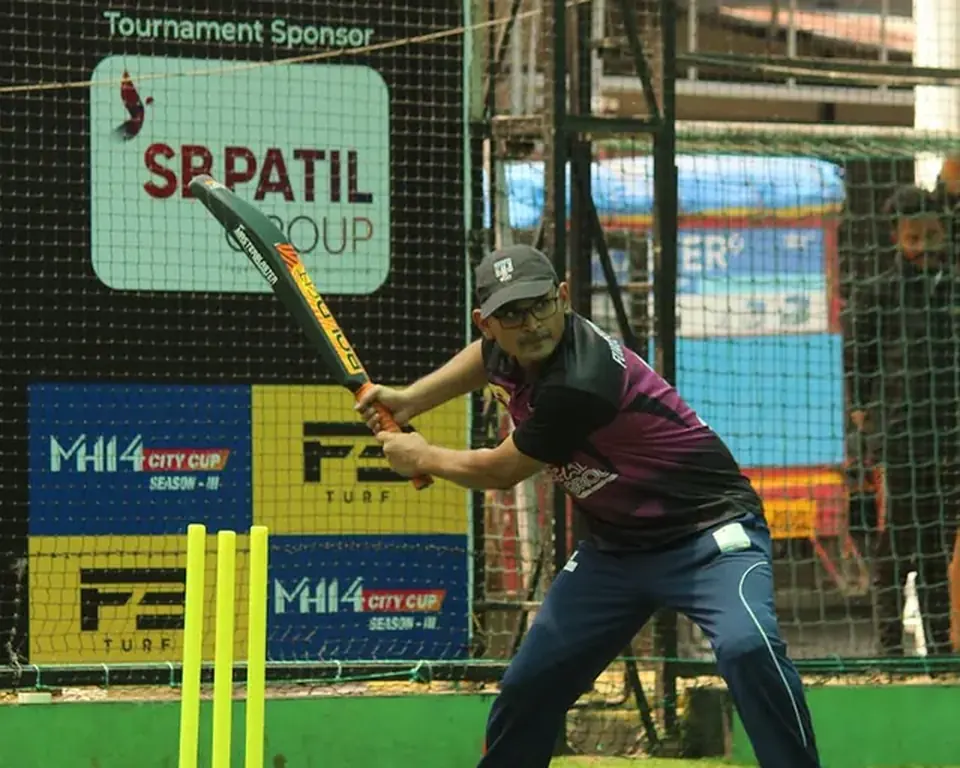
Stand in your batting stance and practice your trigger movement, forward press, and back-foot transfer. Do 10 forward defence shadows, 10 back-foot punches, and 10 pull shots (without a bat if you’re short on space).Pro tip: If you’re at the WACA Ground or a similar bouncy pitch, spend extra time on back-foot and pull shot shadows.
Drill 4: Throwing Accuracy (1 Minute)
Stand 15 metres from a teammate or a target (like a set of stumps). Throw the ball 5 times, aiming for the top of the stumps. Focus on a smooth, repeatable action.Why it works: Your arm needs to be warmed up before you attempt a long throw from the boundary.
Step 5: Sport-Specific Skill Work (10–15 Minutes)
This is where you transition from warm-up to actual training. The key is to start at low intensity and gradually build up.
For bowlers:
- Start with 3–4 easy deliveries at 50% pace.
- Increase to 70% for the next 4–6 deliveries.
- Finish with 2–3 deliveries at match pace.
- Start with throwdowns or a bowling machine at medium pace.
- Focus on defence and leaving the ball for the first 10 deliveries.
- Gradually introduce attacking shots.
- Practice high catches (10), ground fielding (10), and throws from different angles.
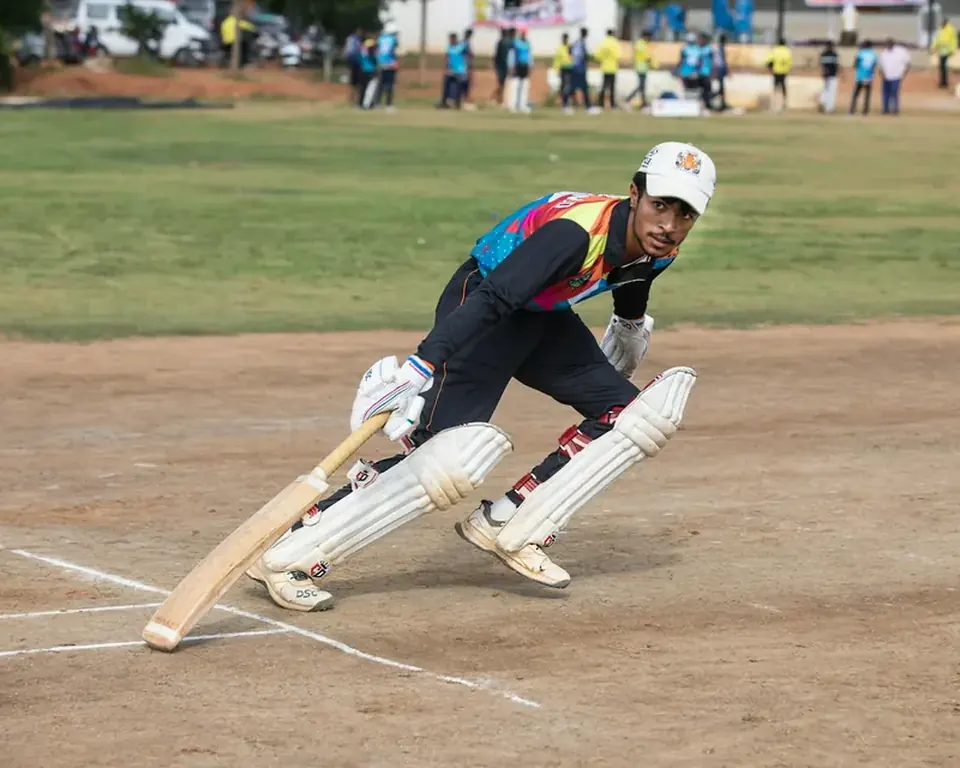
Common mistake: Batters often want to start smashing boundaries immediately. Resist the urge. Your body needs to adjust to the speed and timing.
Step 6: Cool-Down and Static Stretching (5 Minutes)
You’ve finished your session or match. Don’t just walk off and sit down. A quick cool-down helps your body recover and reduces stiffness the next day.
What to do:
- Walk for 2 minutes to lower your heart rate.
- Hold static stretches for 20–30 seconds each:
- Hamstring stretch (standing or seated)
- Quadriceps stretch (standing, holding your ankle)
- Glute stretch (seated figure-four)
- Shoulder stretch (cross-body arm pull)
- Lower back stretch (knee-to-chest lying down)
Pro tip: If you’re playing a multi-day game or a Test series, the cool-down is even more important. Your body will thank you on day two.
Pro Tips and Common Mistakes
Pro Tips:
- Customise for your role: Bowlers need more glute and shoulder activation. Batters need more hip and core work. Fielders need lateral movement and throwing drills.
- Make it a routine: Do the same warm-up before every session. Consistency builds good habits and reduces the chance of injury.
- Adjust for conditions: On a cold morning at the SCG, spend an extra 5 minutes on cardio. On a hot day at the WACA, focus on hydration and shorter drills.
- Use the checklist below: Print it out or save it on your phone. Tick off each step as you go.
Common Mistakes:
- Skipping activation: Many players go straight from jogging to bowling. That’s when hamstrings and lower backs get angry.
- Static stretching before activity: Holding a hamstring stretch for 30 seconds before you bowl actually reduces power output. Save it for after.
- Rushing the skill work: Going too hard too early is the number one cause of training injuries.
- Ignoring the cool-down: You’re not too busy for 5 minutes of stretching. Your future self will appreciate it.
Checklist Summary
Use this as your go-to warm-up checklist before any cricket session or match.
- Light cardio – 5 minutes of jogging, high knees, butt kicks, side shuffles
- Dynamic stretches – leg swings, walking lunges, hip circles, arm circles, torso twists, ankle circles (8–10 minutes)
- Activation drills – glute bridges, bird dogs, band walks, plank (5 minutes)
- Cricket-specific movement drills – fielding footwork, bowling run-up rehearsal, batting shadow drills, throwing accuracy (10 minutes)
- Sport-specific skill work – gradual intensity bowling, batting, or fielding (10–15 minutes)
- Cool-down and static stretching – walking, hamstring/quad/glute/shoulder/lower back stretches (5 minutes)
A proper warm-up isn’t just for professionals like Pat Cummins or Steve Smith. It’s for every player who wants to stay on the field longer, perform better, and avoid the kind of niggling injuries that keep you out for weeks.
Whether you’re preparing for a Big Bash League match, a Sheffield Shield fixture, or just a weekend game with your local club, this routine will have you ready to go from the first ball.
And if you’re still figuring out your gear—whether it’s finding the right bat or getting your guernsey sizing right—remember that preparation starts long before you step onto the field. For more on how the game’s best get ready, check out our breakdown of the BBL draft process explained.
Now go warm up properly. Your body (and your teammates) will thank you.
Reader Comments (0)