

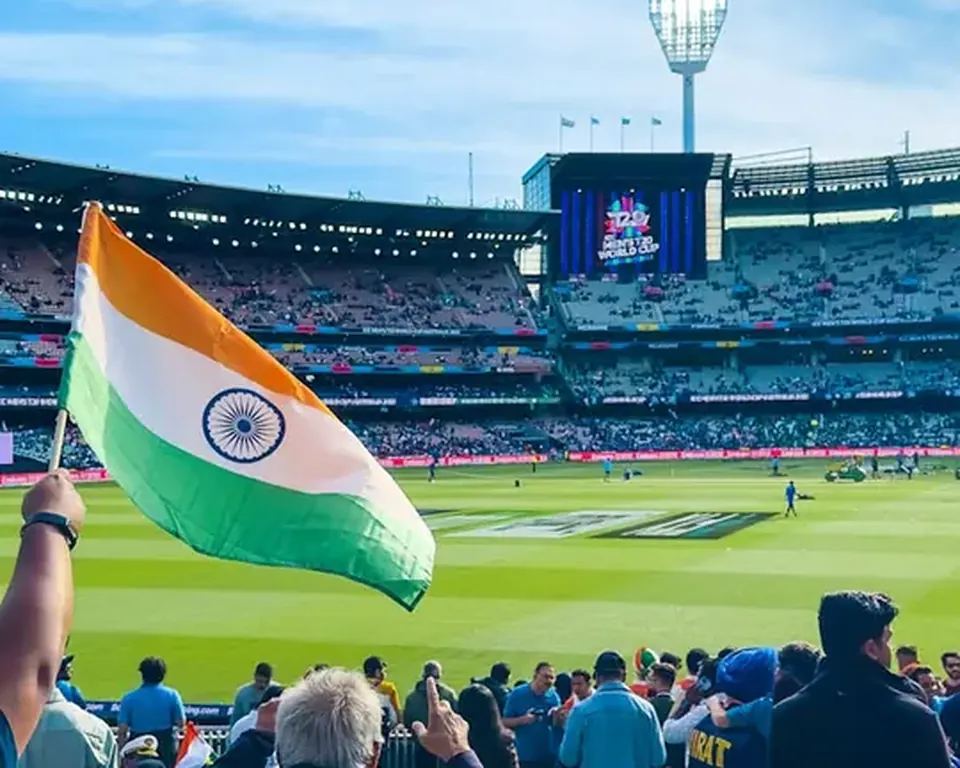
Here is the article, written in a conversational tone for a footy and cricket audience.
Slug: cricket-socks-performance H1: Cricket Socks for Performance and Blister Prevention
Hub: /gear-equipment
Alright, let’s have a yarn about something that doesn’t get nearly enough airtime at the local club.
We spend hours obsessing over the perfect bat, the right spike configuration, and whether our guernsey sizing is tight enough for that "professional" look. But then we shove our feet into any old sock that’s been lurking in the bottom of the kit bag since the last Ashes series.
It’s a rookie error. Whether you’re trying to bowl a spell like Pat Cummins on a flat deck at the MCG, or you’re just trying to get through a Saturday afternoon in the Sheffield Shield competition without hobbling off, your socks are the unsung heroes of your performance.
Bad socks lead to blisters. Blisters lead to bad footwork. Bad footwork leads to nicking off to second slip. It’s a chain reaction that can ruin your day.
So, let’s fix that. This is your practical, no-nonsense checklist for choosing and using cricket socks for performance and blister prevention. We’re going to keep your feet as happy as a selector who just found a new all-rounder.
What You’ll Achieve
By the end of this guide, you’ll know exactly what to look for in a performance sock. You’ll learn how to stop blisters before they start, and you’ll have a simple routine to keep your feet in top shape for the whole season—from the first BBL thunderclap to the final session of a long Test match.
Prerequisites / What You Need
- Your current cricket socks (the ones you’re probably going to throw away after reading this).
- A pair of your match-day cricket shoes. Different shoes have different internal volumes, so we need to test the fit.
- Access to a sink or shower (for the pre-game routine).
- A willingness to spend a few extra dollars. Trust me, it’s cheaper than a week off with a blood blister.
Step 1: Choose the Right Material (Ditch the Cotton)
This is the single biggest mistake grassroots players make. That cheap pack of white cotton sports socks from the supermarket? They are a blister factory.
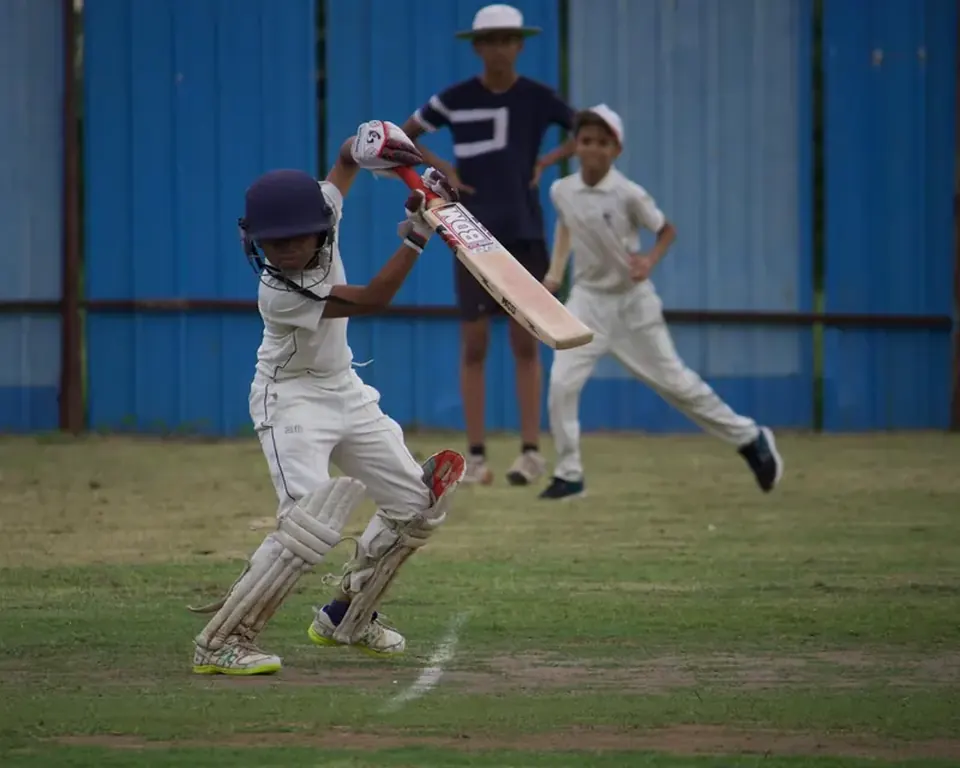
Cotton is comfortable when dry, but the moment you start sweating—or if you’re fielding in the dew at the SCG—cotton turns into a wet, abrasive rag. It sticks to your skin, creates friction, and softens the skin. That’s the perfect storm for a blister.
What to look for:
- Merino Wool Blends: This is the gold standard. Merino wicks moisture away from your skin, regulates temperature (keeping your feet warm in a chilly Shield game and cool in a scorching summer BBL game), and has natural anti-bacterial properties. It’s the fabric Steve Smith would wear if he designed socks.
- Synthetic Blends (Polyester, Nylon, Elastane): These are your second-best option. They dry fast, are durable, and provide a snug fit. Look for high-performance athletic socks, not the generic "sports" ones.
- Avoid: 100% cotton. We’ve already been over this. Just don’t.
Step 2: Identify the Cushioning Zones
Not all socks are created equal. A sock designed for running has cushioning in the heel and forefoot. A cricket sock needs to be smarter because you’re doing three very different things: standing still for hours (fielding), sprinting (running between wickets), and putting massive rotational pressure on your feet (bowling).
Look for specific cushioning:
- Heel & Achilles: Essential for protecting against the rigid heel counter of your cricket shoes. This is where most bowlers get blisters.
- Forefoot: Crucial for your push-off when batting and running.
- Ankle & Shin: Some high-performance socks have light compression or padding here to protect against the top of the shoe.
- Toe Box: A seamless toe is non-negotiable. A thick seam rubbing against your toes for six hours is a guaranteed ticket to the physio’s room.
Step 3: Get the Right Length (Crew vs. Ankle)
This is a matter of preference and protection.
- Crew Length (Knee-High): These are the traditional cricket socks. They offer the most protection, keep your shin pads from rubbing against your skin, and provide a professional look. If you’re playing in a Test series or a serious club game, this is the standard. They also help keep your trousers tucked in.
- Ankle / No-Show Socks: Popular in the BBL and T20 cricket for comfort and cooling. However, they offer zero protection from your shin pads. If you wear ankle socks, you must wear a separate shin pad liner or risk some serious chafing.
Step 4: Master the Pre-Game Foot Prep
You can buy the world’s best socks, but if you put them on dirty, wet feet, you’re asking for trouble.
The 5-Minute Routine:
- Wash and Dry: Start with clean feet. Wash them thoroughly and dry them completely, especially between the toes.
- Talcum Powder or Anti-Chafe Balm: This is a game-changer. Dust your feet with a sports talc (like Gold Bond) to keep them dry. Or, apply a thin layer of anti-chafe balm (like BodyGlide) to your heels and the balls of your feet. This reduces friction dramatically.
- The "Liner" Trick: For players prone to blisters, wear a thin, synthetic liner sock under your main cricket sock. The friction happens between the two socks, not between the sock and your skin. It’s a trick used by marathon runners and touring cricketers alike.
Step 5: The "No-Wrinkle" Fit
A wrinkled sock is a blister waiting to happen.
When you put your socks on, take the time to smooth them out. Pull them up tight around the heel and ensure the toe box is aligned correctly. Then, put your shoe on and lace it up properly.
Common Mistake: Pulling the sock up and letting it bunch behind the heel. This creates a pressure point that will rub raw in the second session.
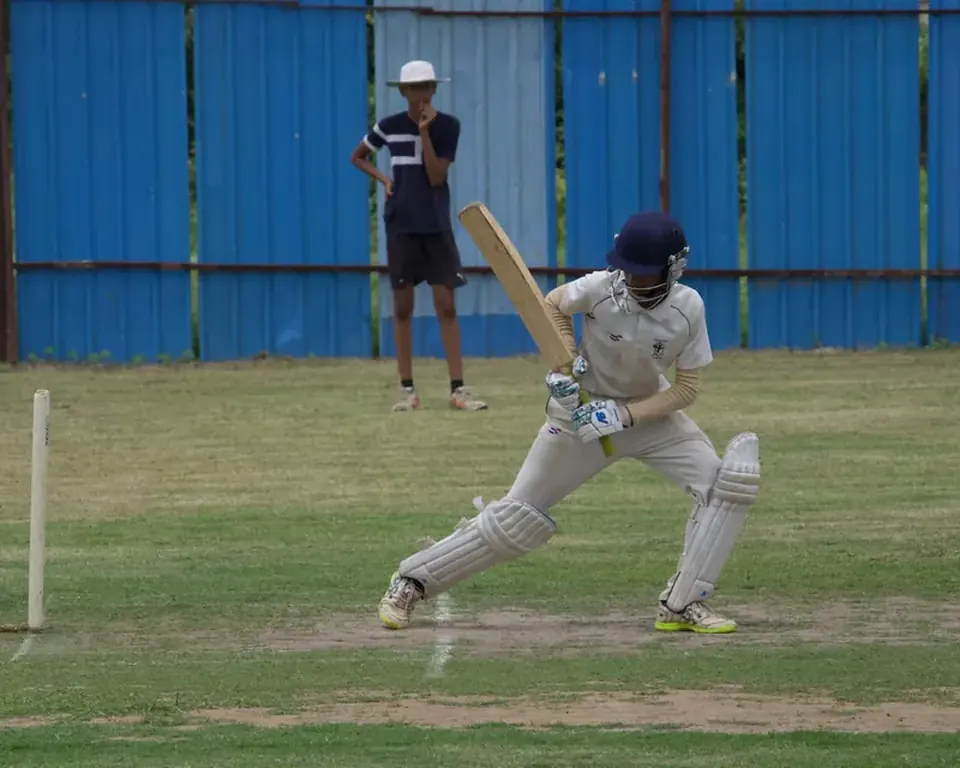
The Test: After you’ve laced up, run your hand over the back of your heel and the top of your foot. If you feel any ridges or bunched fabric, take the shoe off and fix it.
Step 6: Match the Sock to the Shoe
Your cricket shoes are the other half of this equation.
- Spikes vs. Runners: Spiked shoes have a rigid sole and a hard heel counter. You need a thicker, more cushioned sock to fill the space and prevent heel slip. Flat-soled training shoes are more forgiving, but you still need a good moisture-wicking sock.
- Shoe Volume: Some shoes (like the classic Asics) have a narrow fit. Others are wider. If your shoes are a bit loose, a thicker sock can help lock your foot in. If they are tight, a thin performance sock is better.
- Check the Heel Grip: When you walk in your shoes, your heel should not lift out of the shoe. If it does, you need either a different shoe or a thicker sock to fill the gap.
Step 7: The Mid-Match Change
This is a pro-level tip that most amateurs ignore.
If you’re playing a two-day game, or even a long one-dayer on a hot day, change your socks at the break.
Why? Even the best wicking socks get saturated. Once they are wet, they lose their friction-reducing properties. By the tea break, your socks are likely damp. Changing into a fresh, dry pair for the final session is the single best thing you can do to prevent blisters.
The Kit Bag Rule: Always pack at least two pairs of high-quality cricket socks. One for the first session, one for the second. Your feet are your engine. Don't run them on empty.
Common Mistakes to Avoid
- Buying the cheapest option. You will pay for it with lost skin.
- Wearing old, worn-out socks. The elastic goes, the cushioning flattens, and they lose their shape. Replace them every season, or every half-season if you play a lot.
- Taping over a "hot spot." If you feel a hot spot (a pre-blister), don’t just put a strip of zinc oxide tape over it. That tape can peel off and create more friction. Use a proper blister plaster (like Compeed) or a hydrocolloid bandage.
- Ignoring the washing instructions. High-performance socks are delicate. Don't boil them, don't use fabric softener (it clogs the fibers and stops them from wicking), and don't put them in the dryer on high heat. Wash them in cold water and air dry them.
Checklist Summary
Before your next game, run through this list:
- Material: Are my socks Merino wool or a high-performance synthetic? (If they are cotton, bin them.)
- Cushioning: Do they have sufficient padding in the heel, toe, and ball of the foot for my role (batter, bowler, fielder)?
- Length: Are they the right length for my shin pads and the format I’m playing?
- Pre-Game Prep: Have I washed and dried my feet? Have I applied talc or anti-chafe balm?
- Fit: Are the socks wrinkle-free and snug? Do they fit my shoes properly?
- Spares: Do I have a second pair of dry socks in my kit bag for the second half of the day?
- Condition: Are my socks relatively new, or are they worn out and threadbare?
Get this right, and you’ll be moving better in the field, running sharper between wickets, and bowling with more stability. You might not win the Border-Gavaskar Trophy based on your socks alone, but you’ll definitely give yourself a better chance of staying on the park to play for it.
Now, go check your sock drawer. Your feet are counting on you.
Reader Comments (1)