

In the modern game, the reverse sweep has evolved from a risky improvisation into a legitimate scoring weapon. While Australian cricket fans may associate this shot with limited-overs innovation, the technique has parallels in Australian rules football—where players must reverse their body position to execute a handball under pressure or switch the play with a reverse kick. This glossary defines the key terms and techniques of the reverse sweep in cricket, while clarifying how similar movements are described in the context of Aussie Rules.
Glossary of Reverse Sweep Techniques
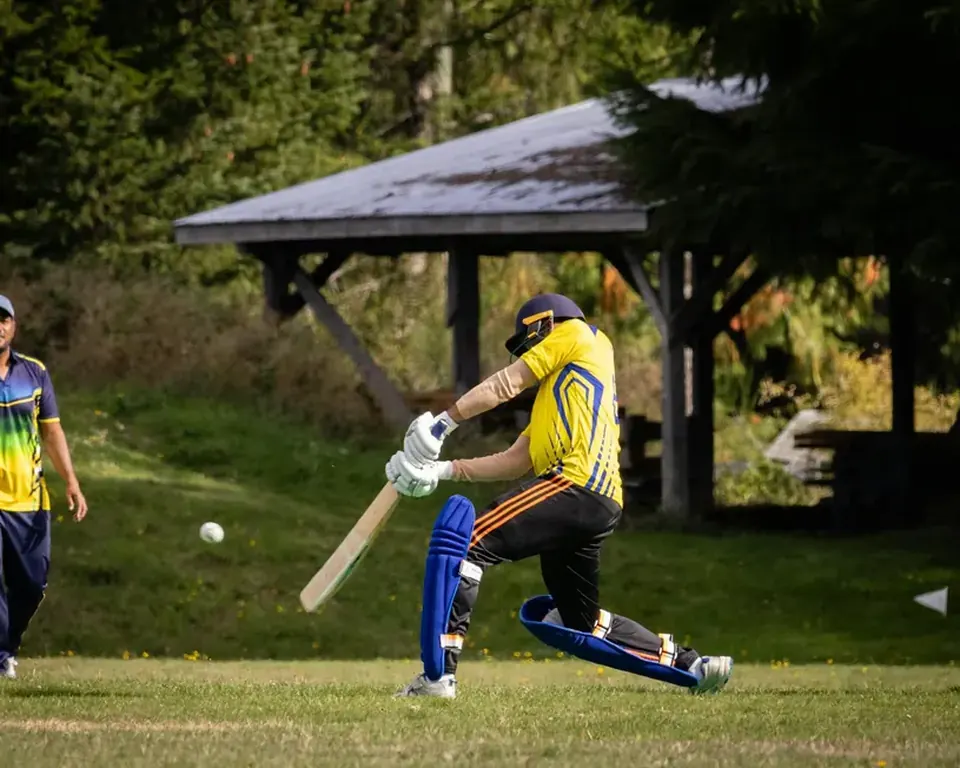
Reverse Sweep
A batting stroke where the batter reverses their stance—turning the bat over so the face points towards the off side—and sweeps the ball from outside off stump towards the leg side. In Australian rules football, a "reverse handball" involves turning the body 180 degrees to deliver the ball backwards under pressure, though the term "reverse sweep" is not used.Switch Hit
A premeditated or reactive change of grip and stance by the batter, effectively becoming a left-hander if originally right-handed, to play a shot through the off side. Unlike the reverse sweep, the switch hit involves swapping hands on the bat handle. In Aussie Rules, a "switch kick" refers to changing the angle of a kick mid-action, but it is not a direct equivalent.Sweep Shot
A conventional sweep played by bringing the bat from leg to off, keeping the bat face open. This is distinct from the reverse sweep, where the bat face is closed and the ball is directed to the opposite side. In AFL, a "sweep" describes a lateral kick across the ground to switch play, not a batting stroke.Paddle Sweep
A softer, more controlled version of the sweep shot, often played to fine leg or square leg. The reverse paddle sweep is a variation where the batter uses the reverse sweep technique but with a paddle-like wrist movement to guide the ball finer. In Aussie Rules, a "paddle" refers to a low, horizontal handball used in close quarters.Slog Sweep
A powerful, lofted sweep shot aimed over the leg side boundary. The reverse slog sweep is a high-risk variant where the batter reverse-sweeps with aggressive intent, often used in T20 cricket. In AFL, a "slog" describes a long, booming kick, but not in the context of a sweep.Reverse Sweep Grip
The specific hand placement required to execute a reverse sweep. The batter rotates the bat handle so the back of the top hand faces the bowler, and the bottom hand is turned over. In Aussie Rules, grip variations exist for handballing under pressure, but the term "reverse grip" is not standard.Inside-Out Shot
A shot played against spin where the batter moves outside off stump and drives the ball through the off side, often against the spin. While not a reverse sweep, it shares the element of using the bowler's angle. In AFL, "inside-out" describes a kick that curves away from the body.Reverse Sweep Footwork
The foot movement required to get into position for a reverse sweep. The batter typically steps back and across the crease, aligning the body to the line of the ball. In Aussie Rules, "footwork" refers to agility drills for evading tackles, not batting.Sweep vs Reverse Sweep Decision
The tactical choice between a conventional sweep and a reverse sweep, often based on the bowler's line, length, and the field placement. In Australian rules football, a similar decision-making process occurs when choosing between a handball and a kick under pressure.Reverse Sweep Timing
The precise moment the bat meets the ball, typically later than a conventional sweep to allow the ball to turn. Poor timing results in edges or misses. In AFL, "timing" is critical for marking contests and ruck work.Reverse Sweep Placement
The ability to direct the reverse sweep to specific field gaps—typically behind square on the leg side or through point. In Aussie Rules, "placement" refers to kicking to a leading teammate's chest.Reverse Sweep Against Pace
A rare but effective technique against fast bowlers, requiring split-second reactions and a low centre of gravity. In AFL, "against pace" describes a player running into an open goal under pressure.Reverse Sweep Against Spin
The most common context for the reverse sweep, used to counter off-spin bowlers who turn the ball into the batter. In Aussie Rules, "spin" refers to a ball's rotation after a bounce, not a bowling style.Reverse Sweep in Test Cricket
A high-risk, low-reward option in Test cricket, typically reserved for situations where the pitch is slow or the bowler is extracting turn. In the Sheffield Shield, some players have occasionally used it to disrupt bowling spells. In AFL, the equivalent would be a "dummy" or "fake" kick to wrong-foot an opponent.Reverse Sweep in Limited-Overs Cricket
A more common shot in ODIs and T20s, where run rates demand boundary options. In the Big Bash League, some players have popularized the reverse sweep as a scoring tool. In the WBBL, it is also used. In AFL, a "quick handball" in congested play serves a similar purpose of creating space.Reverse Sweep vs Switch Hit
A key distinction: the reverse sweep does not change the batter's handedness, while the switch hit does. In Australian rules football, a "switch" refers to changing the direction of play with a long kick, not a batting adjustment.Reverse Sweep Drills
Training exercises that simulate match conditions for the reverse sweep, often using a bowling machine or throwdowns. In AFL, "drills" include handball sequences and kicking under pressure.Reverse Sweep in Women's Cricket
Increasingly used in women's cricket, including the Women's Big Bash League and international matches. Some players have incorporated it into their repertoire. In AFLW, similar skills are developed for handballing under pressure.Reverse Sweep and Field Placements
How captains set fields to counter the reverse sweep, often by placing fielders in the deep on the leg side or at point. In Australian rules football, "field placements" are not applicable, but "zone defence" is a comparable concept.Reverse Sweep in Junior Cricket
A shot often discouraged at junior levels due to safety concerns and the risk of developing poor technique. In Aussie Rules, junior players are taught to avoid reverse handballs until they master the basic grip.Reverse Sweep and Umpiring
The reverse sweep is legal under MCC laws, provided the batter does not change their stance before the bowler's delivery stride. In AFL, umpires adjudicate on "incorrect disposal" if a handball is not cleanly executed.Reverse Sweep in The Ashes
A high-pressure shot in Ashes Test matches, where the reverse sweep has been used by Australian batters to unsettle English spinners. At the MCG and SCG, it has produced memorable moments. In AFL, the equivalent would be a "clutch" kick in a grand final.Reverse Sweep in the Border-Gavaskar Trophy
A shot often employed against Indian spinners on turning pitches. In the WACA Ground, the reverse sweep is less common due to pace and bounce. In AFL, the "Gavaskar" term is not used.Reverse Sweep and Mental Preparation
The psychological aspect of committing to a reverse sweep, including risk assessment and confidence. In AFL, "mental preparation" is crucial for set-shot kicking under pressure.Summary
The reverse sweep remains a specialized skill in cricket, demanding precise technique and tactical awareness. While its use varies across formats—from the cautious approach in Test series to the aggressive innovation in the Big Bash League—it reflects the evolving nature of batting. In Australian rules football, comparable skills like the reverse handball and switch kick serve similar functions of creating space and disrupting defensive structures. Understanding these terms enhances appreciation of both sports' technical nuances.
Reader Comments (1)