

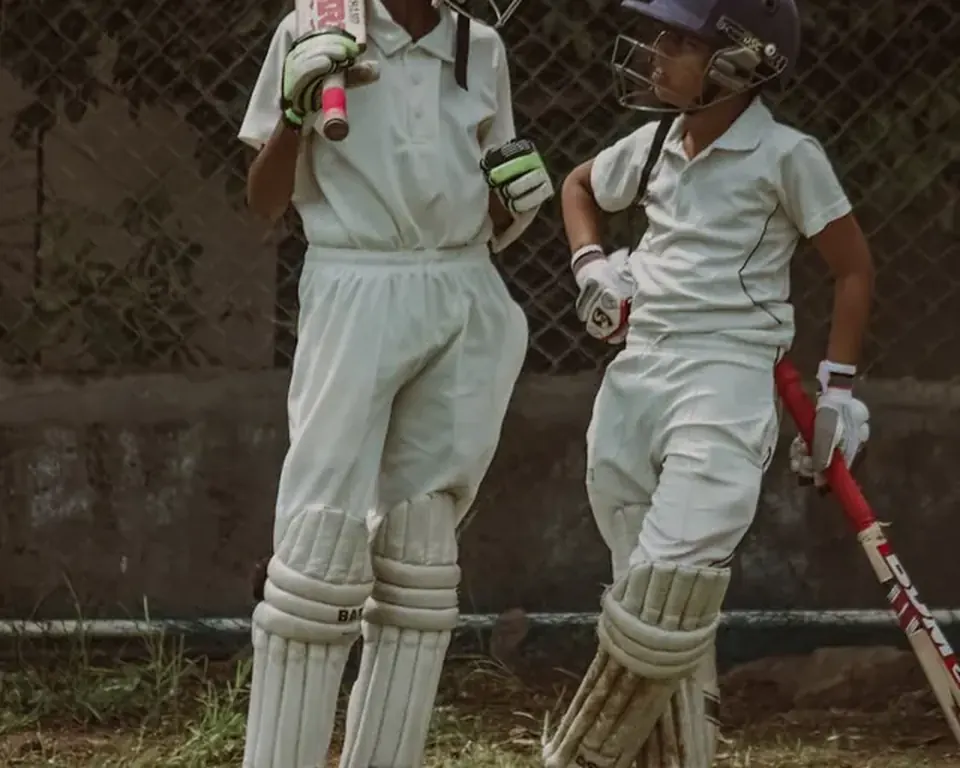
The landscape of women's cricket in Australia has undergone a remarkable transformation over the past decade, evolving from a niche pursuit into a mainstream sporting powerhouse that commands prime-time television slots, packed stadiums, and national pride. For the devoted Australian sports fan who tracks every delivery of the Ashes and every boundary in the Big Bash League, understanding the trajectory of women's cricket is no longer optional—it is essential. This pillar guide provides a comprehensive overview of the Women's Big Bash League (WBBL), the international women's schedule, and the structural developments shaping the game under Cricket Australia's stewardship.
The Rise of the Women's Big Bash League
The Women's Big Bash League, commonly abbreviated as WBBL, stands as the premier domestic Twenty20 competition for women in Australia. Since its inception in the 2015–16 season, the WBBL has been instrumental in elevating the profile of women's cricket, providing a professional platform for Australian talent and attracting international stars from England, India, New Zealand, and beyond.
Competition Structure and Format
The WBBL operates alongside the men's Big Bash League, sharing the summer window from October through December. Eight city-based franchises—Adelaide Strikers, Brisbane Heat, Hobart Hurricanes, Melbourne Renegades, Melbourne Stars, Perth Scorchers, Sydney Sixers, and Sydney Thunder—contest a round-robin format, culminating in finals series that determine the champion.
The competition has expanded from its original 59 matches to a more robust schedule in recent seasons, ensuring each team plays 14 regular-season fixtures. The finals format typically features a knockout structure: the top four teams advance to the finals, with the first and second seeds hosting qualifying finals, and the winners progressing to the championship decider.
Impact on Player Development
The WBBL has been a catalyst for player development, bridging the gap between grassroots participation and international representation. Young Australian cricketers now have a clear pathway: perform in junior competitions, earn a WBBL contract, and catch the selectors' eye for national duty. The league's high-performance environment—featuring world-class coaching, sports science support, and exposure to international opponents—has accelerated the technical and tactical growth of players who might otherwise have remained under the radar.
The WBBL has also provided a finishing school for Australia's international stars. Players like Ellyse Perry, Meg Lanning, Alyssa Healy, and Beth Mooney have used the competition to refine their skills, experiment with new strategies, and maintain match fitness during the domestic season. The league's success has directly contributed to Australia's sustained dominance in international women's cricket, including their multiple ICC Women's T20 World Cup triumphs.
International Women's Cricket: The Ashes and Beyond
The international women's calendar is anchored by the multi-format Ashes series, contested between Australia and England. Unlike the men's Ashes, which is a pure Test series, the women's Ashes employs a points-based system across three formats: one Test match, three One-Day Internationals (ODIs), and three Twenty20 Internationals (T20Is). A win in the Test earns four points, while victories in the limited-overs fixtures earn two points each. A draw in the Test awards two points to each side.
The Significance of the Women's Ashes
The Ashes series represents the pinnacle of women's Test cricket and carries enormous cultural weight in Australia. The rivalry between the Southern Stars (Australia's women's team) and England's women's team has produced some of the most compelling cricket of the modern era, with matches frequently decided by the finest margins. Memorable Ashes series have seen Australia retain the trophy in dramatic fashion, with Test matches producing thrilling finishes that captivate audiences on both sides of the world.
For Australian fans, the Ashes is more than a competition—it is a measure of national pride. The women's team has held the Ashes for an extended period, a streak that has become a source of sustained celebration and a benchmark for excellence in Australian sport. The series also serves as a showcase for the depth of talent in Australian women's cricket, with players like Ash Gardner, Tahlia McGrath, and Darcie Brown emerging as genuine superstars on the international stage.
Other International Series and Tournaments
Beyond the Ashes, Australia's women's team maintains a packed schedule of bilateral series against major cricketing nations. Series against India, New Zealand, South Africa, and the West Indies provide regular competition and help maintain Australia's position atop the ICC Women's Championship standings. These series are crucial for rankings points and for building squad depth ahead of major tournaments.
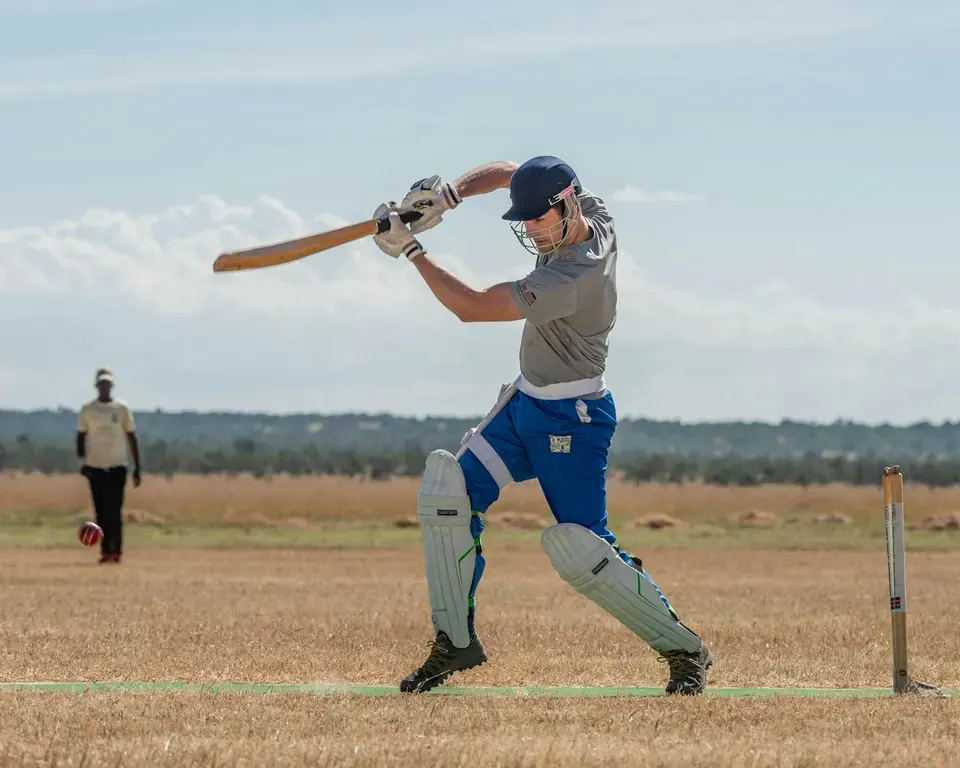
The ICC Women's T20 World Cup remains the ultimate prize in the shortest format. Australia's women have been a dominant force in this competition, winning the title on multiple occasions. One notable edition, held at the Melbourne Cricket Ground in front of a record crowd, stands as a watershed moment for women's cricket globally, demonstrating the commercial viability and public appetite for elite women's sport.
The Role of Cricket Australia in Women's Cricket
Cricket Australia has been a driving force behind the growth of women's cricket, implementing policies and investments that have transformed the sport. The board's commitment to gender equity is evident in its funding, governance, and strategic planning.
Investment and Professionalisation
Cricket Australia's decision to fully professionalise women's cricket was a landmark moment. The introduction of central contracts for Australia's women's players, along with increased match fees and improved conditions, ensured that elite female cricketers could pursue the sport as a full-time career. This professionalisation has had a direct impact on performance, with Australia's women's team maintaining an extraordinary win rate across all formats.
The board's investment extends beyond the national team. Cricket Australia has funded state-based development programs, increased the number of WBBL matches, and supported grassroots initiatives aimed at increasing female participation. The result has been a dramatic increase in the number of girls and women playing cricket at all levels, from junior competitions to senior club cricket.
Governance and Representation
Cricket Australia has also made strides in governance, with increased female representation on the board and in leadership positions within the organisation. The appointment of senior leadership and the presence of female directors on the board signal a commitment to diversity that extends beyond the playing field. These governance changes have helped ensure that women's cricket receives the attention and resources it deserves.
The Domestic Structure: From Sheffield Shield to WBBL
Understanding the pathway from grassroots to international cricket requires familiarity with Australia's domestic structure. While the Sheffield Shield remains the premier first-class competition for men, the women's equivalent is the Women's National Cricket League (WNCL), a 50-over competition contested by state teams. The WNCL provides the foundation for player development, with the WBBL serving as the elite T20 showcase.
The Women's National Cricket League
The WNCL features seven state and territory teams: Australian Capital Territory, New South Wales, Queensland, South Australia, Tasmania, Victoria, and Western Australia. The competition operates on a home-and-away basis, with the top teams advancing to finals. The WNCL is crucial for developing players for the longer format of the game and for preparing them for the rigours of international cricket.
The Link Between Domestic and International Cricket
The pathway from the WNCL to the WBBL to the national team is well-established. Players who perform consistently in the WNCL earn selection for WBBL franchises, where they compete against and alongside international stars. Outstanding performances in the WBBL then catch the eye of national selectors, leading to international call-ups. This seamless pathway has been a key factor in Australia's ability to produce a steady stream of talent.
Major Venues and Their Significance
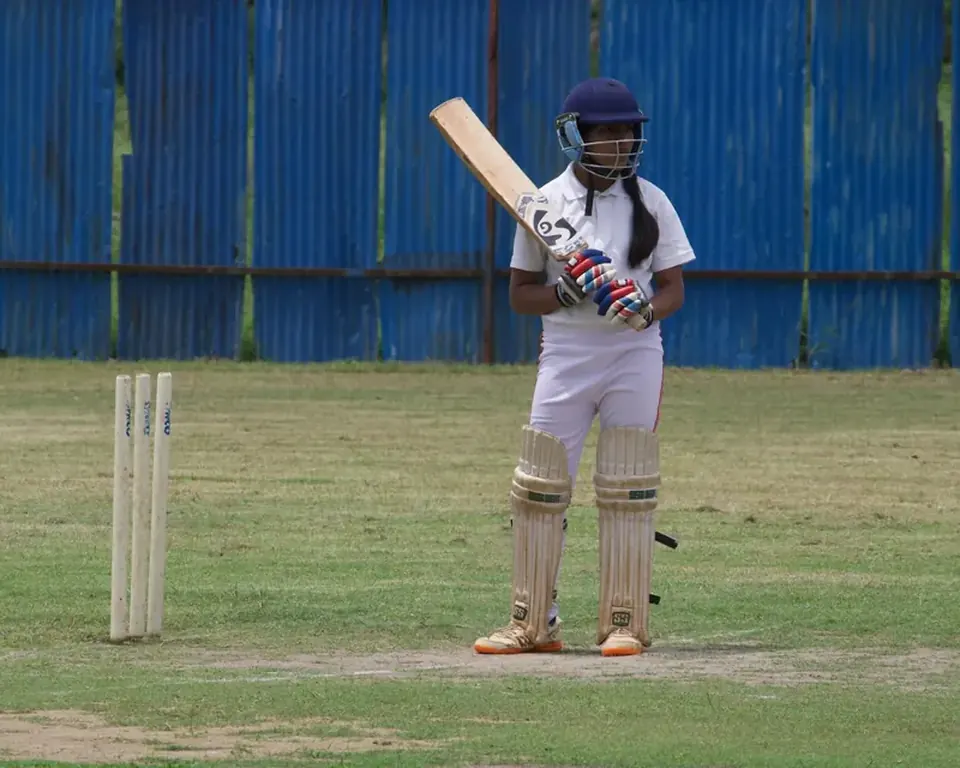
The venues that host women's cricket in Australia are steeped in history and tradition. The Melbourne Cricket Ground (MCG), with its capacity of over 100,000, has hosted some of the biggest moments in women's cricket, including a memorable T20 World Cup final. The Sydney Cricket Ground (SCG) and the WACA Ground in Perth have also been regular hosts for women's internationals and WBBL matches.
The MCG and Its Legacy
The MCG's role in women's cricket cannot be overstated. The ground's willingness to host women's matches, often as double-headers with men's games or as standalone events, has been instrumental in attracting crowds and media attention. A T20 World Cup final at the MCG remains one of the most-watched women's cricket matches in history, a testament to the venue's iconic status and the sport's growing appeal.
Regional Venues and Accessibility
Women's cricket has also benefited from matches staged at regional venues, bringing elite cricket to communities that might otherwise have limited access to live sport. Venues like North Sydney Oval, Junction Oval in Melbourne, and the WACA Ground have hosted WBBL matches and international fixtures, ensuring that the game's growth is distributed across the country.
The Future of Women's Cricket in Australia
The trajectory of women's cricket in Australia points toward continued growth and professionalisation. Cricket Australia's strategic vision outlines ambitious targets for participation, viewership, and commercial revenue. The board has committed to increasing the number of WBBL matches, improving player wages, and expanding the international calendar.
Challenges and Opportunities
Despite the progress, challenges remain. The scheduling of the WBBL, which overlaps with the men's Big Bash League and the international summer, creates competition for broadcast slots and spectator attention. Balancing the demands of domestic and international cricket, particularly with the increasing number of T20 leagues worldwide, will require careful management.
However, the opportunities are significant. The success of the WBBL has demonstrated that there is a substantial audience for women's cricket, particularly among younger demographics and families. The league's ability to attract international talent, combined with the depth of homegrown players, ensures that the quality of cricket will remain high. Future ICC Women's T20 World Cups scheduled to be hosted by Australia present further opportunities to showcase the sport on the global stage.
Conclusion: A Game for All Seasons
Women's cricket in Australia has come of age. From the early days of the WBBL, when matches were played in front of modest crowds, to the packed stadiums and prime-time television coverage of today, the journey has been remarkable. The Women's Big Bash League has transformed the domestic landscape, while the international team's dominance in the Ashes and T20 World Cups has cemented Australia's status as the world's leading cricket nation.
For the Australian sports fan, following women's cricket is no longer an afterthought—it is an essential part of the summer sporting calendar. Whether you are watching the WBBL finals from the stands at the MCG, tracking the points table as the season progresses, or cheering on the Southern Stars in an Ashes Test, the game offers drama, skill, and excitement in equal measure.
As Cricket Australia continues to invest in the women's game, the future looks bright. The next generation of players, inspired by the stars of today, will take the sport to even greater heights. For those who love cricket in all its forms, there has never been a better time to be a fan.
To explore more about the structures and competitions that shape Australian cricket, consider reading our guides on clubs and competitions, the pathways available in junior competitions, and the importance of preseason tournaments in developing elite talent.
Reader Comments (0)