

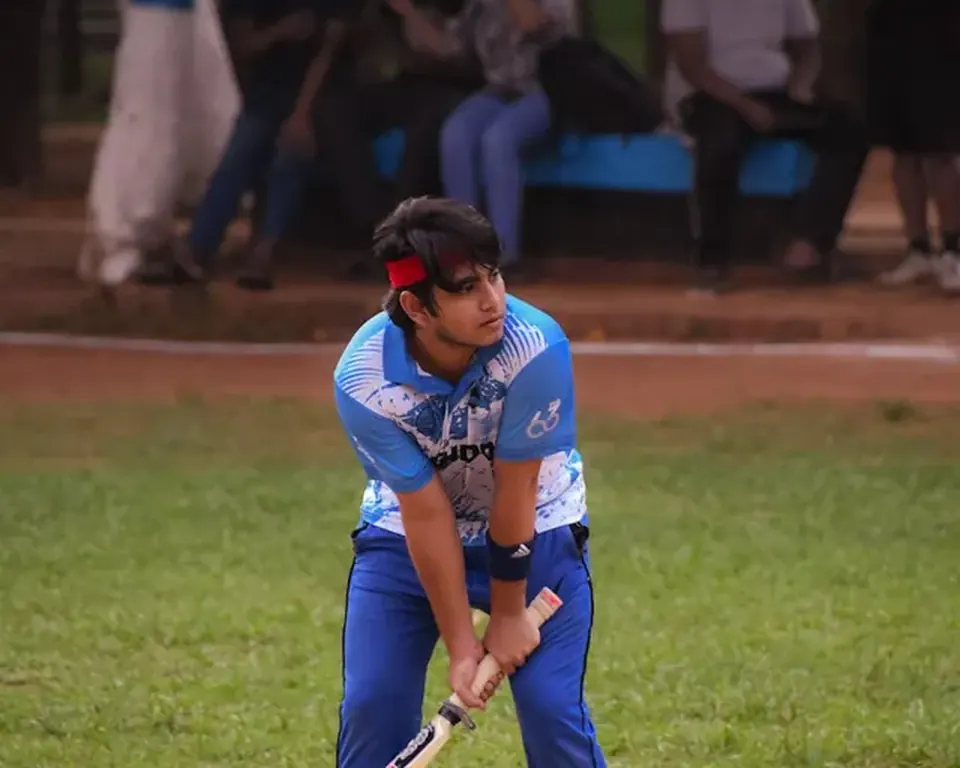
From the hallowed turf of the Melbourne Cricket Ground to the suburban nets of regional Queensland, the journey of a young cricketer in Australia is one of dedication, discipline, and deliberate practice. The path to representing Australia in The Ashes, dominating the Big Bash League, or earning a Baggy Green cap begins not with talent alone, but with structured, intelligent training programs that develop technical skill, tactical awareness, and physical resilience.
In this comprehensive guide, we explore the essential components of training programs for young cricketers across Australia. Whether you're a parent supporting a budding all-rounder, a coach designing session plans, or a young player aspiring to follow in the footsteps of Pat Cummins, Steve Smith, or David Warner, understanding the framework of effective cricket development is crucial.
The Foundation: Why Structured Training Matters for Young Cricketers
Australian cricket has a proud tradition of producing world-class talent. The pathway from junior club cricket through the Sheffield Shield ranks to international honours is well-established, but it requires more than natural ability. Young cricketers who engage with structured training programs develop:
- Technical consistency: Repeatable, efficient batting and bowling actions
- Tactical intelligence: Understanding game situations, field placements, and match strategy
- Physical resilience: Injury prevention and conditioning appropriate for growing bodies
- Mental toughness: Concentration, composure under pressure, and recovery from setbacks
Age-Appropriate Training Phases
Foundation Phase (Ages 8-12): Fun, Fundamentals, and Movement
At this stage, the priority is developing a love for the game while establishing basic movement patterns. Cricket Australia's junior pathways emphasise:
- Modified games: Kanga Cricket, In2Cricket, and other formats that maximise participation
- Basic skill acquisition: Grip, stance, and simple bowling actions
- Multi-sport involvement: Avoiding early specialisation to develop athleticism
- Game awareness: Understanding runs, wickets, and basic fielding positions
Development Phase (Ages 13-16): Technical Refinement and Physical Preparation
As players enter their teenage years, training becomes more structured. This is the period when many future Sheffield Shield and Big Bash League stars begin to emerge. Key focus areas include:
- Batting technique: Developing a solid defensive foundation before expanding stroke play
- Bowling actions: Establishing repeatable, injury-resistant biomechanics
- Fielding specialisation: Position-specific drills for slip catching, ground fielding, and throwing
- Strength and conditioning: Bodyweight exercises, core stability, and flexibility work
Performance Phase (Ages 17-20): High-Performance Preparation
This phase bridges junior cricket and senior competition. Players in this bracket are often involved in Cricket Australia's development pathways, state under-age programs, or grade cricket. Training becomes more specific:
- Position-specific training: Tailored programs for batsmen, pace bowlers, spinners, and wicketkeepers
- Match simulation: Practice matches and scenario-based training
- Mental skills training: Visualisation, breathing techniques, and performance routines
- Advanced conditioning: Strength training, speed work, and injury prevention protocols
Core Training Components for Young Cricketers
Batting: Building a Reliable Technique
A young batsman's training program should prioritise:
Technical fundamentals:
- Grip and stance (neutral, open, or closed depending on natural style)
- Head position and balance at point of contact
- Footwork patterns for different deliveries
- Shot selection based on line and length
- Throwdowns and side-arm bowling for volume of deliveries
- Bowling machine work for specific line and length challenges
- Net sessions with varied bowling styles
- Video analysis to identify technical flaws
Bowling: Technique, Workload Management, and Variety
For young bowlers, training must balance skill development with injury prevention. Key considerations include:
Pace bowlers:
- Run-up consistency and rhythm
- Front arm position and hip drive
- Follow-through and landing mechanics
- Workload progression (gradual increase in overs bowled)
- Grip variations (off-spin, leg-spin, doosra, googly)
- Flight, drift, and dip
- Bowling to different fields and game situations
- Developing a "stock ball" before adding variations
Fielding: The Non-Negotiable Skill
In modern Australian cricket, fielding is no longer an afterthought. The athletic standards set by the national team, particularly in the Big Bash League and Women's Big Bash League, have raised expectations at all levels. Young cricketers should dedicate significant training time to:
- Catching: High catches, slip catches, close-in catching
- Ground fielding: Long barrier, sliding, and diving techniques
- Throwing: Accuracy, power, and quick release
- Agility work: Lateral movement, acceleration, and change of direction
Wicketkeeping: A Specialised Craft
Young wicketkeepers require dedicated training that mirrors the demands of match conditions. Training programs should include:
- Stance and movement: Efficient footwork for standing back and up to the stumps
- Glove work: Soft hands for taking catches, hard hands for stumpings
- Footwork drills: Lateral movement, forward and backward adjustment
- Game awareness: Reading the bowler, anticipating edges, and communicating with the field
Physical Conditioning for Young Cricketers
Strength and Power Development
Young cricketers need to develop strength that supports their cricket skills without compromising growth and development. Appropriate training includes:
- Bodyweight exercises: Push-ups, pull-ups, squats, lunges
- Core stability: Planks, rotations, anti-rotation exercises
- Medicine ball work: Rotational throws for batting power
- Resistance band exercises: Shoulder and hip strengthening
Speed and Agility
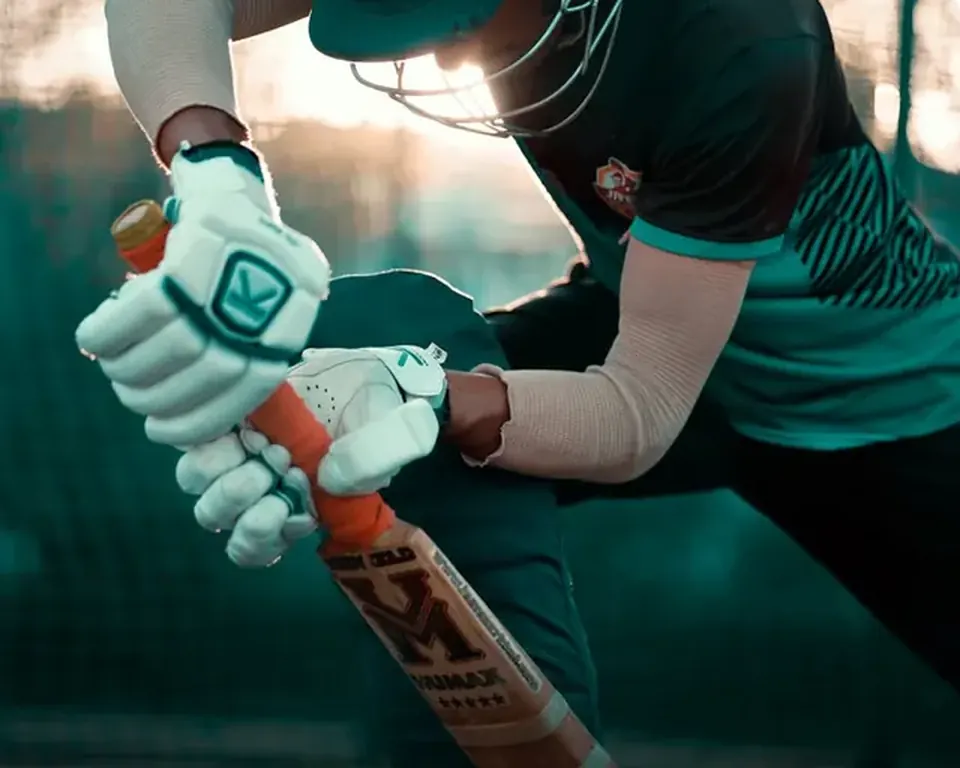
The ability to accelerate between wickets, cover ground in the field, and generate bat speed comes from targeted training:
- Sprint mechanics: Acceleration drills, change of direction
- Agility ladder work: Foot speed and coordination
- Plyometrics: Box jumps, bounding (age-appropriate progression)
Flexibility and Mobility
Cricket requires a wide range of motion, particularly for bowlers and batsmen. Regular stretching and mobility work helps prevent injury:
- Dynamic stretching: Before training and matches
- Static stretching: Post-session recovery
- Yoga or Pilates: Many young cricketers now incorporate these for flexibility and body awareness
Injury Prevention
Common cricket injuries in young players include back stress fractures (particularly in pace bowlers), shoulder issues, and hamstring strains. Prevention strategies include:
- Bowling workload management: Following Cricket Australia's guidelines for age-appropriate overs
- Cross-training: Swimming, cycling, or other low-impact activities
- Proper warm-up and cool-down: Non-negotiable parts of every session
- Listening to the body: Understanding when to rest and when to push
Mental Skills and Game Intelligence
Developing Cricket IQ
Young cricketers who progress to the highest levels—whether representing Australia in The Ashes or starring in the Big Bash League—possess not just physical skills but exceptional game intelligence. Training programs should develop:
- Situation awareness: Understanding required run rates, partnership building, and bowling changes
- Decision-making: Shot selection, bowling plans, and field placements
- Adaptability: Adjusting to different conditions, opposition, and match situations
- Game analysis: Watching and learning from elite players
Mental Toughness and Resilience
The ability to perform under pressure separates good cricketers from great ones. Mental skills training includes:
- Breathing techniques: For managing nerves and maintaining focus
- Visualisation: Seeing successful outcomes before they happen
- Routine development: Pre-ball routines for batting, bowling, and fielding
- Recovery skills: Bouncing back from dropped catches, poor shots, or expensive overs
Concentration and Focus
Cricket is a game of extended periods of concentration punctuated by brief moments of intensity. Young players need to train their focus:
- Meditation and mindfulness: Increasingly used by elite cricketers
- Concentration drills: Extended catching sessions, long net blocks
- Distraction training: Practicing with background noise or in match-like conditions
Training Program Structure: A Weekly Template
While individual programs vary based on age, position, and goals, a well-rounded weekly training schedule for a young cricketer in the development or performance phase might look like:
Monday: Technical batting session (60 minutes) + strength training (45 minutes) Tuesday: Bowling practice (45 minutes) + fielding drills (30 minutes) + agility work (20 minutes) Wednesday: Match simulation or game sense training (90 minutes) Thursday: Rest or light recovery (stretching, swimming) Friday: Technical refinement (focus on weaknesses) + speed work (30 minutes) Saturday: Club or school match Sunday: Active recovery (light jog, stretching) + game analysis (watching professional cricket)
This template can be adjusted based on the season, with pre-season focusing more on conditioning and technical work, and in-season maintaining skills while managing match workloads.
The Role of Technology in Training
Modern young cricketers have access to tools that previous generations could only dream of. Technology enhances training programs through:
- Video analysis: Slow-motion playback of batting and bowling actions
- Bowling machines: Consistent delivery at variable speeds and lengths
- Smart sensors: Measuring bat speed, ball release, and bowling workload
- Data tracking: Monitoring training volume, intensity, and progress
Nutrition and Recovery
Fueling Performance
Young cricketers need adequate nutrition to support training, growth, and match performance. Key principles include:
- Carbohydrates: For energy during long training sessions and matches
- Protein: For muscle repair and development
- Hydration: Particularly important in Australian summer conditions
- Timing: Eating appropriately before, during, and after activity
Sleep and Recovery
Recovery is when the body adapts to training. Young cricketers should prioritise:
- Sleep quantity: 8-10 hours per night for teenagers
- Sleep quality: Consistent bedtime routines, limited screen time before bed
- Active recovery: Light activity on rest days
- Ice baths and compression: For managing muscle soreness after heavy training
Pathway to Elite Cricket
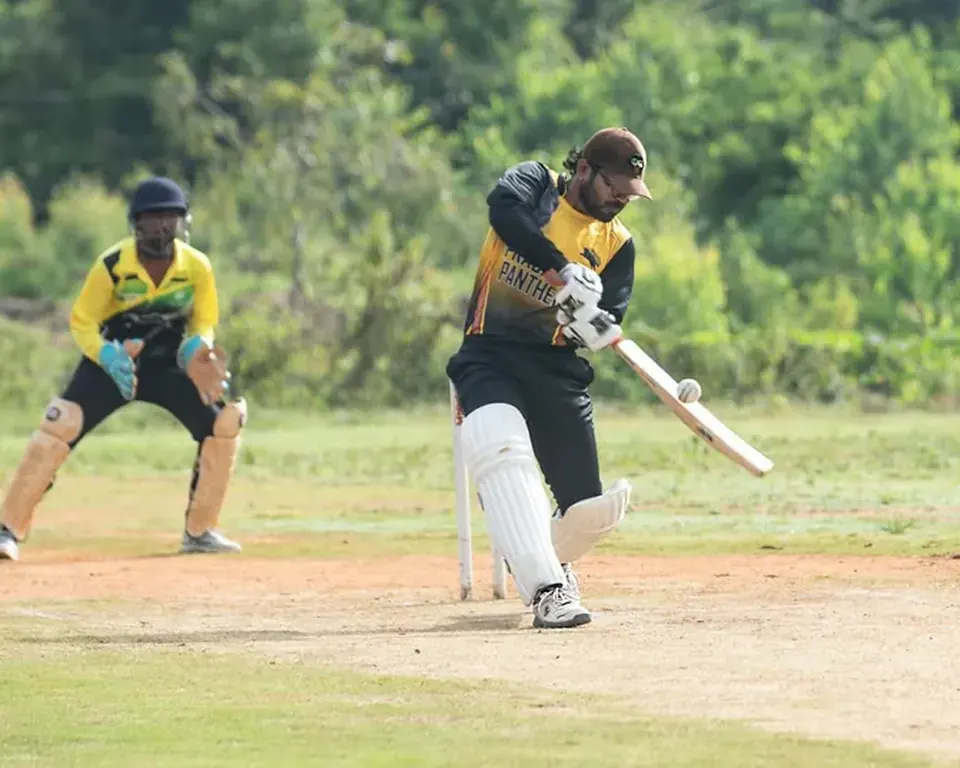
For young cricketers with aspirations of playing in the Sheffield Shield, representing Australia in Test series, or featuring in the Big Bash League, understanding the pathway is important:
- Junior club cricket: The foundation of Australian cricket
- Representative programs: District, regional, and state under-age teams
- Cricket Australia development pathways: National under-age championships, academy programs
- Grade cricket: Senior club cricket, often against former professionals
- State second XI and Futures League: Bridge to first-class cricket
- Sheffield Shield and one-day competitions: State-level professional cricket
- Big Bash League: Domestic T20 competition
- International cricket: The ultimate goal
Common Mistakes in Young Cricketers' Training
Over-specialisation Too Early
Some young cricketers focus exclusively on cricket from a young age, missing the athletic development benefits of other sports. Multi-sport participation through early teenage years typically produces more well-rounded athletes.
Volume Over Quality
Long net sessions can reinforce poor technique if fatigue sets in. Shorter, focused sessions with clear objectives are more effective than hours of mindless practice.
Neglecting Weaknesses
It's natural to practice what we enjoy, but young cricketers should spend significant time on their weaker areas. A batsman who avoids spin bowling in the nets will struggle when facing quality spinners in the Sheffield Shield.
Ignoring Recovery
Young athletes often want to train every day, but rest is when improvement happens. Overtraining leads to injury, burnout, and stunted development.
The Role of Parents and Coaches
For Parents
Supporting a young cricketer requires balance:
- Encourage without pressure: The game should remain enjoyable
- Provide opportunities: Access to coaching, facilities, and competition
- Model good behaviour: Respect for umpires, opponents, and the game
- Monitor wellbeing: Watch for signs of burnout or excessive pressure
For Coaches
Effective coaching of young cricketers involves:
- Individualised approach: Recognising that each player develops differently
- Positive reinforcement: Building confidence through success
- Technical knowledge: Understanding modern coaching methods
- Communication: Clear instructions and constructive feedback
Looking Ahead: The Future of Young Cricketers' Training
Australian cricket continues to evolve, and training programs must adapt. Emerging trends include:
- Greater emphasis on T20 skills: Reflecting the growth of the Big Bash League and ICC Men's T20 World Cup demands
- Women's cricket development: The Women's Big Bash League and increased investment in female pathways
- Sports science integration: Better understanding of biomechanics, nutrition, and recovery
- Mental health awareness: Supporting young athletes' psychological wellbeing alongside physical development
Conclusion: Your Journey Starts Here
Whether you're a young cricketer dreaming of walking out at the Sydney Cricket Ground, a coach shaping the next generation of talent, or a parent supporting a child's passion, the principles outlined in this guide provide a framework for development.
The best training programs combine technical excellence with physical preparation, mental toughness, and genuine love for the game. They recognise that every player's journey is unique, but the fundamentals remain constant.
For more guidance on developing your cricket skills and understanding the tactical side of the game, explore our related resources on tactics and training. You might also find value in our guides to boundary-saving techniques and fielding exercises for quick reflexes, which can be incorporated into your training program.
Remember: every elite cricketer—from Pat Cummins to Steve Smith to David Warner—started where you are now. With consistent, intelligent training and a passion for the game, the possibilities are endless. Get to the nets, work on your craft, and enjoy the journey that Australian cricket offers.
Reader Comments (0)