

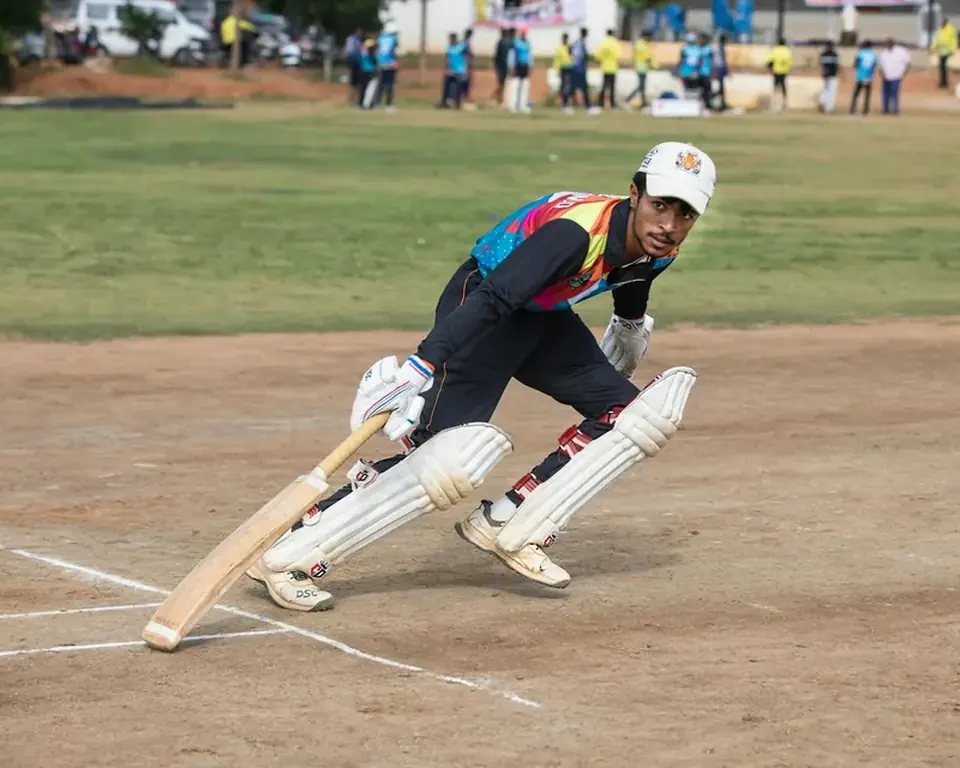
If you’ve ever spent a long day in the field under an Australian summer sun, you know the struggle. The glare bouncing off the WACA Ground, the dust kicking up at the SCG, or the late-afternoon shadows at the MCG—it’s not just uncomfortable; it can be dangerous. For cricketers across the country, from backyard nets to the Big Bash League, the right pair of cricket sunglasses isn’t a luxury. It’s essential gear.
In this guide, we’re diving deep into what makes cricket sunglasses for fielding in Australia so important. We’ll cover why you need them, what to look for, how they differ from regular sunnies, and which features matter most when you’re tracking a ball at cover or waiting for a catch at deep square leg. Whether you’re a weekend warrior or dreaming of representing Australia in a Test series, this is your go-to resource.
Why Cricket Sunglasses Matter for Fielding
Let’s be honest: fielding is hard enough without squinting into the sun. But the benefits of proper cricket sunglasses go way beyond comfort.
Protecting Your Eyes from UV Damage
Australia has one of the highest rates of skin cancer in the world, and your eyes are just as vulnerable to UV radiation. Long hours in the field—especially during a Sheffield Shield match or a full day of a Test series—mean prolonged exposure. Many sports organisations recommend all players, from juniors to professionals, wear protective eyewear. Good cricket sunglasses block 100% of UVA and UVB rays, reducing the risk of cataracts and macular degeneration later in life.
Reducing Glare for Better Vision
Glare from the sun can make it nearly impossible to read the ball off the bat. That split-second delay can be the difference between a clean catch and a dropped sitter. Polarised lenses cut through reflected light, especially from grass or the pitch, giving you a clearer view. Many top players use tinted lenses during day games to enhance contrast and track the ball more effectively.
Preventing Eye Injuries
Cricket is a fast sport. A ball hit at 140 km/h can cause serious damage if it connects with your eye. While sunglasses aren’t a substitute for a helmet, they do provide a layer of protection against flying debris, dust, and even the occasional wild throw. For fielders in close positions—like silly point or short leg—this extra barrier is invaluable.
Key Features to Look for in Cricket Sunglasses
Not all sunglasses are created equal. Here’s what to prioritise when shopping for cricket-specific eyewear.
Lens Technology: Polarisation and Tint
Polarised lenses are the gold standard for fielding. They cut glare and improve depth perception, which is crucial when judging a high ball or reading the spin off the pitch. For Australian conditions, consider these tints:
- Grey or smoke: Neutral tint, excellent for bright, sunny days. Reduces overall brightness without distorting colours.
- Brown or copper: Enhances contrast, great for overcast conditions or twilight games. Popular in the Big Bash League.
- Yellow or amber: Boosts visibility in low light, useful for evening matches or indoor nets.
Frame Durability and Fit
Cricket involves a lot of movement—running, diving, sliding. Your sunglasses need to stay put. Look for:
- Wrap-around frames: These hug your face, reducing wind and dust entry.
- Rubber nose pads and temple grips: Prevent slipping when you sweat.
- Lightweight materials: Polycarbonate or TR-90 frames are tough but comfortable for long wear.
Impact Resistance
Polycarbonate lenses are shatterproof and meet impact standards set by organisations like the Australian Standards for sports eyewear. If you’re fielding in the ring or at backward point, impact resistance isn’t optional—it’s a must.
Prescription Options
If you wear glasses, don’t settle for clip-ons. Many brands now offer prescription cricket sunglasses with the same lens technology. You can get custom-made lenses that match your prescription and still offer polarisation and UV protection.
How Cricket Sunglasses Differ from Regular Sunglasses
You might be tempted to grab your favourite pair of Ray-Bans and hit the field. Don’t. Regular sunglasses are designed for casual wear, not high-intensity sport.
| Feature | Regular Sunglasses | Cricket Sunglasses |
|---|---|---|
| Lens material | Glass or standard plastic | Polycarbonate or Trivex (impact-resistant) |
| Polarisation | Often optional | Standard in most cricket models |
| Frame grip | Minimal | Rubberised, wraparound, anti-slip |
| Ventilation | Poor | Anti-fog vents |
| Durability | Moderate | High (designed for drops, sweat, dust) |
| Prescription options | Limited | Full customisation |
In short, cricket sunglasses are built to handle the unique demands of the game. They won’t fog up during a hot day at the MCG. They won’t slide off your face when you dive for a catch. And they won’t shatter if a ball clips them.
Top Brands and Models for Australian Conditions
The Australian market has several excellent options. Here are the standout brands and models that cricketers trust.
Oakley Radar EV Path
Oakley is a favourite among professional cricketers. The Radar EV Path features:
- Prizm lens technology: Enhances colour and contrast specifically for sports.
- Unobtainium earsocks and nose pads: Grip increases with sweat.
- Switchlock technology: Easy lens swapping for changing light conditions.
Nike Wingman
Nike’s Wingman sunglasses are lightweight and durable. They come with:
- Max Optics: Minimises distortion.
- Ventilated lenses: Reduce fogging.
- Adjustable temple arms: Custom fit for different head shapes.
Bolle Vigilance
Bolle is known for its safety eyewear, and the Vigilance model is a solid choice for cricket. Features include:
- Double injection rubber temples: Secure fit.
- Anti-fog coating: Essential for humid conditions.
- Category 3 lenses: Maximum UV protection.
Rawlings R-Core
Rawlings, a brand synonymous with cricket gear, offers the R-Core series. These are:
- Designed for cricket: Specifically tested for ball impact.
- Interchangeable lenses: Adapt to different light.
- Wrap-around design: Blocks peripheral glare.
Choosing the Right Tint for Different Conditions
Australia’s weather is unpredictable. One day you’re fielding under a blazing sun at the WACA Ground; the next, you’re under grey skies at the SCG. Having the right lens tint can make all the difference.
Bright, Sunny Days
- Grey or smoke: Reduces brightness without colour distortion.
- Brown/copper: Enhances contrast, good for tracking the ball against green grass.
Overcast or Cloudy Conditions
- Yellow or amber: Boosts contrast and depth perception in low light.
- Clear lenses with UV coating: If it’s really dark, clear lenses still protect your eyes.
Twilight or Day-Night Matches
- Rose or vermilion: Improves contrast in fading light.
- Photochromic lenses: Automatically adjust tint based on light levels. Expensive but versatile.
Prescription Cricket Sunglasses: What You Need to Know
If you wear prescription glasses, you don’t have to miss out on the benefits of cricket sunglasses. Here’s how to get the right pair.
Custom Lenses
Many brands offer custom prescription lenses for their sports frames. You provide your prescription, and they cut the lens to match. Expect to pay a premium—$200 to $500 extra—but the clarity is worth it.
Contact Lenses
A cheaper alternative is to wear contact lenses under standard cricket sunglasses. This works well for most players, but if you have astigmatism or dry eyes, contacts can be uncomfortable during long fielding sessions.
Ready-Made Prescription Sports Glasses
Some brands, like Oakley and Nike, offer pre-made prescription options with basic tints. These are less customisable but more affordable.
Care and Maintenance Tips for Cricket Sunglasses
Your cricket sunglasses are an investment. Treat them right, and they’ll last for seasons.
Cleaning
- Use a microfiber cloth: Avoid tissues or paper towels, which can scratch lenses.
- Lens cleaning spray: Water and a drop of dish soap work in a pinch.
- Avoid alcohol-based wipes: They can damage lens coatings.
Storage
- Hard case: Always store your sunglasses in a hard case when not in use.
- Avoid leaving them in the car: Heat can warp frames and damage lens coatings.
- Keep them away from chemicals: Sunscreen, insect repellent, and sweat can degrade frame materials over time.
Replacement
- Check for scratches: Even small scratches can affect vision. Replace lenses if they’re compromised.
- Replace nose pads and temple grips: These wear out faster than the frame. Most brands sell replacement parts.
Common Mistakes When Buying Cricket Sunglasses
Avoid these pitfalls to get the most out your purchase.
Mistake 1: Buying Fashion Sunglasses
As we covered, regular sunglasses aren’t built for sport. They’ll fog up, slip off, and might shatter on impact.
Mistake 2: Ignoring Fit
Sunglasses that don’t fit properly will distract you. Always try them on before buying, or order from a brand with a good return policy.
Mistake 3: Choosing the Wrong Tint
A dark tint might look cool, but if it’s too dark for overcast conditions, you’ll struggle to see the ball. Consider interchangeable lenses.
Mistake 4: Skipping Polarisation
Some players think polarisation is unnecessary. It’s not. It reduces glare and improves depth perception, which is critical for fielding.
Mistake 5: Not Getting Prescription Lenses
If you need glasses, don’t wear contacts just to save money. Prescription cricket sunglasses are available and worth the investment.
Where to Buy Cricket Sunglasses in Australia
You have several options for purchasing cricket-specific eyewear.
Online Retailers
- Cricket Direct Australia: Stocks Oakley, Nike, and Rawlings.
- Sports Sunglasses Australia: Specialises in prescription sports eyewear.
- Amazon Australia: Wide selection, but check reviews for authenticity.
Physical Stores
- Rebel Sport: Carries popular brands like Oakley and Nike.
- Sunglass Hut: Limited range for cricket, but good for trying on frames.
- Specialty cricket stores: In Melbourne and Sydney, stores like Cricket World or The Cricket Shop stock cricket-specific gear.
Professional Fitting
For prescription lenses, visit an optometrist who specialises in sports eyewear. They can measure your pupillary distance and ensure the lenses are centred correctly.
Final Thoughts: Your Eyes Are Worth It
Fielding under the Australian sun is a test of skill, concentration, and endurance. The right pair of cricket sunglasses can make that test a little easier—and a lot safer. Whether you’re playing in a backyard game, a club match, or dreaming of the MCG, don’t cut corners on eye protection.
From polarised lenses to impact-resistant frames, the features we’ve covered will help you choose a pair that suits your game. Remember, the best sunglasses are the ones you actually wear. So find a pair that fits well, looks good, and performs under pressure.
If you’re ready to upgrade your fielding gear, check out our other guides on protective gear and cricket shoe spikes vs blades to complete your kit. And if you’re still exploring options, our gear and equipment hub has everything you need to make informed decisions.
Now get out there, keep your eyes on the ball—and keep them protected.
Reader Comments (0)