

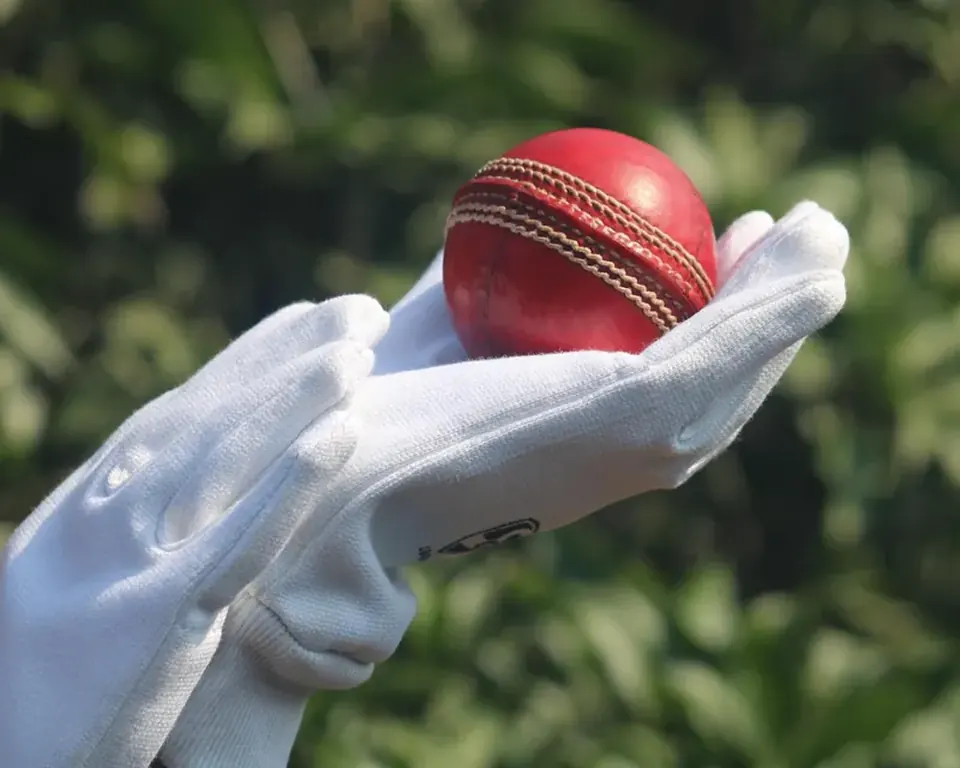
Bowling Action Improvement Tips
A smooth, repeatable, and efficient bowling action is the bedrock of success in Australian cricket, whether you're steaming in for your club on a Saturday, aspiring to a higher level, or simply trying to improve your consistency in the nets. However, even the most talented bowlers can fall into technical traps that limit pace, accuracy, and longevity. This troubleshooting guide addresses common mechanical flaws and provides practical, safe solutions to help you refine your action and bowl with greater control and reduced injury risk.
Problem 1: Losing Pace and Bounce – The "Slinging" or Round-Arm Action
Symptoms: The ball feels flat off the pitch, lacks bounce, and you struggle to extract life from the wicket. Your arm slot is below shoulder height at release.Causes: A low, slinging action often stems from a lack of shoulder rotation or an over-rotated hip drive. This can be a compensation for poor core stability or a desire to "muscle" the ball, rather than using the full height of your delivery stride. It can also be a learned habit from junior cricket where the ball was too heavy.
Solution:
- Video Analysis: Record your action from the side (non-bowling arm side). Pause at the point of release. Your bowling arm should be at or just above your ear, not at your shoulder.
- The "Knee Drive" Drill: In your delivery stride, focus on driving your front knee towards the target. This helps align your torso and encourages a higher arm slot. Do this without a ball for 10 reps.
- Wall Drill: Stand side-on to a wall, one metre away. With your non-bowling arm pointing at the target (the wall), practice your bowling arm action. The goal is to brush the wall with your elbow at the top of your arc. This reinforces a high, vertical arm path.
- Progress: Start with slow, shadow bowling. Then bowl at 50% effort, focusing on the high arm. Do not chase pace until the arm slot is consistently high.
Problem 2: Inconsistent Line and Length – The "Flopping" Front Arm
Symptoms: You spray the ball—sometimes short, sometimes full, sometimes down the leg side. You feel like you have no control over where the ball lands.Causes: The most common culprit is a weak or "floppy" non-bowling arm. This arm is your primary steering wheel. If it drops, pulls away, or collapses too early, your shoulders open up prematurely, and your release point becomes erratic.
Solution:
- The "Point and Pull" Drill: In your run-up, consciously point your non-bowling hand at the target (the top of off stump). Keep it there for as long as possible. As you enter your delivery stride, pull that arm down and back hard towards your hip.
- Mirror Work: In front of a mirror, practice your delivery stride. Watch your non-bowling arm. It should remain high and pointing at the target until your front foot lands. Then, it should be pulled down forcefully.
- Tennis Ball Drill: Bowl with a tennis ball. The lighter ball exaggerates the effect of a poor front arm. If your front arm drops, the ball will go high or wide. This provides instant, clear feedback.
- Check Your Grip: Ensure your fingers are not too tight on the seam. A tense grip can cause your front arm to tighten and drop. Relax your hand.
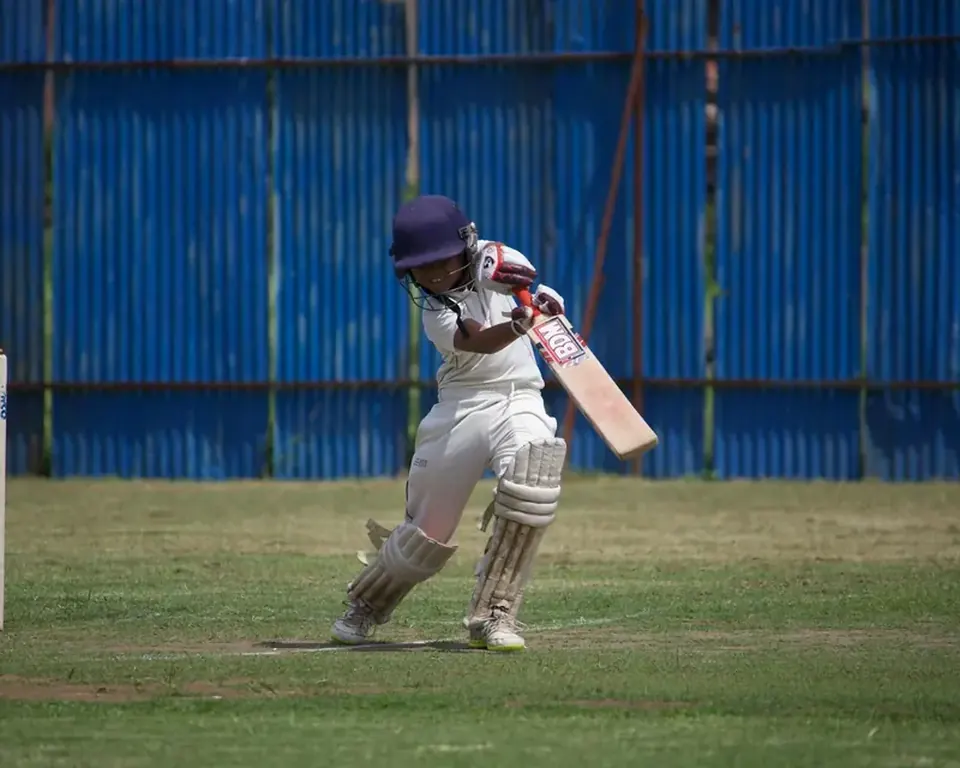
Problem 3: Chronic No-Balls – The Over-Striding/Landing Problem
Symptoms: You are consistently overstepping the popping crease, or you are landing with your front foot in the air, leading to front-foot no-balls. This is a critical issue in competitive cricket where every extra run matters.Causes: This is usually a run-up or delivery stride length issue. You might be taking too long a last stride, or your run-up is too fast, causing you to "over-reach" to get the ball to the target. Sometimes, it’s a simple case of not measuring your run-up correctly.
Solution:
- Measure Your Run-Up: On a practice wicket, mark your run-up from the crease. Start with 15 steps. Adjust until you feel you are landing with your front foot a comfortable 6-12 inches behind the line.
- The "Landing Zone" Drill: Place a small cone or marker exactly where your front foot should land. Bowl 10 deliveries, aiming to land on that spot every time. Do not look at the crease; look at the cone.
- Shorten Your Stride: If you are over-striding, consciously shorten your last two strides. Think "quick feet" into the crease. A shorter, more balanced stride gives you more control.
- Check Your Head Position: If your head is falling away to the off side in your delivery stride, your front foot will often follow. Keep your head upright and over your front knee.
Problem 4: Back Pain or Soreness – The "Collapsing" Front Leg
Symptoms: You experience lower back pain (specifically on the non-bowling arm side) after bowling, or you feel a "jarring" sensation as you land.Causes: This is a classic biomechanical error. Instead of a firm, braced front leg, you are allowing your knee to buckle or "collapse" outwards. This transfers the force of your delivery directly into your lower back and hip, rather than through your leg and into the ground.
Solution:
- The "Straight Leg" Drill: In your delivery stride, focus on keeping your front leg straight (not locked, but firm) as your foot lands. Imagine you are driving your front heel into the ground.
- Strength Work: Off the field, focus on single-leg strength. Lunges, Bulgarian split squats, and single-leg deadlifts will build the stability needed to keep that front leg strong.
- Check Your Alignment: Your front foot should point roughly down the pitch. If it is pointing towards the slips, your knee will naturally collapse. Use a chalk line or a marker to ensure your toes are pointing at the target.
- Reduce Pace: If you are experiencing pain, reduce your pace to 70% and focus on the braced leg. Do not bowl through pain. If the pain persists, seek advice from a qualified physiotherapist or accredited coach.
Problem 5: The "Chucking" or Throwing Action – Suspect Arm Bend
Symptoms: You are called for throwing (a "no-ball" for an illegal action) or you feel like your arm is "whipping" the ball rather than bowling it. This is a serious issue that can affect your career at any level.Causes: The most common cause is a "double-bend" or "hyperextension" of the bowling arm. The elbow bends beyond the legal limit during the delivery. This can be a natural flexibility issue or a learned habit from trying to generate extra pace.
Solution:
- Self-Assessment: Record your action from the side and from behind. Pause the video at the point of release. Does your elbow straighten significantly? If it looks like a "whip," it likely is.
- The "Straight Arm" Drill: Bowl with a straight arm (a "slinging" action) for 10-15 deliveries. This is a corrective drill. It will feel unnatural, but it forces your arm to stay straight. Then, gradually introduce a slight, legal bend.
- Focus on the Shoulder: The pace should come from your shoulder and torso rotation, not from your elbow. Practice "bowling" the ball by rotating your shoulders, keeping your arm as relaxed as possible.
- Seek Professional Help: This is not a DIY fix. If you suspect an illegal action, you must seek a qualified bowling coach or a biomechanist. Do not attempt to "fix" this on your own, as you may develop a different bad habit. They can use video analysis and, if needed, a referral for a biomechanical assessment.
Problem 6: Losing the Battle of the Crease – The "Wandering" Run-Up
Symptoms: You start your run-up in the same spot, but you end up bowling from different spots on the crease (e.g., sometimes close to the stumps, sometimes wide). This destroys your line and length.Causes: A lack of a consistent "target line" in your run-up. You are probably looking at the batsman or the wicket, rather than a fixed point on the pitch. Your run-up also might be curving or drifting.
Solution:
- Mark Your Run-Up: Use a marker (a cone, a shoe, or a mark on the grass) at the start point. Also, mark a straight line from that point to the stumps.
- The "Spot" Drill: Pick a spot on the pitch (e.g., a crack, a blade of grass) about 10 metres from your bowling crease. In your run-up, keep your eyes locked on that spot. Do not look at the batsman until your last two strides.
- Run in a Straight Line: Have a coach or teammate stand behind the stumps and watch your run-up. Are you drifting left or right? If so, shorten your run-up and focus on running in a straight line.
- Practice Without a Batsman: Bowl at a set of stumps with no batsman. This removes the distraction and forces you to focus on your run-up and release point.
Problem 7: The "Dead" Wrist – Losing Seam Position
Symptoms: The ball wobbles in the air, doesn't seam off the pitch, and you struggle to get any swing or movement. Your wrist is loose and floppy at the point of release.Causes: A weak or "dead" wrist. The wrist is the final control point for the seam. If it is not firm, the seam will be random. This is often a result of trying to "wrist" the ball for swing, but doing it incorrectly.
Solution:
- The "Seam-Up" Drill: Practice bowling with a seam-up grip (fingers on the seam). At the point of release, consciously keep your wrist firm. Think "punch the ball" through your fingers.
- The "One-Finger" Drill: Bowl with just your index finger and thumb on the seam. This forces your wrist to be firm and active. Do this for 10-15 deliveries.
- Check Your Grip Pressure: Your grip should be firm but not tight. A death grip will lock your wrist. A loose grip will let it flop. Find the middle ground.
- Focus on the Fingers: Instead of thinking about your wrist, think about "rolling" the ball off your fingers. This naturally creates a firm wrist and a consistent seam position.
Prevention Tips for a Long Career
- Warm-Up Properly: A 10-15 minute dynamic warm-up (leg swings, arm circles, torso twists) before every bowling session is non-negotiable. This is not optional.
- Strength and Conditioning: A strong core, glutes, and legs are your best protection against injury. Incorporate planks, lunges, and single-leg exercises into your weekly routine.
- Listen to Your Body: Soreness is different from pain. If you feel sharp pain in your back, shoulder, or side, stop bowling. Ice the area. If it persists for more than 48 hours, see a professional.
- Bowling Load Management: Do not bowl more than 8-10 overs in a single session without a break. In a match, follow your captain's instructions, but if you feel fatigue, speak up.
- Video Analysis: Record your action at least once a month. Compare it to footage of professional bowlers. Look for the same key positions: high arm, braced front leg, strong front arm.
When to Seek Professional Guidance
- Persistent Pain: If you have back, shoulder, or side pain that does not resolve with rest, see a physiotherapist or sports doctor. Do not self-diagnose.
- Illegal Action Concerns: If you are called for throwing, or you suspect your action is illegal, immediately seek a qualified bowling coach. Do not attempt to fix it alone.
- Chronic No-Balls: If you cannot fix your no-ball issue after two weeks of dedicated practice, see a coach for a run-up and delivery stride analysis.
- Loss of Form: If you are a club or grade cricketer and your form has dropped significantly for more than a month, a fresh pair of eyes from a coach can identify issues you cannot see yourself.
Related Articles:
Reader Comments (0)