

Cricket Bat Grip Types for Better Control
If you’ve ever picked up a bat at the nets, you know the feeling: that split second when the ball thuds into the middle, but the handle twists in your hands. It’s a shocker, and it usually ends with a nick behind. The fix? It’s all in the grip. A good bat grip isn’t just about comfort—it’s about control, confidence, and keeping the face of the bat where you want it. Whether you’re facing Pat Cummins in a Test series or just trying to get through a net session, getting your grip right can make or break your innings.
Let’s run through the main types of cricket bat grips, what they do, and which one might suit your game.
Standard Round Grip
This is the old faithful. It’s a circular, rubbery tube that slides over the handle. Most bats come with one from the factory, and it’s a solid all-rounder. It gives you a consistent feel and decent shock absorption. If you’re just starting out or you don’t want to overthink things, this is your go-to. It’s also the easiest to replace at the local sports store.Oval Grip
Ever felt like a round grip makes the bat twist in your hands? An oval grip is shaped more like the handle itself—flatter on the front and back, with rounded sides. This helps you feel the bat’s face more naturally, especially when you’re playing straight. It’s popular among top-order batters who need pinpoint control against the moving ball. Think of it as the grip that tells your hands exactly where the bat is pointing.Octagonal Grip
This one’s a bit of a hybrid. It has eight flat panels instead of a smooth round surface. The idea is that it gives you extra purchase—your fingers don’t slip as easily when you’re sweating or the ball’s wet. It’s a favourite in the Big Bash League and T20 cricket, where quick hands are everything. If you’re a dasher who likes to switch grips for a ramp shot or a reverse sweep, an octagonal grip can help you keep hold of the bat.Ribbed Grip
You’ll see these on a lot of bat handles, especially from top brands. They have raised ridges that run along the length of the grip. The ribs are designed to stop the bat spinning in your hands on a thick edge. They also give your fingers a bit of texture to grip onto, which is handy in humid conditions. Many top players use ribbed grips, as they help get those funky angles right when working the ball through the leg side.Grip with a Finger Notch
This is a more specialised option. Some grips have a small indent or notch where your bottom hand’s index finger sits. It locks your hand into a consistent position, which is gold for batters who struggle with a slipping bottom hand. Some international players have used versions of this over the years. It’s not for everyone—some find it restrictive—but if you’re a bottom-hand dominant player, it can stop you from getting too wristy.Double Grip
You’ll often see two grips stacked on top of each other. This is common in the Women’s Big Bash League and at the top level of the Sheffield Shield. A double grip gives you extra thickness, which can help if you have larger hands or if you want to dampen vibration from fast bowling. It also changes the balance of the bat slightly, making it feel a bit heavier in the handle. Some players love it; others say it makes the bat feel dead. Try it out in the nets before you commit.Thin Grip (Slim Profile)
On the flip side, some batters prefer a thin grip. It gives you more feel of the handle and the bat’s pickup. This is common among players who like to use their wrists through the ball, like in a cover drive. The downside is less shock absorption. If you’re facing a 145km/h thunderbolt from a quick, your hands will feel it. It’s a trade-off between feel and protection.Tacky vs. Non-Tacky Grip
This isn’t a shape, but a material choice. Tacky grips are sticky to the touch—they’re great in dry conditions because they stop the bat from slipping. Non-tacky grips are smoother and let your hands move more freely. In the Ashes, where conditions can change from sunny to overcast in an hour, some players swap grips between innings. It’s a small detail, but it can make a big difference.How to Choose Your Grip
Here’s the thing: there’s no “best” grip. It comes down to your hand size, your style, and the conditions you play in. If you’re a classic Test match batter who likes to play straight, an oval or ribbed grip might help you line up the ball. If you’re a T20 dasher who needs quick hands, an octagonal or tacky grip could stop you from losing control on a sweep. And if you’re just starting out, a standard round grip is perfectly fine.
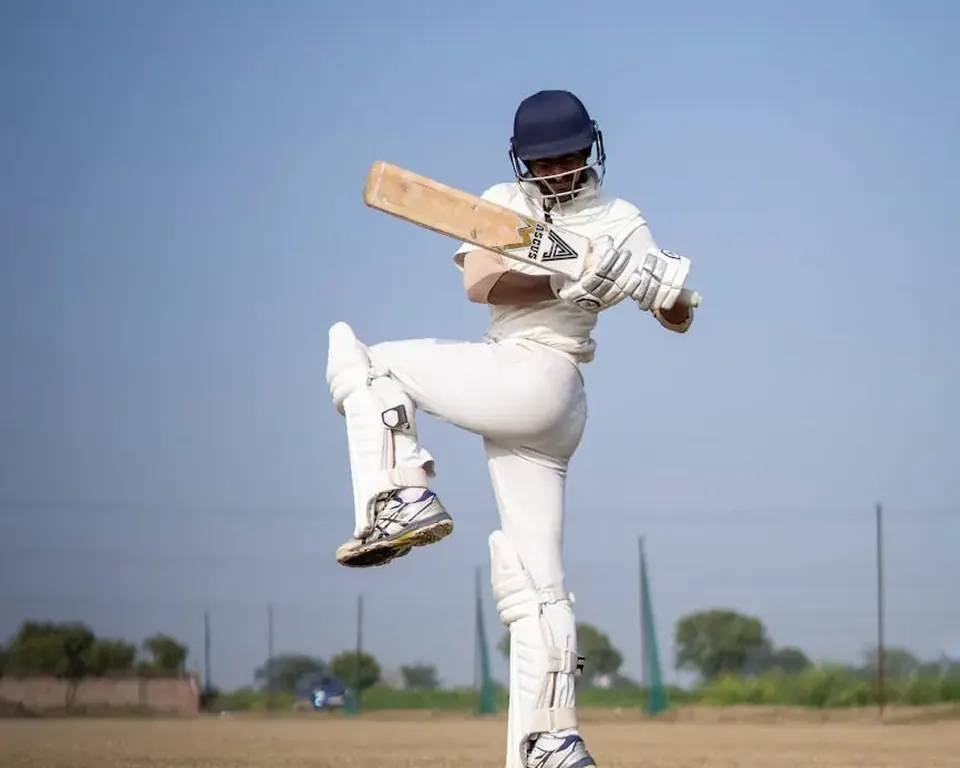
Most pro shops will let you feel a few different grips before you buy. Don’t be shy—hold a bat with each type and see what feels natural. You can also change grips mid-season. Many players have switched between round, oval, and double grips depending on form and conditions. It’s not a one-and-done decision.
Summary
Your bat grip is the only connection between your hands and the ball. Getting it right can turn a shaky start into a confident hundred. Whether you’re facing a red Kookaburra in a Test series or a white one in the BBL, take the time to find a grip that suits you. And if you’re heading to the nets, try a few different types—your hands will thank you.
For more gear advice, check out our guides on Kookaburra ball types and cricket shoe spikes vs blades. And if you’re still figuring out your kit, our gear and equipment hub has everything you need.
Reader Comments (1)