

Cricket Helmet Visors for Australian Sun
Look, if you’ve spent any time at the crease under an Australian summer sun, you know the drill. The sun doesn’t just beat down—it attacks. It bakes the pitch, glares off the sightscreen, and turns that simple act of picking up a short ball into a genuine squint-fest. And when you’re already dealing with a pace attack or a spinner exploiting the rough, the last thing you need is the sun turning your helmet into a sauna with a side of blindness.
That’s where cricket helmet visors come in. They’re not just an accessory for looking like a 90s ODI legend. For anyone playing in Australia—whether you’re facing the new ball in a Sheffield Shield clash, slogging in the Big Bash League, or just having a net at your local club—the right visor can help with seeing the ball and staying comfortable. Let’s break down what you need to know about cricket helmet visors for the Australian sun. We’re talking protection, visibility, heat management, and how to pick the right one for your game.
Why the Australian Sun Demands a Proper Visor
Australia’s cricket calendar is relentless. From the first Sheffield Shield rounds in October through to the BBL finals in February, you’re playing under a sun that sits low and fierce. The MCG, the WACA Ground, the SCG—each venue has its own light challenges. The WACA’s afternoon glare, the SCG’s tricky shadows, the MCG’s massive stands that create pockets of blinding light.
A standard helmet peak just doesn’t cut it. It blocks the sun from above, sure, but what about the low angle that sneaks under your brim? That’s where a visor comes in. It extends the coverage, cutting that glare without forcing you to tilt your head.
And let’s be honest—it’s not just about seeing the ball. It’s about comfort. A visor can help reduce squinting, which can help you concentrate for longer. In a long match, that extra bit of focus can be valuable.
Types of Cricket Helmet Visors
Not all visors are created equal. You’ve got options, and each one has its place depending on your needs, your helmet, and the conditions you’re playing in.
Standard Tinted Visors
These are the most common. They clip onto the front of your helmet and come in various tints—smoke, amber, yellow, even mirror finishes. The tint reduces overall brightness, which is great for those high-noon sessions when the sun is directly overhead.
Best for: General use in bright conditions. Good for batting in the nets or a day game where the sun is high.
Watch out for: Some tinted visors can make it harder to pick up the ball against certain backgrounds. If you’re playing on a pitch with a light-coloured sightscreen, a dark tint might actually work against you.
Photochromic (Transition) Visors
These are the clever ones. They automatically darken in bright light and lighten when the sun goes behind a cloud or you move into shade. Perfect for Australian conditions where the weather can change in five minutes—a cloud rolls over the MCG, and suddenly the light is flat.
Best for: Players who move between sun and shade frequently, or who play across different times of day. Also great for those who can’t be bothered swapping visors between sessions.
Downside: They’re more expensive, and they don’t always react instantly.
Clear Visors
These offer no tint but provide protection from wind, dust, and the occasional flying insect. They’re also useful if you’re playing under lights or in overcast conditions where you don’t want to lose any light.
Best for: Night games in the Big Bash League or WBBL, or for players who wear prescription glasses and need a visor that doesn’t mess with their vision.
Not ideal for: Bright sun. They do nothing to reduce glare.
Polarised Visors
These are a premium option. They cut glare from reflective surfaces—like shiny white sightboards or metallic advertising boards. They also enhance contrast, making the red ball pop against the green outfield.
Best for: Players who struggle with glare from the ground or sightscreens. Also great for those who want maximum clarity.
Cost: Higher, but worth it if you’re serious about your eyes.
Anti-Fog Visors
Aussie summers are humid. If you’re sweating under your helmet, a standard visor can fog up, especially when you stop moving between overs. Anti-fog coatings or vented designs help keep your vision clear.
Best for: All-day matches, or for players who run hot. Also a lifesaver in the humid conditions of the BBL’s coastal venues.
Helmet Compatibility: What Fits What?
Here’s the thing—visors aren’t universal. A visor that fits a Masuri helmet won’t necessarily fit a Shrey or a Gray-Nicolls. You need to check compatibility before you buy.
Most major brands make visors specifically for their own helmets. Masuri has its Vision Series, Shrey has its own range, and Kookaburra, Gray-Nicolls, and Albion all have options. If you’re buying online, double-check the model number of your helmet and the visor’s compatibility list.
Some visors are clip-on, some are screw-on. Clip-ons are easier to swap, but screw-ons are more secure—important if you’re facing serious pace and don’t want your visor flying off mid-delivery.
Pro tip: If you’re using a helmet with a grille, make sure the visor doesn’t block your peripheral vision. Some visors extend too far down the sides, which can be dangerous when you’re trying to duck or sway out of the way of a bouncer.
Australian Conditions: What Works Where
Australia isn’t one climate. The conditions at the WACA Ground in Perth are different from the SCG in Sydney, which are different from the MCG in Melbourne. Your visor choice should reflect where you’re playing.
The WACA Ground (Perth)
Perth is dry, hot, and bright. The sun is intense, and the light can be harsh. A dark tint or polarised visor is your friend here. The glare off the pitch can be brutal, especially in the afternoon. Polarised lenses help cut that reflected light.
The Sydney Cricket Ground (SCG)
Sydney has variable light. The SCG’s stands create shadows that move across the ground. A photochromic visor is ideal here—it adjusts as you move from sun to shade. The humidity can also be an issue, so an anti-fog coating is a bonus.
The Melbourne Cricket Ground (MCG)
The MCG is massive, and the light can be tricky. The southern stand creates a deep shadow on one side of the ground, while the other side is bright. A medium tint or photochromic visor works well. Also, the MCG can get windy, so a secure screw-on visor is better than a clip-on.
Adelaide Oval
Adelaide’s heat can be oppressive. A light tint or amber visor helps reduce glare without making you feel like you’re wearing sunglasses in a dark room. The pink ball Test under lights also requires a clear or light tint visor—you don’t want to lose the pink ball against the dark sky.
The Gabba (Brisbane)
Brisbane is humid and bright. Anti-fog is essential. A medium tint or polarised visor helps with the glare, and a vented design lets air flow to reduce fogging.
Safety and Standards
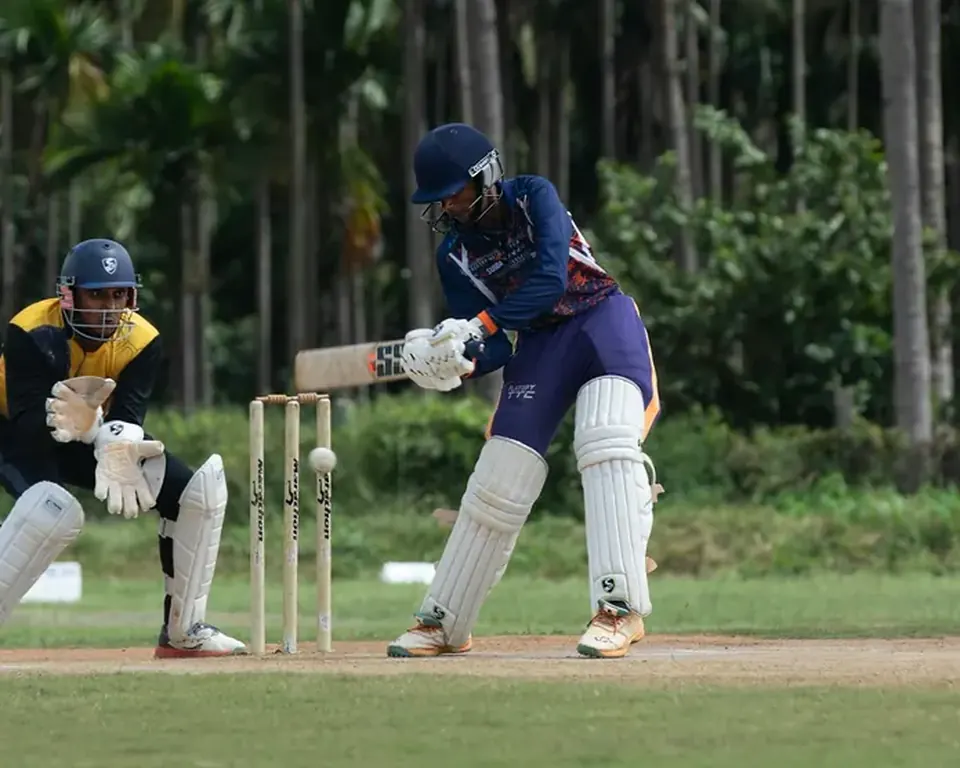
This is where we need to talk seriously. A visor is not just a comfort item—it’s a safety device. Your eyes are the most vulnerable part of your body when you’re batting. A misjudged bouncer, a top edge, a deflected ball—all can send the ball straight at your face.
Cricket Australia mandates that all helmets used in CA-sanctioned competitions (including the Big Bash League, Sheffield Shield, and Women’s Big Bash League) must meet the latest safety standards (BS 7928:2019 or AS/NZS 4499). Your visor should be compatible with a helmet that meets these standards.
What to look for:
- The visor should be shatterproof. Polycarbonate is the standard—it’s tough, lightweight, and won’t break into sharp shards.
- The visor should not obstruct your vision to the point where you can’t see the ball at all angles. If you have to turn your head to see a short ball, the visor is too big.
- The visor should not create a gap between itself and the helmet’s brim. A gap can catch the ball and redirect it into your face.
Visors for Different Formats
Your choice of visor might also depend on the format you’re playing.
Test Cricket (Long Format)
In a Test series, you’re out there for hours. Comfort and adaptability are key. A photochromic visor is ideal—it adjusts as the day progresses and the light changes. Anti-fog is also important if you’re sweating through multiple sessions.
Limited Overs (ODIs, BBL, WBBL)
In the Big Bash League or a T20 World Cup game, you’re moving quickly between overs, and the game can shift from day to night. A clear or light tint visor works well for day-night games. For day games, a medium tint or polarised visor helps with the glare.
Club and Grassroots Cricket
For most club cricketers, a standard tinted visor is more than enough. You’re not facing 150km/h thunderbolts every week, but you still need protection from the sun and the ball. A clip-on visor is easy to swap between helmets if you share gear.
How to Maintain Your Visor
A visor is an investment. Treat it right.
- Clean it with a microfibre cloth. Don’t use paper towels or your shirt—they can scratch the surface.
- Use a mild soap and water. Harsh chemicals can damage the anti-scratch or anti-fog coating.
- Store it in a helmet bag or a soft pouch. Don’t throw it in your kit bag loose—it’ll get scratched.
- Replace it if it’s damaged. A small crack can become a big problem when you’re facing a quick bowler.
The Mental Game: Seeing Clearly
There’s a psychological element too. When you can see the ball clearly, you feel more confident. You’re not flinching at every delivery because you’re worried about the glare. You’re not second-guessing your footwork because the ball disappeared into a patch of sunlight.
Players have talked about the importance of vision and concentration. A good visor doesn’t just protect your eyes—it can help protect your mindset.
What the Pros Use
While we can’t speak for current players’ exact setups, it’s common knowledge that many Australian internationals use Masuri helmets with their Vision Series visors. The Masuri system allows for quick visor changes, which is handy when conditions shift.
Some players prefer a clear visor even in bright conditions, arguing that it gives them the truest view of the ball. Others go for a dark tint to cut the glare completely. It’s personal.
If you’re playing in the Sheffield Shield or the Big Bash League, you’ll see a mix. The key is finding what works for you.
Final Thoughts: Your Eyes Are Worth It
Australian cricket is played in some of the toughest conditions in the world. The sun is relentless, the pitches are fast, and the bowlers are world-class. Your eyes are your most important tool as a batter. Don’t skimp on protection.
Whether you’re playing for your club side on a Saturday, grinding through a Sheffield Shield season, or just having a net at the local nets, a good cricket helmet visor is a non-negotiable piece of gear. It keeps you safe, keeps you comfortable, and keeps you seeing the ball.
So next time you’re at the crease, and the sun is blazing, and a fast bowler is running in from the Members’ End at the MCG, you’ll be glad you’ve got the right visor.
Ready to sort your gear? Check out our full gear and equipment guide for more on what to wear and use. And if you’re picking pads too, don’t miss our BBL pads selection guide. For the batters out there, our cricket bat weight guide will help you find the perfect balance.
Stay safe, keep your eyes on the ball, and enjoy the summer.
Reader Comments (0)