In Australian cricket, the art of spin bowling remains a cornerstone of success across all formats, from the hallowed turf of the Melbourne Cricket Ground (MCG) to the pace-friendly WACA Ground. While fast bowlers like Pat Cummins grab headlines, it is often the spinner who turns a Test series on its head—think of the Border-Gavaskar Trophy battles or the tactical chess of a Big Bash League (BBL) powerplay. This glossary unpacks the essential spin bowling variations, defining each term in the context of Australian conditions and the modern game. Whether you are deciphering a Sheffield Shield contest or analysing a Steve Smith dismissal, understanding these deliveries is key to appreciating the nuance of spin.
Arm Ball
A delivery bowled with a flatter trajectory and the seam upright, designed to skid through straight on rather than turning. In Australian conditions, where pitches can offer variable bounce, the arm ball is a surprise weapon against batters playing for spin. It is distinct from a faster ball in that it relies on the bowler’s standard action, not a change of pace, to deceive.
Back-Spinner
A variation where the ball is released with the fingers imparting backspin, causing it to drift and then dip sharply before bouncing. This delivery is particularly effective on Australian decks that offer bounce, as it can lure a batter into a false stroke. It is not to be confused with a slider, which skids on lower; the back-spinner’s dip is its hallmark.
Carrom Ball
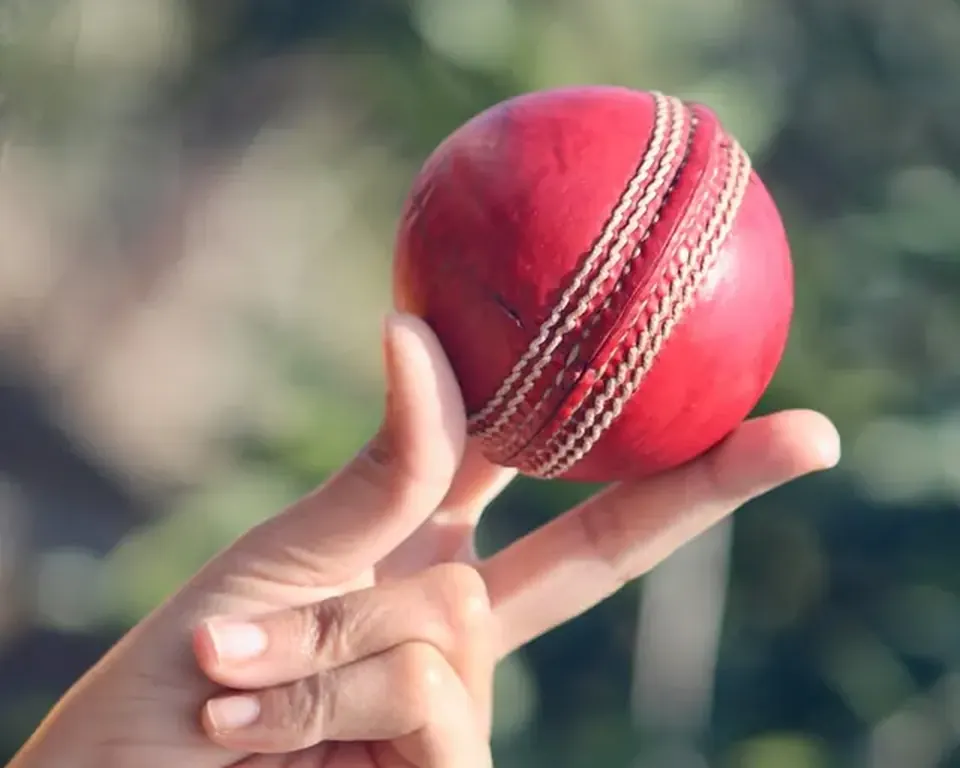
A delivery flicked between the thumb and fingers, producing a spin that can turn either way without a change in grip. Popularised in subcontinental cricket but increasingly seen in the BBL and Women's Big Bash League (WBBL), it is a potent variation on Australian grounds. The carrom ball’s unpredictability makes it a key weapon in T20 cricket, especially against aggressive batters like David Warner.
Chinaman
A left-arm unorthodox spinner’s delivery that turns from leg to off for a right-handed batter. In Australian cricket, this term is specific to left-arm wrist-spin, distinct from the left-arm orthodox finger-spin of a Daniel Vettori. The chinaman is rare in the Sheffield Shield but can be a game-changer when executed well, as it spins away from the left-hander.
Doosra
A delivery bowled by an off-spinner that turns from off to leg, the opposite of the stock ball. It requires a specific wrist position at release, making it controversial for legality in some eras. In Australian conditions, the doosra is less common due to the emphasis on bounce, but it remains a valuable variation in Test cricket, particularly against batters like Steve Smith who play deep in the crease.
Drift
The lateral movement of the ball through the air, typically from leg to off for a right-arm orthodox spinner. Drift is caused by the Magnus effect and is a key component of spin bowling on Australian grounds, where the air can be still or windy. It is not the same as turn off the pitch; drift happens before the ball lands, setting up the batter for the spin.
Flipper
A wrist-spinner’s delivery bowled with the seam pointing down, causing the ball to skid on low and fast rather than bounce. In Australian cricket, the flipper is a classic variation of the leg-spinner, famously used by Shane Warne on the MCG and SCG. It is distinct from a slider, which comes from the fingers; the flipper requires a specific wrist snap.
Googly
A leg-spinner’s variation that turns from off to leg, deceiving the batter expecting the stock leg-break. The googly is delivered with the wrist turned inward at release, making it a potent weapon on Australian pitches that offer turn. It is not to be confused with the doosra, which is an off-spinner’s equivalent.
Leg-Break
The stock delivery of a leg-spinner, turning from leg to off for a right-handed batter. This is the foundational spin variation in Australian cricket, used by bowlers from Shane Warne to modern BBL stars. The leg-break relies on wrist rotation and finger release, and its effectiveness is heightened on Australian decks that offer bounce and carry.
Off-Break
The stock delivery of an off-spinner, turning from off to leg for a right-handed batter. In Australian conditions, the off-break is often bowled with a higher trajectory to exploit bounce, particularly on the SCG and MCG. It is the most common spin type in the Sheffield Shield and is a staple of Test cricket.
Slider
A delivery bowled with the fingers under the ball, causing it to skid on straight rather than turn. The slider is a variation for both off-spinners and leg-spinners, used to beat the bat on the forward press. In Australian cricket, it is effective on pitches with variable bounce, as the ball stays low and hurries onto the batter.
Slinga (or Sling Shot)
A variation where the bowler releases the ball from a low, slinging action, often generating extra pace and drift. This term is less formal but used in Australian coaching circles, particularly in the BBL, where bowlers like Rashid Khan have popularised it. It is distinct from a standard action and relies on a bent elbow at release.
T20 Slider (or Knuckleball)
A variation specific to T20 cricket, where the bowler holds the ball with the knuckles and releases it with a flick, producing a flatter, quicker delivery. In the Big Bash League, this is a key weapon for spinners in the death overs, as it is difficult to read off the hand. It is not a traditional spin variation but a hybrid used to disrupt timing.
Top-Spinner
A delivery bowled with the seam rotating end over end, creating overspin that causes the ball to dip and bounce higher than expected. The top-spinner is a staple for both finger-spinners and wrist-spinners in Australian cricket, as it can extract extra bounce from the WACA or MCG surfaces. It is distinct from the back-spinner, which dips more sharply.
Wrong’un
An older term for the googly, used in historical Australian cricket literature. It refers to a leg-spinner’s delivery that turns the opposite way to the stock ball. While less common in modern commentary, the wrong’un remains a valid descriptor in coaching manuals and analysis of classic spin attacks.
Zooter
A rare variation, often described as a flipper that bounces higher, bowled with the seam pointing to slip. The zooter is not widely used in Australian cricket but appears in technical discussions of Shane Warne’s repertoire. It is distinct from the flipper in that it is released with a different finger position, producing more bounce.
Summary
Spin bowling in Australian cricket is a sophisticated art, blending classical techniques with modern innovations to suit conditions from the MCG to the WACA. Each variation—from the leg-break to the carrom ball—has a specific role in Test series, BBL matches, or Sheffield Shield contests. Understanding these terms deepens your appreciation of how spinners like those in the ICC Men’s T20 World Cup or the Border-Gavaskar Trophy outwit batters like Steve Smith and David Warner. For further insights into bowling tactics, explore our guides on tactics and training, coaching strategies, and video analysis tips.



Reader Comments (0)