


Running Between Wickets Techniques
In the high-pressure environment of elite cricket, the difference between a competitive total and a below-par score often comes down to the marginal gains made between the wickets. For Australian cricketers, from the Sheffield Shield grind to the bright lights of the Big Bash League, running between wickets is a non-negotiable skill that separates good batting partnerships from great ones.
The art of running between wickets in Australian cricket is a complex interplay of physical conditioning, split-second decision-making, and intuitive communication. It is not merely about raw speed; it is about reading the field, understanding your partner's capabilities, and executing under pressure. This comprehensive guide breaks down the core techniques that define elite running between wickets, offering insights for players, coaches, and fans who want to understand the nuance behind every quick single and sharp second run.
The Foundation: Physical Conditioning and Running Mechanics
Before any technical nuance can be applied, a player must possess the physical foundation to execute. Running between wickets places unique demands on the body, requiring explosive acceleration, rapid deceleration, and sustained endurance over the course of an innings.
Core Physical Attributes:
- Acceleration: The first three steps are critical. A low centre of gravity and powerful drive from the back foot allow for rapid departure from the crease.
- Deceleration and Turning: The ability to stop and change direction efficiently is paramount. This involves eccentric strength in the quadriceps and hamstrings to absorb force, followed by a quick pivot.
- Aerobic Capacity: While not a sprint, a long innings requires repeated short bursts. A strong aerobic base allows a batsman to maintain sharpness into the final session of a Test series.
- The Rock and Roll: Practise rocking back onto the back foot and then driving forward, simulating the movement after playing a defensive shot. This builds the muscle memory for a quick first step.
- Cone Drills: Set up cones at 1, 2, and 3 metres from the popping crease. Practise sprinting to each cone, touching it, and returning. This builds reactive speed and turning ability.
- Partner Mirror Drills: Two players stand side-by-side at the crease. One initiates a movement (forward or backward), and the other must mirror it instantly. This develops reactive coordination.
The Art of the First Run: Calling and Commitment
The first run is the most important. In the context of Australian cricket, where grounds like the Melbourne Cricket Ground (MCG) and Sydney Cricket Ground (SCG) have expansive outfields, a hesitant first run can be the difference between a single and being run out.
The Call:
- The "Yes" Call: This must be loud, clear, and decisive. It is the responsibility of the striker to call, as they have the best view of the fielder. The call should be made before the batsman commits to the run.
- The "No" Call: Equally important. A firm "No" must be immediate, often accompanied by a raised hand. Hesitation in the call creates confusion and danger.
- The "Wait" Call: Used when the ball is in the air or the fielder's intention is unclear. This buys a split second of time before a final decision.
- The Bat and Run: As the batsman plays the shot, the bat should be carried through the line of the ball. The back foot should be grounded, ready to push off. The moment of contact is the trigger for the first step.
- The Non-Striker's Role: The non-striker is not a passive observer. They must back up a few steps down the pitch, watching the ball and the striker. Their job is to anticipate the call and be ready to react.
- The "Yes" and Go: Once the call is made, there is no room for second-guessing. The first three steps must be explosive. The eyes should be on the ball or the fielder, not on the ground.
The Second Run: Reading the Field and Turning
The second run is where experience, fitness, and game awareness combine. It is rarely a simple sprint; it requires the batsman to read the fielder's arm, the bounce of the ball, and the angle of the throw.
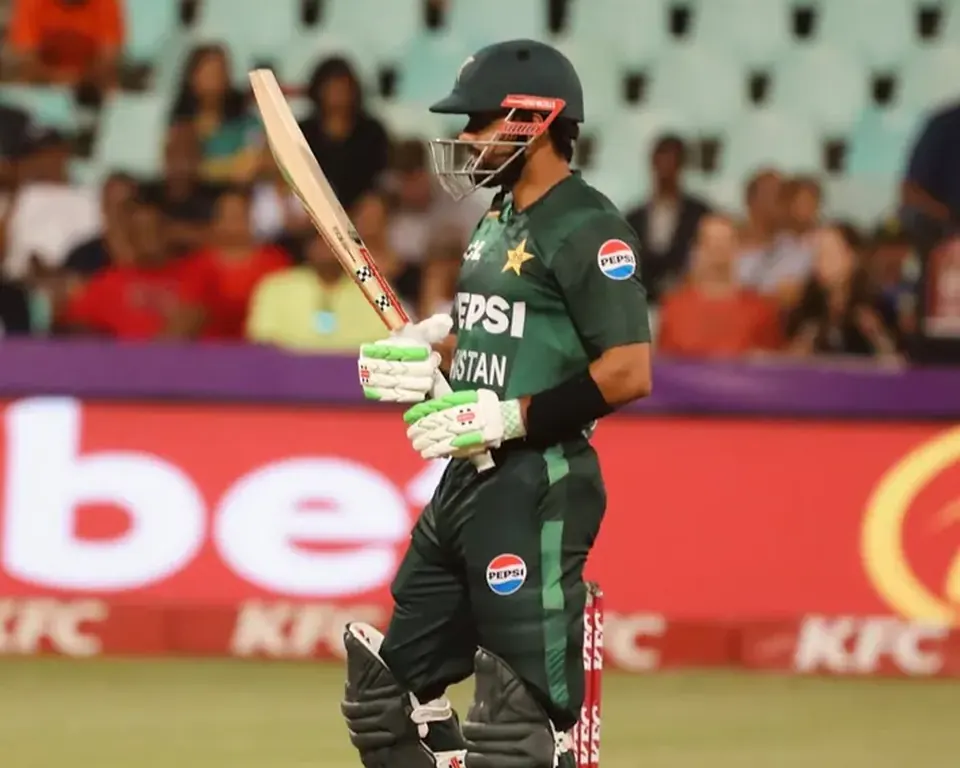
Key Decision-Making Factors for a Second Run:
- Fielder's Position: Is the fielder on the boundary or in the ring? Is their arm strong or weak? A fielder on the boundary with a weak arm is a prime candidate for a second run.
- Fielder's Momentum: Is the fielder running towards the ball or away from it? A fielder moving away will take longer to gather and throw.
- The Angle of the Throw: A flat, direct throw from a deep position is dangerous. A high, looping throw or a throw that requires a relay gives the batsman more time.
- The Condition of the Outfield: A fast outfield at the WACA Ground will allow the ball to travel further, potentially creating an opportunity for a second run. A slow, dewy outfield will slow the ball down.
- The "Inside-Out" Turn: The batsman plants their left foot (for a right-hander) and pivots on it, swinging the right leg around. This is the fastest and most efficient turn.
- The "Outside-In" Turn: The batsman plants their right foot and turns to their left. This is slower but can be used if the batsman is off balance.
- The "Slider" Turn: A more advanced technique where the batsman slides on their knees or hip to complete the turn. This is used in high-pressure situations where speed is paramount, often seen in the Big Bash League (BBL).
Communication Systems: Beyond the "Yes" and "No"
Elite partnerships in Australian cricket are built on a sophisticated communication system that goes beyond simple calls. This system is developed through hours of training and match experience.
The Three-Tiered Communication System:
- Pre-Delivery Plan: Before the ball is bowled, batsmen should have a rough plan. "If I hit it to long-on, we take one. If it goes to deep mid-wicket, we try for two." This shared understanding reduces hesitation.
- The Visual Cue: As the ball is bowled, the non-striker watches the bowler's run-up and the field placements. The striker watches the ball. This visual split allows for a faster reaction.
- The Post-Play Call: This is the final, decisive call. It is based on the execution of the shot and the immediate reaction of the fielders.
- The "Stutter Step": A short, sharp movement by the non-striker to indicate they are ready to run, but not yet committed. This can buy a split second.
- The "Point and Go": The striker points to a gap in the field as they run, indicating where they expect the ball to go. This is a high-level tactic used by experienced players.
- The "Hand Signal": A subtle hand signal from the non-striker to the striker, often used in noisy environments like the SCG or MCG, to indicate a planned run.
Match Context: Adapting to Formats and Conditions
The technique of running between wickets is not static. It must be adapted to the specific demands of the format and the conditions.
Test Cricket (The Ashes, Border-Gavaskar Trophy):
- Pace: Slower, more deliberate. The focus is on building partnerships and preserving wickets.
- Risk Assessment: High. A run-out in a Test match can be devastating. The threshold for taking a second run is much higher.
- Fatigue Management: Players must pace themselves. Running hard between wickets for five days is physically demanding. The focus is on smart, efficient running rather than explosive sprints.
- Pace: Faster, more aggressive. Every run is crucial, and boundaries are not always available.
- Risk Assessment: Lower. A run-out is a setback, but the team can recover. The emphasis is on taking calculated risks to maximise the scoring rate.
- The "Pressure Run": In T20 cricket, a quick single can put immense pressure on the fielding side, forcing a misfield or a poor throw. This is a key tactic in the Big Bash League (BBL) and the ICC Men's T20 World Cup.
- The "Two for One": A hard-run two that forces the fielding side to scramble can lead to an overthrow, creating an extra run. This is a high-reward, high-risk tactic.
The Role of the Non-Striker: The Unsung Hero
The non-striker's role is often overlooked, but it is critical to effective running between wickets. They are the eyes and the engine of the partnership.

Key Responsibilities of the Non-Striker:
- Backing Up: The non-striker must be a few steps down the pitch, ready to run. They should be watching the bowler's hand, not the ball.
- The "Run-Out" Save: If the striker is out of their ground, the non-striker must be alert to a direct hit from the bowler or a fielder. They must be ready to dive back into their crease.
- The "Third Man" Run: In a situation where the ball is hit to deep point, the non-striker can call for a run based on their view of the fielder's position.
- The "Mankad" Awareness: In the modern game, the non-striker must be aware of the bowler's run-up and the potential for a run-out at the bowler's end. This is a tactical consideration, particularly in short-form competitions.
Drills and Practice Routines
Effective running between wickets is a skill that must be practised under pressure. Here are some drills commonly used in development programs.
The "Pressure Run" Drill:
- Setup: Two batsmen at the crease. A coach or bowler delivers a ball to a specific area of the field.
- Execution: The batsman plays the shot and must run. The coach calls a number (1, 2, or 3) as the ball is played. The batsmen must react instantly.
- Purpose: Develops reactive decision-making and communication under pressure.
- Setup: Two batsmen at the crease. A fielder (coach or player) is positioned at a specific point on the boundary.
- Execution: The batsman plays a shot. The fielder throws the ball at the stumps. The batsmen must run and try to beat the throw.
- Purpose: Develops the ability to read a fielder's arm and accelerate under pressure.
- Setup: Two batsmen at the crease. A coach feeds a ball to a specific area.
- Execution: The batsman plays the shot and runs. The coach calls "two" as the ball is played. The batsmen must turn and accelerate for the second run.
- Purpose: Develops the technical ability to turn quickly and efficiently.
Conclusion: The Competitive Edge
Running between wickets is not a glamorous aspect of cricket, but it is a defining one. In the crucible of the Ashes, the tactical battles of the Border-Gavaskar Trophy, or the frantic pace of the Big Bash League, the ability to consistently convert ones into twos and to avoid run-outs can be the difference between victory and defeat.
For Australian cricketers, from the grassroots level to the elite stage, mastering this skill is a continuous journey. It requires physical conditioning, technical refinement, and, most importantly, a deep understanding of your partner and the game situation. The best partnerships in Australian cricket history—whether in the Sheffield Shield or on the international stage—are built on this shared language of movement.
As you watch the next Test match or BBL fixture, pay close attention to the running between wickets. You will see the subtle cues, the decisive calls, and the explosive turns that separate the good from the great. And if you are a player, remember: the run you take is a run you earn. Make every one count. For more tactical insights into the game, explore our tactics and training hub.
Reader Comments (1)