


The baggy green cap remains the most cherished symbol in Australian sport. For generations, it has represented the pinnacle of achievement, the culmination of countless hours in the Sheffield Shield competition and the dream that begins in suburban parks and country ovals. The upcoming Test schedule promises to deliver the drama, tension, and unforgettable moments that define cricket in Australia.
Whether you are a seasoned fan who remembers the great Ashes battles of the 1990s or a newcomer drawn to the sport by the electric atmosphere of the Big Bash League, understanding the Test calendar is essential. This guide breaks down every major series, venue, and storyline that will shape the Australian summer and beyond.
The Test Calendar: A Season of Defining Moments
The upcoming international schedule is shaping up as one of the most significant in recent memory. Cricket Australia has crafted a program that balances traditional rivalries with the demands of the modern game, ensuring Test cricket remains the ultimate examination of skill and character.
The Ashes: Cricket's Greatest Rivalry
No series commands attention quite like The Ashes. The next Ashes series to be played on Australian soil will see England arrive with ambitions of reclaiming the urn, but history shows that touring Australia presents unique challenges.
The Ashes series typically features five Tests at iconic venues. The Melbourne Cricket Ground will host the traditional Boxing Day Test, while the Sydney Cricket Ground will stage the New Year's fixture. These matches are more than cricket—they are cultural events that bring the nation together.
For the players, an Ashes series defines careers. The Australian attack will be led by its pace and precision honed through years of domestic and international cricket. The batting order will be anchored by players whose unorthodox technique and relentless concentration make them among the most difficult batsmen in the world to dismiss.
Border-Gavaskar Trophy: The Modern Classic
The rivalry with India has produced some of the most compelling Test cricket of the past decade. The Border-Gavaskar Trophy series has become a marquee event in the international calendar, with both teams boasting world-class talent and fierce competitive spirit.
India's victories on Australian soil in 2018-19 and 2020-21 demonstrated their growing prowess in overseas conditions. Future series will see Australia seeking to reclaim the trophy on home ground. Venues that offer pace and bounce have traditionally favoured Australian bowlers.
The tactical battle between captains will be fascinating. Australia's leadership has established itself as astute, while India's captaincy brings its own strategic nous. The series will test not only skill but resilience, as both teams navigate the physical and mental demands of a multi-Test campaign.
Other International Series
Beyond the headline series, Australia will face other Test nations. These matches are crucial for preparation cycles and provide opportunities for emerging players to stake their claims.
Series against various nations are expected to feature, each bringing distinct challenges. Different pace attacks, disciplined bowling, and spin options will test different aspects of the Australian game.
Key Venues and Their Significance
The venues that host Test matches are as much a part of the tradition as the players themselves. Each ground has its own character, influencing how matches unfold and creating unique atmospheres.
Melbourne Cricket Ground (MCG)
The MCG is the spiritual home of Australian sport. With a capacity exceeding 100,000, it transforms into a sea of colour and noise during the Boxing Day Test. The pitch traditionally offers something for everyone—pace and bounce early, then increasing assistance for spinners as the match progresses.
For players, walking onto the MCG for a Test match is the realisation of a childhood dream. The roar of the crowd, the expanse of the ground, and the weight of history combine to create an experience unlike any other in cricket.
Sydney Cricket Ground (SCG)
The SCG is synonymous with New Year's cricket. Its intimate atmosphere, with the historic Members' Pavilion and the iconic scoreboard, creates a sense of tradition that few grounds can match. The pitch often favours spin, making it a test of patience and technique for batsmen.
The SCG Test frequently produces memorable moments. From Steve Waugh's century in 2003 to Michael Clarke's 329 not out in 2012, the ground has witnessed some of the greatest innings in Australian cricket history.
WACA Ground
The WACA has a fearsome reputation for pace and bounce. While the pitch has evolved in recent years, it remains one of the fastest surfaces in world cricket. Fast bowlers relish the opportunity to bowl here, knowing that extra bounce can unsettle even the most accomplished batsmen.

The WACA's location in Perth means it often hosts the first Test of the summer, setting the tone for the series ahead. The heat and the pace create a unique challenge that touring teams must overcome.
The Role of Domestic Cricket
The Sheffield Shield competition is the foundation upon which Australian Test cricket is built. It is where future stars are forged, where techniques are refined, and where players learn to handle the pressure of first-class cricket.
Sheffield Shield: The Pathway to the Baggy Green
Every player who dons the baggy green has earned their place through performances in the Sheffield Shield. The competition's structure—four-day matches played across the summer—mirrors the demands of Test cricket, preparing players for the rigours of international competition.
The Sheffield Shield will be more important than ever as opportunities arise for young batsmen and bowlers to stake their claims. The competition provides the perfect platform for these players to showcase their talent.
Big Bash League and Test Cricket
The Big Bash League has transformed the landscape of Australian cricket, attracting new audiences and generating revenue that supports the entire sport. However, its relationship with Test cricket is complex.
Some critics argue that the BBL's focus on Twenty20 cricket detracts from the longer format. Others contend that the exposure to high-pressure situations and diverse playing conditions benefits players who transition to Test cricket. The reality is that both formats can coexist, provided Cricket Australia manages the scheduling effectively.
Player Focus: The Backbone of Australian Test Cricket
The upcoming season will feature a blend of experienced campaigners and emerging talent. Understanding the key players and their roles is essential for appreciating the dynamics of the Test team.
The Leader
Australia's premier fast bowlers have established themselves among the best in world cricket. Their ability to generate pace and bounce while maintaining accuracy makes them constant threats. As captain, tactical acumen and the ability to inspire teammates are crucial.
Workload management will be crucial with a busy schedule that includes Tests, one-day internationals, and T20 cricket. Ensuring key players remain fresh and effective is a priority for the coaching staff.
The Run Machine
Some of the most unique batsmen in cricket history have used unorthodox techniques to produce runs against all opposition in all conditions. Their records against major rivals are exceptional, and they will be the cornerstone of Australia's batting.
The hunger for runs remains undiminished. Each innings is approached with a level of concentration and preparation that sets these players apart. For young batsmen watching, they provide a masterclass in how to construct an innings.
The Entertainer
Aggressive opening batsmen have been among the most destructive in Test cricket. Their approach sets the tone for the innings, putting pressure on opposition bowlers from the first ball. While form can fluctuate, the ability to change a game in a session remains undiminished.
Experience will be invaluable, particularly in major series where records against certain opponents are impressive. Presence at the top of the order provides stability and the potential for explosive starts.
The Women's Test Program
The growth of women's cricket has been one of the most significant developments in the sport. The Women's Big Bash League has showcased the talent and entertainment value of the women's game, and Test cricket is now receiving increased attention.
Women's Ashes and International Series
The Women's Ashes series is a multi-format competition that includes Test matches, one-day internationals, and T20s. The Test match remains the pinnacle, providing the ultimate examination of skill and endurance.
Australian women's cricket has achieved remarkable success in recent years, with the team dominating both the Ashes and ICC events. Future schedules will include opportunities for the women's team to compete in Test matches, further elevating the profile of the format.
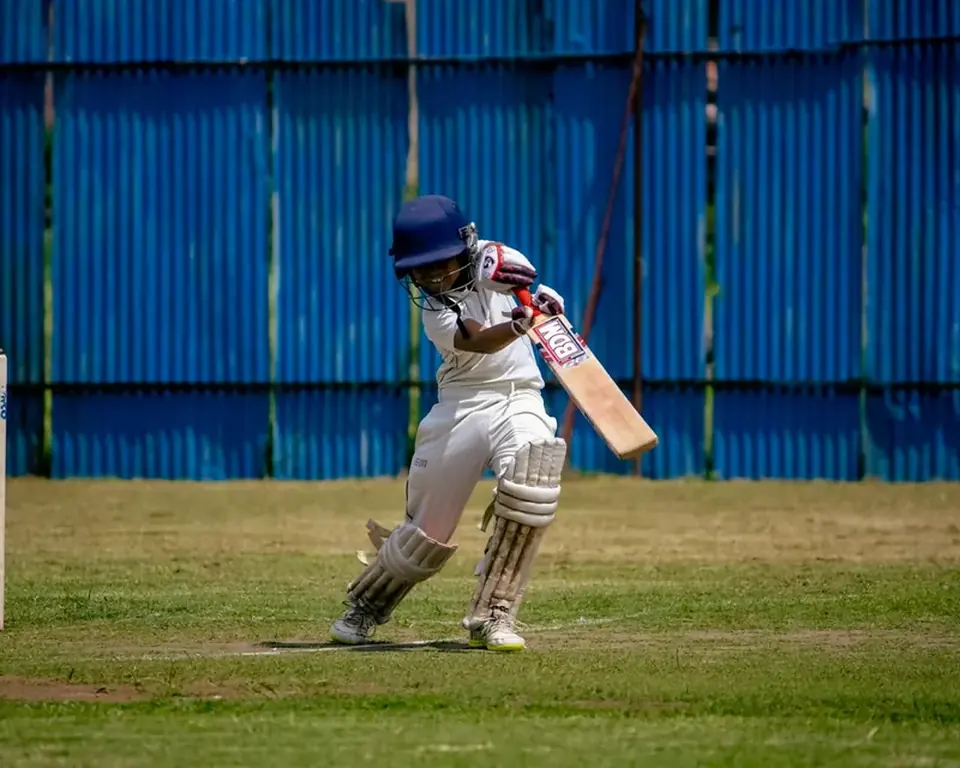
Pathways for Female Cricketers
The investment in women's cricket has created clear pathways for aspiring players. From junior programs through to the WBBL and international cricket, talented female cricketers now have opportunities that were previously unavailable.
The Sheffield Shield equivalent for women, the Women's National Cricket League, provides the foundation for Test cricket. Players who excel in this competition earn selection for the national team, where they can test themselves against the best in the world.
Practical Considerations for Fans
Attending Test matches in Australia requires planning and preparation. Understanding the logistics of each venue, the ticketing process, and the match-day experience will enhance your enjoyment of the cricket.
Ticketing and Access
Tickets for major Test matches sell quickly. Cricket Australia provides advance notice of ticket sales, and becoming a member of your state cricket association can offer priority access.
General admission tickets provide access to the outer areas of the ground, where you can experience the atmosphere and move around freely. Reserved seating offers a guaranteed spot in specific stands, ideal for those who want to secure a particular view.
Match-Day Essentials
Australian summers can be extreme, with temperatures often exceeding 40 degrees Celsius. Preparing for the conditions is essential for enjoying a full day of cricket.
- Sun protection: Apply sunscreen regularly and wear a hat. The Australian sun is intense, and sunburn can ruin your day.
- Hydration: Bring a water bottle and drink regularly. Most venues have water refill stations.
- Comfortable seating: Consider bringing a cushion or seat pad. The concrete seating in some areas can become uncomfortable over a full day.
- Entertainment: Test matches can have periods of slow play. A book, crossword, or conversation with fellow fans will keep you engaged.
Understanding the Game
For those new to Test cricket, the format can seem slow compared to the Big Bash League. However, the beauty of Test cricket lies in its nuance and the ebb and flow of the contest.
- The new ball: The first hour of each innings is crucial. The ball is hard and swings, making life difficult for batsmen.
- Spin bowling: As the pitch deteriorates, spin bowlers become more influential. Watching a world-class spinner work is one of the great pleasures of Test cricket.
- Declarations: Captains must decide when to declare an innings closed, balancing the need for runs against the time required to take 20 wickets.
- Follow-on: If the team batting second falls more than 200 runs behind, they can be asked to follow on, batting again immediately.
The Future of Test Cricket
Test cricket faces challenges in an era dominated by T20 leagues and franchise competitions. However, the format's unique qualities ensure its survival and continued relevance.
Innovation and Tradition
Cricket Australia has embraced innovation while respecting tradition. Day-night Tests with pink balls have attracted new audiences, and the use of technology has improved decision-making without diminishing the human element of the game.
Major ICC events have demonstrated the global appeal of the shorter format, but Test cricket remains the ultimate measure of a player's ability. The challenge is to present Test cricket in a way that appeals to modern audiences while preserving its essence.
The Role of the ICC
The International Cricket Council plays a crucial role in maintaining the health of Test cricket. The World Test Championship has added context to bilateral series, giving every match significance in the broader competition.
The ICC's commitment to protecting Test cricket's place in the calendar is essential. With the proliferation of T20 leagues, ensuring that the best players are available for Test matches requires careful scheduling and governance.
Conclusion: Preparing for the Summer
The upcoming Test schedule offers something for every cricket fan. From the intensity of the Ashes to the tactical battles of the Border-Gavaskar Trophy, the summer promises memorable moments that will be discussed for years to come.
Whether you are planning to attend matches at the MCG, SCG, or WACA, or following the action from home, understanding the context and significance of each series enhances the experience. The players who take the field carry the hopes of a nation, and the stories they create will become part of cricket's rich tapestry.
For those looking to deepen their understanding of the game, exploring related topics can enhance your appreciation. Understanding the nuances of cricket bat grip types can help you appreciate the technical adjustments players make, while knowing what's in a cricket first aid kit highlights the physical demands of the sport.
The baggy green cap awaits those who earn it. The upcoming season will reveal the next generation of Australian Test cricketers, and the journey begins now.
Reader Comments (0)