

The googly is one of cricket's most devastating weapons—a delivery that looks like a leg-spinner but spins the opposite way, leaving batters groping, stumped, or walking back to the pavilion in disbelief. For Australian cricketers, mastering this ball can be the difference between being a handy bowler and a genuine match-winner in the Sheffield Shield, the Big Bash League, or even a Test series against England.
But let's be honest: bowling a googly is hard. Really hard. Even seasoned spinners have spent years perfecting their wrong'un. The good news? Most problems that plague aspiring googly bowlers are predictable, identifiable, and fixable.
This troubleshooting guide addresses the most common issues Australian cricketers face when learning and executing the googly. Whether you're a club cricketer in the Sydney Cricket Ground precincts, a junior at the WACA Ground, or a backyard enthusiast dreaming of bowling someone through the gate, these practical solutions will fast-track your development.
Problem 1: The Ball Spins the Same Way as Your Leg-Break
Symptoms: You're trying to bowl a googly, but the ball behaves exactly like your regular leg-spinner. Batters pick it easily and punish you.
Causes: The most common culprit is wrist position. A googly requires the wrist to be cocked inward (toward your body) rather than outward. Many bowlers inadvertently revert to their leg-break wrist position at the point of release, especially under pressure. Another cause is grip—if your fingers are too far apart or the seam orientation is wrong, the ball simply won't behave as a googly.
Solution:
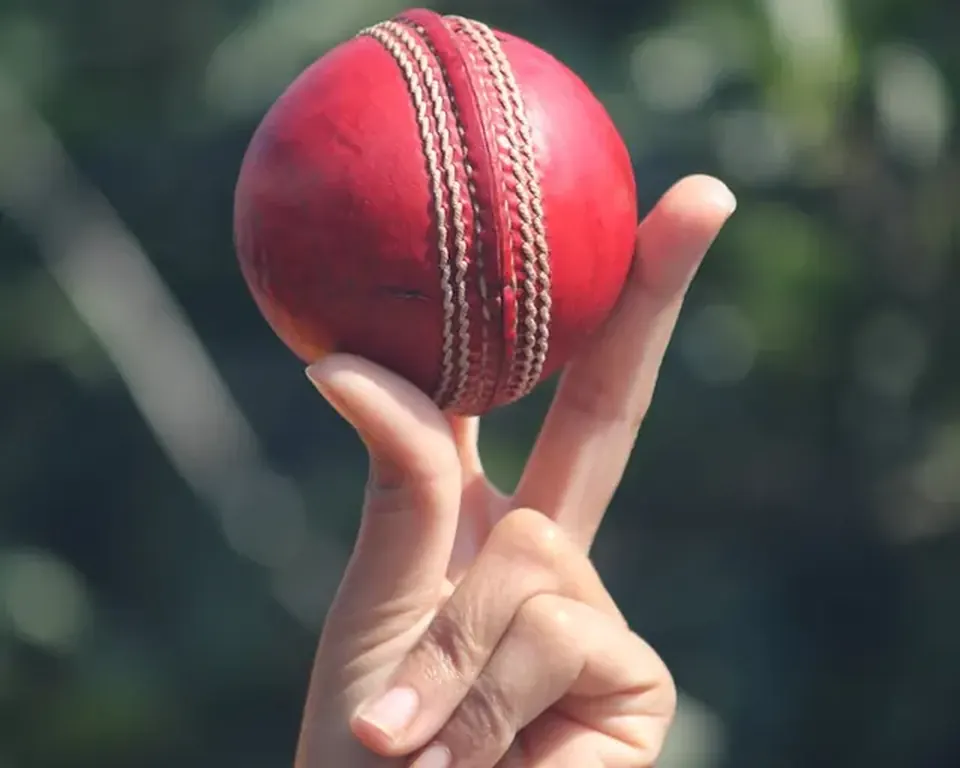
- Check your grip: Hold the ball with the seam running across your palm, not parallel to your fingers. Your index and middle fingers should be spread across the seam, with the ball resting against your ring finger. The thumb sits lightly on the seam for balance.
- Wrist cock drill: Stand still and practice cocking your wrist inward until the back of your hand faces your body. This is the googly position. Hold it for five seconds. Repeat 20 times daily.
- Release practice: Without bowling, stand in your delivery stride and practice releasing the ball with the inward wrist cock. Watch the seam—it should rotate backward (away from the batter) rather than forward.
- Slow bowling: Bowl at 50% pace focusing purely on wrist position. Accept that you'll bowl full tosses and half-trackers initially. The spin direction matters more than line or length at this stage.
- Video analysis: Record your action from behind. Compare your wrist position at release for your leg-break versus your googly. If they look identical, you haven't achieved the inward cock.
Problem 2: The Googly Pitches Short or Full
Symptoms: Your googly consistently lands short—sitting up to be hit—or floats too full, offering drive opportunities.
Causes: The googly grip and wrist position naturally encourage a higher release point and different arm speed compared to your leg-break. Many bowlers subconsciously slow their arm speed when attempting the wrong'un, fearing loss of control. This deceleration causes the ball to either float (if too slow) or drop short (if the release point changes).
Solution:
- Arm speed consistency: Bowl ten leg-breaks noting your arm speed. Then bowl ten googlies attempting to match that exact speed. Use a metronome app if needed—set it to your natural bowling rhythm.
- Release height check: Have a coach or teammate watch your release point from the side. Your googly should be released at the same height as your leg-break. If it's higher, you're "pushing" the ball rather than bowling it.
- Length control drill: Place a towel at a good length (approximately 6-7 metres from your end). Bowl googlies aiming to hit the towel. Accept that 7 out of 10 will miss initially. Gradually build accuracy.
- Pivot adjustment: Ensure your front foot lands in the same position for both deliveries. A different landing spot changes your release point and trajectory.
Problem 3: Batters Pick Your Googly Out of the Hand
Symptoms: Experienced batters—especially those who've faced quality spin in the Sheffield Shield or BBL—seem to know your googly before it leaves your hand. They adjust their shot accordingly.
Causes: The giveaway is usually in your action. Common tells include: a different grip reveal (showing the ball's orientation earlier in your run-up), a pause or hitch in your delivery stride, a different arm angle, or a change in your follow-through.
Solution:
- Grip concealment: Practice holding both leg-break and googly grips behind your back or in your non-bowling hand until the last possible moment. Your grip should be identical from the batter's perspective until your arm passes your head.
- Run-up consistency: Film your run-up for both deliveries. Count your strides. Ensure the same number, same tempo, and same approach angle regardless of which delivery you're bowling.
- Arm angle check: Your bowling arm should pass at the same angle (usually close to your ear) for both deliveries. A wider arm for the googly is a classic tell.
- The "no-look" drill: Bowl googlies without looking at your hand during the run-up. Focus on a spot on the pitch. This prevents the unconscious habit of glancing at your grip.
- Practice against a mirror: Stand in your delivery stride facing a mirror. Bowl both deliveries slowly. Your action should look identical until the ball leaves your hand.
Problem 4: You Can't Control the Line of Your Googly
Symptoms: Your googly either drifts too far down leg side or slides across the off stump—but you can't predict which one will happen.
Causes: This typically stems from inconsistent wrist position at release. If your wrist is slightly too far inward, the ball drifts leg-side. If it's not inward enough, the ball goes straight or even turns away. Another cause is a change in your bowling crease position—moving closer to or further from the stumps alters your natural line.
Solution:
- Seam orientation check: A correctly bowled googly has the seam rotating backward (away from the batter) on a vertical axis. If the seam is tilted, your wrist position is inconsistent.
- Crease consistency: Mark your landing spot on the crease with a small piece of tape or chalk during practice. Bowl all your googlies from exactly this spot until you've built muscle memory.
- Target practice: Place three cones—one on off stump, one on middle, one on leg. Bowl googlies aiming at each cone in sequence. This builds line control across the full corridor.
- Drift awareness: Understand that the googly will drift in the air away from the batter (toward leg side for a right-hander). Adjust your aim accordingly—aim at off stump, and the ball will drift to middle.
Problem 5: The Googly Hurts Your Fingers or Wrist
Symptoms: After bowling googlies, you experience pain in your ring finger, middle finger, or wrist. The discomfort persists beyond your bowling session.
Causes: The googly grip places unusual stress on the ring finger, which is responsible for imparting the opposite spin. Many bowlers grip too tightly in an attempt to control the delivery, straining the finger ligaments. Additionally, the inward wrist cock can stress the wrist joint if your flexibility is limited.
Solution:
- Grip pressure reduction: Hold the ball as lightly as possible while maintaining control. Imagine you're holding a bird—firm enough it won't fly away, gentle enough not to hurt it.
- Finger strengthening: Use a squash ball or grip trainer to strengthen your ring and middle fingers. Squeeze 50 times daily with each hand.
- Wrist flexibility: Perform wrist stretches before and after bowling—flexion, extension, and rotation. Hold each stretch for 15 seconds.
- Gradual increase: Start with just 5-10 googlies per session. Increase by 5 per week. Your fingers need time to adapt.
- Proper warm-up: Never bowl a googly cold. Bowl 10-15 leg-breaks first, then introduce your googly. Cold fingers are more prone to injury.
Problem 6: You Lose Your Leg-Break After Introducing the Googly
Symptoms: You've been working hard on your googly, but suddenly your leg-break has lost its bite. It's not turning as much, or you're bowling more full tosses.
Causes: This is incredibly common and happens because your brain is rewiring the motor pattern for wrist spin. The leg-break and googly use opposing wrist positions, and your muscle memory can become confused. Additionally, you may unconsciously be using a "neutral" wrist position that produces neither delivery effectively.
Solution:
- Dedicated practice sessions: Alternate between sessions focused solely on leg-breaks and sessions focused solely on googlies. Never practice both in the same session until you've mastered each individually.
- Reset drill: When you notice your leg-break deteriorating, bowl 20 leg-breaks without attempting a single googly. Focus entirely on your original wrist position and grip.
- The 80/20 rule: Spend 80% of your practice time on your stock ball (leg-break) and only 20% on your googly. The googly is a variation, not your main weapon.
- Match simulation: In practice matches, limit yourself to 2-3 googlies per over maximum. This prevents over-reliance and maintains your leg-break as your primary delivery.
Prevention Tips
Build gradually: The googly is not a delivery you master in a week. Expect 3-6 months of dedicated practice before you can use it confidently in match conditions.
Maintain your stock ball: Never let googly practice compromise your leg-break. Your leg-break should always be your go-to delivery.
Use the right equipment: Ensure you're bowling with a quality cricket ball (Kookaburra or similar). Cheap practice balls behave differently and can teach bad habits.
Seek feedback: Have a coach or experienced spinner watch your action regularly. What feels correct to you may look completely different on video.
Record everything: Keep a training diary noting which drills worked, how many googlies you bowled, and any technical adjustments you made.
When to Seek Professional Guidance
Seek a qualified coach if:
- You've been practicing consistently for 3+ months with no improvement
- You cannot achieve the correct wrist position despite drills
- You're experiencing persistent pain (stop bowling immediately)
- You're preparing for representative cricket (Sheffield Shield, BBL, or higher)
- You experience sharp pain during bowling
- Swelling appears in your fingers, wrist, or forearm
- Pain prevents you from performing daily tasks
- You've had a previous wrist or finger injury
- You're unsure about your role as a spinner in your team's strategy
- You need guidance on when to use the googly in match situations
- Your captain or coach is unsure how to set fields for your bowling
The googly remains one of cricket's most beautiful and challenging arts. Australian cricket has produced many fine exponents of wrist spin over the years.
But mastery comes through patience, smart practice, and honest self-assessment. Use this troubleshooting guide as your roadmap. Identify your specific problem, apply the solution, and be relentless in your pursuit of consistency.
Remember: even the best spinners bowl bad googlies in practice. The difference is they know exactly why, and they know exactly how to fix it. Now you do too.
Related Articles
For more tactical training resources, explore:
Reader Comments (1)