


Every cricketer knows the feeling: you walk out to the middle, the crowd is buzzing, and the first ball is coming your way. But if your body isn't ready, that first delivery can feel like a freight train. Whether you're preparing for a first-class fixture, a T20 match, or a weekend club game, a structured warm-up routine for cricket is non-negotiable. It primes your muscles, sharpens your reflexes, and reduces your injury risk—especially crucial when you're facing a quick bowler or a spinner on a turning wicket.
This guide provides a practical, step-by-step checklist for cricket warm-ups. It's designed for players of all levels, from grassroots to those dreaming of playing at the highest level. By the end, you'll have a repeatable routine that covers cardio activation, dynamic stretching, cricket-specific drills, and mental preparation.
Prerequisites / What You Need
Before you start, gather the following:
- Appropriate footwear: Cricket spikes or training shoes with good grip.
- Comfortable training gear: Shorts, shirt, and a jumper or tracksuit for cooler conditions.
- Cricket equipment: Bat, pads, gloves, helmet, and a few balls (tennis balls or cricket balls depending on your surface).
- Water bottle: Hydration is key, especially for longer sessions.
- A partner or coach: While you can warm up alone, a partner makes catching and throwing drills more effective.
- Space: A clear area on the ground or net, free of obstacles.
- Time: Allocate at least 20–30 minutes for a full warm-up. Never rush this phase.
Step-by-Step Warm-Up Routine for Cricket
Step 1: Light Cardio Activation (5–7 minutes)
The goal here is to raise your heart rate, increase blood flow to muscles, and elevate your core temperature. This prepares your cardiovascular system for the explosive movements cricket demands—sprinting between wickets, diving in the field, or bowling at full pace.
- Jogging: Start with a gentle jog around the ground or in the nets for 2–3 minutes. Keep your arms loose and breathe deeply.
- High knees: Jog on the spot or forward, driving your knees toward your chest. Do 20 reps on each leg.
- Butt kicks: Jog while kicking your heels toward your glutes. 20 reps per leg.
- Side shuffles: Face sideways, shuffle 10 steps one way, then 10 back. Repeat twice. This mimics lateral movements in the field.
- Backwards jogging: 30 seconds. This activates your posterior chain and improves coordination.
Step 2: Dynamic Stretching (5–8 minutes)
Static stretching (holding a stretch for 30 seconds) is best saved for after your session. Before cricket, use dynamic stretches that take your joints through their full range of motion. This improves flexibility without reducing power output.
- Leg swings (forward and sideways): Hold a net or teammate for balance. Swing one leg forward and backward 10 times, then side to side 10 times. Repeat on the other leg. This loosens your hips and hamstrings.
- Walking lunges with a twist: Step forward into a lunge, then twist your torso toward the front leg. Hold for a second, then step through. Do 8–10 reps per leg. This opens your hips and thoracic spine.
- Arm circles: Large circles forward for 10 reps, then backward for 10. Progress to smaller, faster circles. This mobilises your shoulders—critical for bowlers and throwers.
- Torso twists: Stand with feet shoulder-width apart, arms out. Rotate your torso left and right, keeping your hips stable. 20 reps total.
- Ankle rotations: Lift one foot and rotate your ankle clockwise 10 times, then anticlockwise 10 times. Repeat on the other foot. Ankle mobility is often overlooked but vital for quick footwork.
- Cat-cow stretch: On all fours, alternate between arching your back (cow) and rounding it (cat). 10 slow reps. This warms up your spine and core.
Step 3: Cricket-Specific Drills (10–12 minutes)
Now it's time to simulate the movements you'll perform in the match or training session. This phase bridges the gap between general preparation and cricket-specific intensity.
For Batters:
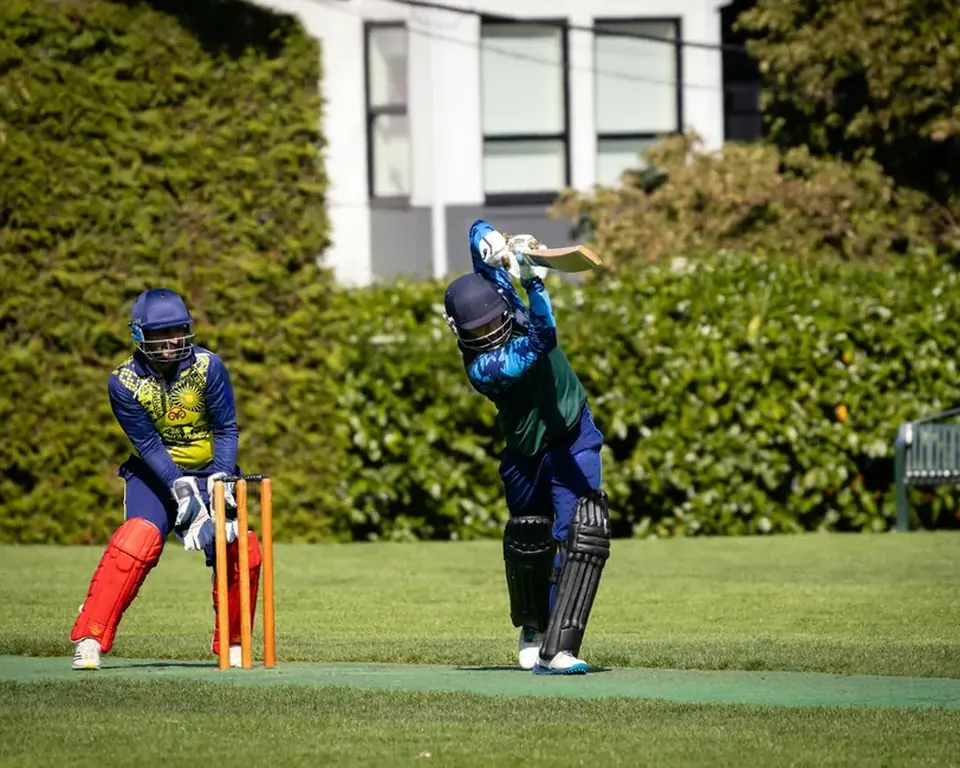
- Shadow batting: Stand in your stance and practice your trigger movement, backlift, and forward/back foot drives. Do 10–15 shots without a ball, focusing on technique. Imagine facing a delivery from a fast bowler—watch the imaginary ball onto the bat.
- Soft toss drills: Have a partner toss tennis balls from a short distance. Practice defensive shots, drives, and pulls. Start slow, then increase the speed. Aim for 20–30 balls.
- Footwork drills: Place cones or markers at various lengths. Shuffle forward to a full-length delivery, back to a short ball, and across to a wide one. Repeat 10 times. This sharpens your movement against both pace and spin.
For Bowlers:
- Walk-throughs: Without a run-up, walk through your bowling action 5–6 times. Focus on your gather, release point, and follow-through. This reinforces muscle memory.
- Jog and bowl: Take a short run-up (3–4 steps) and bowl at 50% intensity. Do 6–8 deliveries. Gradually increase to 70–80% effort.
- Fielding throws: From your bowling mark, practice throwing at a single stump or target from 10–15 metres. Aim for 10 accurate throws. This warms up your throwing arm and accuracy.
For All Players (Fielding):
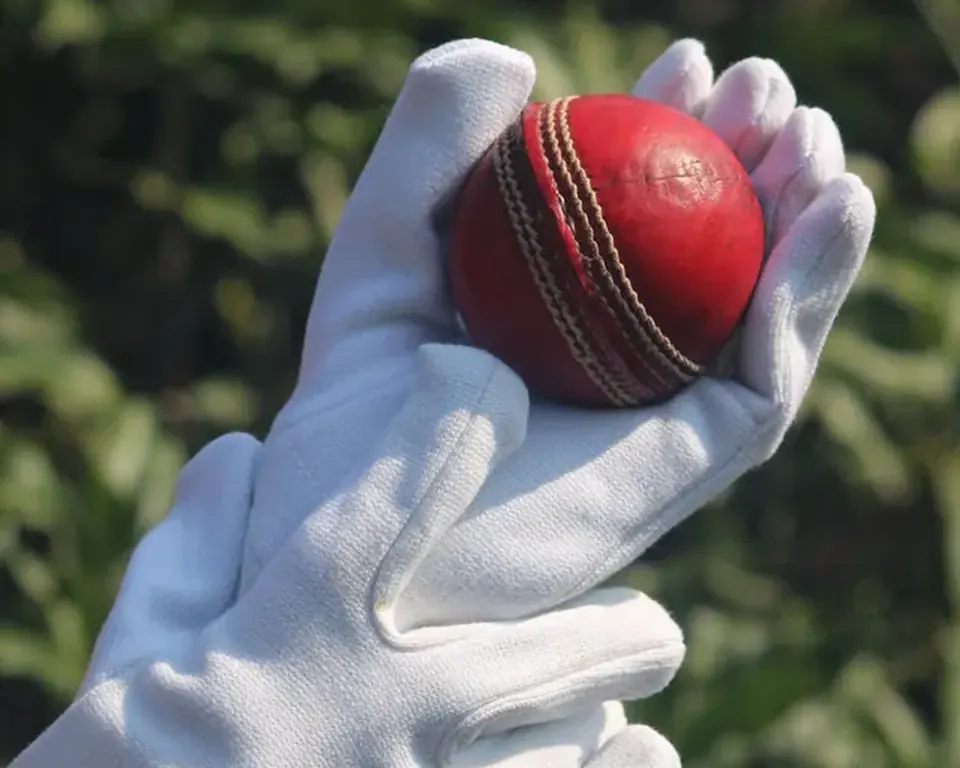
- Catching drills: Start with high catches (under a high ball) from a partner 15 metres away. Do 10 catches each. Then move to ground fielding—roll balls to your left and right, pick up and throw in one motion. 10 reps each side.
- Throwing on the run: Jog toward a target, pick up a ball, and throw in a fluid motion. Repeat 8–10 times. This replicates in-game fielding scenarios.
Step 4: Intensity Build-Up (5 minutes)
This phase mimics the intensity of the first few overs or your first few deliveries. It's a final check that your body is ready for explosive effort.
- Sprints: From a stationary start, sprint 20 metres, decelerate, and walk back. Repeat 3 times. This replicates running between wickets or chasing a ball in the deep.
- Bowling at full pace (bowlers only): If you're a pace bowler, bowl 4–6 deliveries at match intensity from your full run-up. Focus on rhythm, not just speed. Spinners can bowl 6–8 deliveries at full spin.
- Batting against a bowler (batters only): Face 6–8 deliveries from a partner bowling at match pace (or from a bowling machine). This is your final rehearsal before the real thing.
Step 5: Mental Preparation (2–3 minutes)
Cricket is as much a mental game as a physical one. Use the final minutes of your warm-up to get in the right headspace.
- Visualisation: Close your eyes for 30 seconds. Visualise yourself playing your best shots, bowling your best delivery, or taking a crucial catch. Imagine the crowd cheering.
- Breathing exercise: Take 5 slow, deep breaths—in through your nose for 4 counts, hold for 2, out through your mouth for 4. This calms your nerves and focuses your mind.
- Positive self-talk: Repeat a simple mantra like "I am ready" or "One ball at a time." This builds confidence and reduces anxiety.
Pro Tips / Common Mistakes
Common Mistake #1: Skipping the warm-up entirely. This is the biggest error, especially among grassroots players who arrive late. A cold body is a high-risk body. Elite players never skip their warm-up—neither should you.
Common Mistake #2: Static stretching before activity. Holding a hamstring stretch for 30 seconds before bowling can actually reduce your power output. Save static stretching for after the game or training.
Common Mistake #3: Going too hard too soon. Jumping straight into full-pace bowling without a gradual build-up strains your muscles and joints. Always progress from low to high intensity.
Common Mistake #4: Ignoring the non-dominant side. Batters often only practice shots on their strong side. Include drills that work your off-side and leg-side equally. Bowlers should warm up both arms, even if you only bowl with one.
Common Mistake #5: Neglecting hydration and nutrition. Start hydrating 30 minutes before your warm-up. A light snack (like a banana or muesli bar) 45–60 minutes before can provide energy without weighing you down.
Pro Tip for Coaches: Tailor warm-ups to the session. For a fielding-only practice, emphasise throwing and catching drills. For a batting net session, prioritise footwork and shadow batting. For a match, include everything—your players will thank you.
Checklist Summary
Use this checklist before every match or training session. Tick off each item as you complete it.
- Light Cardio Activation (5–7 min): Jog, high knees, butt kicks, side shuffles, backwards jogging.
- Dynamic Stretching (5–8 min): Leg swings, walking lunges with twist, arm circles, torso twists, ankle rotations, cat-cow stretch.
- Cricket-Specific Drills (10–12 min):
- Batters: Shadow batting, soft toss, footwork drills.
- Bowlers: Walk-throughs, jog and bowl (50–70%), fielding throws.
- All players: Catching drills, ground fielding, throwing on the run.
- Intensity Build-Up (5 min): Sprints, bowling at full pace (bowlers), batting against a bowler (batters).
- Mental Preparation (2–3 min): Visualisation, breathing exercise, positive self-talk.
- Hydration: Drink water before, during, and after the warm-up.
- Equipment Check: Ensure your gear (bat, pads, helmet, shoes) is ready and comfortable.
For more practical tips on cricket tactics and training, explore our guides on yorker practice techniques and running between wickets techniques. And if you're a coach looking to improve your team's preparation, our tactics and training hub has resources for every level.
Now, lace up your spikes, grab your bat, and get ready to perform at your best.
Reader Comments (0)